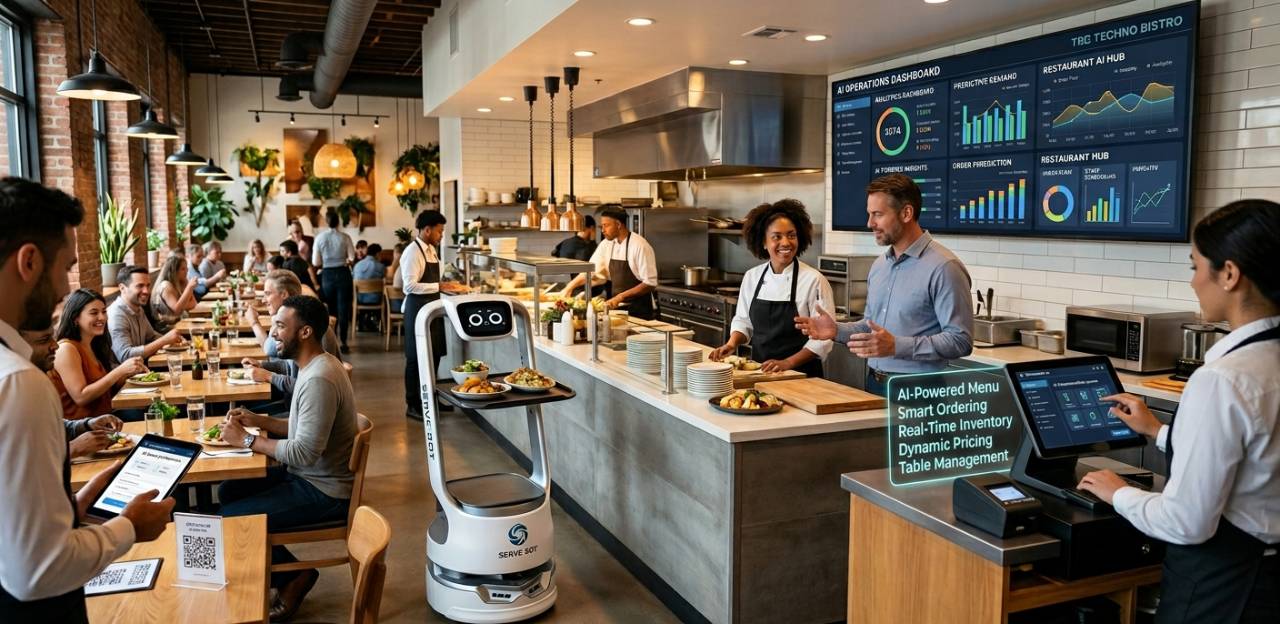
AI Playbook for Restaurant Owners
This AI playbook covers restaurant tools for voice ordering, staffing, compliance, menu pricing, inventory, marketing, ChatGPT prompts, and SEO.
tech
May 15, 2026
This AI playbook covers restaurant tools for voice ordering, staffing, compliance, menu pricing, inventory, marketing, ChatGPT prompts, and SEO.
May 15, 2026

Opening a coffee shop in 2026 requires careful cost planning across rent, equipment, labor, technology, menu strategy, marketing, and sustainability.
May 15, 2026

Hardee’s giant Boddie-Noell inks 31-unit Scooter’s Coffee deal for NC and VA, leveraging drive-thru growth and local roots with rollout over 12–18 months.
May 15, 2026
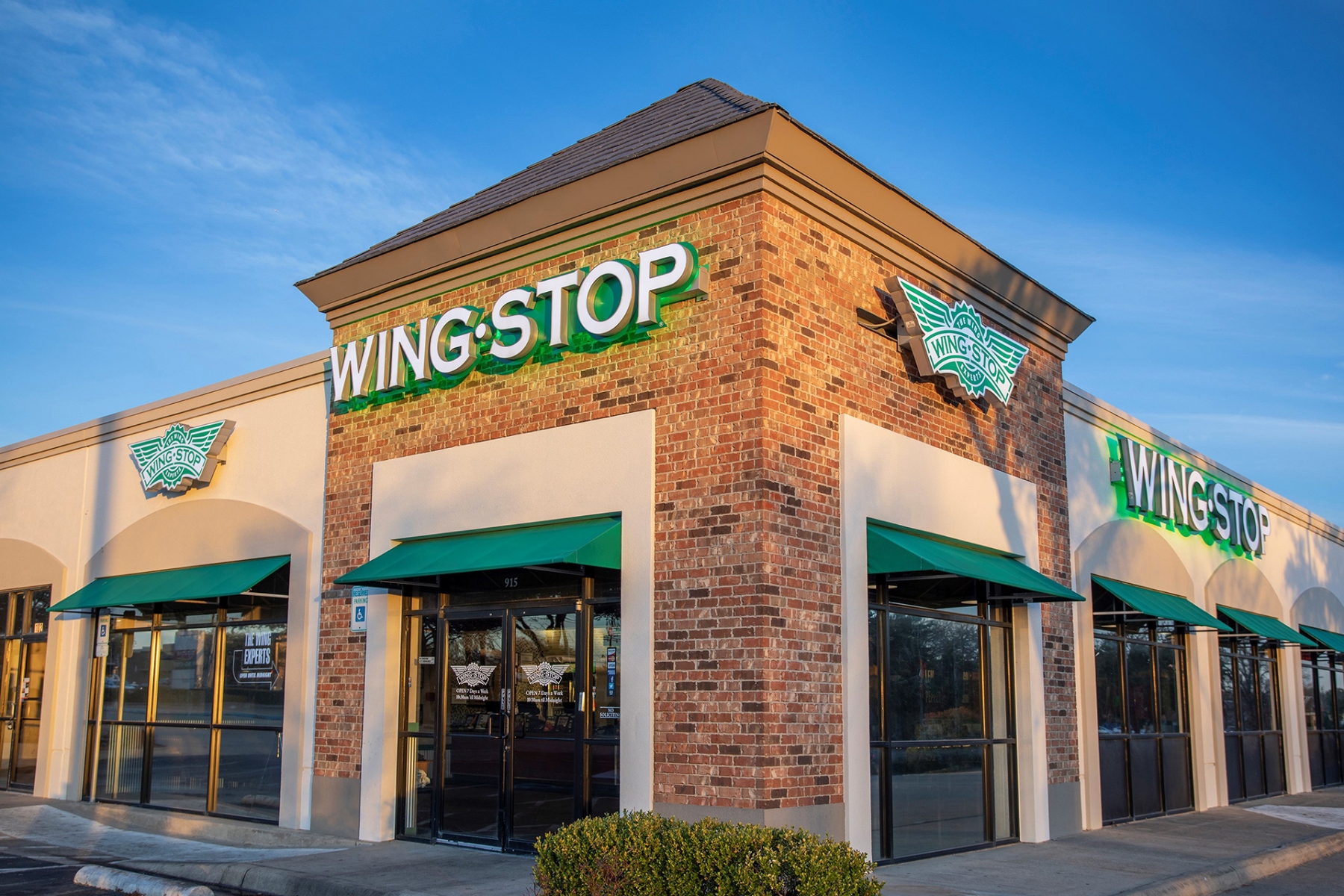
Wingstop turns match weeks into a multi-sensory festival, aligning bold pop-ups with World Cup energy to build brand affinity and measurable momentum.
May 15, 2026

Learn how to develop a memorable restaurant brand identity that stands out in a crowded market, attracts loyal customers, and drives repeat business with actionable strategies and affordable tools.
May 15, 2026
The parent company behind Dunkin', Buffalo Wild Wings, and Arby's has filed for an IPO a move that could reshape how Wall Street views the restaurant sector.
May 15, 2026
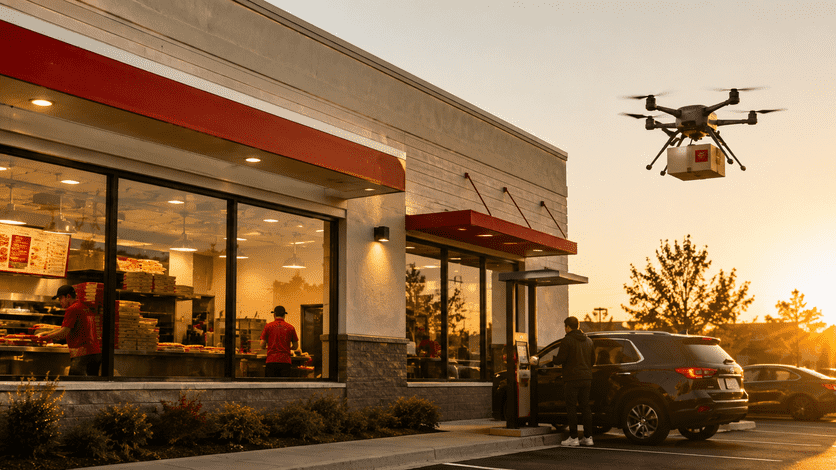
Papa Johns has teamed up with Alphabet's Wing for drone delivery of its new sandwich lineup in parts of Charlotte marking the first partnership of its kind between Wing and a national QSR brand.
May 15, 2026
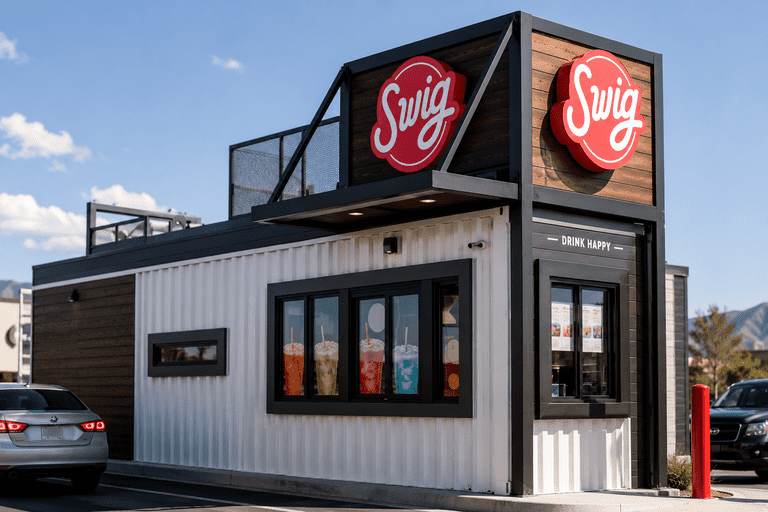
Dirty soda chain Swig is expanding into Colorado through a 10-unit franchise deal, riding a consumer beverage trend that's catching the attention of major QSR players nationwide.
May 15, 2026

A warm, expert-led look at McDonald’s Q1 results, menu makeover, and the refranchise question shaping its growth.
May 14, 2026
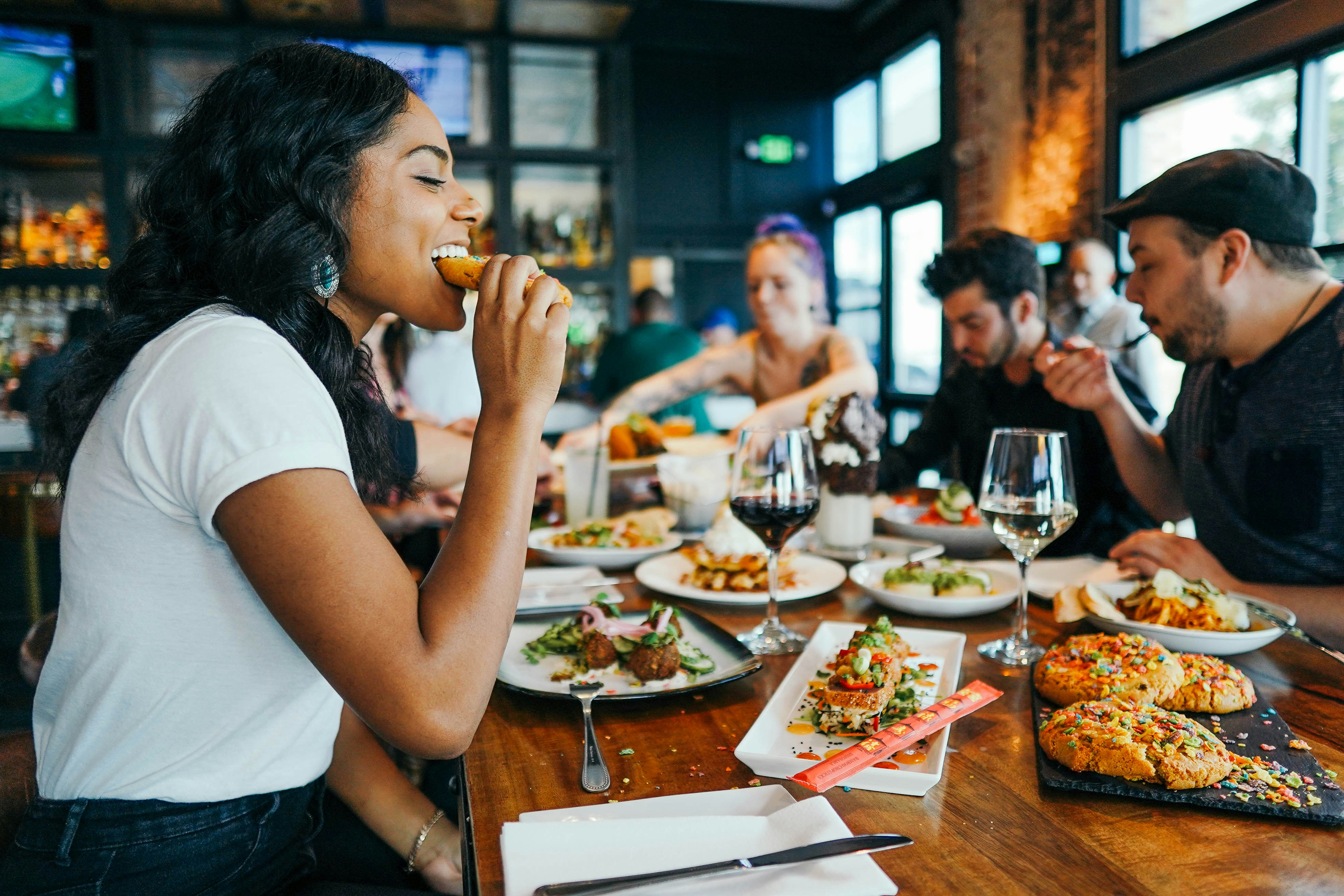
A reflective look at Habit Ranch, its immersive desert activation, and what it signals for brand loyalty and mindful, experiential dining.
May 14, 2026

Unlock Exclusive Access To Webinars, Events, And The Latest News For Free!
Explore the concept of poison pills in corporate governance and their role in deterring activist investors. Learn how companies like Jack in the Box utilize poison pills as part of their strategic turnaround plans.
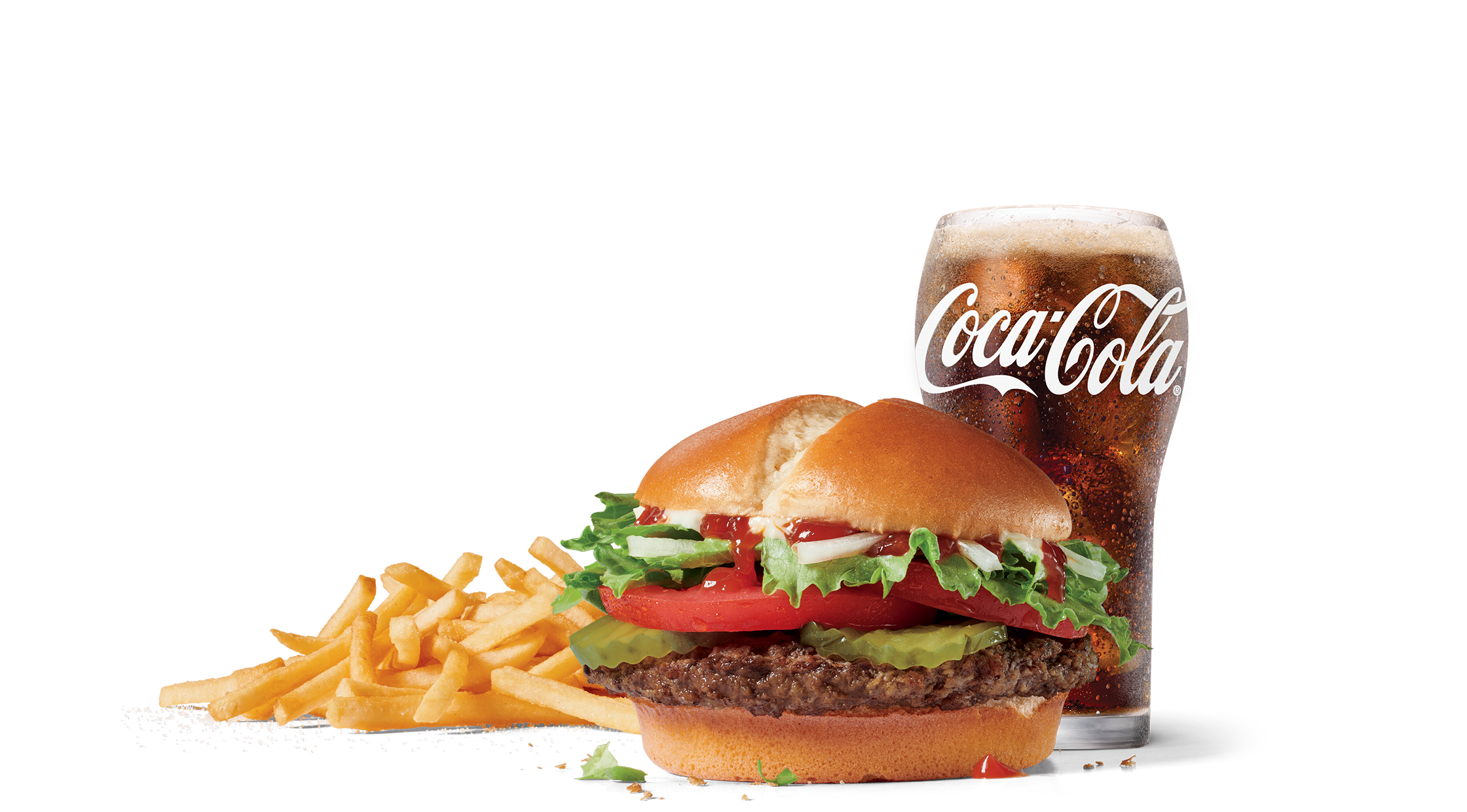
Poison pills, formally known as shareholder rights plans, are defensive strategies implemented by companies to ward off hostile takeovers or activism by diluting the value of shares. By triggering specific conditions, such as an investor acquiring a certain percentage of shares, poison pills can make the target company less attractive or more expensive to potential acquirers.
Jack in the Box, a prominent fast-food chain, recently introduced a Rights Plan triggered at a 12.5% ownership threshold to safeguard its operations from activist investors. This plan aims to provide the company with the necessary time to execute its strategic vision, particularly the Jack on Track plan focused on enhancing financial performance and transitioning to an asset-light model.
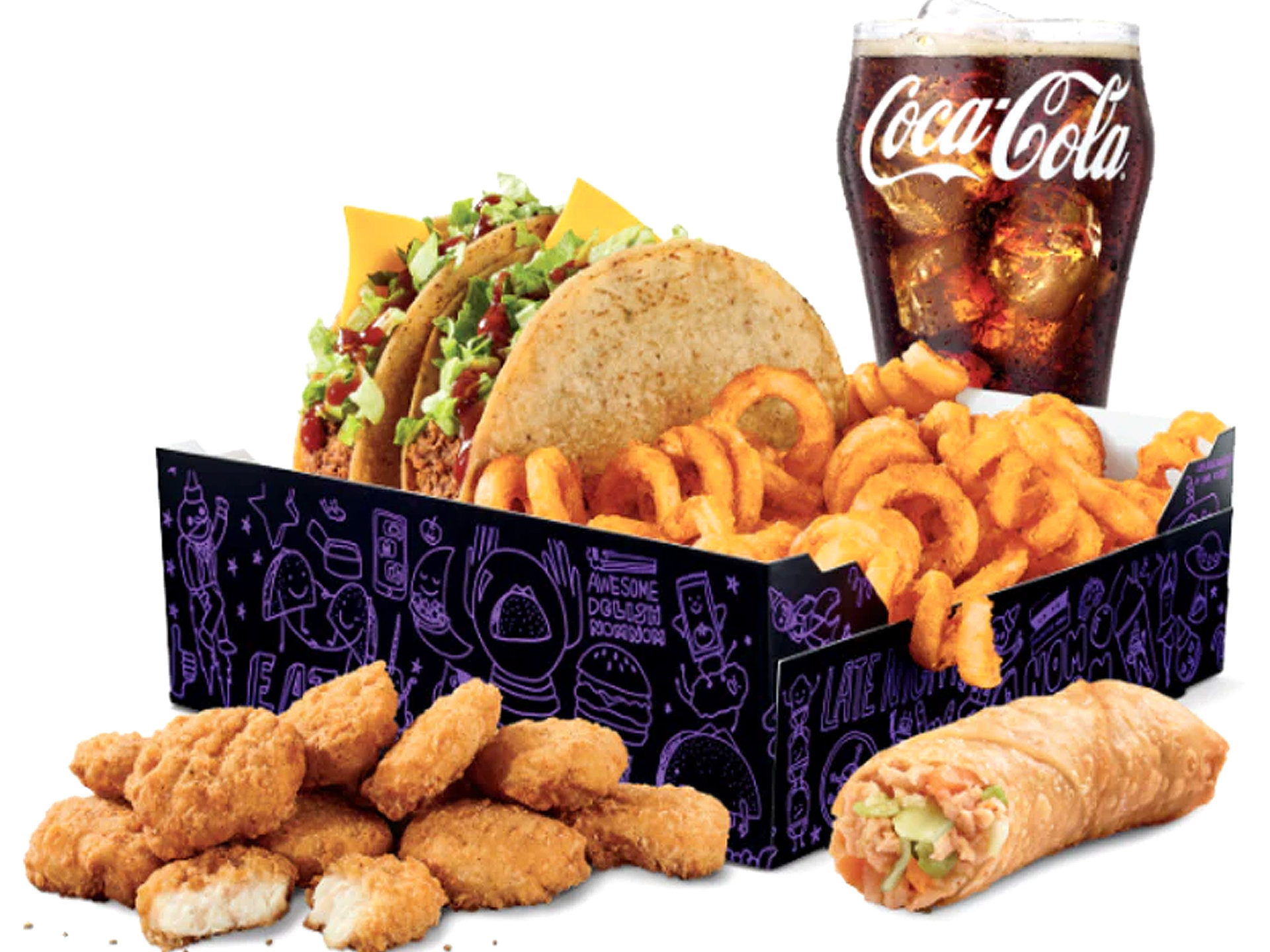
While poison pills can deter activist interventions, they may also affect shareholder value due to share dilution. Companies need to strike a balance between protecting their interests and maintaining shareholder confidence. The implementation of poison pills can impact the stock price and potentially influence market perception, requiring careful consideration by boards and executives.

In response to performance challenges, Jack in the Box has undertaken significant leadership changes, appointing new executives like Dawn Hooper as CFO and Lance Tucker as CEO. This restructuring, coupled with the closure of underperforming locations, reflects the company's commitment to revitalizing its operations and enhancing shareholder value amidst industry challenges.
As part of its turnaround strategy, Jack in the Box is exploring strategic alternatives for brands like Del Taco, including potential sales. Additionally, the company is embracing digital channels by deploying self-service kiosks and expanding its online presence to capture shifting consumer preferences and enhance operational efficiency.
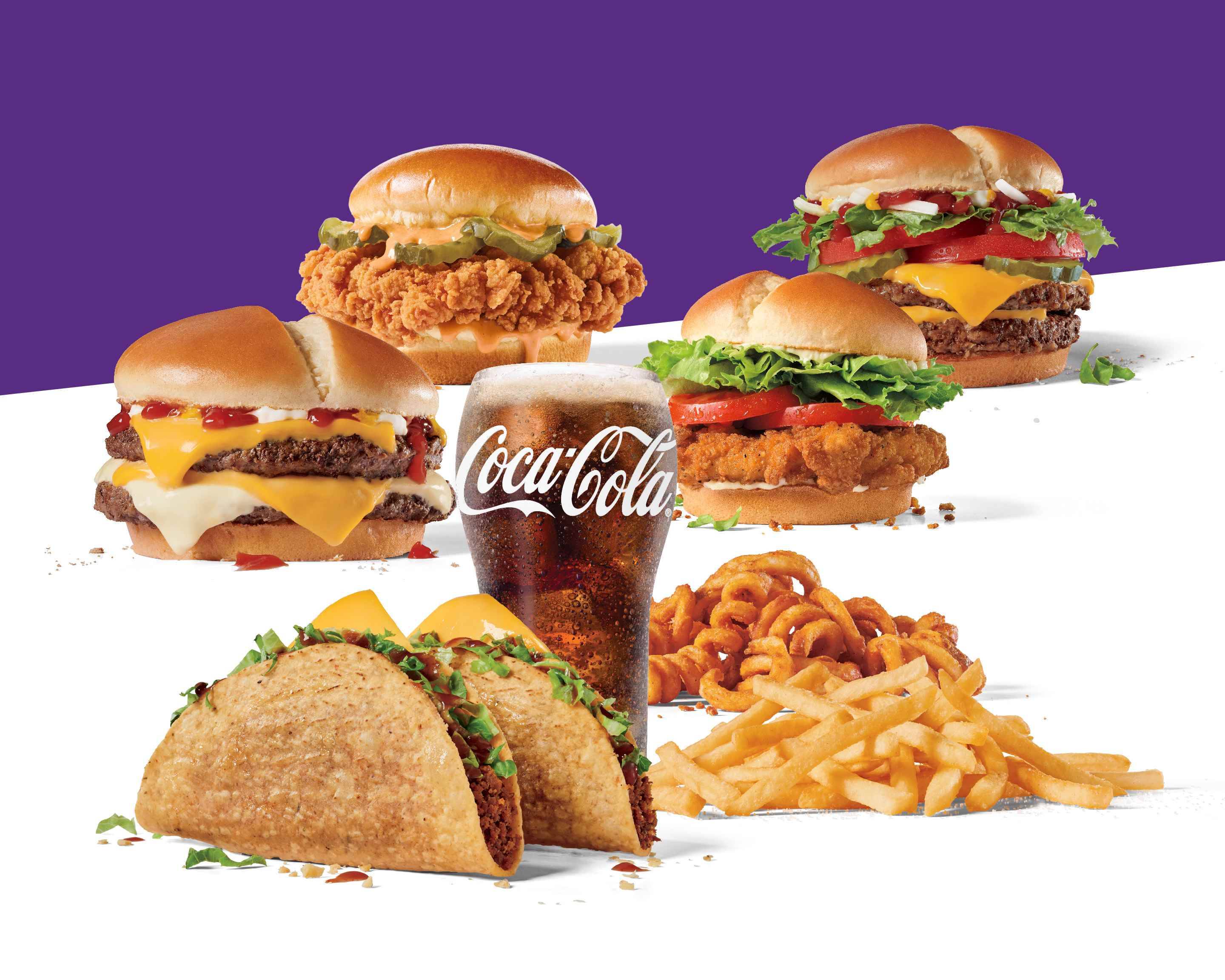
Biglari's activist investment approach, targeting companies like El Pollo Loco and Cracker Barrel, underscores the ongoing battle between activists and corporations. The utilization of poison pills by companies to thwart such campaigns highlights the evolving strategies in corporate governance and investor relations, shaping the dynamics of shareholder activism.