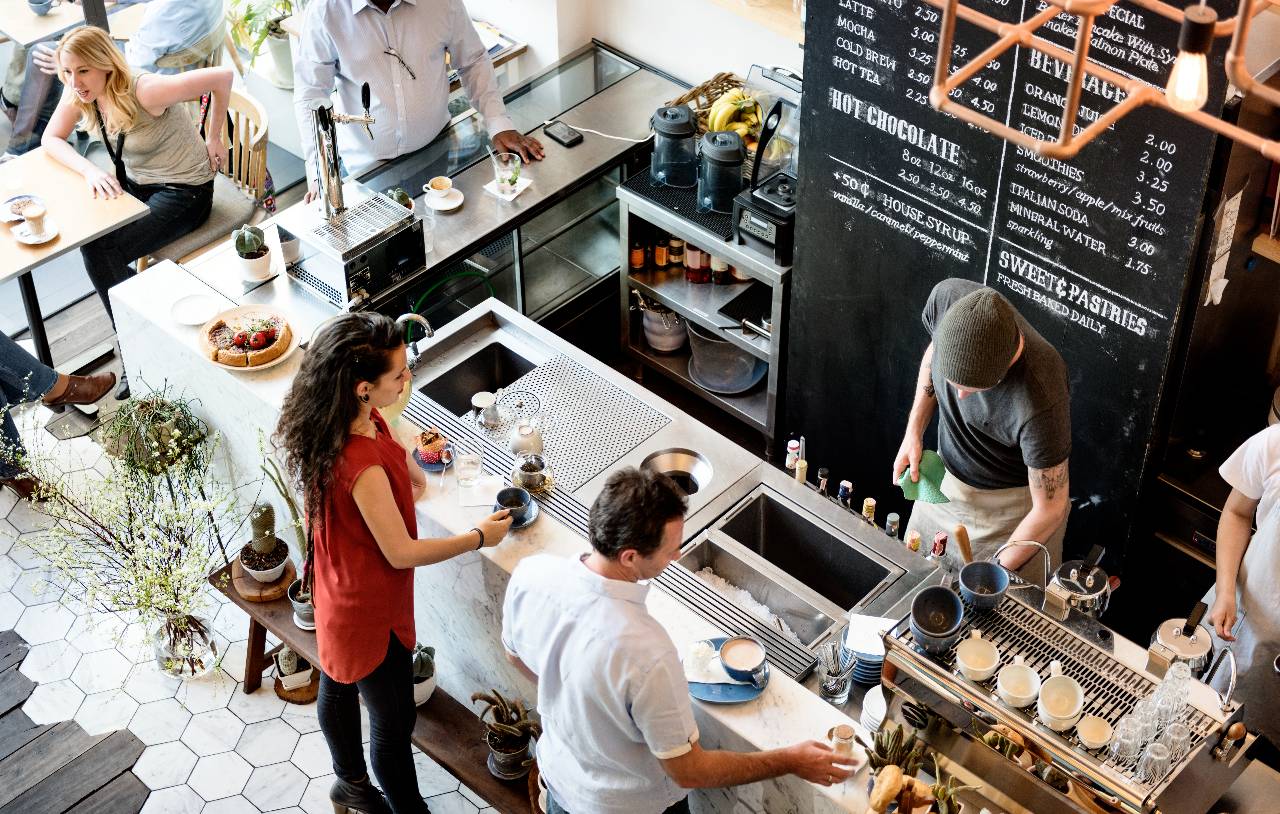
How Much Does It Cost to Open a Coffee Shop in 2026?
Opening a coffee shop in 2026 requires careful cost planning across rent, equipment, labor, technology, menu strategy, marketing, and sustainability.
operations
May 15, 2026
Opening a coffee shop in 2026 requires careful cost planning across rent, equipment, labor, technology, menu strategy, marketing, and sustainability.
May 15, 2026
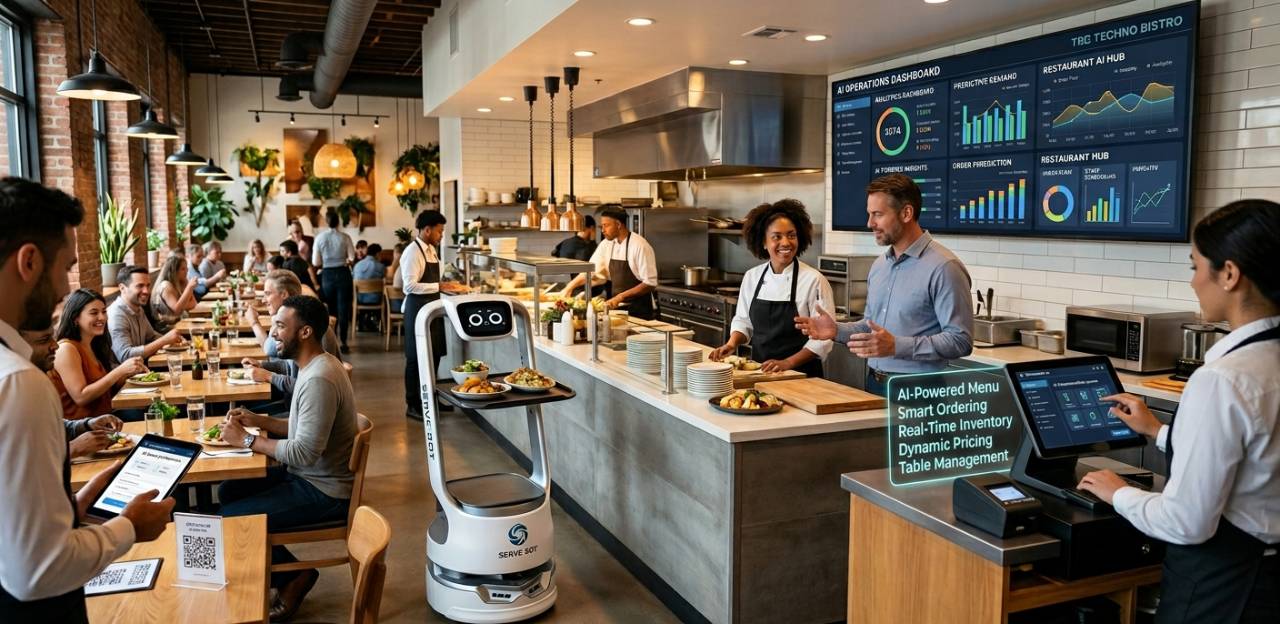
This AI playbook covers restaurant tools for voice ordering, staffing, compliance, menu pricing, inventory, marketing, ChatGPT prompts, and SEO.
May 15, 2026
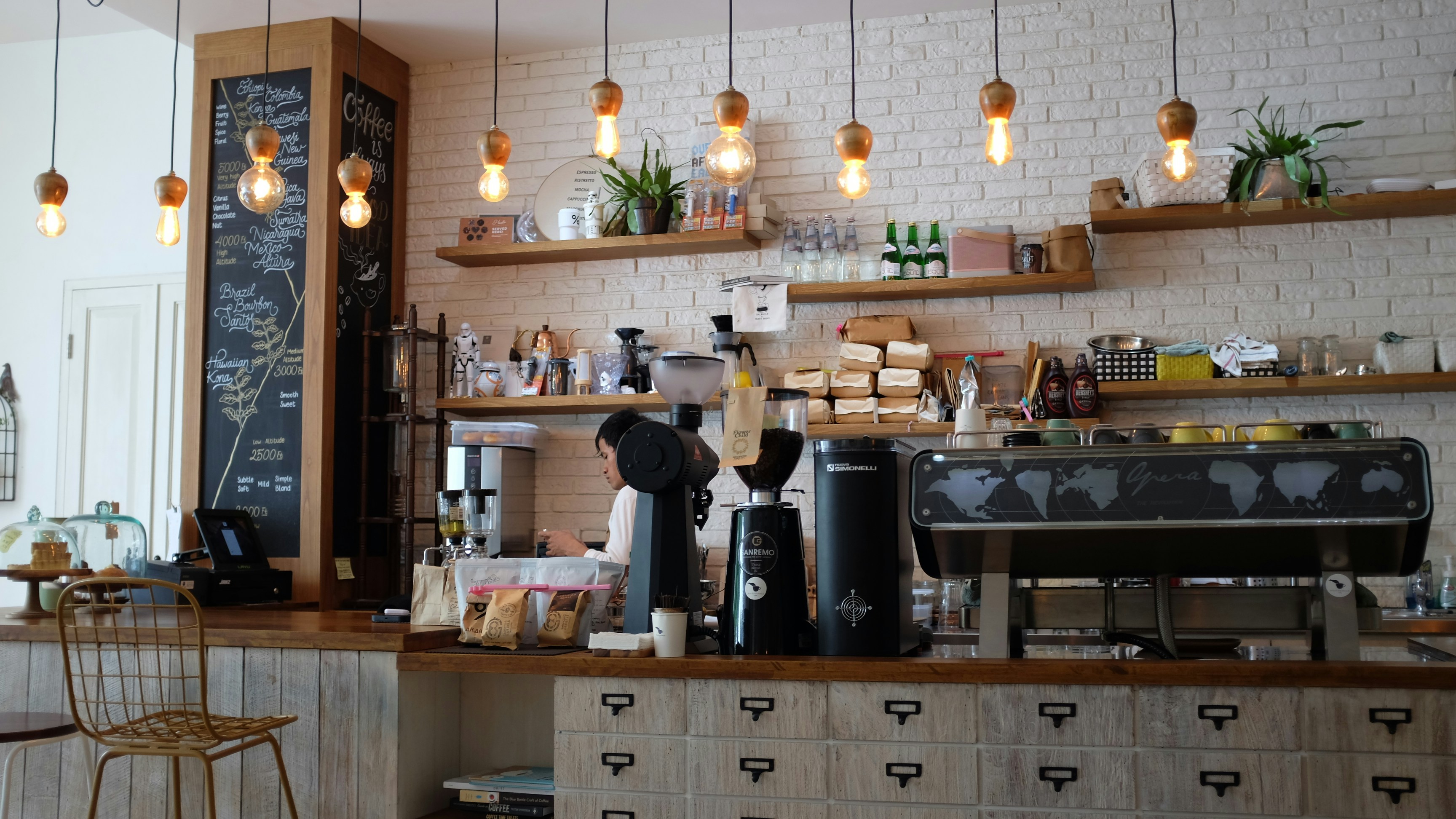
Hardee’s giant Boddie-Noell inks 31-unit Scooter’s Coffee deal for NC and VA, leveraging drive-thru growth and local roots with rollout over 12–18 months.
May 15, 2026
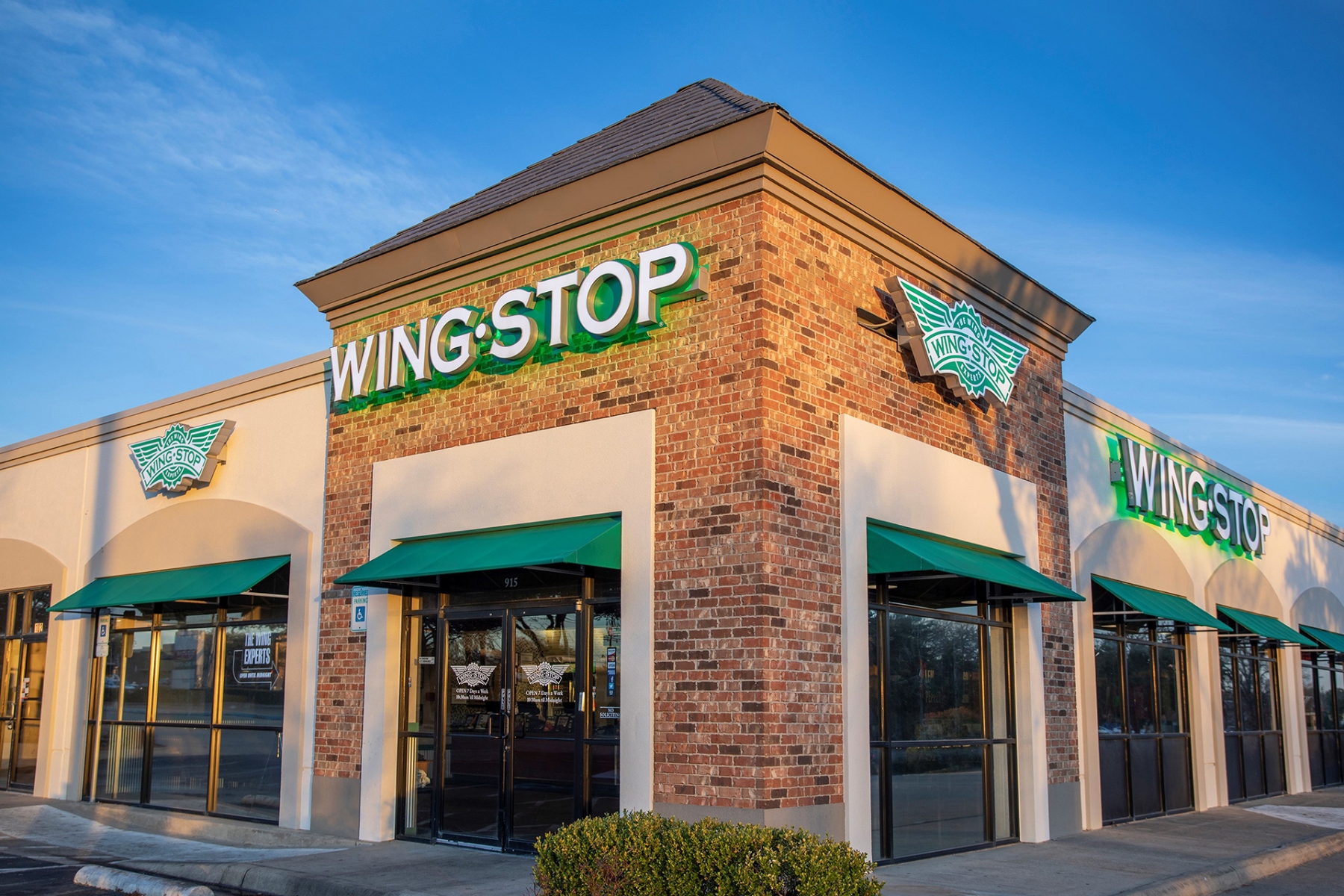
Wingstop turns match weeks into a multi-sensory festival, aligning bold pop-ups with World Cup energy to build brand affinity and measurable momentum.
May 15, 2026
The parent company behind Dunkin', Buffalo Wild Wings, and Arby's has filed for an IPO a move that could reshape how Wall Street views the restaurant sector.
May 15, 2026
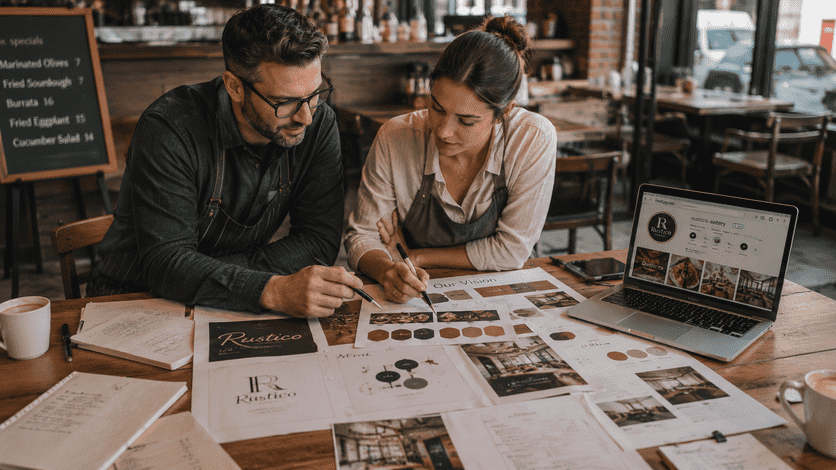
Learn how to develop a memorable restaurant brand identity that stands out in a crowded market, attracts loyal customers, and drives repeat business with actionable strategies and affordable tools.
May 15, 2026
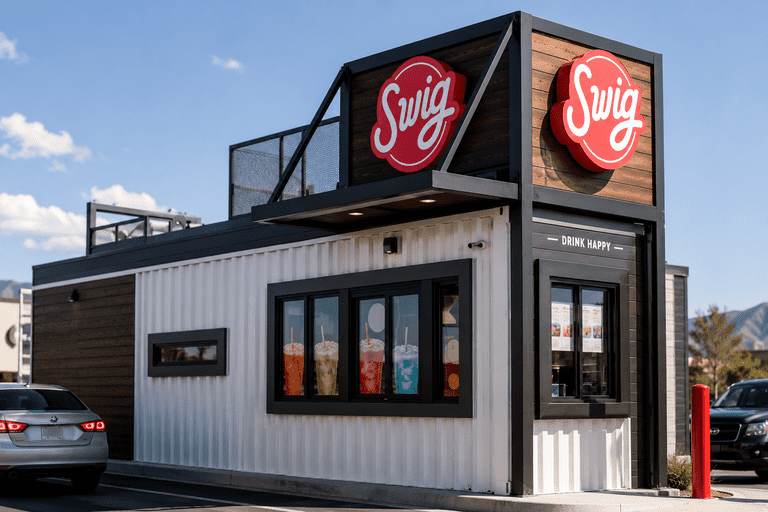
Dirty soda chain Swig is expanding into Colorado through a 10-unit franchise deal, riding a consumer beverage trend that's catching the attention of major QSR players nationwide.
May 15, 2026
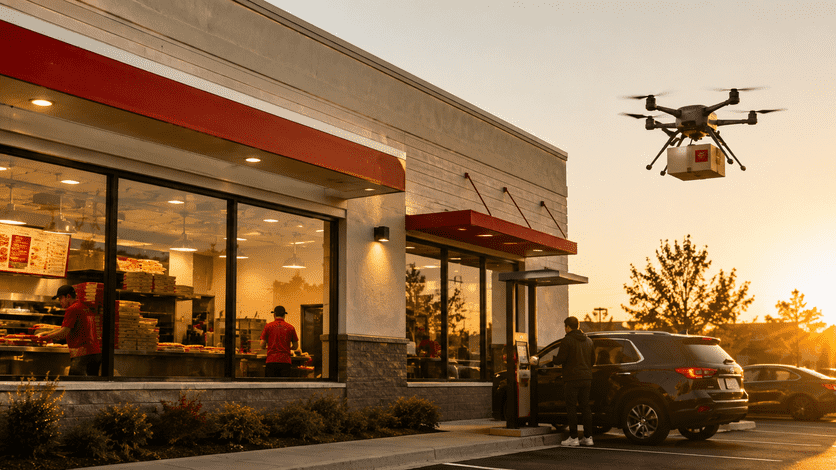
Papa Johns has teamed up with Alphabet's Wing for drone delivery of its new sandwich lineup in parts of Charlotte marking the first partnership of its kind between Wing and a national QSR brand.
May 15, 2026
A warm, expert-led look at McDonald’s Q1 results, menu makeover, and the refranchise question shaping its growth.
May 14, 2026
A reflective look at Habit Ranch, its immersive desert activation, and what it signals for brand loyalty and mindful, experiential dining.
May 14, 2026

Unlock Exclusive Access To Webinars, Events, And The Latest News For Free!
Explore the legal dispute between Uber and DoorDash over first-party delivery partnerships and the impact on restaurants in the competitive food delivery market.
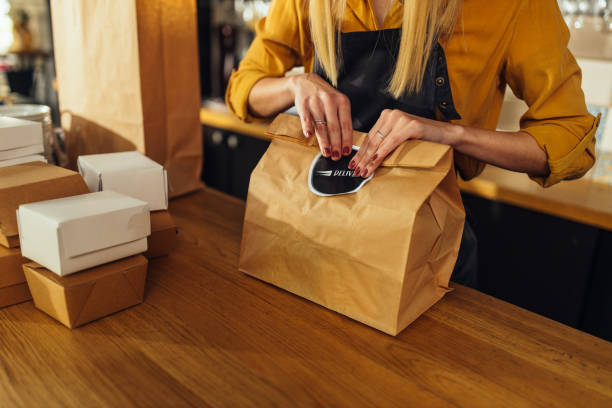
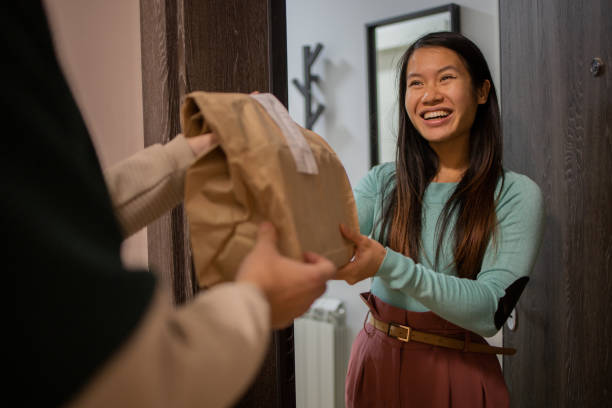
The clash between industry giants Uber and DoorDash has taken a legal turn with Uber accusing DoorDash of unlawfully limiting its growth in the first-party delivery market. The lawsuit sheds light on the intense competition in the food delivery industry and the strategies companies employ to secure partnerships with restaurants.
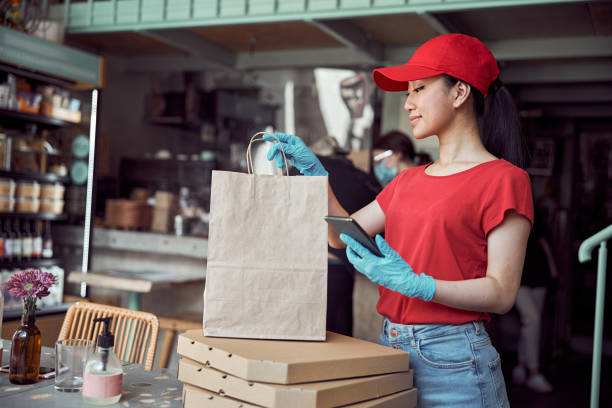
Uber and DoorDash provide white-label solutions that enable restaurants to accept delivery orders directly from their platforms. This capability empowers restaurants to gather valuable customer data, understand ordering patterns, and offer a personalized experience. Many eateries leverage a mix of first-party and third-party delivery services to cater to a wider customer base.
According to Uber's claims, DoorDash dominates over 50% of all third-party deliveries in the U.S. While DoorDash holds a significant market share, Uber asserts itself as the largest first-party delivery provider, partnering with over 90% of major restaurant brands. This fierce competition leads to innovative solutions but also raises concerns about market monopolization.
The lawsuit highlights the challenges faced by restaurants wanting to work with multiple first-party delivery providers. DoorDash's alleged tactics of restricting co-preferred partnerships and threatening higher fees create a dilemma for eateries that strive to enhance customer satisfaction through faster delivery and better service.
The legal dispute between Uber and DoorDash not only affects the companies involved but also impacts the end customers. By restricting restaurants' freedom to choose delivery partners, the lawsuit suggests potential negative consequences on delivery speeds, pricing, and overall customer satisfaction, emphasizing the importance of a balanced competitive landscape in the delivery market.
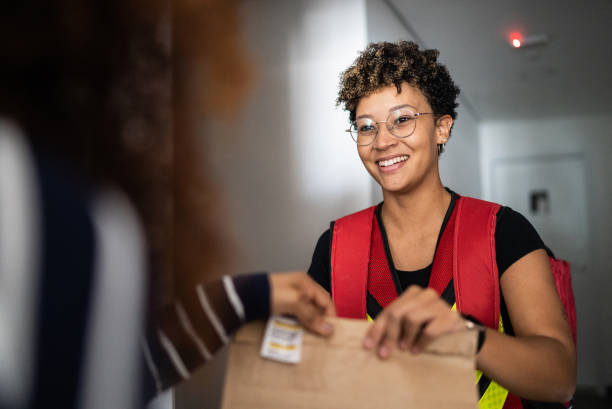
DoorDash refutes all accusations made by Uber, claiming the case lacks merit and is a result of Uber's inability to provide a competitive alternative. This back-and-forth underscores the complex dynamics and fierce competition within the food delivery ecosystem, with both companies vying for market dominance and restaurant partnerships.