How Much Does It Cost to Open a Coffee Shop in 2026?
Opening a coffee shop in 2026 requires careful cost planning across rent, equipment, labor, technology, menu strategy, marketing, and sustainability.
operations
May 15, 2026
Opening a coffee shop in 2026 requires careful cost planning across rent, equipment, labor, technology, menu strategy, marketing, and sustainability.
May 15, 2026

This AI playbook covers restaurant tools for voice ordering, staffing, compliance, menu pricing, inventory, marketing, ChatGPT prompts, and SEO.
May 15, 2026

Hardee’s giant Boddie-Noell inks 31-unit Scooter’s Coffee deal for NC and VA, leveraging drive-thru growth and local roots with rollout over 12–18 months.
May 15, 2026

Wingstop turns match weeks into a multi-sensory festival, aligning bold pop-ups with World Cup energy to build brand affinity and measurable momentum.
May 15, 2026

The parent company behind Dunkin', Buffalo Wild Wings, and Arby's has filed for an IPO a move that could reshape how Wall Street views the restaurant sector.
May 15, 2026

Learn how to develop a memorable restaurant brand identity that stands out in a crowded market, attracts loyal customers, and drives repeat business with actionable strategies and affordable tools.
May 15, 2026

Dirty soda chain Swig is expanding into Colorado through a 10-unit franchise deal, riding a consumer beverage trend that's catching the attention of major QSR players nationwide.
May 15, 2026

Papa Johns has teamed up with Alphabet's Wing for drone delivery of its new sandwich lineup in parts of Charlotte marking the first partnership of its kind between Wing and a national QSR brand.
May 15, 2026

A warm, expert-led look at McDonald’s Q1 results, menu makeover, and the refranchise question shaping its growth.
May 14, 2026

A reflective look at Habit Ranch, its immersive desert activation, and what it signals for brand loyalty and mindful, experiential dining.
May 14, 2026

Unlock Exclusive Access To Webinars, Events, And The Latest News For Free!
Explore the recent legal dispute between Uber Eats and DoorDash, revealing insights into anti-competitive behavior, market consolidation, and strategic partnerships in the food delivery landscape.
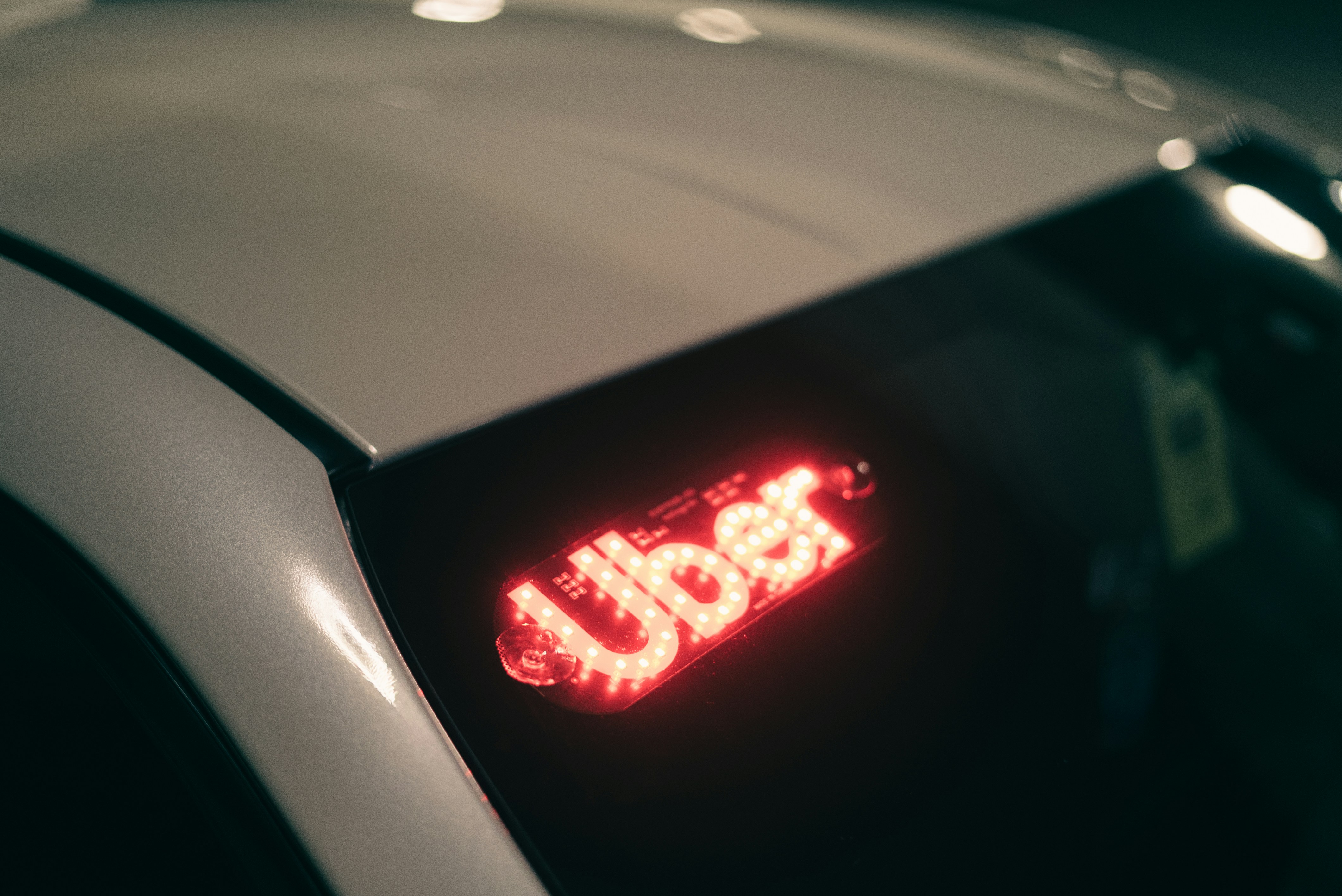
Photo by Erik Mclean
The recent legal saga between Uber Eats and DoorDash has unveiled a clash of titans in the food delivery domain. Uber Eats accuses DoorDash of engaging in anti-competitive practices by allegedly thwarting its efforts to attract delivery clients who utilize white-label delivery services for their branded platforms. This legal move signifies a pivotal moment in the increasingly consolidated food delivery landscape, where the industry giants vie for market dominance.
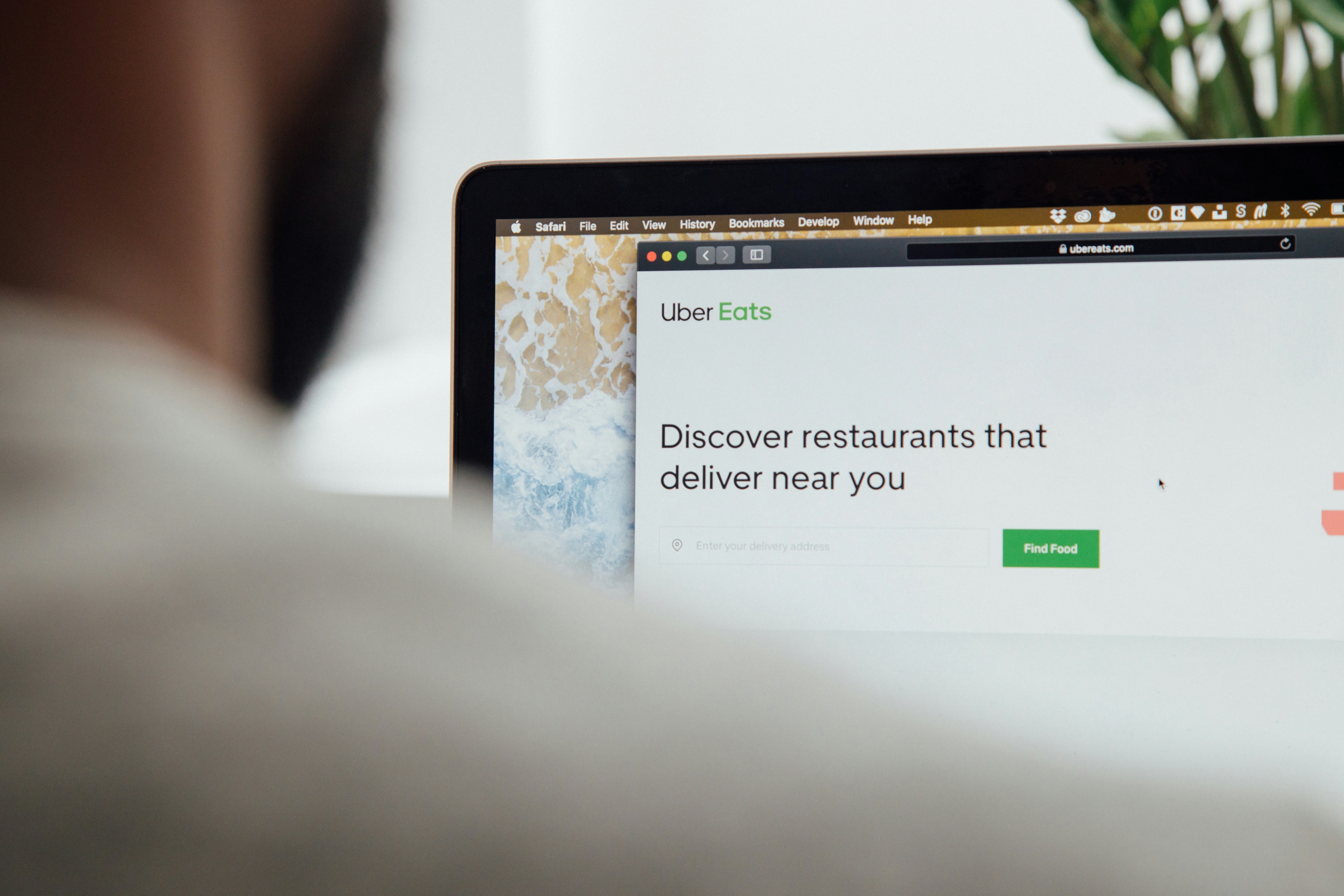
Photo by Erik Mclean
A decade ago, the food delivery sector boasted numerous regional players, but the market dynamics have drastically changed over the years. Today, DoorDash and Uber Eats stand at the forefront, commanding a significant portion of the market share. The industry witnessed the exit of players like ASAP (formerly Waitr) and transformations such as the acquisition of Grubhub, indicating the dominant position of the two major players in reshaping the food delivery ecosystem.
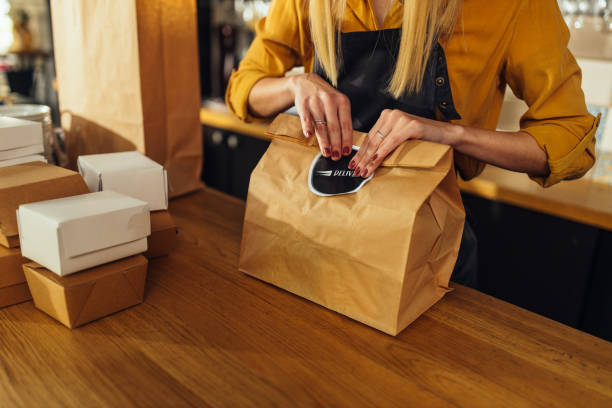
Photo by Erik Mclean
With supremacy in the food delivery realm closely tied to partnerships with enterprise clients, DoorDash has solidified its position by serving a considerable number of top restaurant companies. Uber Eats, although facing DoorDash's dominance, has strategically secured significant partnerships in the recent past, aiming to expand its reach and market presence. Such collaborations have become critical in gaining traction and influence amid the fierce competition.
The legal battle initiated by Uber Eats against DoorDash showcases an intriguing approach by focusing on tortious interference rather than traditional anti-trust claims. While the accusation seems challenging, considering the competitive nature of business, claiming breach of contract inducement or fraudulent practices is crucial to establishing interference. The lawsuit aims not only to rectify alleged unfair practices but also to shape future market behaviors.
As Uber Eats takes a stand against DoorDash's exclusive arrangements, the lawsuit's objectives extend beyond monetary compensation. The legal action seeks to redefine market norms and encourage a more competitive yet fair landscape in the first-party delivery sector. By challenging exclusivity and advocating for a level playing field, Uber Eats aims to secure its position and foster a climate that benefits both customers and industry players alike.