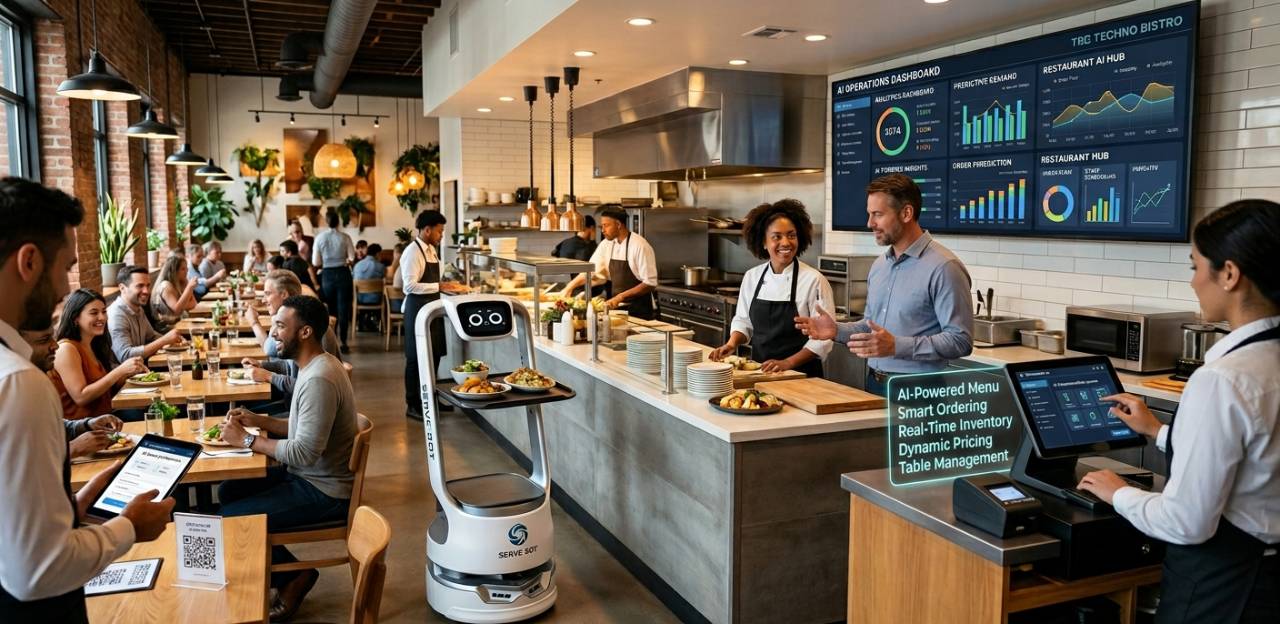
AI Playbook for Restaurant Owners
This AI playbook covers restaurant tools for voice ordering, staffing, compliance, menu pricing, inventory, marketing, ChatGPT prompts, and SEO.
tech
May 15, 2026
This AI playbook covers restaurant tools for voice ordering, staffing, compliance, menu pricing, inventory, marketing, ChatGPT prompts, and SEO.
May 15, 2026
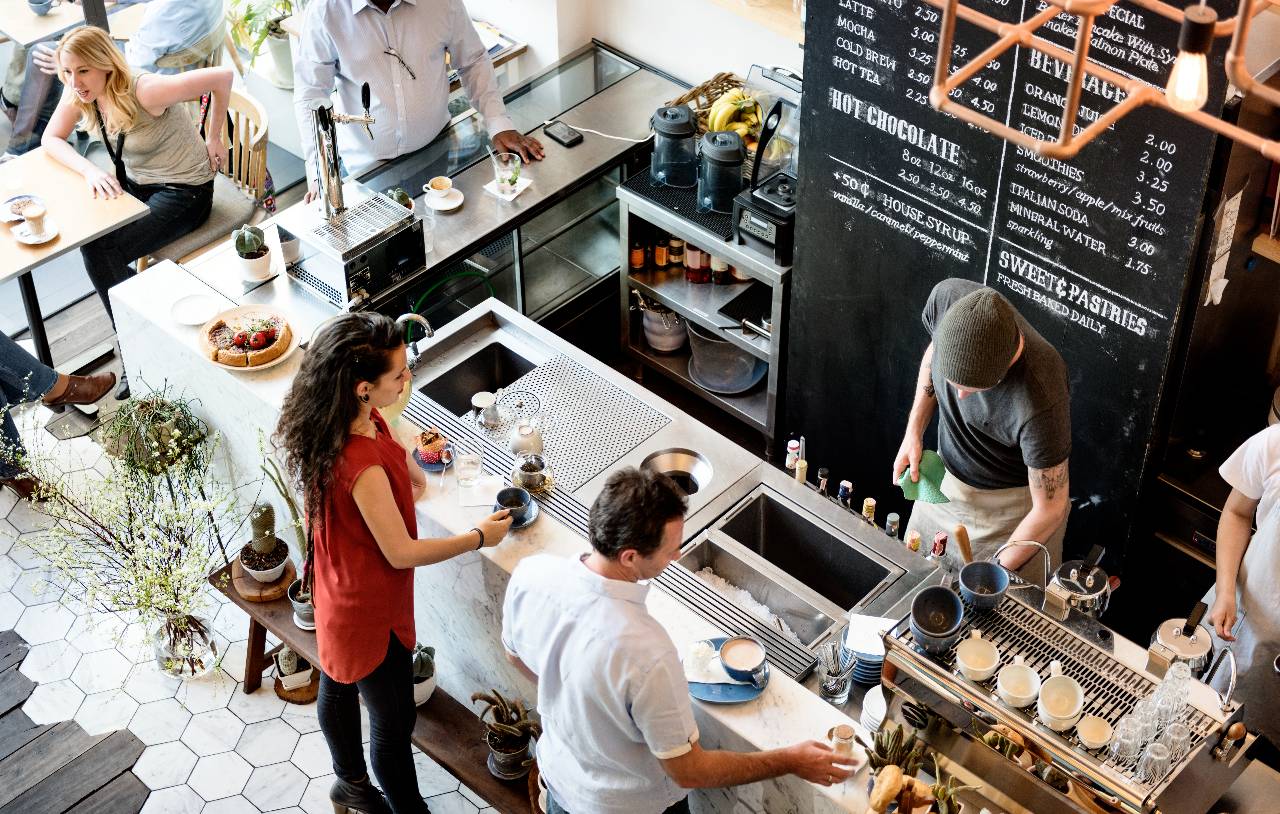
Opening a coffee shop in 2026 requires careful cost planning across rent, equipment, labor, technology, menu strategy, marketing, and sustainability.
May 15, 2026
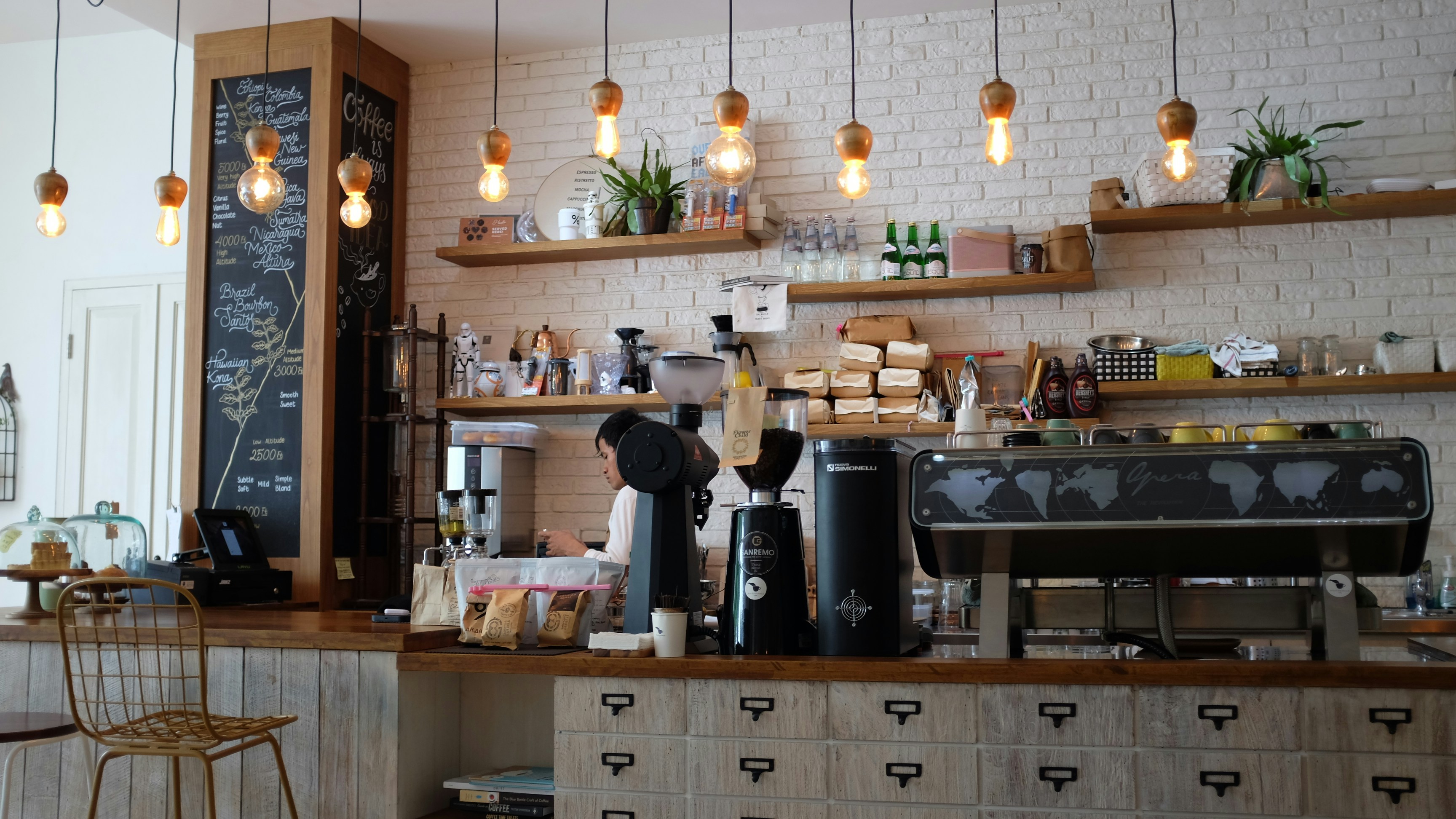
Hardee’s giant Boddie-Noell inks 31-unit Scooter’s Coffee deal for NC and VA, leveraging drive-thru growth and local roots with rollout over 12–18 months.
May 15, 2026
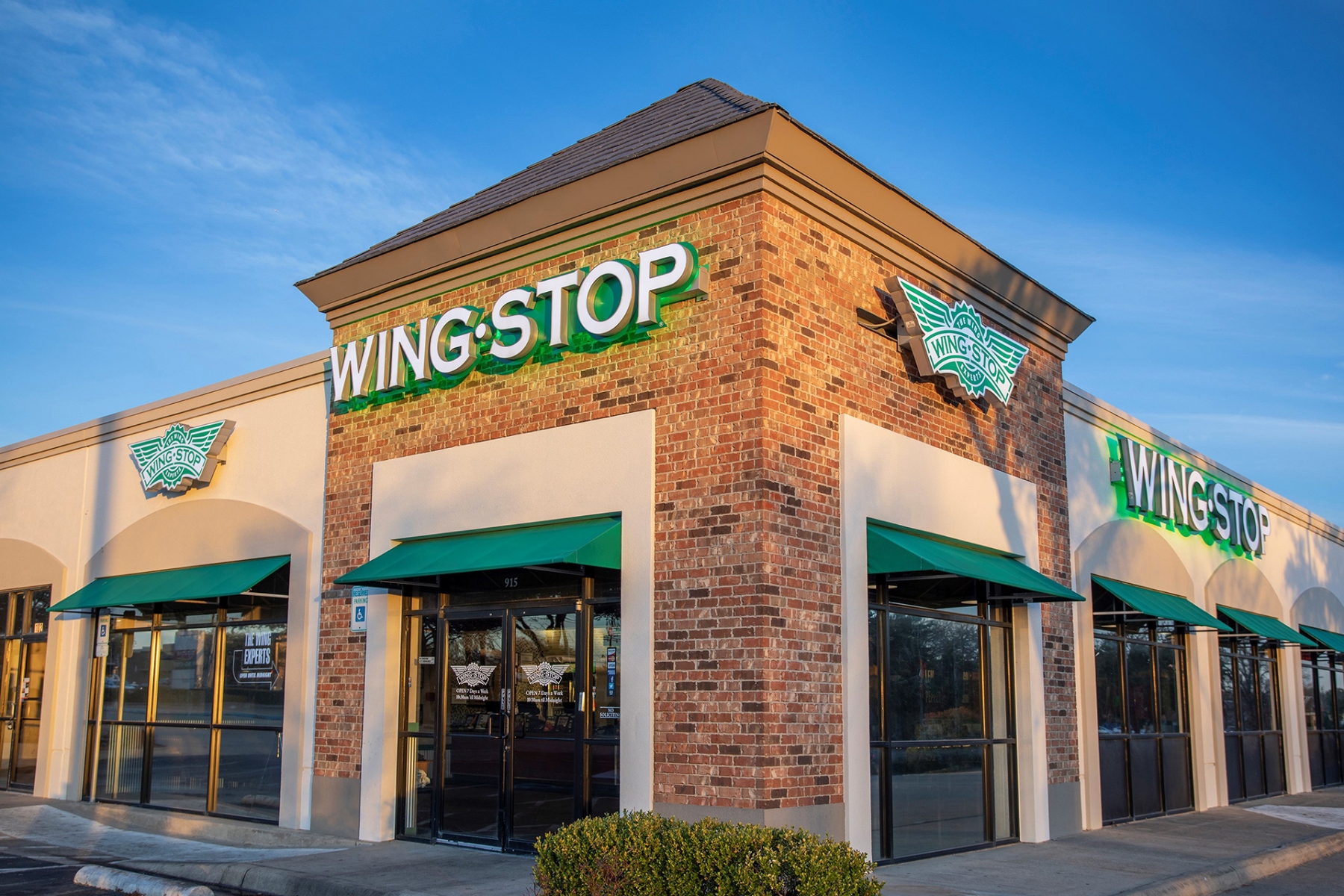
Wingstop turns match weeks into a multi-sensory festival, aligning bold pop-ups with World Cup energy to build brand affinity and measurable momentum.
May 15, 2026
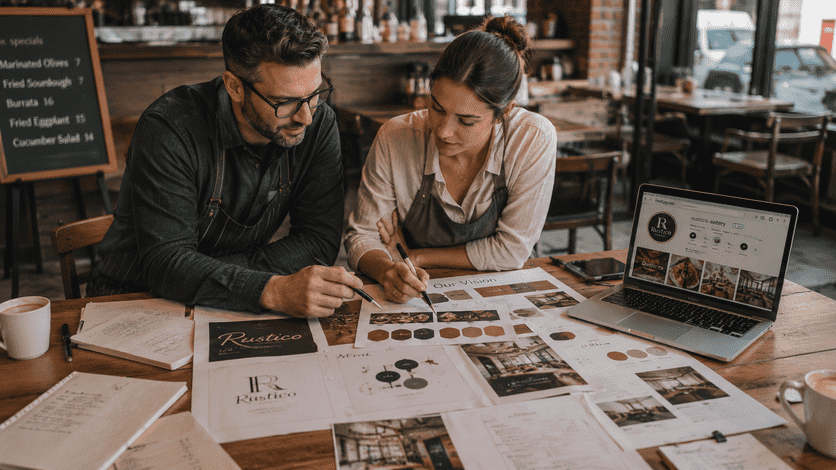
Learn how to develop a memorable restaurant brand identity that stands out in a crowded market, attracts loyal customers, and drives repeat business with actionable strategies and affordable tools.
May 15, 2026
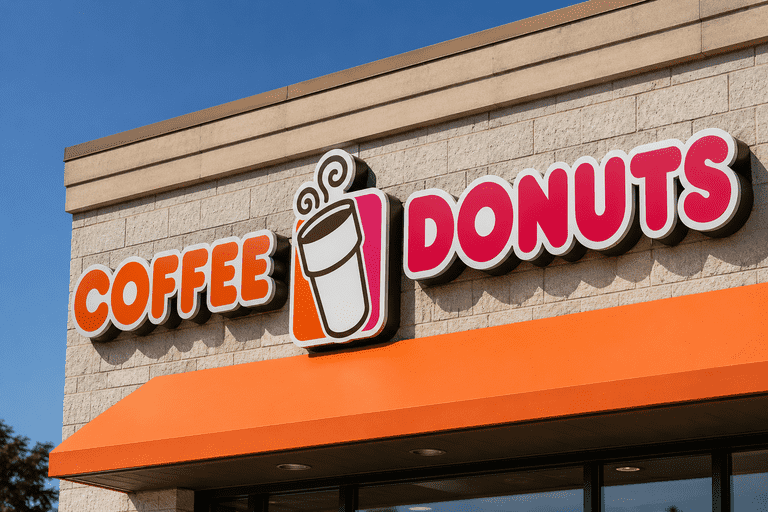
The parent company behind Dunkin', Buffalo Wild Wings, and Arby's has filed for an IPO a move that could reshape how Wall Street views the restaurant sector.
May 15, 2026
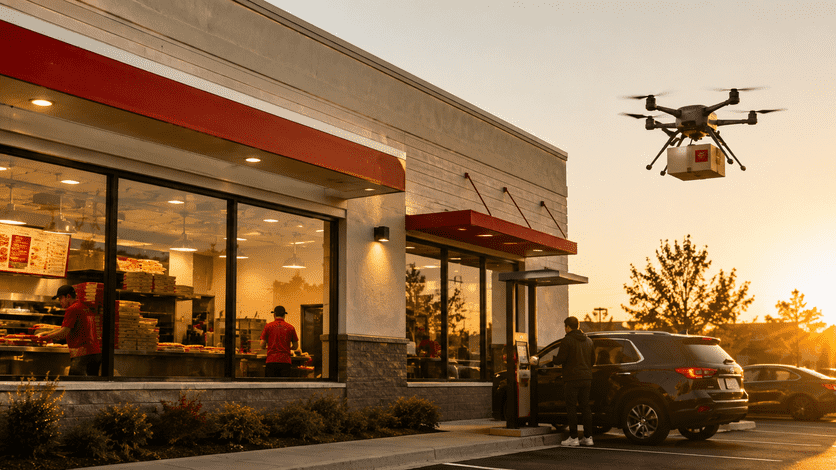
Papa Johns has teamed up with Alphabet's Wing for drone delivery of its new sandwich lineup in parts of Charlotte marking the first partnership of its kind between Wing and a national QSR brand.
May 15, 2026
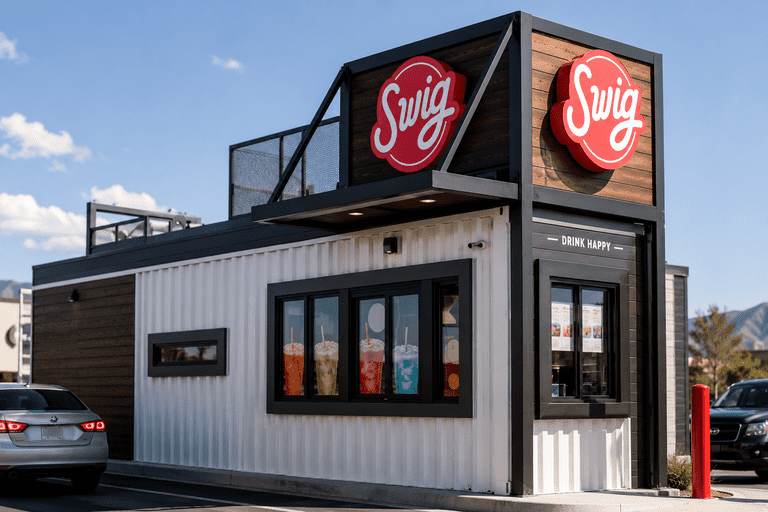
Dirty soda chain Swig is expanding into Colorado through a 10-unit franchise deal, riding a consumer beverage trend that's catching the attention of major QSR players nationwide.
May 15, 2026
A warm, expert-led look at McDonald’s Q1 results, menu makeover, and the refranchise question shaping its growth.
May 14, 2026
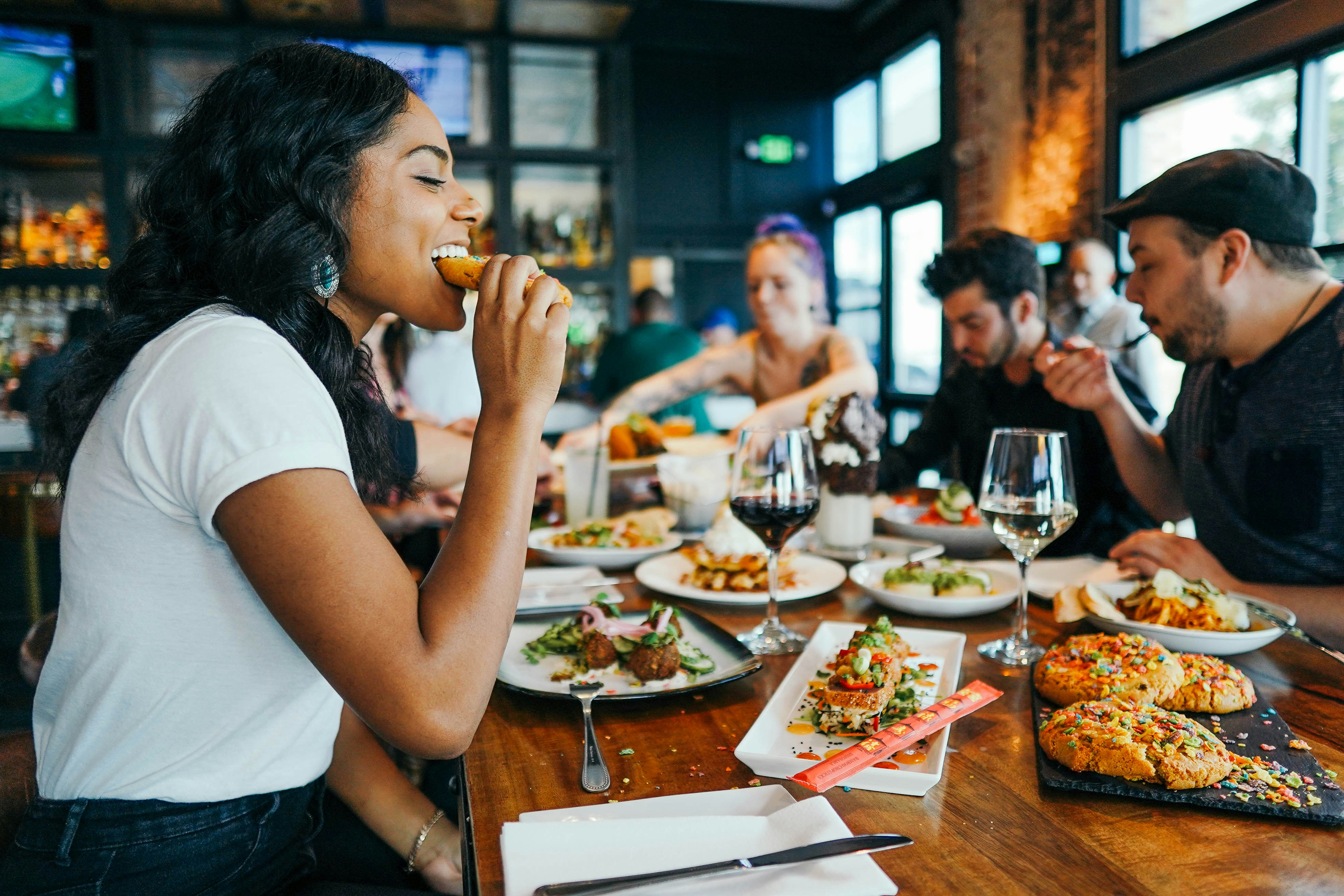
A reflective look at Habit Ranch, its immersive desert activation, and what it signals for brand loyalty and mindful, experiential dining.
May 14, 2026

Unlock Exclusive Access To Webinars, Events, And The Latest News For Free!
Big-brand restaurant results reveal growth vs. margin pressure as portfolios tighten and experiential moves widen.
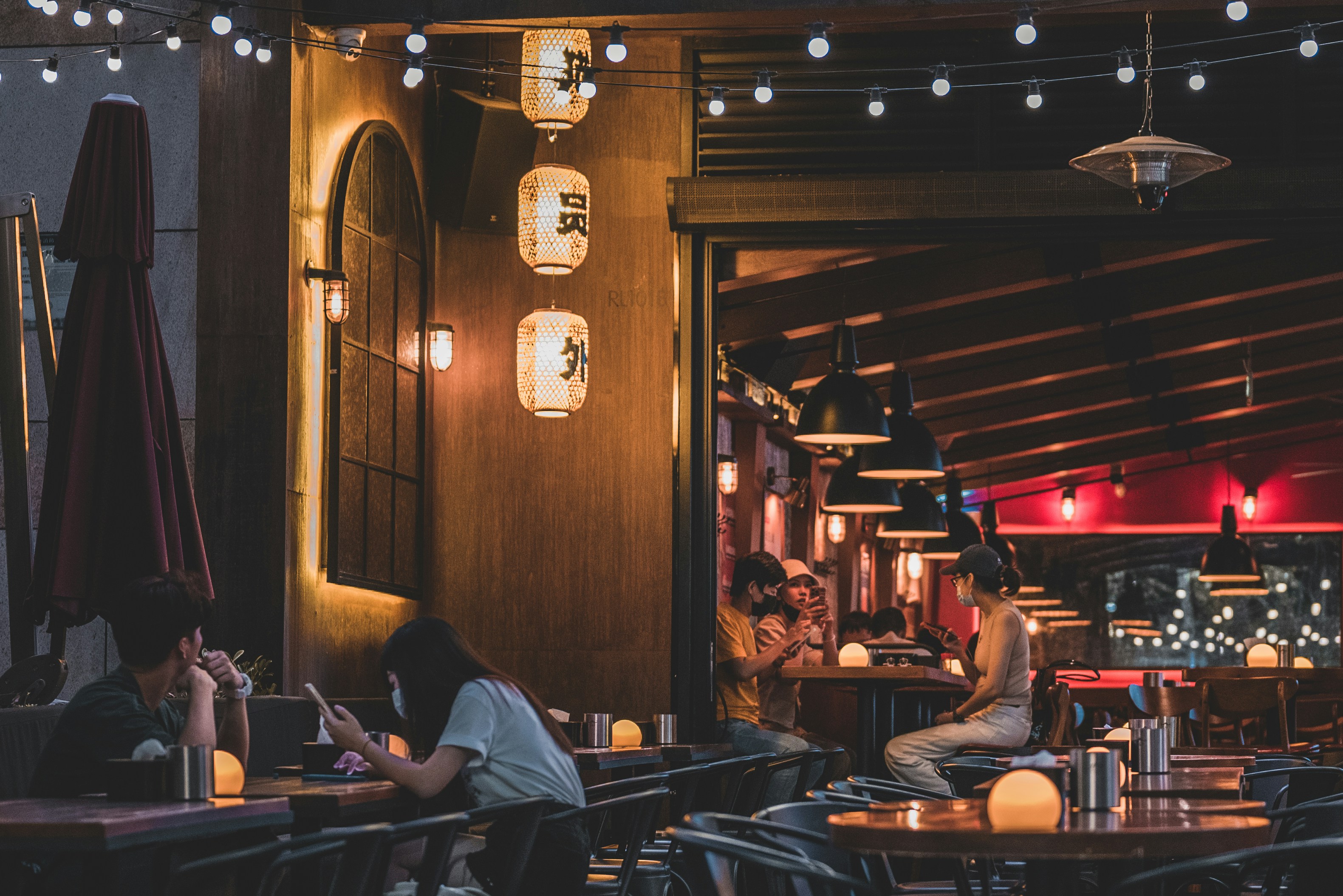
Photo by Bangyu Wang
Across a quarter, the restaurant world looks like a mosaic: some brands sprint ahead, others wrestle with margins. The headlines tilt between growth and grind. On one side, a big brand signals resilience and expansion; on the other, margins tighten as costs rise and competition heats up. In the spotlight, Papa John’s shows a 4% dip in North America same-store sales, underscoring the uphill climb to re-engage diners even as third-party delivery keeps a revenue lifeline. Meanwhile, Dutch Bros and its fan base push forward, and Noodles & Company signals a retooled footprint. It’s a quarter that asks hard questions about where value actually lives in a crowded field: what sticks, what sinks, and what’s worth the trip.
Papa John’s disclosed system-wide restaurant sales reached $1.26 billion in the quarter, up 4% year over year, with total revenues of about $529 million also rising around 4%. The gains came from higher North America and International comparable sales, plus a stronger emphasis on third-party delivery partnerships that broaden the brand’s reach. In contrast, Dutch Bros delivered a standout quarter, topping earnings and profit expectations and signaling confidence by raising its full-year guidance for total revenues, same-store sales growth, and adjusted EBITDA. Noodles & Company signaled a heavier portfolio rethink as leaders flagged the potential shuttering of several underperforming units to improve overall cash flow and unit economics. Together, these numbers sketch a market that rewards acceleration in some corners and pruning in others.
Behind the headlines, the market rhythm reveals a push toward balance: value, convenience, and speed co-exist as brands rethink where the real growth lives. Papa John’s has pushed through gains on system scale, with a mix that leans on third-party partners, while Noodles & Company keeps up momentum on a same-store basis as leadership maps a broader portfolio refresh. The period’s tone emphasizes a market where in-store engagement competes with digital adoption, delivery expansion, and aggressive discounting across fast-casual concepts. The message from the top suggests momentum is real, but translating it into durable profitability will be the test.
Papa John’s leadership emphasized confidence in the company’s trajectory, noting that quarter-over-quarter progress supports the aim of delivering “significant, sustainable profitable growth and increased value for all Papa John’s stakeholders.” In the same breath, Dutch Bros CEO Christine Barone celebrated momentum, describing results as “outstanding across multiple fronts” and confirming that the company was raising its full-year guidance. The reaction in the market remains nuanced, as investors weigh the durability of rapid-store growth against the pressures of a highly competitive beverage segment.