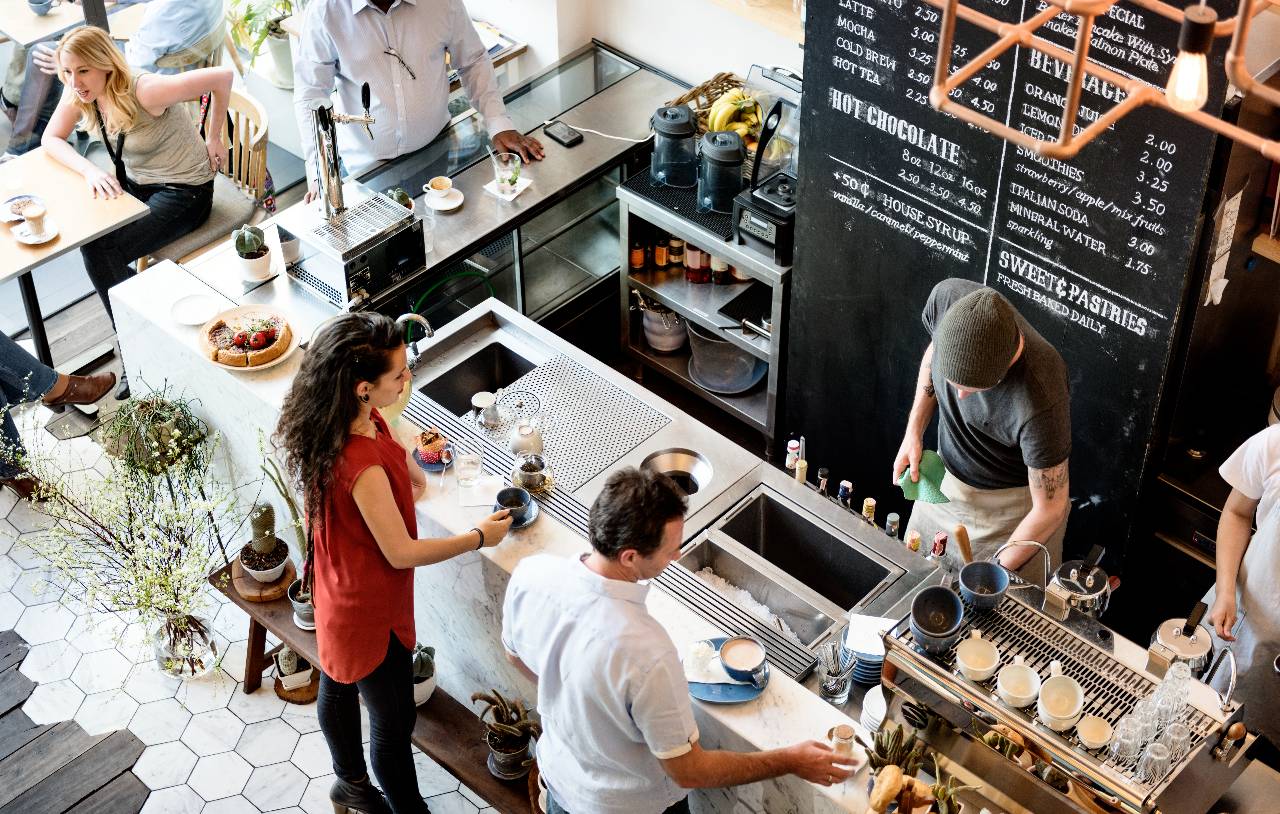
How Much Does It Cost to Open a Coffee Shop in 2026?
Opening a coffee shop in 2026 requires careful cost planning across rent, equipment, labor, technology, menu strategy, marketing, and sustainability.
operations
May 15, 2026
Opening a coffee shop in 2026 requires careful cost planning across rent, equipment, labor, technology, menu strategy, marketing, and sustainability.
May 15, 2026
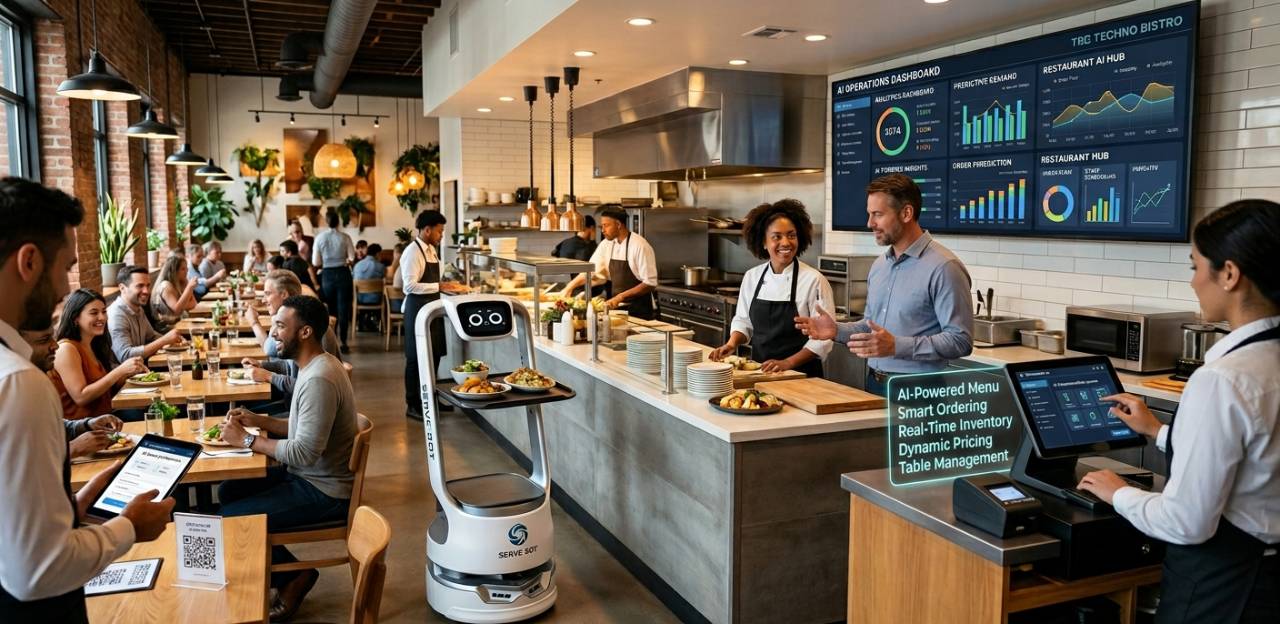
This AI playbook covers restaurant tools for voice ordering, staffing, compliance, menu pricing, inventory, marketing, ChatGPT prompts, and SEO.
May 15, 2026
Hardee’s giant Boddie-Noell inks 31-unit Scooter’s Coffee deal for NC and VA, leveraging drive-thru growth and local roots with rollout over 12–18 months.
May 15, 2026
Wingstop turns match weeks into a multi-sensory festival, aligning bold pop-ups with World Cup energy to build brand affinity and measurable momentum.
May 15, 2026
The parent company behind Dunkin', Buffalo Wild Wings, and Arby's has filed for an IPO a move that could reshape how Wall Street views the restaurant sector.
May 15, 2026
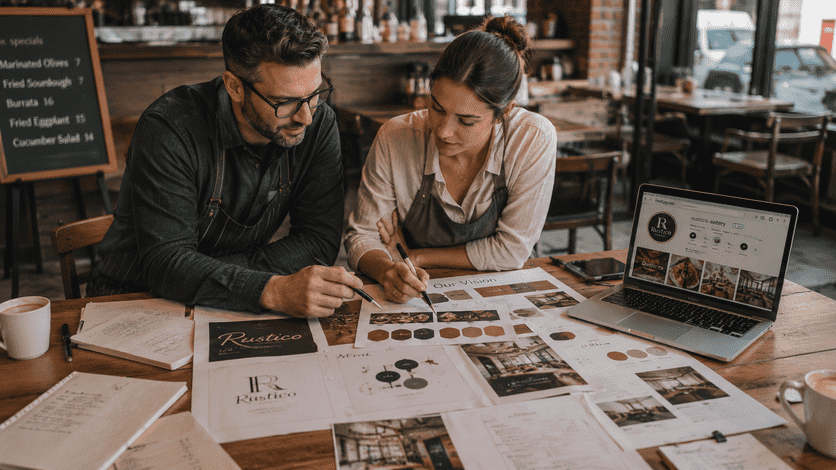
Learn how to develop a memorable restaurant brand identity that stands out in a crowded market, attracts loyal customers, and drives repeat business with actionable strategies and affordable tools.
May 15, 2026
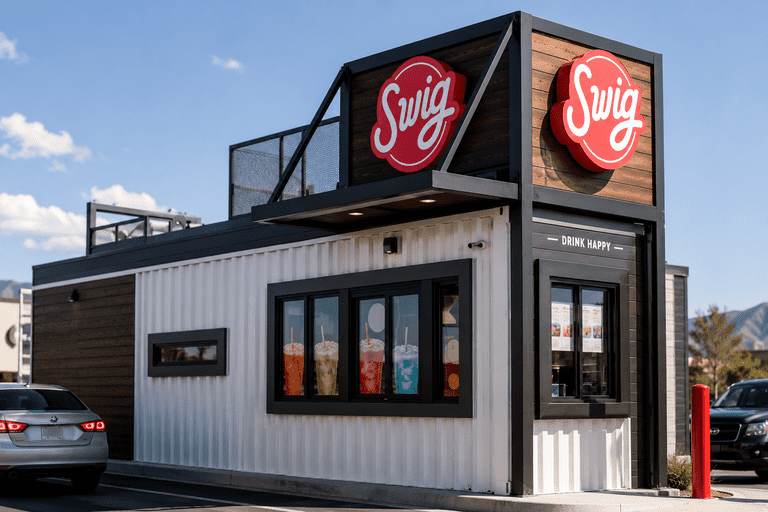
Dirty soda chain Swig is expanding into Colorado through a 10-unit franchise deal, riding a consumer beverage trend that's catching the attention of major QSR players nationwide.
May 15, 2026
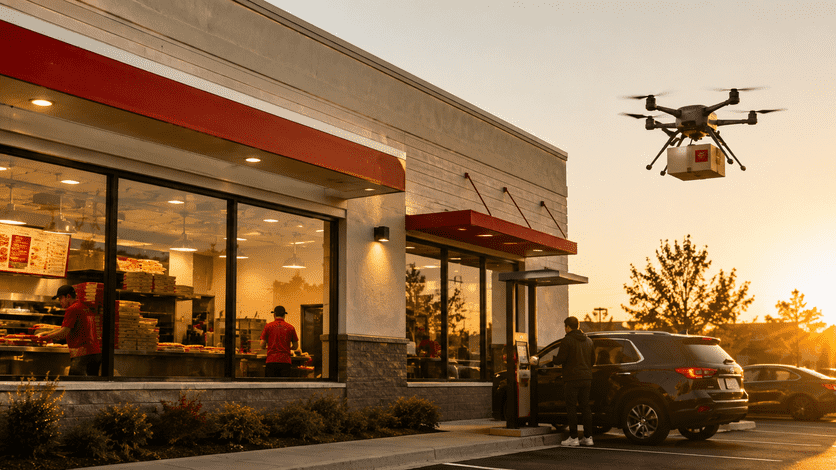
Papa Johns has teamed up with Alphabet's Wing for drone delivery of its new sandwich lineup in parts of Charlotte marking the first partnership of its kind between Wing and a national QSR brand.
May 15, 2026
A warm, expert-led look at McDonald’s Q1 results, menu makeover, and the refranchise question shaping its growth.
May 14, 2026
A reflective look at Habit Ranch, its immersive desert activation, and what it signals for brand loyalty and mindful, experiential dining.
May 14, 2026

Unlock Exclusive Access To Webinars, Events, And The Latest News For Free!
Explore the recent breakup between Topgolf and Callaway, the reasons behind it, and the impact on consumer trends and revenue growth. Learn how strategic decisions can reshape the business landscape.

Photo by Coline Haslé
The merger between Callaway and Topgolf in 2021 was a significant move to combine the expertise of a leading golf products company with a popular entertainment destination. However, the recent decision to sell off 80% of Topgolf indicates a shift in strategic direction. By parting ways, Callaway aims to streamline its operational structures, enhance capital allocation, and focus on core business objectives. This separation highlights the evolving nature of corporate partnerships and the importance of adaptability in the business landscape.

Photo by Coline Haslé
Despite its widespread popularity, Topgolf encountered challenges in revenue growth, as evident from the decline in company revenue and same venue sales. The company's revenue decrease in the first quarter, along with a 12% drop in same venue sales, underscores the need for strategic adjustments. Middle-income consumers, in particular, perceived Topgolf as too costly, prompting the company to reevaluate its pricing strategy and value proposition.

Photo by Coline Haslé
Topgolf's appeal to consumers with an annual household income of $100,000 or more showcases its strong brand image and experiential offerings. However, to attract a wider audience, the company introduced initiatives like Sunday Funday and Topgolf Nights. These events aimed to enhance consumer engagement and drive foot traffic. The success of Sunday Funday in increasing traffic by 20% demonstrates the effectiveness of consumer-centric strategies in improving business performance.
Photo by Coline Haslé
The decision to sell off a major stake in Topgolf underscores the significance of reevaluating revenue streams and optimizing business operations. By focusing on core competencies and allocating capital efficiently, Callaway aims to enhance its strategic focus and drive sustainable growth. This breakup presents an opportunity for both entities to realign their priorities and chart independent paths that align with evolving market dynamics.