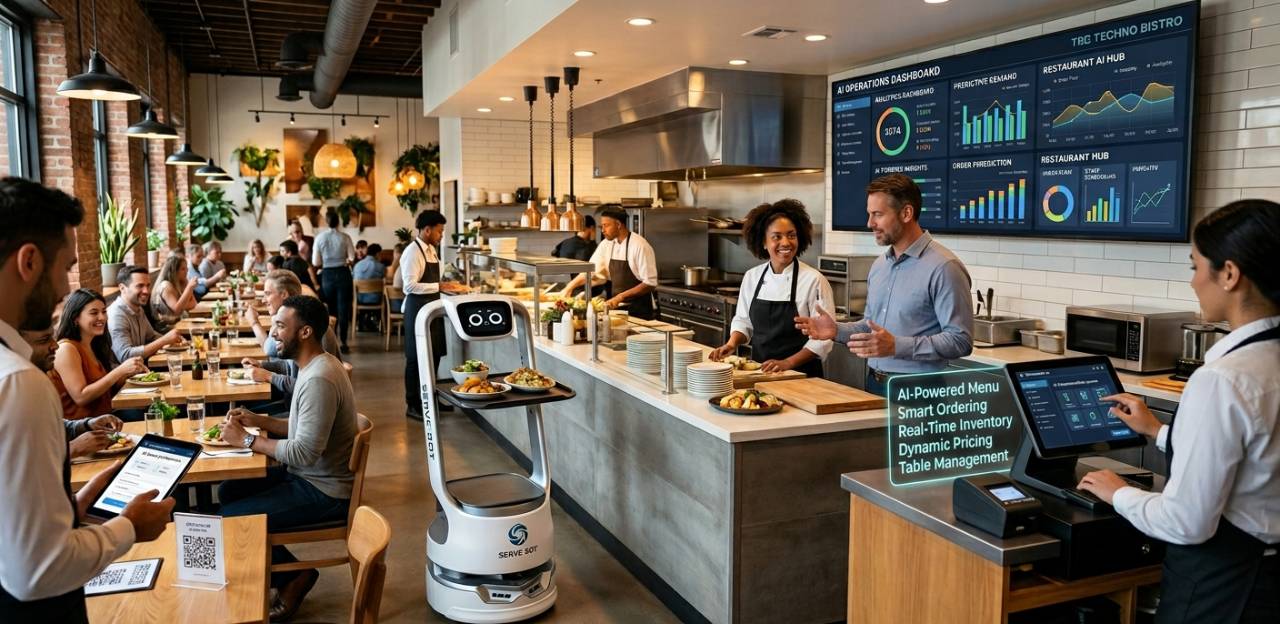
AI Playbook for Restaurant Owners
This AI playbook covers restaurant tools for voice ordering, staffing, compliance, menu pricing, inventory, marketing, ChatGPT prompts, and SEO.
tech
May 15, 2026
This AI playbook covers restaurant tools for voice ordering, staffing, compliance, menu pricing, inventory, marketing, ChatGPT prompts, and SEO.
May 15, 2026
Opening a coffee shop in 2026 requires careful cost planning across rent, equipment, labor, technology, menu strategy, marketing, and sustainability.
May 15, 2026
Hardee’s giant Boddie-Noell inks 31-unit Scooter’s Coffee deal for NC and VA, leveraging drive-thru growth and local roots with rollout over 12–18 months.
May 15, 2026
Wingstop turns match weeks into a multi-sensory festival, aligning bold pop-ups with World Cup energy to build brand affinity and measurable momentum.
May 15, 2026
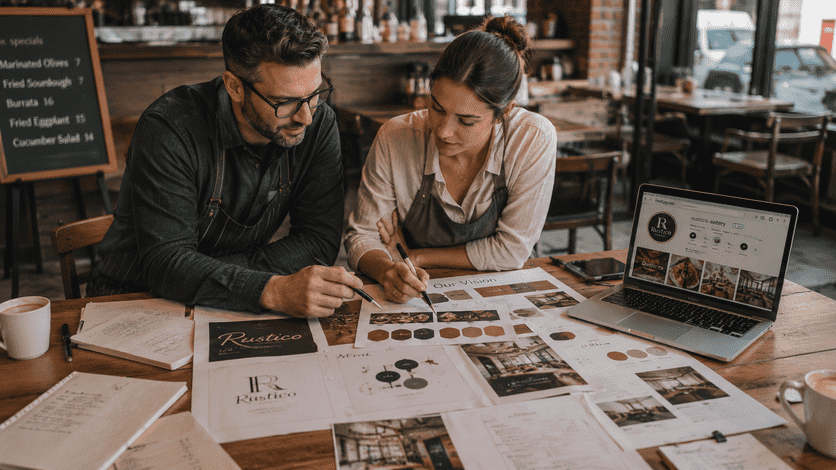
Learn how to develop a memorable restaurant brand identity that stands out in a crowded market, attracts loyal customers, and drives repeat business with actionable strategies and affordable tools.
May 15, 2026
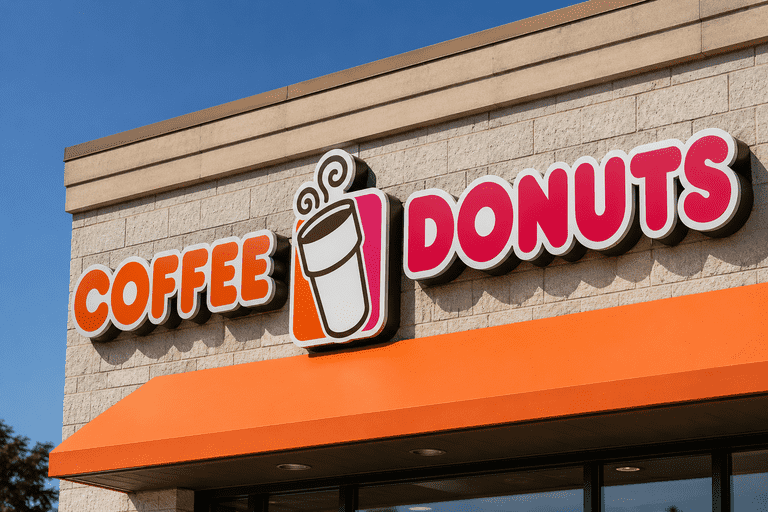
The parent company behind Dunkin', Buffalo Wild Wings, and Arby's has filed for an IPO a move that could reshape how Wall Street views the restaurant sector.
May 15, 2026
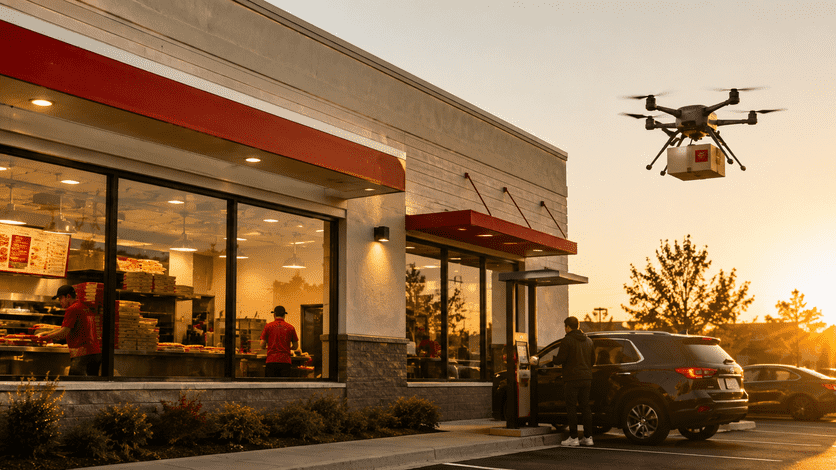
Papa Johns has teamed up with Alphabet's Wing for drone delivery of its new sandwich lineup in parts of Charlotte marking the first partnership of its kind between Wing and a national QSR brand.
May 15, 2026
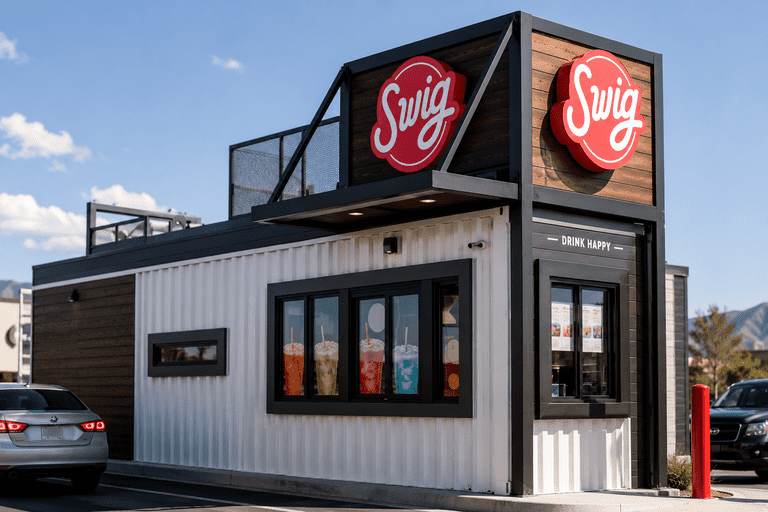
Dirty soda chain Swig is expanding into Colorado through a 10-unit franchise deal, riding a consumer beverage trend that's catching the attention of major QSR players nationwide.
May 15, 2026
A warm, expert-led look at McDonald’s Q1 results, menu makeover, and the refranchise question shaping its growth.
May 14, 2026
A reflective look at Habit Ranch, its immersive desert activation, and what it signals for brand loyalty and mindful, experiential dining.
May 14, 2026

Unlock Exclusive Access To Webinars, Events, And The Latest News For Free!
Mina Haque steers Tony Roma’s toward a leaner, global growth path with smaller formats, menu modernization, and stronger franchise partnerships.
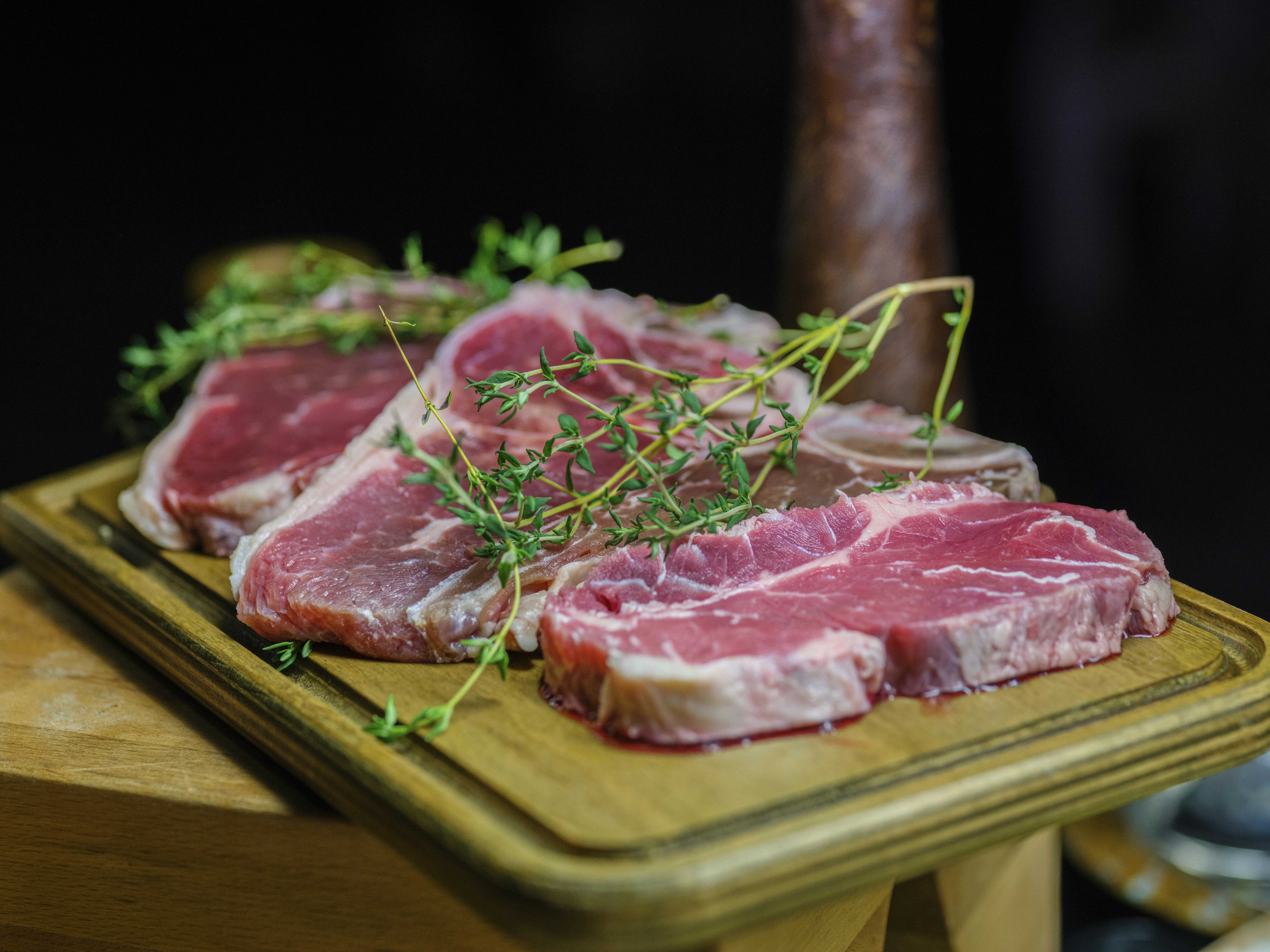
Photo by engin akyurt
Tony Roma’s has spent 54 years perfecting ribs and a casual vibe. Now, a new era begins under Mina Haque, the brand’s first female chief executive. Haque arrived as Romacorp’s outside general counsel in 2021, served as interim CEO in June 2023, and earned the permanent title, signaling a deliberate blend of continuity and evolution. The leadership shift is framed as governance stability with a growth agenda, not a drastic overhaul. It’s a measured move that treats a legacy brand as a living operation, not a museum piece: a chain that can learn while it cooks. The company positions the move as steady progress toward modernized growth and renewed confidence in the brand.
This move isn’t a punchy shakeup; it’s a deliberate call for balance. The board and executive team aim to marry legal due diligence and operational execution to refresh a legacy brand for today’s diner. The public framing emphasizes continuity—same core flavors and service ethos—while quietly advancing a growth plan built on discipline and measured risk. In other words, they are steering toward a 2.0 version that respects the past while forcing a more deliberate path forward.
Turnaround mechanics rest on a cost-conscious, prototype-driven approach. The chain previously faced prohibitive buildout costs—up to $3 million per store. In 2022, Tony Roma’s rolled out a 3,000-square-foot prototype that shaved development costs by roughly 30%, bringing current buildout expenditures to about $1.7 million per unit. It isn’t just cheaper bricks; it’s a faster, more flexible expansion play. The franchisor also lowered franchise fees and widened operator options, easing capital pressure and accelerating international growth. The math is simple: smaller formats, better unit economics, and more repeatable rollouts across markets.
This shift has a practical punchline: lower costs free up capital for expansion, and lower fees tilt the economics in favor of franchisees. By making footprints leaner and processes more repeatable, Tony Roma’s aims to attract new partners and push international growth into a more aggressive phase. It’s a structural change, not a single promo. The result should be clearer unit economics and a steadier cadence of stores opening—especially where the brand’s rib focus resonates most.
Menu innovations are the frontline of the refresh. Tony Roma’s balances tradition with experimentation, introducing items like cauliflower ribs while continuing to lean on crowd-pleasers such as onion loaf, baby back ribs, Memphis burgers, and steak. The approach mirrors Haque’s broader strategic intent: innovate with sustainability in mind, refresh the guest experience, and do so without alienating longtime patrons. Industry observers see the program as part of a larger reinvestment in operations and brand equity designed to reestablish Tony Roma’s as a leading global franchise.
The culinary evolution is paired with operational reinvestment, a deliberate plan to keep the cooking honest while offering new concepts that appeal to today’s diners. The cauliflower rib concept isn’t a gimmick; it’s a test alongside core favorites, designed to gauge appetite for modern sides and lighter protein options. In short, the kitchen becomes a laboratory that respects the rib tradition even as it labs for broader guest appeal and better sustainability metrics.
Reaction to the leadership shift centers on synergistic potential: a CEO with deep legal and organizational experience guiding a brand seeking to harmonize legacy equity with modern operations. Trade press has framed Haque’s leadership as a 2.0 pivot, spotlighting disciplined growth, technology-enabled operations, and a renewed emphasis on franchise partnerships. While the sentiment is positive, observers stress that execution will hinge on keeping franchisees confident, aligning incentives, and delivering tangible improvements in guest experience and profitability.
External recognition, including a Gold Stevie Award in 2025 for organizational recovery, reinforces the credibility of the turnaround narrative. The leadership message remains steady: expand thoughtfully, push technology into the flow of operations, and nurture franchise relationships. That blend—governance wisdom with growth execution—defines the current chapter: a brand seeking to translate history into durable, global momentum.
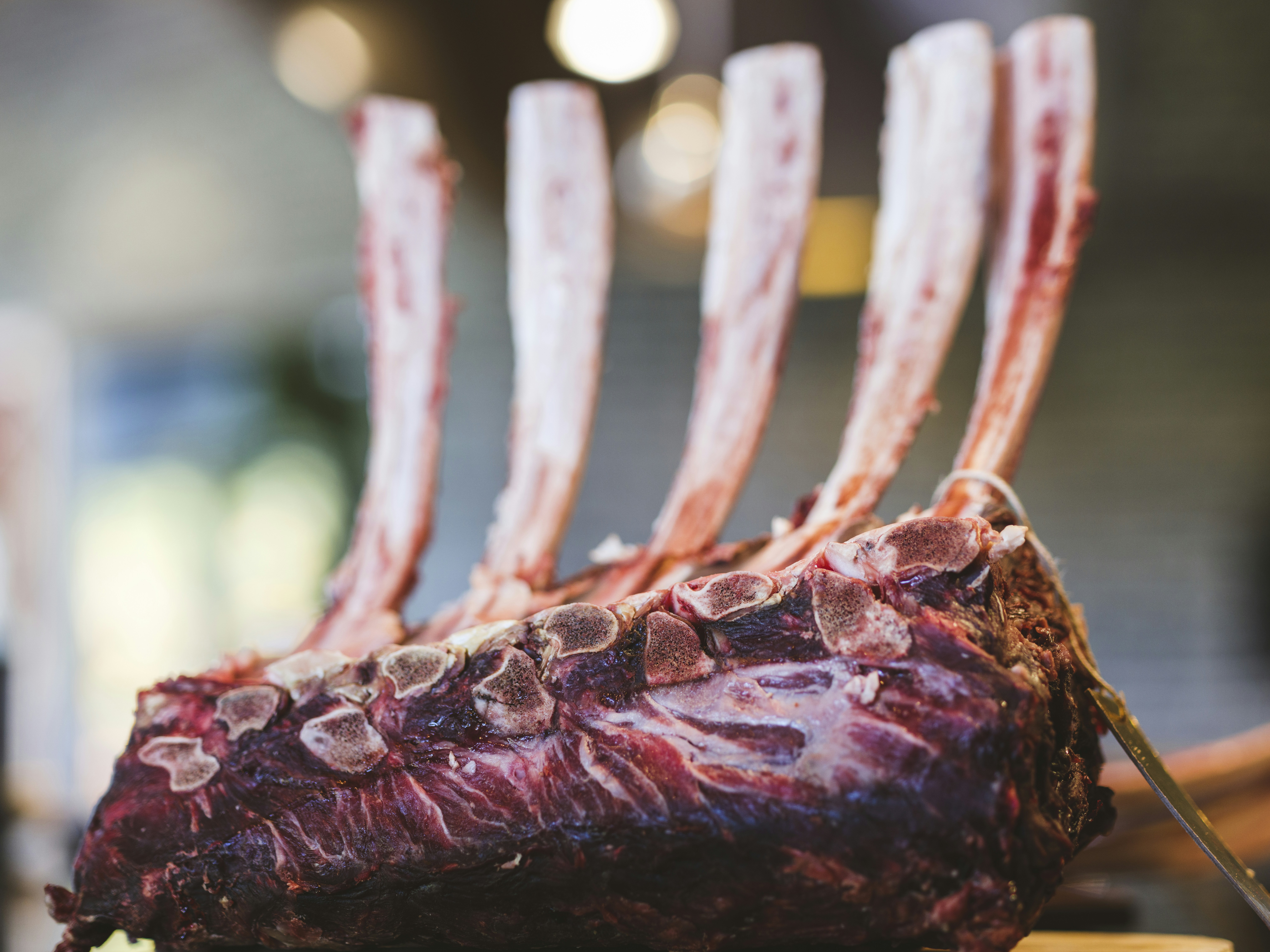
Gaps and uncertainties come with a private, franchised system. Publicly disclosed financials and unit economics are limited by the structure, and execution risk remains as the network absorbs new formats and partnerships. Observers will watch for concrete milestones—expansion counts, improved unit economics, and guest-satisfaction metrics—over the next 12–24 months to gauge whether the 2.0 program delivers sustained profitability and brand momentum across continents.
Still, the momentum is tangible: Haque’s cross-functional background and the brand’s expanding international footprint point to deeper global engagement and ongoing reinvention. If the next two years deliver measurable improvements in guest experience and franchise economics, Tony Roma’s will have earned a credible reboot rather than a temporary pause in rib-sales chatter.