AI Playbook for Restaurant Owners
This AI playbook covers restaurant tools for voice ordering, staffing, compliance, menu pricing, inventory, marketing, ChatGPT prompts, and SEO.
tech
May 15, 2026
This AI playbook covers restaurant tools for voice ordering, staffing, compliance, menu pricing, inventory, marketing, ChatGPT prompts, and SEO.
May 15, 2026

Opening a coffee shop in 2026 requires careful cost planning across rent, equipment, labor, technology, menu strategy, marketing, and sustainability.
May 15, 2026

Hardee’s giant Boddie-Noell inks 31-unit Scooter’s Coffee deal for NC and VA, leveraging drive-thru growth and local roots with rollout over 12–18 months.
May 15, 2026

Wingstop turns match weeks into a multi-sensory festival, aligning bold pop-ups with World Cup energy to build brand affinity and measurable momentum.
May 15, 2026

Learn how to develop a memorable restaurant brand identity that stands out in a crowded market, attracts loyal customers, and drives repeat business with actionable strategies and affordable tools.
May 15, 2026

The parent company behind Dunkin', Buffalo Wild Wings, and Arby's has filed for an IPO a move that could reshape how Wall Street views the restaurant sector.
May 15, 2026

Papa Johns has teamed up with Alphabet's Wing for drone delivery of its new sandwich lineup in parts of Charlotte marking the first partnership of its kind between Wing and a national QSR brand.
May 15, 2026

Dirty soda chain Swig is expanding into Colorado through a 10-unit franchise deal, riding a consumer beverage trend that's catching the attention of major QSR players nationwide.
May 15, 2026

A warm, expert-led look at McDonald’s Q1 results, menu makeover, and the refranchise question shaping its growth.
May 14, 2026

A reflective look at Habit Ranch, its immersive desert activation, and what it signals for brand loyalty and mindful, experiential dining.
May 14, 2026

Unlock Exclusive Access To Webinars, Events, And The Latest News For Free!
Tijuana Flats pivots to franchising after bankruptcy, blending nostalgia with bold new strategy under Latitude Food Group.
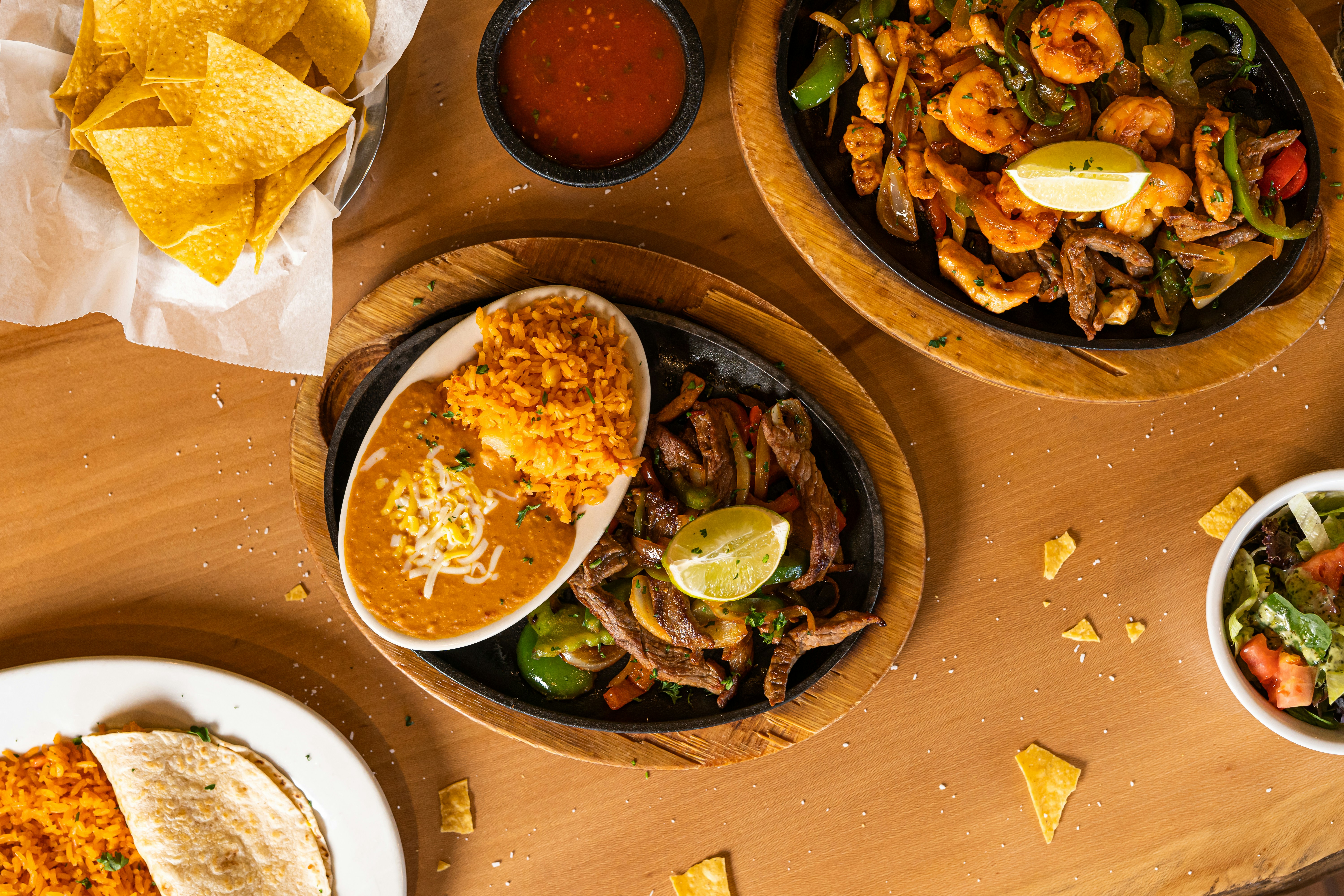
Photo by Hybrid Storytellers
The mood in the dining room has changed at Tijuana Flats. Where uncertainty once hovered, now there’s a quietly hopeful energy as the chain, long anchored in Florida’s sun‑drenched neighborhoods, readies itself for a new chapter. Since Latitude Food Group (LFG) took the reins after a careful acquisition by &pizza in late 2025, the brand’s vision has softened the sting of its recent troubles and opened the door to fresh opportunity.
The heart of the new plan: refranchising. Out of 95 locations, most of which are company‑owned, LFG will open these units to motivated franchisees seeking to nurture their own piece of the Tijuana Flats story. The new owners won’t go it alone; about 20 percent of restaurants will remain corporate, preserving a comforting sense of consistency and operational touchstone.
For guests who linger over their Tex‑Mex favorites, little is changing on the surface. But behind the kitchen doors, there’s a gentle recalibration, one designed to balance growth’s reach with nurturing the brand’s core soul.
The motivation for this shift is rooted firmly in survival’s bittersweet lessons. Not so long ago, Tijuana Flats faced the necessary discomfort of bankruptcy—shedding nearly forty locations with the help of turnaround specialist James Greco. In the space left behind, LFG found a way to quietly stitch its brands together, blending the backbone of its operations across both Tijuana Flats and &pizza. Payroll, HR, even back‑office routines now hum thanks to shared efficiencies.
This “asset‑light” strategy is about careful expansion over reckless sprawl. LFG aims to hold roughly 20% of units as their own, ensuring franchisees always have a working example of what good looks like. It’s structure with softness—and the hope is that the math adds up not just for LFG, but for every ambitious franchisee that comes in from the warmth of the Florida sun.
Forged through crisis, the leaner support system lets both brands operate with a kind of cozy intensity—trimming corporate bulk but preserving the inviting heart that longtime fans expect.
Change, for Tijuana Flats, isn’t a disruptive force, but a gentle hand guiding the brand into the future. The practical rollout centers on prized Florida markets—Miami, Orlando, Tampa, Jacksonville, Palm Beach, Fort Myers—where company‑owned stores are being opened to new franchisees dedicated to multi‑unit growth. Some restaurants will remain corporate, acting like anchor homes amid the bustle, ensuring standards are felt rather than enforced.
Menu pricing, too, gets a careful touch. Years of brand research revealed that some markets were simply overpriced, while others lingered behind, under-valued. LFG’s responsive plan will lower prices in overheated regions, and softly nudge them up where the brand’s value outpaces the ticket.
With menu updates—including a few nostalgic returns—promised just ahead of Cinco de Mayo, there’s a sense that the past is being honored alongside the promise of what’s next. Delivery is also being gently nudged homeward, away from third-party platforms and into the brand’s own digital arms, protecting margins and deepening the guest relationship.
There’s a palpable energy in how LFG CEO Mike Burns frames this moment—one that feels as invigorating as it is approachable. “Latitude Food Group”, he explains, was chosen deliberately, the acronym LFG doubling as a rallying cry among the team. But the connection is more than slogan-deep. The operational overlap between &pizza and Tijuana Flats has sparked a particularly cozy innovation: a protein-forward menu designed for guests on emerging wellness journeys, with anchor items like a $12 Protein Pie and $14 Protein Salad, brimming with gentle satiety from chicken, chickpeas, and goat cheese.
Burns paints the brands as siblings: “Protein and fiber are things we do quite well at &pizza and Tijuana Flats,” he said, showing how gentle cross-brand pollination can bring warmth and relevance to everyday operations.
You can sense the relief woven into Tijuana Flats’ newly structured foundation. The Chapter 11 filing in April 2024 felt, at the time, like an end. Yet what actually transpired was a slow, careful narrowing—closing underperforming stores one by one, and resolving the accounting tangle that had kept growth on the sidelines. By March 2025, the slate had been gently wiped clean: debt restructured for breathing room, and administrative processes compressed for clarity.
The result is subtle, but vital: a stripped-down, inviting foundation from which new franchisees can step confidently into ownership, with LFG lighting the way and sharing that steady warmth.
There’s comfort in knowing you’re not alone in change. The Tijuana Flats franchise model nestles right within a larger pattern reverberating through the restaurant world: asset-light, franchise-focused growth. Sister brand &pizza launched its own franchise model in 2025, with ambitions to cozy up in new cities from Orlando to Charleston—and possibly scale as high as 300 locations by 2030.
Franchisees are being offered an especially inviting deal—the chance to operate multiple brands under one shared roof of support. LFG hints gently at more to come, with the possibility of folding regional favorites into its nurturing embrace, giving franchise partners a diverse and resilient family.
Even in the coziest dining rooms, a touch of uncertainty lingers. Key questions remain for Tijuana Flats as it embarks on this franchise-forward journey. For one, the specifics of franchisee deals—the pricing, royalties, and first cohort of partners—are still being quietly worked out, just below the surface.
The risk in scaling back corporate support to a leaner shape is real: will the whisper of brand standards reach every far-flung unit? Early menu tweaks and price calibrations conjure excitement, but their steadying effect on local communities is yet unproven. The gentle overhaul of delivery—away from third parties and into brand-run channels—must win over hearts and habits before savings appear on the balance sheet.
Sometimes, the warmest plans still need a little time to prove out in real-world kitchens. That sense of easy patience seems baked into LFG’s approach.
There’s no denying the gentle ambition humming through Tijuana Flats as it pivots to franchising, guided by the steady hands at Latitude Food Group. The table is set: leaner operations, back-end unity, research-driven menus, and a refranchising plan all hint at new comfort for owners and guests alike. That blend of structure and ease reflects the brand’s deeper hospitality—always adjusting, gently, to what communities need.
As the coming months unfold—with menu updates arriving like familiar songs and new franchisees stepping through their own soft openings—the true test will be whether this gentle pivot inspires guests and operators to linger, savor, and claim a slice of Tijuana Flats’ second act. In comfort dining, after all, the best moments often arrive quietly, and the real magic is in the return.