How Much Does It Cost to Open a Coffee Shop in 2026?
Opening a coffee shop in 2026 requires careful cost planning across rent, equipment, labor, technology, menu strategy, marketing, and sustainability.
operations
May 15, 2026
Opening a coffee shop in 2026 requires careful cost planning across rent, equipment, labor, technology, menu strategy, marketing, and sustainability.
May 15, 2026

This AI playbook covers restaurant tools for voice ordering, staffing, compliance, menu pricing, inventory, marketing, ChatGPT prompts, and SEO.
May 15, 2026

Hardee’s giant Boddie-Noell inks 31-unit Scooter’s Coffee deal for NC and VA, leveraging drive-thru growth and local roots with rollout over 12–18 months.
May 15, 2026

Wingstop turns match weeks into a multi-sensory festival, aligning bold pop-ups with World Cup energy to build brand affinity and measurable momentum.
May 15, 2026

The parent company behind Dunkin', Buffalo Wild Wings, and Arby's has filed for an IPO a move that could reshape how Wall Street views the restaurant sector.
May 15, 2026

Learn how to develop a memorable restaurant brand identity that stands out in a crowded market, attracts loyal customers, and drives repeat business with actionable strategies and affordable tools.
May 15, 2026

Dirty soda chain Swig is expanding into Colorado through a 10-unit franchise deal, riding a consumer beverage trend that's catching the attention of major QSR players nationwide.
May 15, 2026

Papa Johns has teamed up with Alphabet's Wing for drone delivery of its new sandwich lineup in parts of Charlotte marking the first partnership of its kind between Wing and a national QSR brand.
May 15, 2026

A warm, expert-led look at McDonald’s Q1 results, menu makeover, and the refranchise question shaping its growth.
May 14, 2026

A reflective look at Habit Ranch, its immersive desert activation, and what it signals for brand loyalty and mindful, experiential dining.
May 14, 2026

Unlock Exclusive Access To Webinars, Events, And The Latest News For Free!
A thoughtful look at how fast-service restaurants are embedding safety into infrastructure through cameras, lighting, guards, and real-time communications.
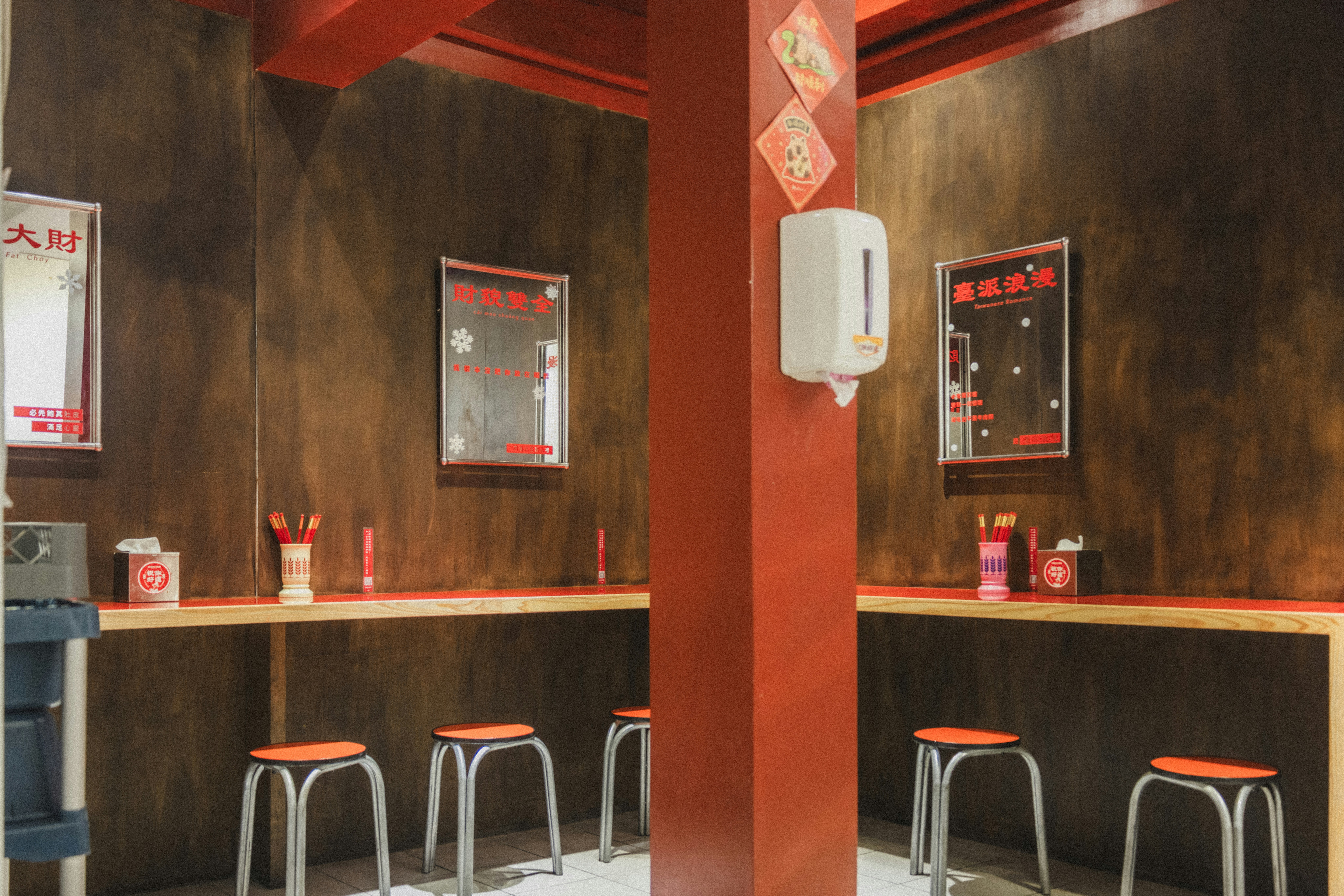
Photo by Lee Milo
In the fast lane of quick-service dining, speed and crowding create a delicate balancing act. Safety has emerged not as an add-on but as a strategic backbone—an operating principle that sustains daily operations, guest trust, and staff welfare. In bustling, high-traffic spaces, the risk of chaos, crime, or emergencies remains constant, and operators are learning that robust security is essential to keep doors open and to protect the experience diners expect. A layered approach—where people, technology, and protocols work in harmony—offers a thoughtful, nourishing dining environment. The question is what that layered system looks like in practice.
At its core, a layered model combines technology, trained personnel, and real-time communication. Observers describe safety as infrastructure—planned, funded, and continually refined—so that when the dining room swells, the operation stays calm. A well-orchestrated security ecosystem reduces disruptions, accelerates recovery from incidents, and underpins loyalty by preserving a sense of care. In 2026, the industry notes, this safety-first stance aligns with broader trends toward technology-enabled resilience, even when margins are tight. It’s not about fear; it’s about enabling a smooth, confident service where guests and teams can focus on nourishment.