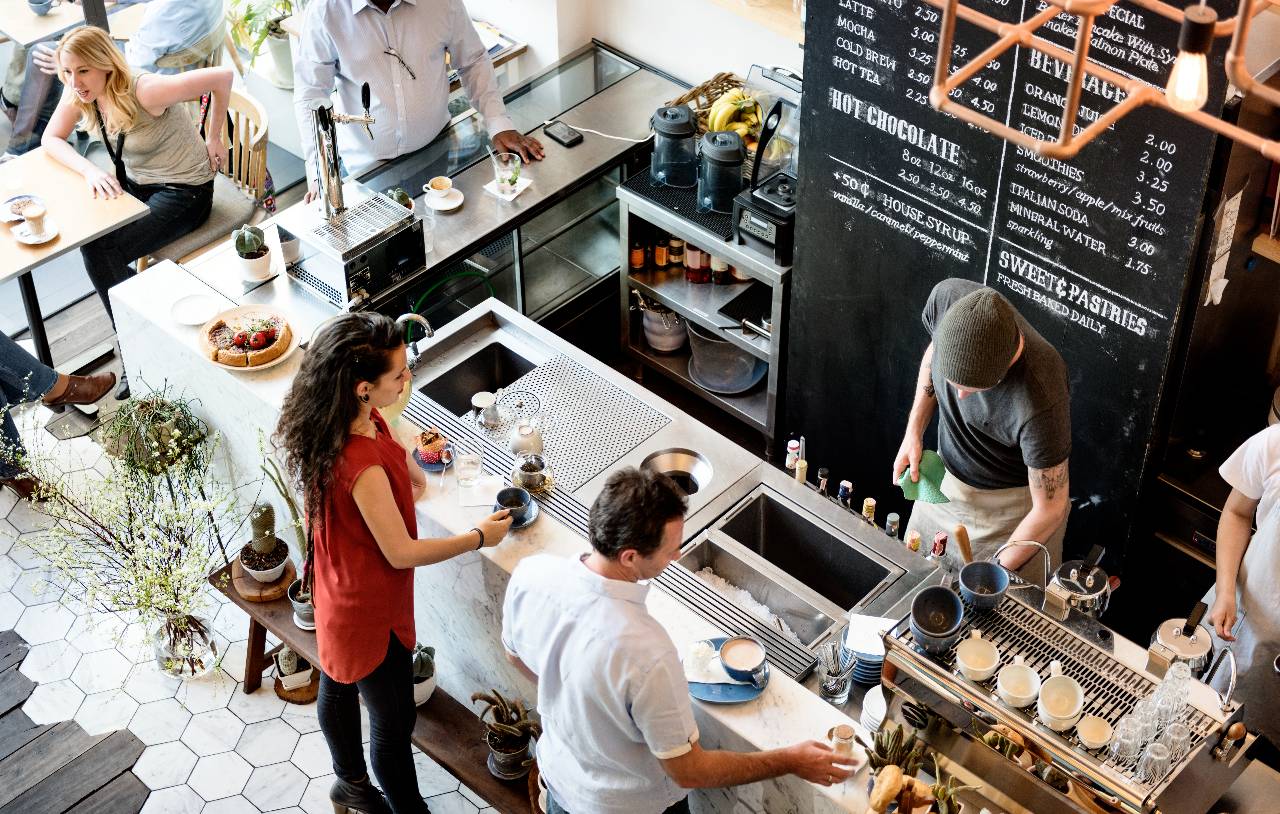
How Much Does It Cost to Open a Coffee Shop in 2026?
Opening a coffee shop in 2026 requires careful cost planning across rent, equipment, labor, technology, menu strategy, marketing, and sustainability.
operations
May 15, 2026
Opening a coffee shop in 2026 requires careful cost planning across rent, equipment, labor, technology, menu strategy, marketing, and sustainability.
May 15, 2026
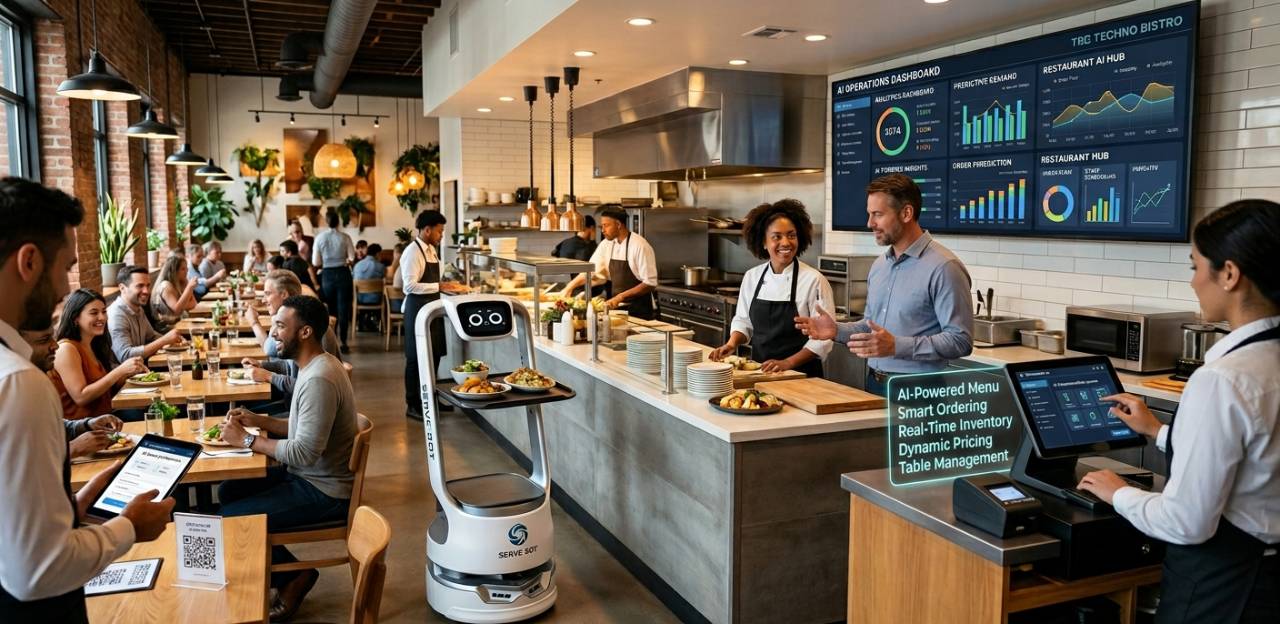
This AI playbook covers restaurant tools for voice ordering, staffing, compliance, menu pricing, inventory, marketing, ChatGPT prompts, and SEO.
May 15, 2026
Hardee’s giant Boddie-Noell inks 31-unit Scooter’s Coffee deal for NC and VA, leveraging drive-thru growth and local roots with rollout over 12–18 months.
May 15, 2026
Wingstop turns match weeks into a multi-sensory festival, aligning bold pop-ups with World Cup energy to build brand affinity and measurable momentum.
May 15, 2026
The parent company behind Dunkin', Buffalo Wild Wings, and Arby's has filed for an IPO a move that could reshape how Wall Street views the restaurant sector.
May 15, 2026
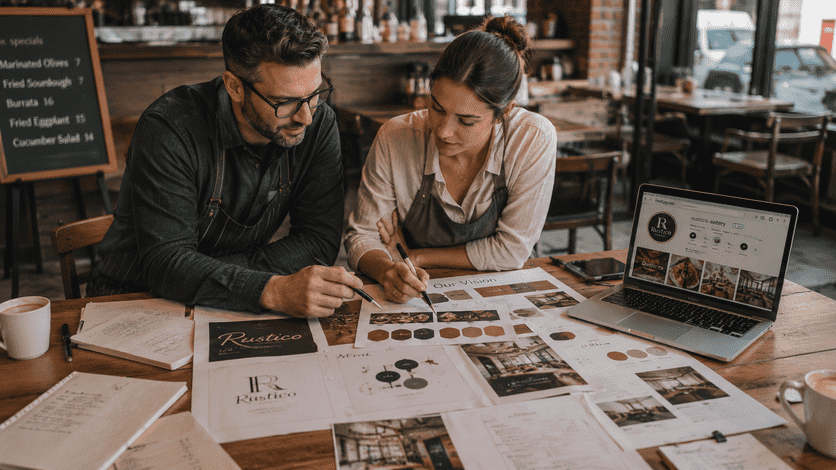
Learn how to develop a memorable restaurant brand identity that stands out in a crowded market, attracts loyal customers, and drives repeat business with actionable strategies and affordable tools.
May 15, 2026
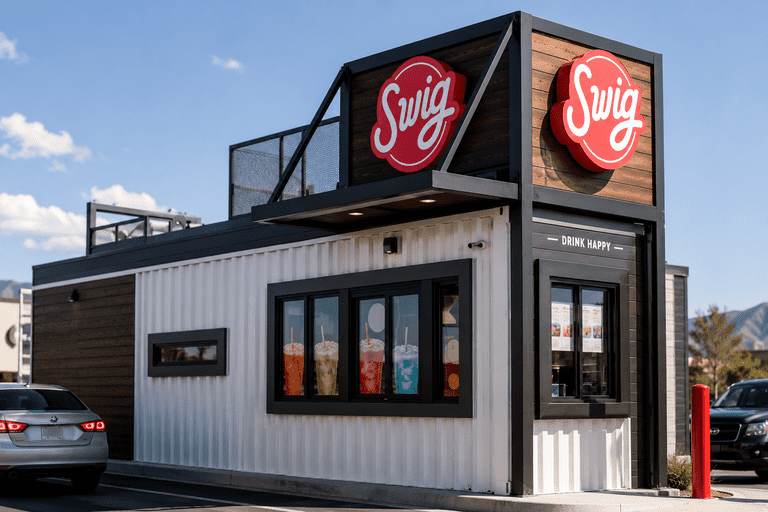
Dirty soda chain Swig is expanding into Colorado through a 10-unit franchise deal, riding a consumer beverage trend that's catching the attention of major QSR players nationwide.
May 15, 2026
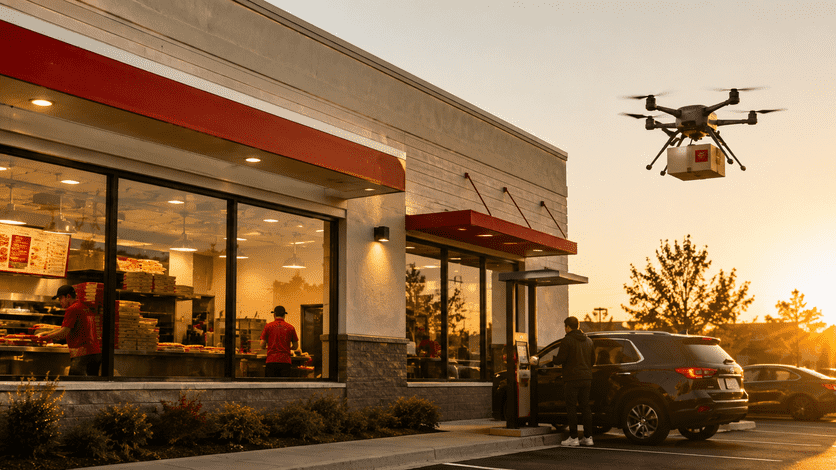
Papa Johns has teamed up with Alphabet's Wing for drone delivery of its new sandwich lineup in parts of Charlotte marking the first partnership of its kind between Wing and a national QSR brand.
May 15, 2026
A warm, expert-led look at McDonald’s Q1 results, menu makeover, and the refranchise question shaping its growth.
May 14, 2026
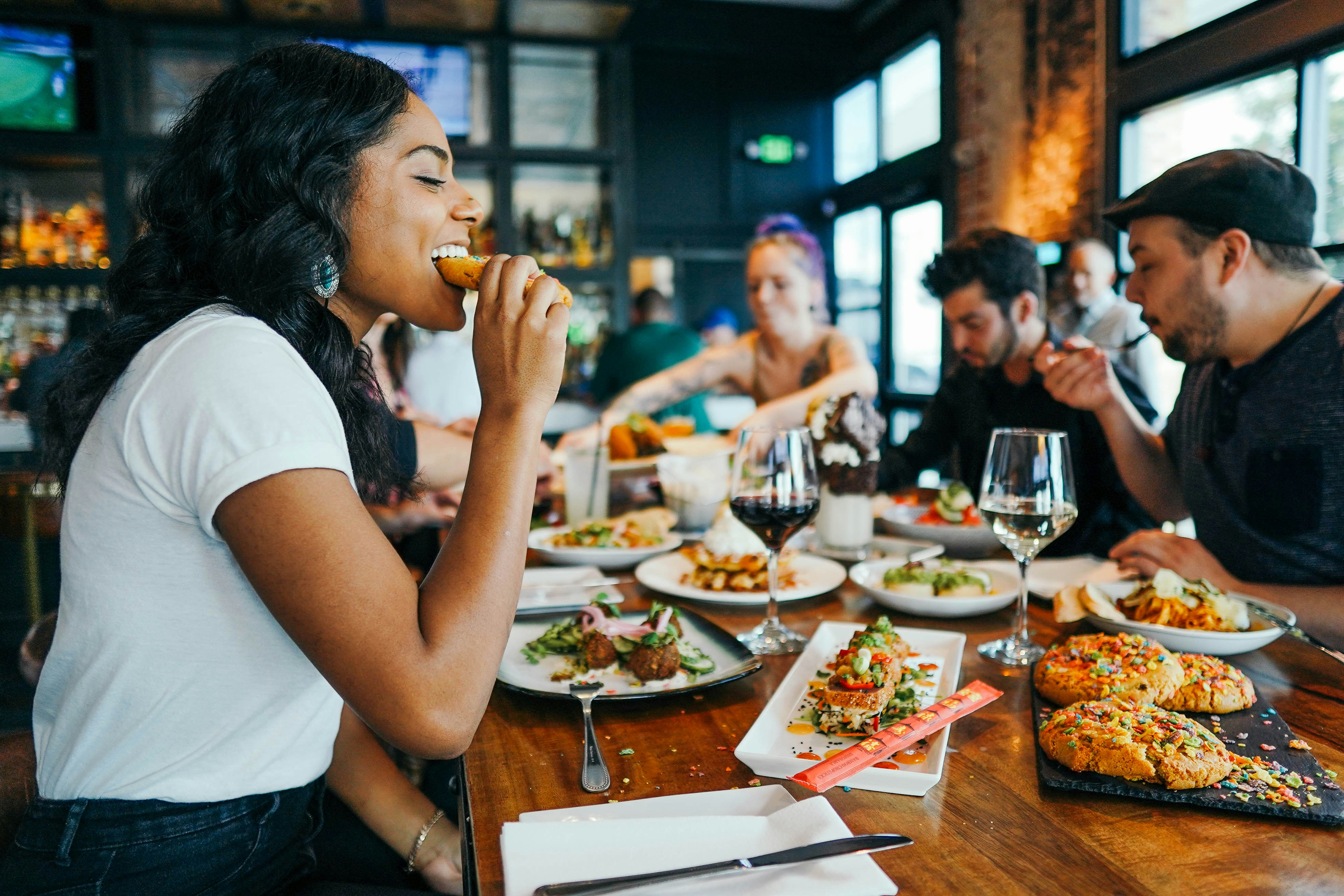
A reflective look at Habit Ranch, its immersive desert activation, and what it signals for brand loyalty and mindful, experiential dining.
May 14, 2026

Unlock Exclusive Access To Webinars, Events, And The Latest News For Free!
Explore how White Castle's collaboration with Coco and Uber Eats in deploying delivery robots is revolutionizing the food industry.
White Castle's initiative to introduce Coco's robots in their high-traffic locations aims to streamline their operational processes by reducing the complexities associated with third-party delivery systems. By employing robots to handle deliveries, White Castle can eliminate potential delays caused by human drivers and alleviate congestion, enhancing overall throughput and service speed.
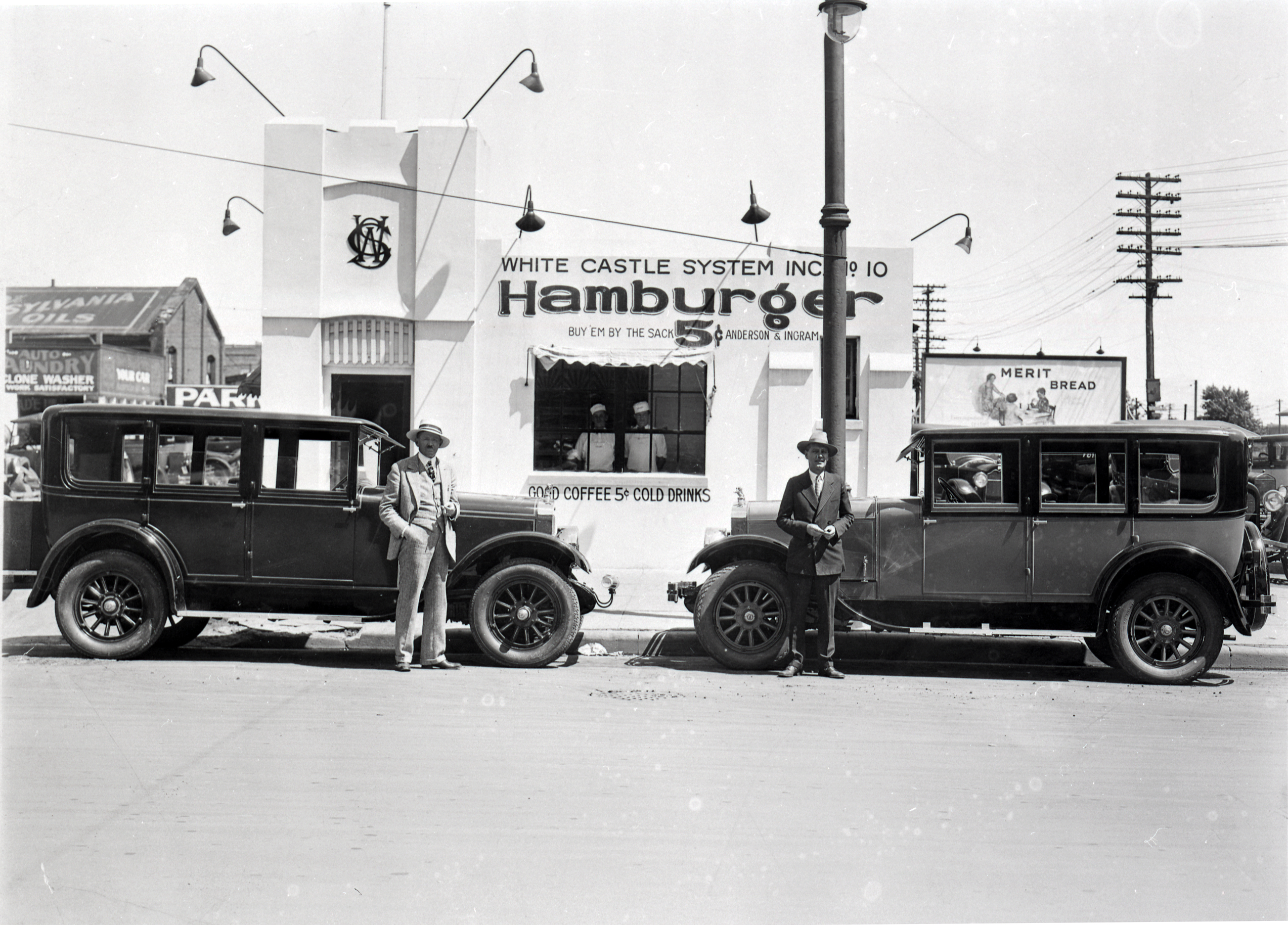
The integration of delivery robots not only accelerates service but also improves the quality of customer experience. By partnering with Coco and Uber Eats, White Castle can pair customers directly with robots through the app, ensuring a seamless and efficient delivery process without additional fees or intermediaries. This direct engagement enhances convenience and reduces wait times for customers.
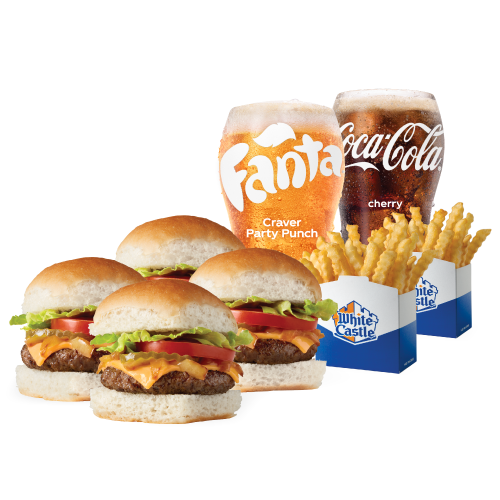
While the use of delivery robots by White Castle represents a significant step towards automation in the food industry, it also reflects a broader trend in the market. Major players like Uber Eats are increasingly exploring robotic delivery solutions to enhance their service offerings and remain competitive. With companies like Shake Shack and DoorDash also venturing into robotic partnerships, the widespread adoption of automated delivery systems is on the horizon.
Despite the promising prospects of robotic delivery services, challenges such as revenue generation and cost-efficiency persist in this evolving landscape. While Coco and Serve Robotics are expanding their fleet of delivery bots, the profitability of such capital-intensive operations remains uncertain. As seen in Serve's financial report, the segment is still grappling with revenue limitations, indicating the need for further innovation and optimization to ensure sustainable growth.