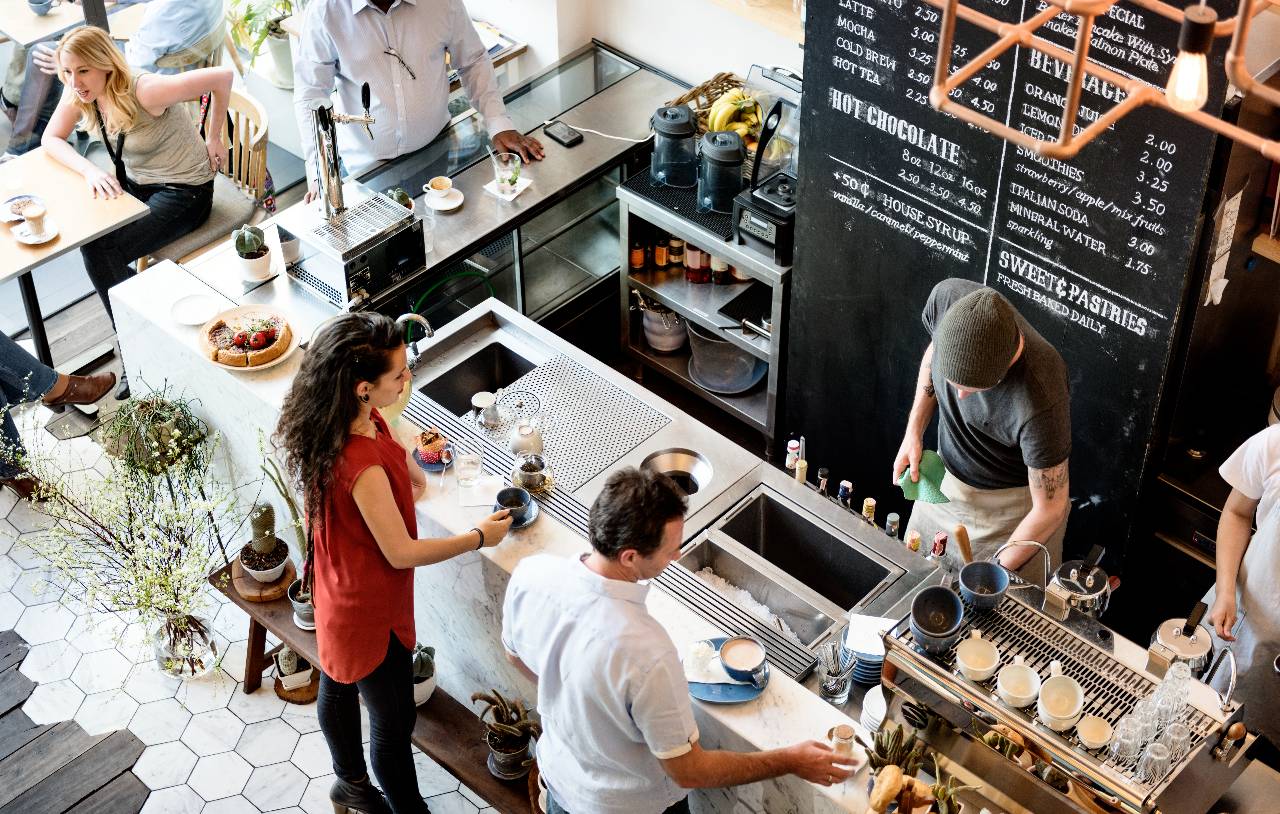
How Much Does It Cost to Open a Coffee Shop in 2026?
Opening a coffee shop in 2026 requires careful cost planning across rent, equipment, labor, technology, menu strategy, marketing, and sustainability.
operations
May 15, 2026
Opening a coffee shop in 2026 requires careful cost planning across rent, equipment, labor, technology, menu strategy, marketing, and sustainability.
May 15, 2026
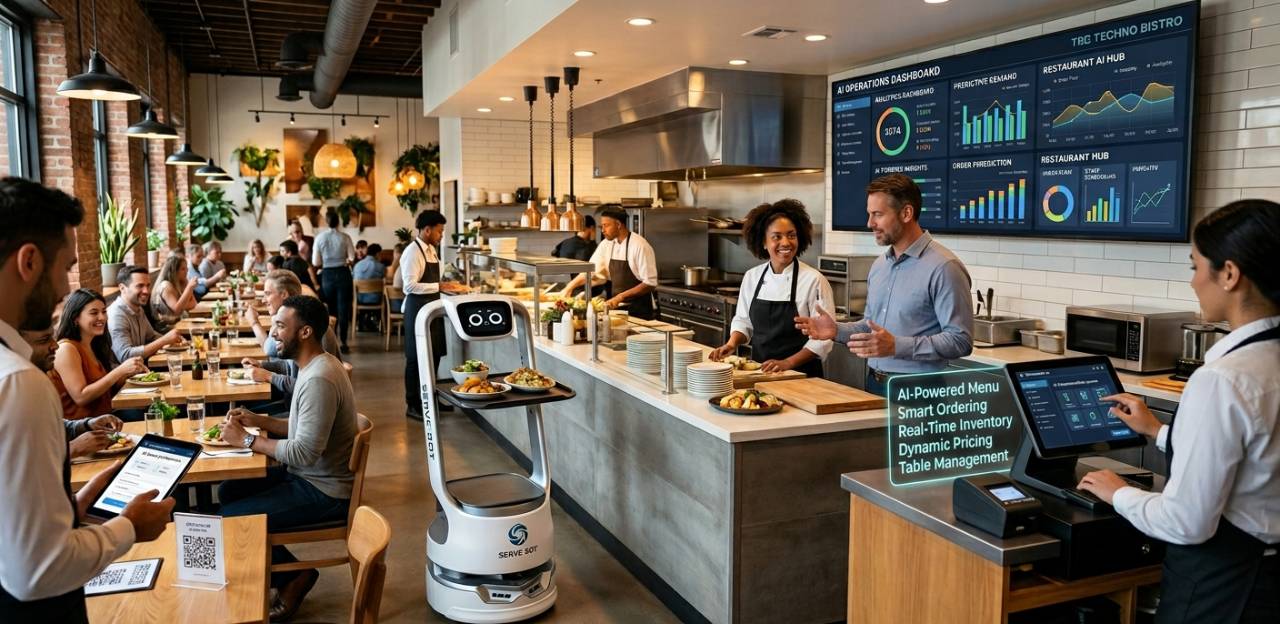
This AI playbook covers restaurant tools for voice ordering, staffing, compliance, menu pricing, inventory, marketing, ChatGPT prompts, and SEO.
May 15, 2026
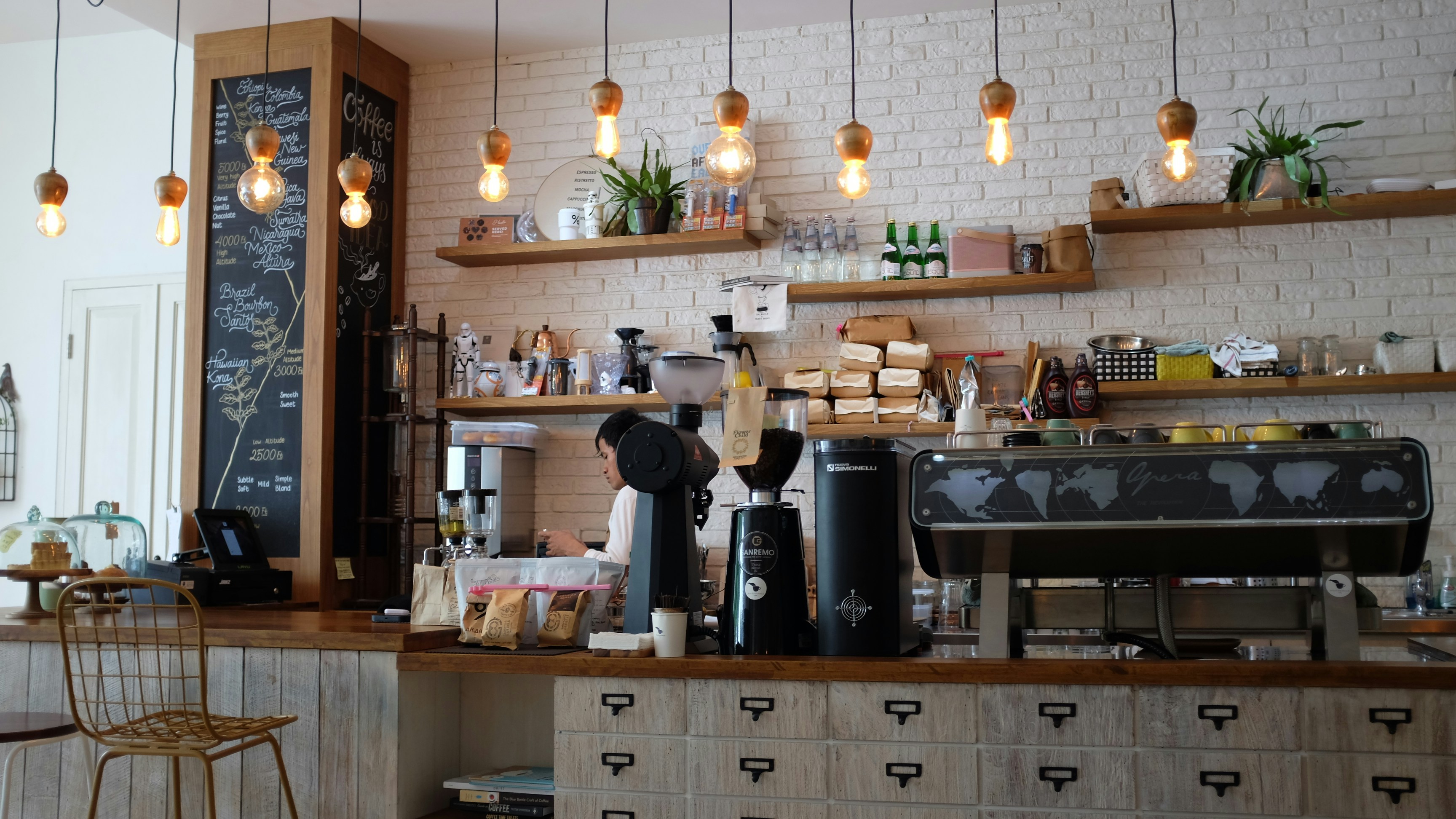
Hardee’s giant Boddie-Noell inks 31-unit Scooter’s Coffee deal for NC and VA, leveraging drive-thru growth and local roots with rollout over 12–18 months.
May 15, 2026
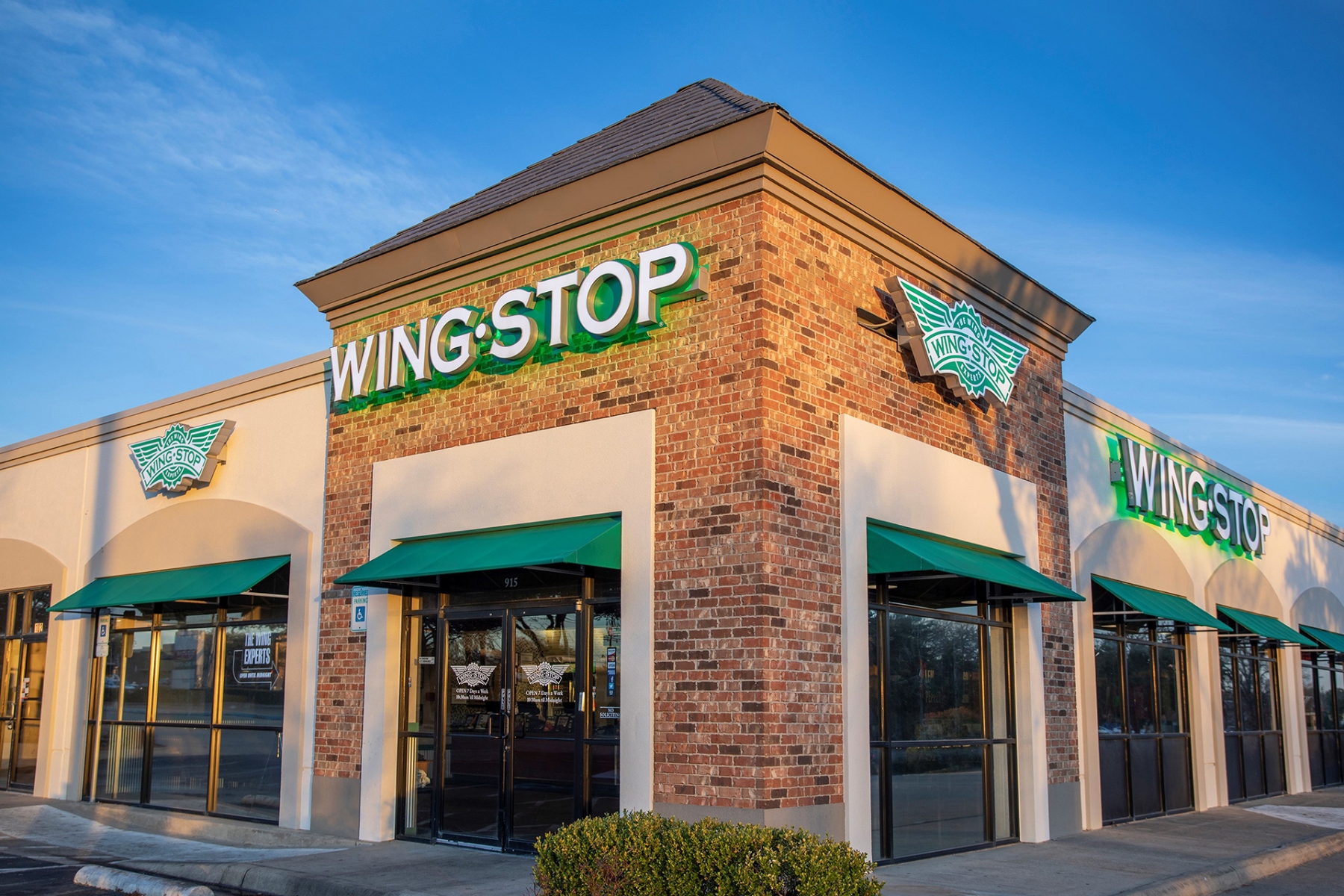
Wingstop turns match weeks into a multi-sensory festival, aligning bold pop-ups with World Cup energy to build brand affinity and measurable momentum.
May 15, 2026
The parent company behind Dunkin', Buffalo Wild Wings, and Arby's has filed for an IPO a move that could reshape how Wall Street views the restaurant sector.
May 15, 2026

Learn how to develop a memorable restaurant brand identity that stands out in a crowded market, attracts loyal customers, and drives repeat business with actionable strategies and affordable tools.
May 15, 2026
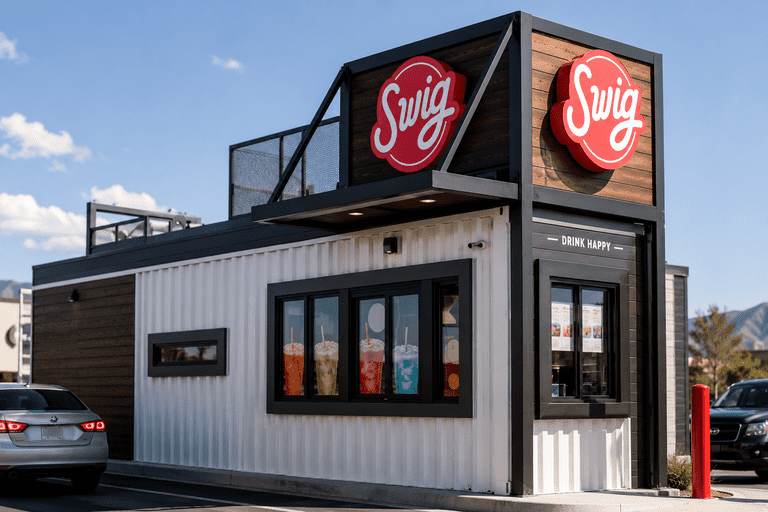
Dirty soda chain Swig is expanding into Colorado through a 10-unit franchise deal, riding a consumer beverage trend that's catching the attention of major QSR players nationwide.
May 15, 2026
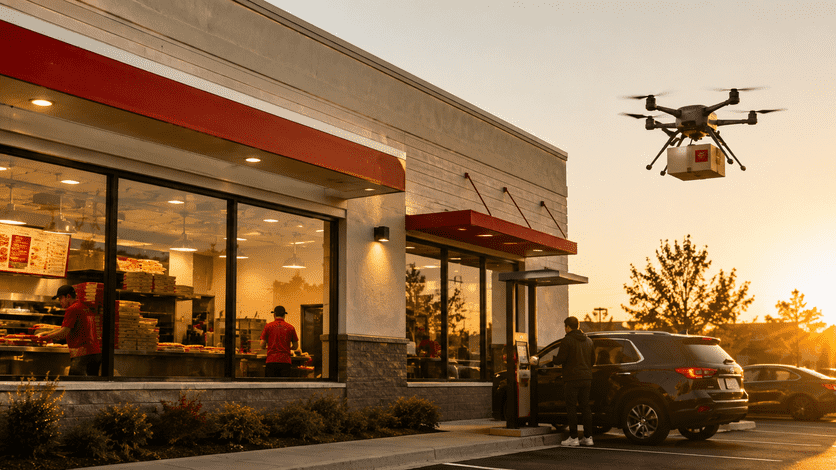
Papa Johns has teamed up with Alphabet's Wing for drone delivery of its new sandwich lineup in parts of Charlotte marking the first partnership of its kind between Wing and a national QSR brand.
May 15, 2026
A warm, expert-led look at McDonald’s Q1 results, menu makeover, and the refranchise question shaping its growth.
May 14, 2026
A reflective look at Habit Ranch, its immersive desert activation, and what it signals for brand loyalty and mindful, experiential dining.
May 14, 2026

Unlock Exclusive Access To Webinars, Events, And The Latest News For Free!
Explore how digital engagement and brand strategy are propelling chicken chains like Wingstop and Raising Cane's to success, while KFC faces challenges in the market.

Photo by Josh Withers
The success of Wingstop and Raising Cane's in the highly competitive food industry can be attributed to their robust digital engagement and strategic media approaches. By leveraging digital platforms and innovative media strategies, these brands have significantly increased consumer spend. Raising Cane's collaboration with Post Malone for custom restaurants and Wingstop's partnership with the NBA have played crucial roles in enhancing brand visibility and attracting younger audiences, particularly Gen Z, who are heavy users of digital media.
The surge in consumer spending on chicken chains reflects a broader trend in the food industry towards chicken as a preferred protein option. According to industry experts, the growth in chicken servings is not merely due to a shift in consumer preferences but is more about effective brand strategy and value creation for customers. Menu innovations, especially in staple items like chicken sandwiches, have consistently driven growth for these chains, showcasing the importance of staying relevant and innovative in a competitive market.
Photo by Josh Withers
Despite being a dominant player in the fast-food industry, KFC has been experiencing challenges in maintaining sales growth compared to emerging competitors like Chick-fil-A, Popeyes, and Wingstop. While KFC still holds a significant market share, its struggles with buyer penetration and generating buzz highlight the competitive nature of the market. Efforts to position itself as a value-oriented brand have not yielded the desired results, prompting strategic changes within the organization to reinvigorate the brand.

Photo by Josh Withers
For chicken chains looking to replicate the success of brands like Wingstop and Raising Cane's, focusing on digital engagement, strategic partnerships, and menu innovation should be key priorities. The ability to connect with younger demographics through social media and influencers, as seen in the case of Post Malone's collaboration with Raising Cane's, can significantly boost brand visibility and consumer engagement. Additionally, investing in tech-driven concepts and repositioning the brand to meet evolving consumer preferences are essential strategies for sustained growth in the competitive food market.