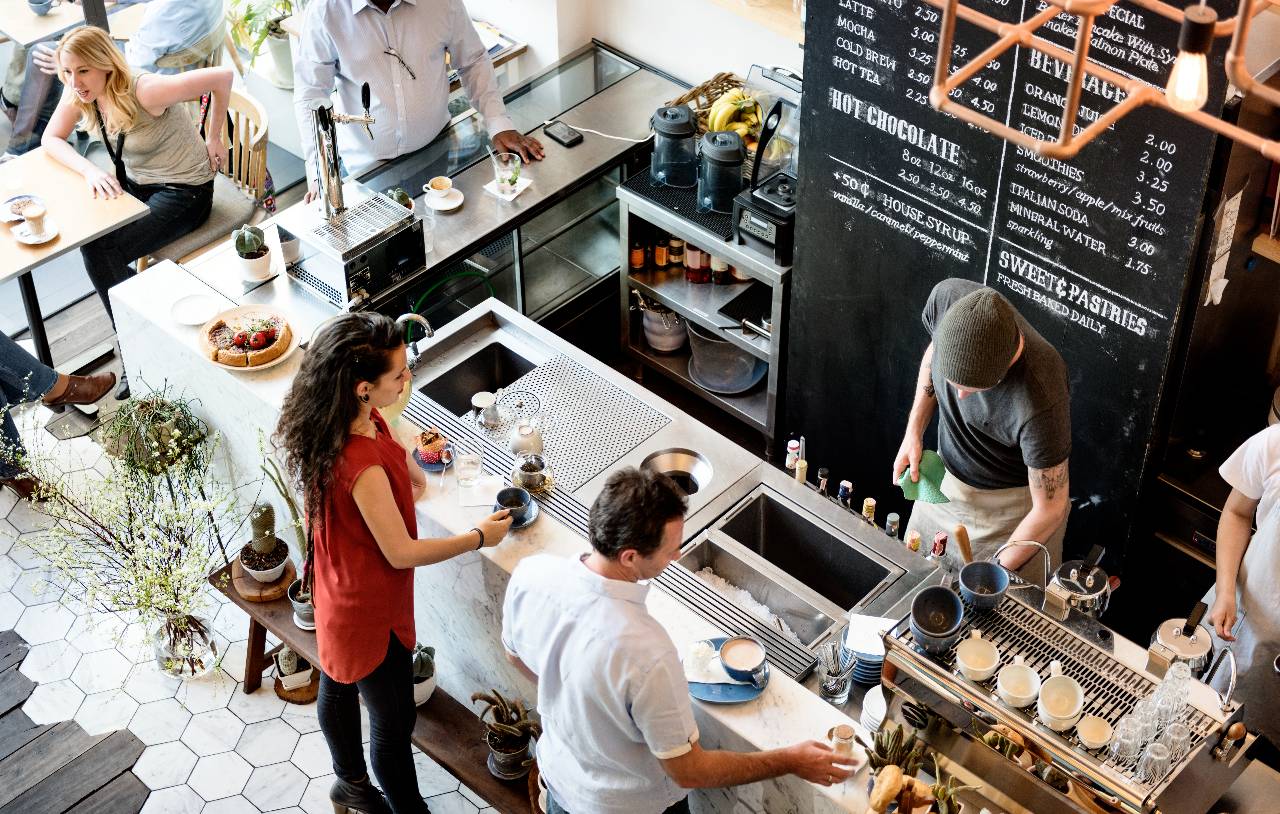
How Much Does It Cost to Open a Coffee Shop in 2026?
Opening a coffee shop in 2026 requires careful cost planning across rent, equipment, labor, technology, menu strategy, marketing, and sustainability.
operations
May 15, 2026
Opening a coffee shop in 2026 requires careful cost planning across rent, equipment, labor, technology, menu strategy, marketing, and sustainability.
May 15, 2026
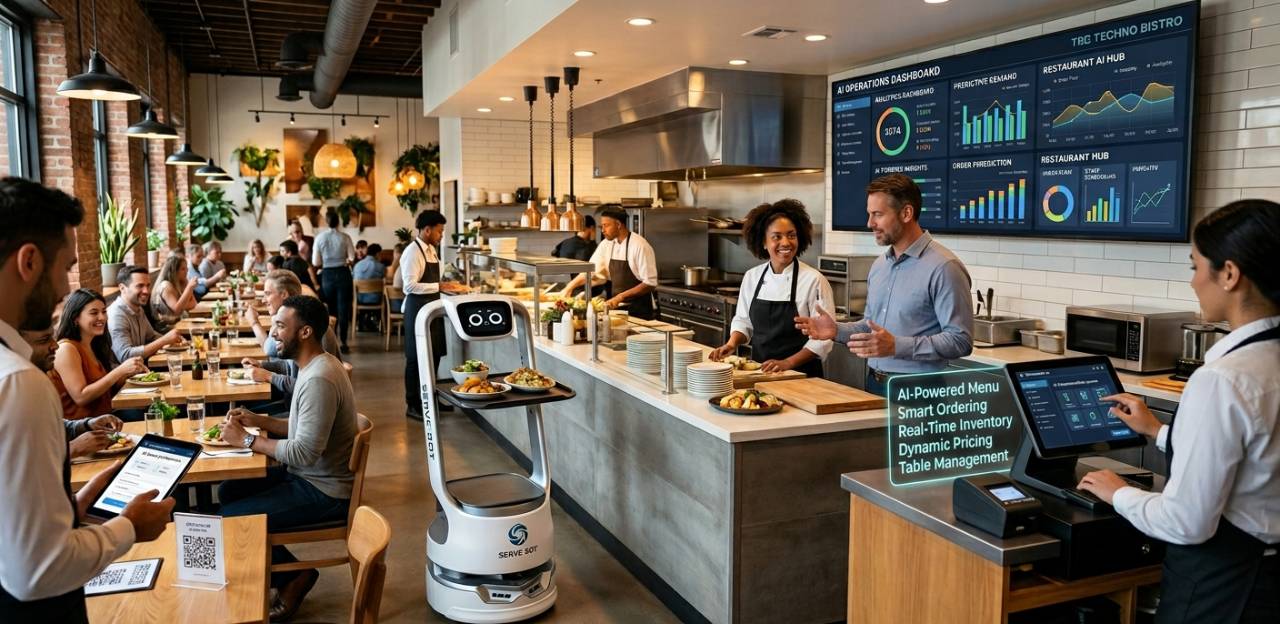
This AI playbook covers restaurant tools for voice ordering, staffing, compliance, menu pricing, inventory, marketing, ChatGPT prompts, and SEO.
May 15, 2026
Hardee’s giant Boddie-Noell inks 31-unit Scooter’s Coffee deal for NC and VA, leveraging drive-thru growth and local roots with rollout over 12–18 months.
May 15, 2026
Wingstop turns match weeks into a multi-sensory festival, aligning bold pop-ups with World Cup energy to build brand affinity and measurable momentum.
May 15, 2026
The parent company behind Dunkin', Buffalo Wild Wings, and Arby's has filed for an IPO a move that could reshape how Wall Street views the restaurant sector.
May 15, 2026

Learn how to develop a memorable restaurant brand identity that stands out in a crowded market, attracts loyal customers, and drives repeat business with actionable strategies and affordable tools.
May 15, 2026
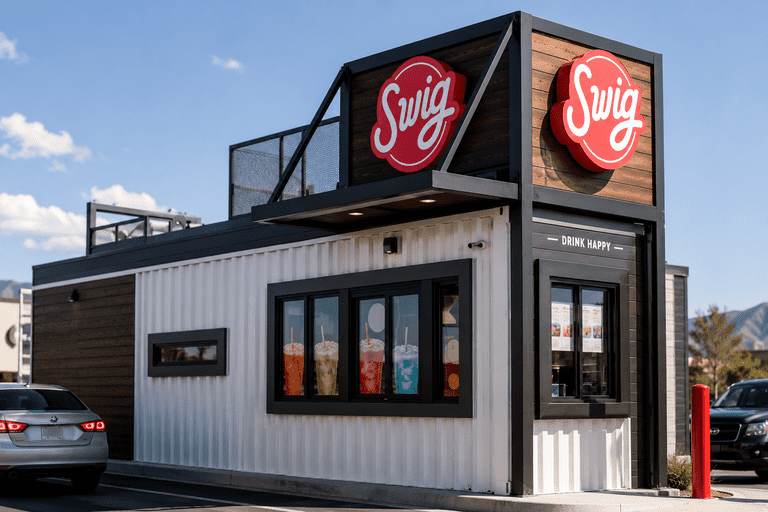
Dirty soda chain Swig is expanding into Colorado through a 10-unit franchise deal, riding a consumer beverage trend that's catching the attention of major QSR players nationwide.
May 15, 2026
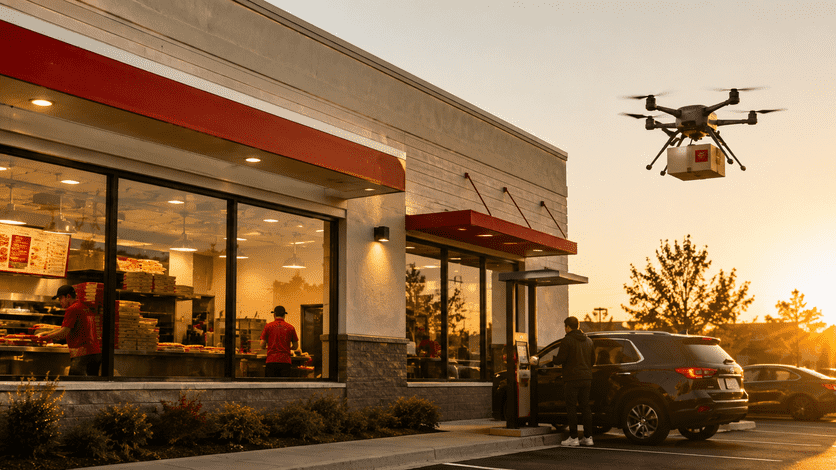
Papa Johns has teamed up with Alphabet's Wing for drone delivery of its new sandwich lineup in parts of Charlotte marking the first partnership of its kind between Wing and a national QSR brand.
May 15, 2026
A warm, expert-led look at McDonald’s Q1 results, menu makeover, and the refranchise question shaping its growth.
May 14, 2026
A reflective look at Habit Ranch, its immersive desert activation, and what it signals for brand loyalty and mindful, experiential dining.
May 14, 2026

Unlock Exclusive Access To Webinars, Events, And The Latest News For Free!
Explore the journey of On the Border restaurant chain from its growth in the 1990s to its recent bankruptcy filing, revealing the challenges faced in the competitive restaurant industry.
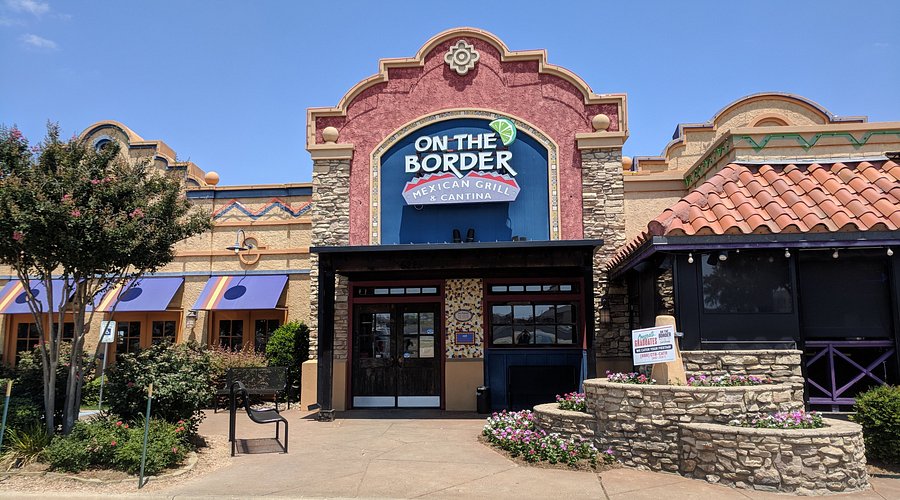
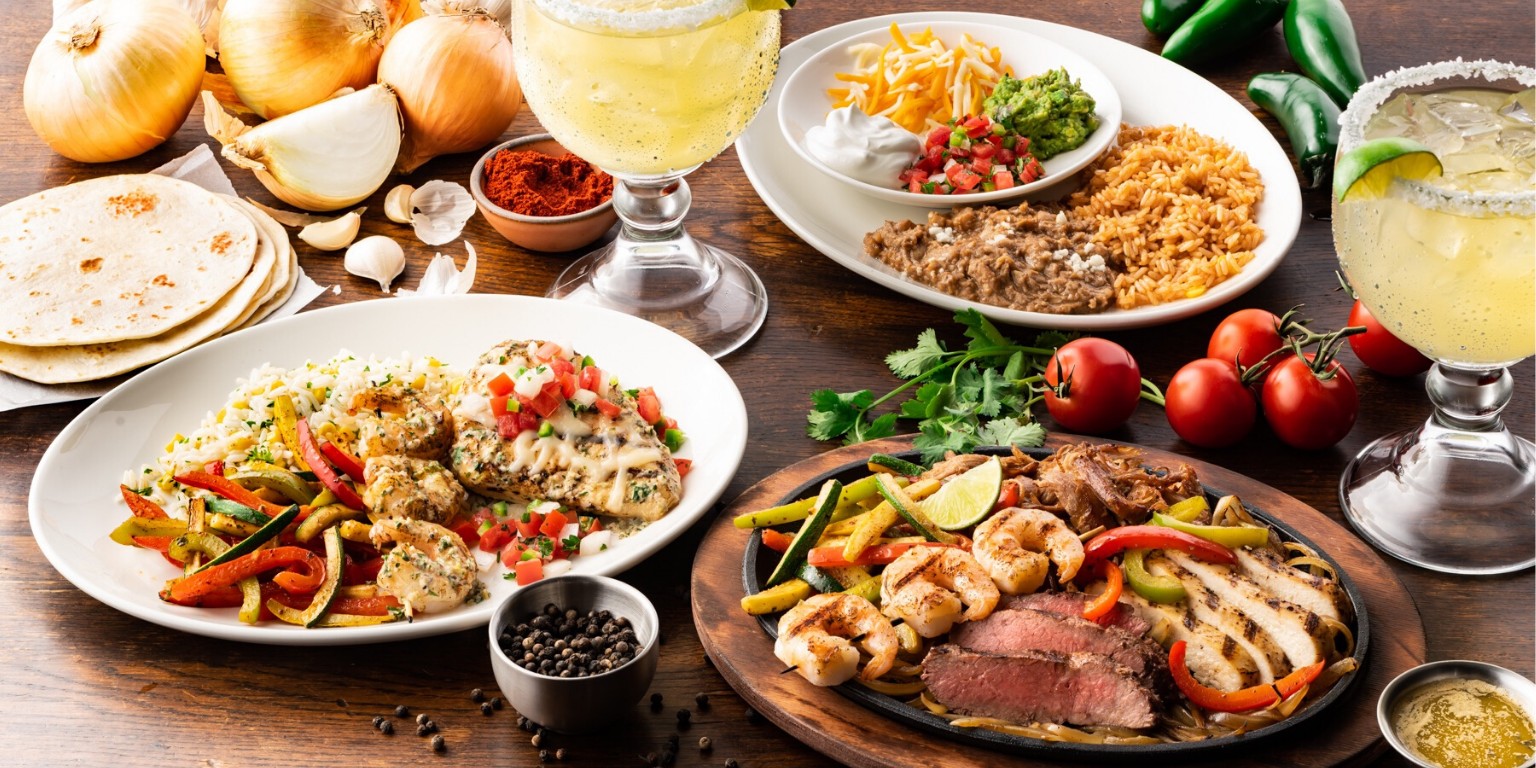
On the Border, a renowned Mexican food chain, embarked on its journey in 1982 in Dallas, Texas. With a menu featuring mesquite-grilled fajitas, margaritas, and endless chips and salsa, the restaurant quickly gained popularity. Expanding both domestically and internationally, the chain caught the attention of Brinker International, which acquired On the Border in 1994. By 2001, the brand boasted 100 locations in the US and later ventured into the South Korean market in 2007 through franchising partnerships.
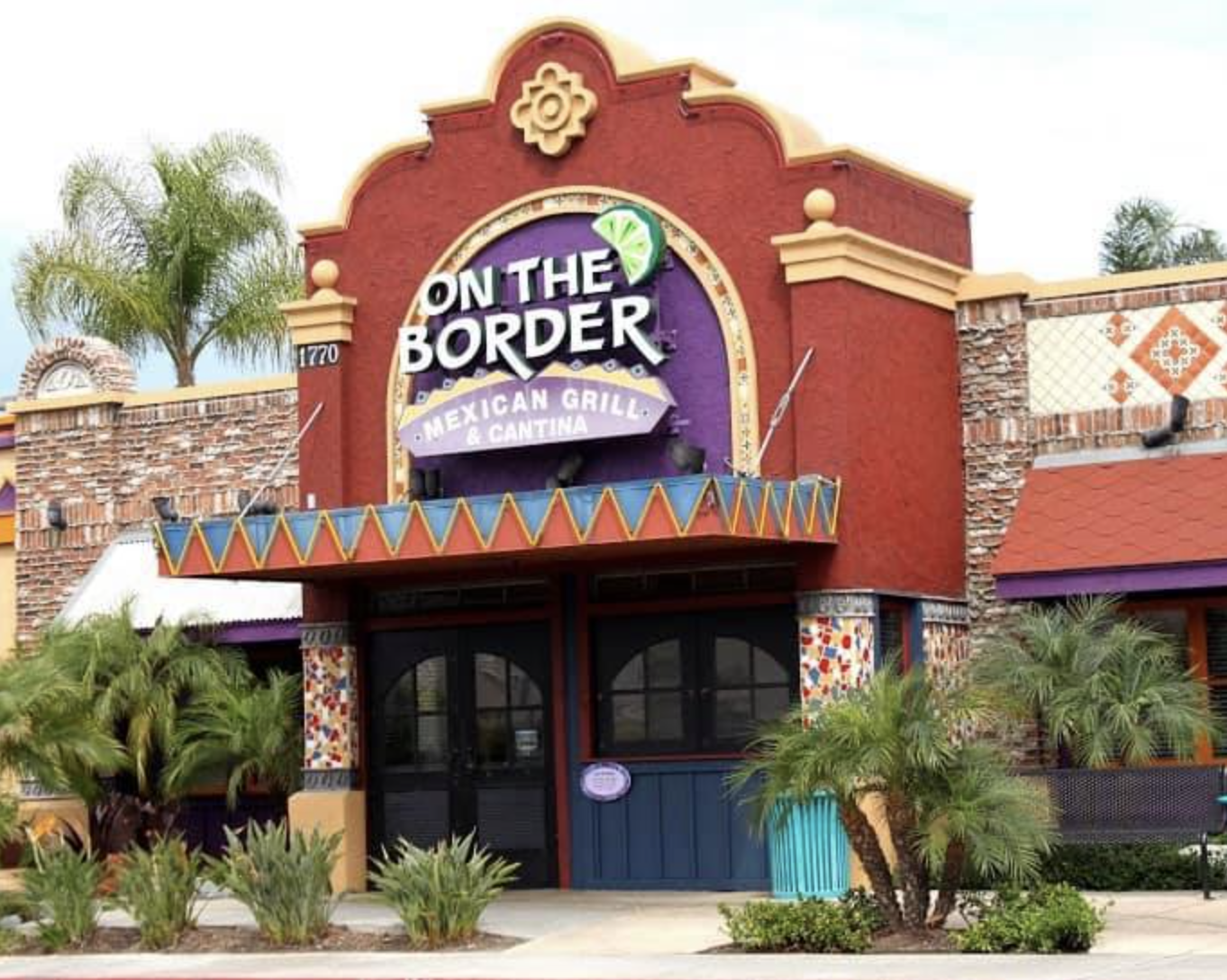
The trajectory of On the Border took a turn in 2010 when Brinker International sold the 160-unit chain to Golden Gate Capital. Subsequent ownership transfers in 2014 to Border Holdings, linked to Argonne Capital Group, marked another chapter in the brand's history. In the midst of these transitions, Utz's acquisition of the rights to manufacture chips and dips under the On the Border brand in 2020 added another layer to the company's operations.
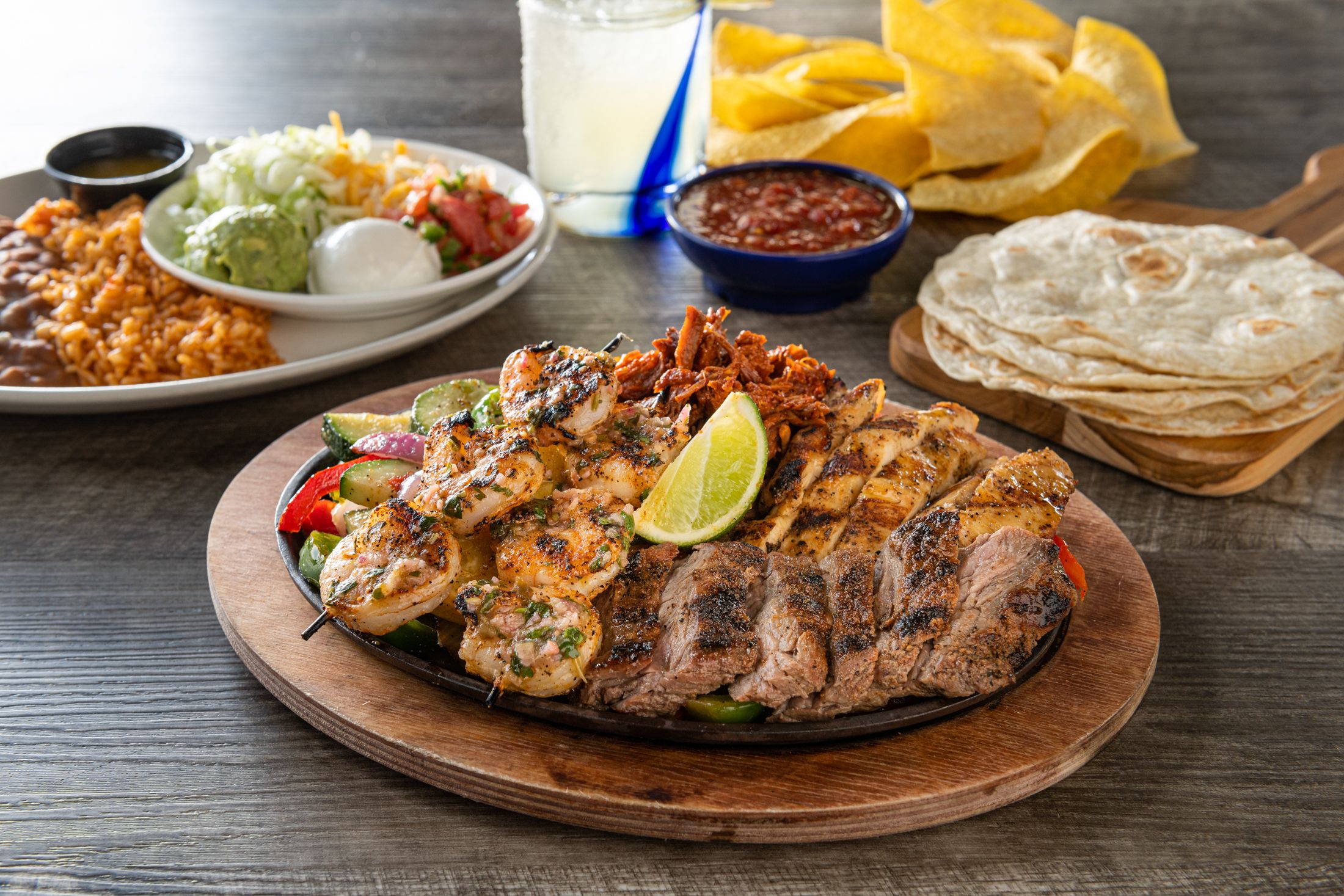
Despite its early success, On the Border faced challenges associated with macroeconomic factors impacting the restaurant industry. Rising menu prices outpacing grocery costs led to a decline in consumer dining out habits. Moreover, wage increases outstripping the company's ability to adjust prices added further strain on profit margins. Issues with workforce recruitment and retention further hampered operational efficiency, culminating in the closure of 40 underperforming locations in February 2021.
The financial strain on On the Border became evident with over $25 million spent on leases, with a significant portion allocated to underperforming locations. As the company grappled with liquidity challenges, it resorted to delaying vendor and rent payments to manage cash flow. This dire situation led to landlords and vendors taking drastic measures, including store closures and repossessions, exacerbating the operational hurdles. Consequently, the chain had to file for Chapter 11 bankruptcy to navigate its financial turmoil.
Looking ahead, On the Border aims to navigate its bankruptcy proceedings with the support of CrossFirst, its expected debtor-in-possession lender. By initiating a stalking horse asset purchase agreement and inviting competitive bids through a robust marketing process, the company seeks a path to financial recovery. As bidding procedures are set to commence in early April, the future of On the Border hinges on strategic restructuring and alignment with evolving market demands.