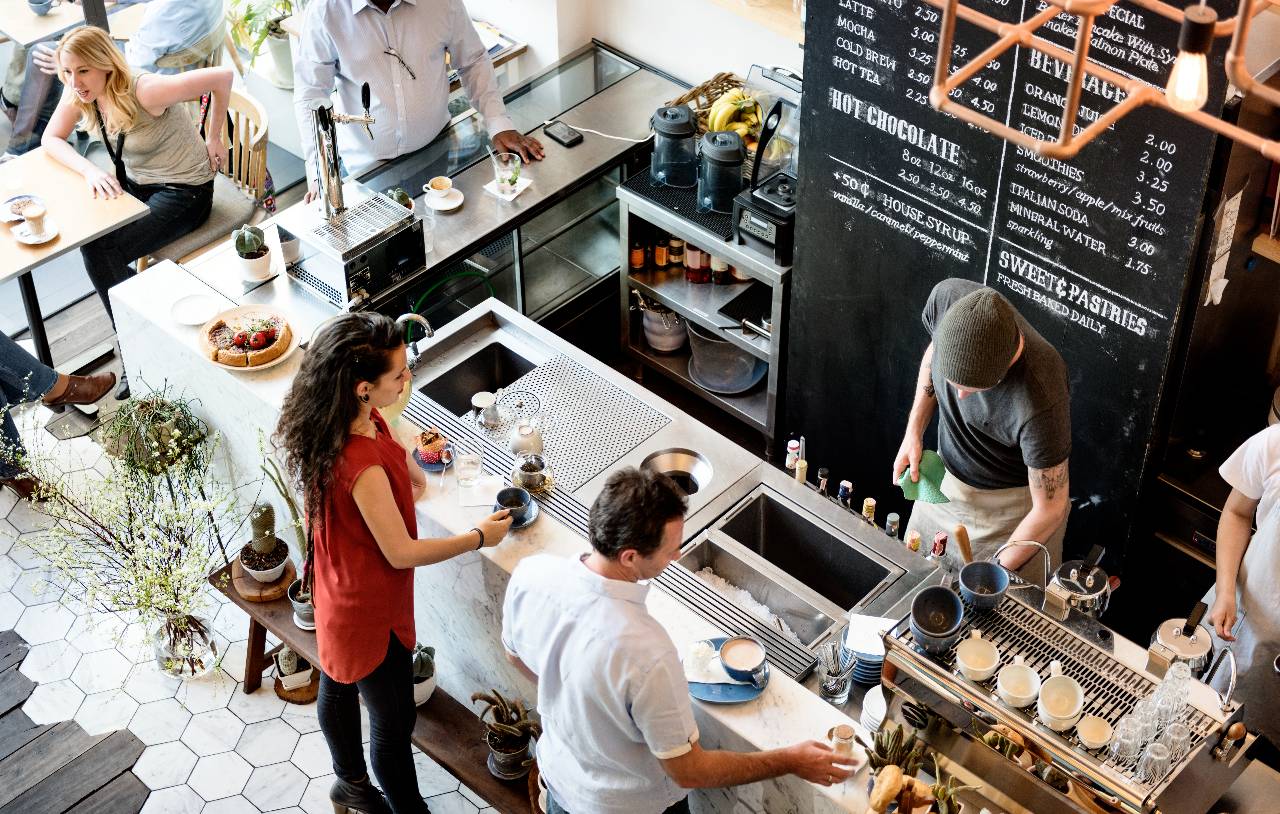
How Much Does It Cost to Open a Coffee Shop in 2026?
Opening a coffee shop in 2026 requires careful cost planning across rent, equipment, labor, technology, menu strategy, marketing, and sustainability.
operations
May 15, 2026
Opening a coffee shop in 2026 requires careful cost planning across rent, equipment, labor, technology, menu strategy, marketing, and sustainability.
May 15, 2026
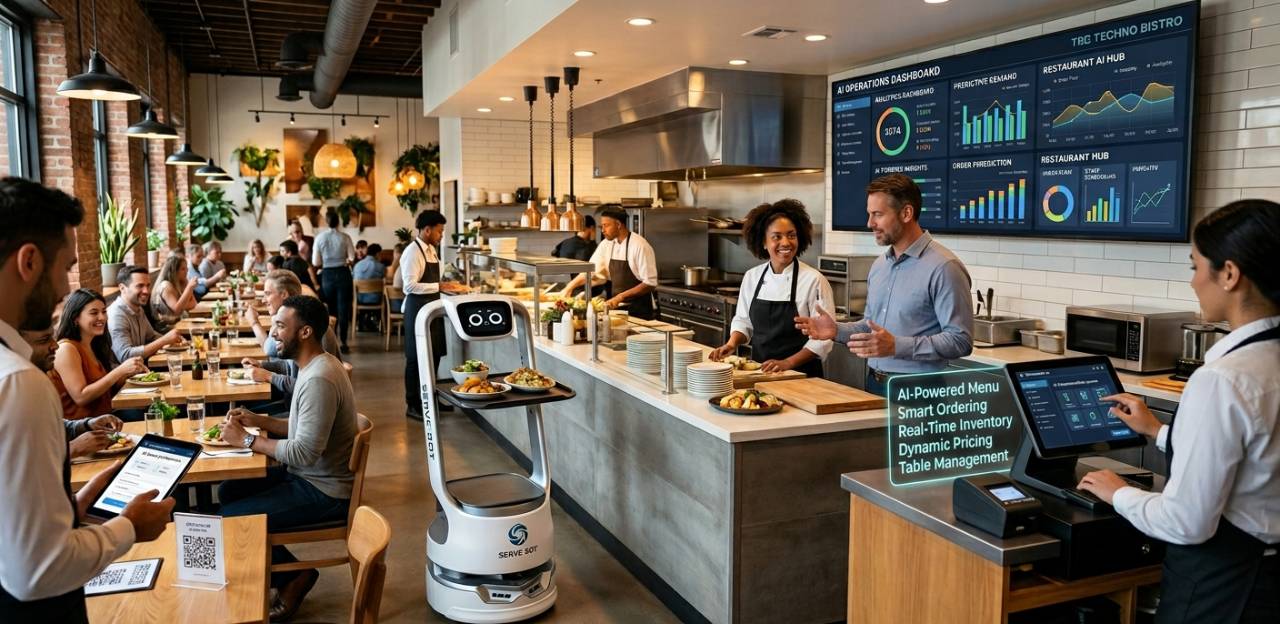
This AI playbook covers restaurant tools for voice ordering, staffing, compliance, menu pricing, inventory, marketing, ChatGPT prompts, and SEO.
May 15, 2026
Hardee’s giant Boddie-Noell inks 31-unit Scooter’s Coffee deal for NC and VA, leveraging drive-thru growth and local roots with rollout over 12–18 months.
May 15, 2026
Wingstop turns match weeks into a multi-sensory festival, aligning bold pop-ups with World Cup energy to build brand affinity and measurable momentum.
May 15, 2026
The parent company behind Dunkin', Buffalo Wild Wings, and Arby's has filed for an IPO a move that could reshape how Wall Street views the restaurant sector.
May 15, 2026

Learn how to develop a memorable restaurant brand identity that stands out in a crowded market, attracts loyal customers, and drives repeat business with actionable strategies and affordable tools.
May 15, 2026
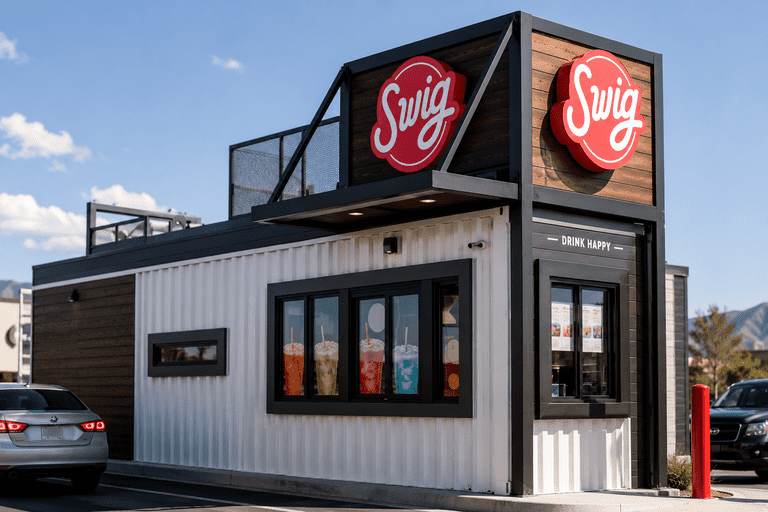
Dirty soda chain Swig is expanding into Colorado through a 10-unit franchise deal, riding a consumer beverage trend that's catching the attention of major QSR players nationwide.
May 15, 2026
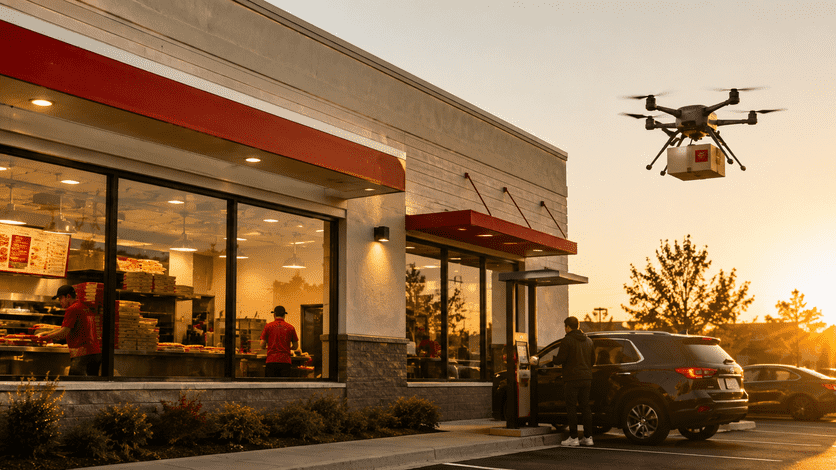
Papa Johns has teamed up with Alphabet's Wing for drone delivery of its new sandwich lineup in parts of Charlotte marking the first partnership of its kind between Wing and a national QSR brand.
May 15, 2026
A warm, expert-led look at McDonald’s Q1 results, menu makeover, and the refranchise question shaping its growth.
May 14, 2026
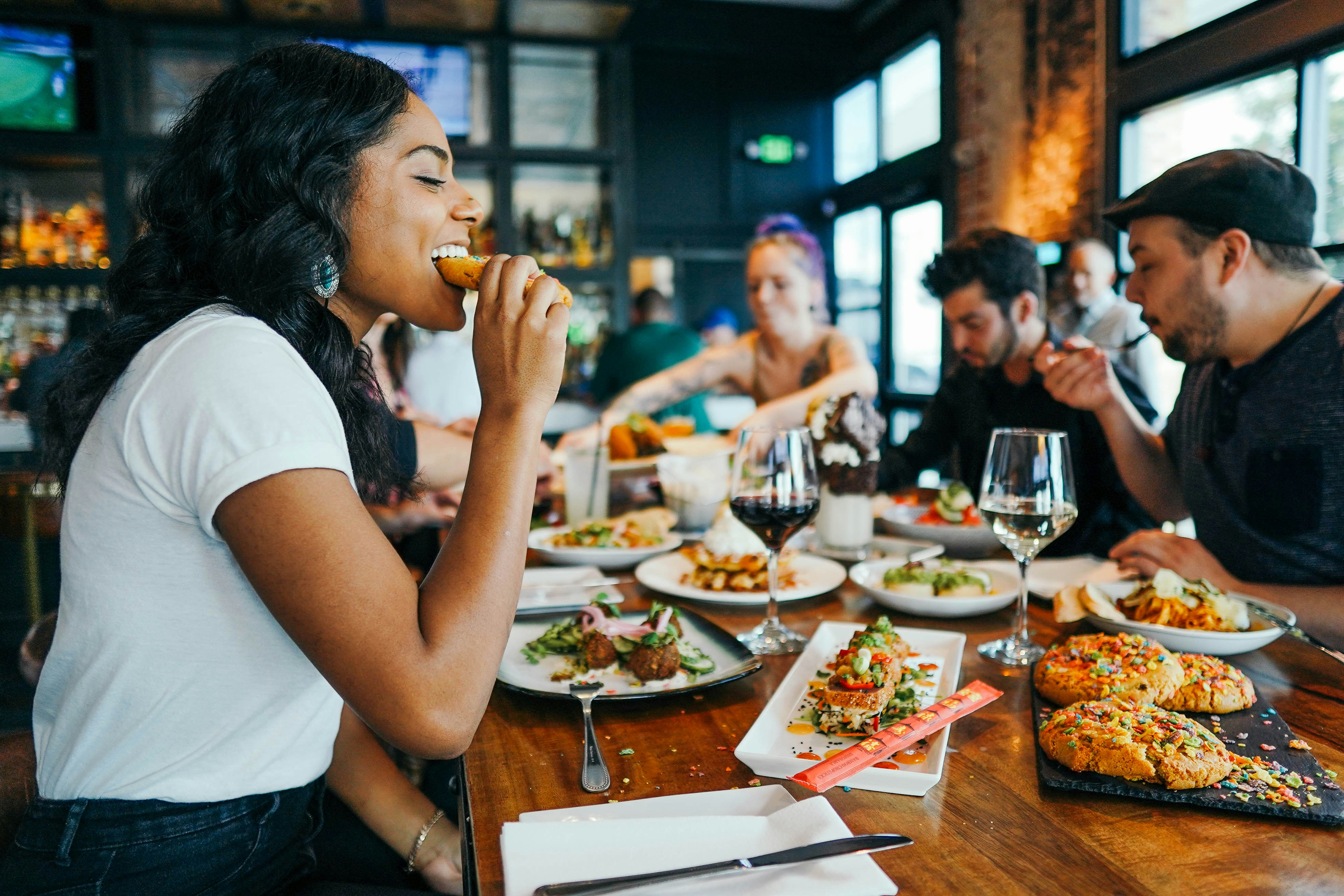
A reflective look at Habit Ranch, its immersive desert activation, and what it signals for brand loyalty and mindful, experiential dining.
May 14, 2026

Unlock Exclusive Access To Webinars, Events, And The Latest News For Free!
Explore the ambitious growth plans of Shake Shack and Papa John’s in the competitive fast-food industry. Learn how these chains are expanding their unit count and market presence.
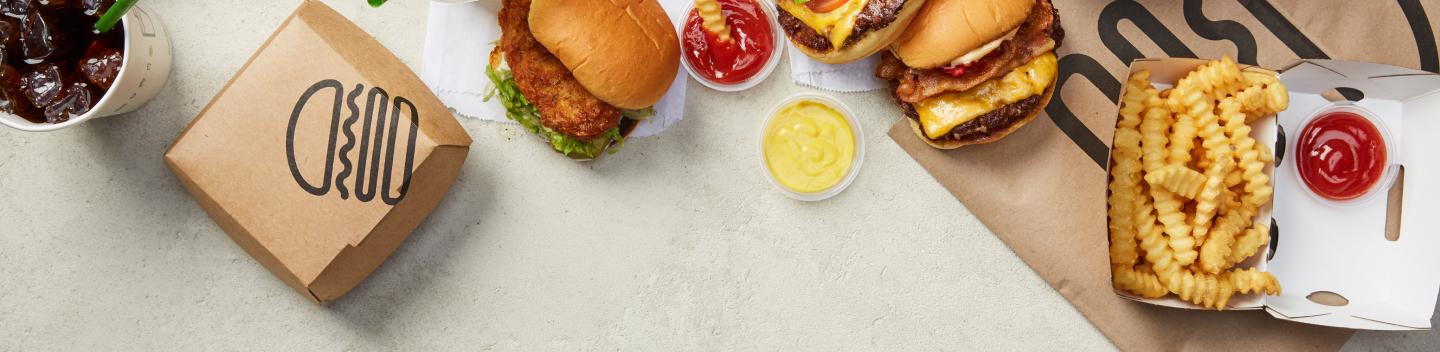
Shake Shack, known for its premium fast-casual dining experience, has set its sights on an ambitious goal of quadrupling its domestic unit count to reach 1,500 units, all to be company-owned. This strategic move signals the chain's determination to expand its footprint significantly and solidify its position in the fast-food market. By focusing on owning all locations, Shake Shack aims to maintain control over its brand image and customer experience across all outlets.
To facilitate its expansion plans into smaller formats and suburban markets, Shake Shack is prioritizing the improvement of its speed of service and the perception of value offered to customers. By enhancing operational efficiency and streamlining processes, the chain aims to cater to a wider audience while maintaining its high-quality standards. Emphasizing the perceived value of its offerings can help Shake Shack attract and retain customers in new markets where competition is fierce.
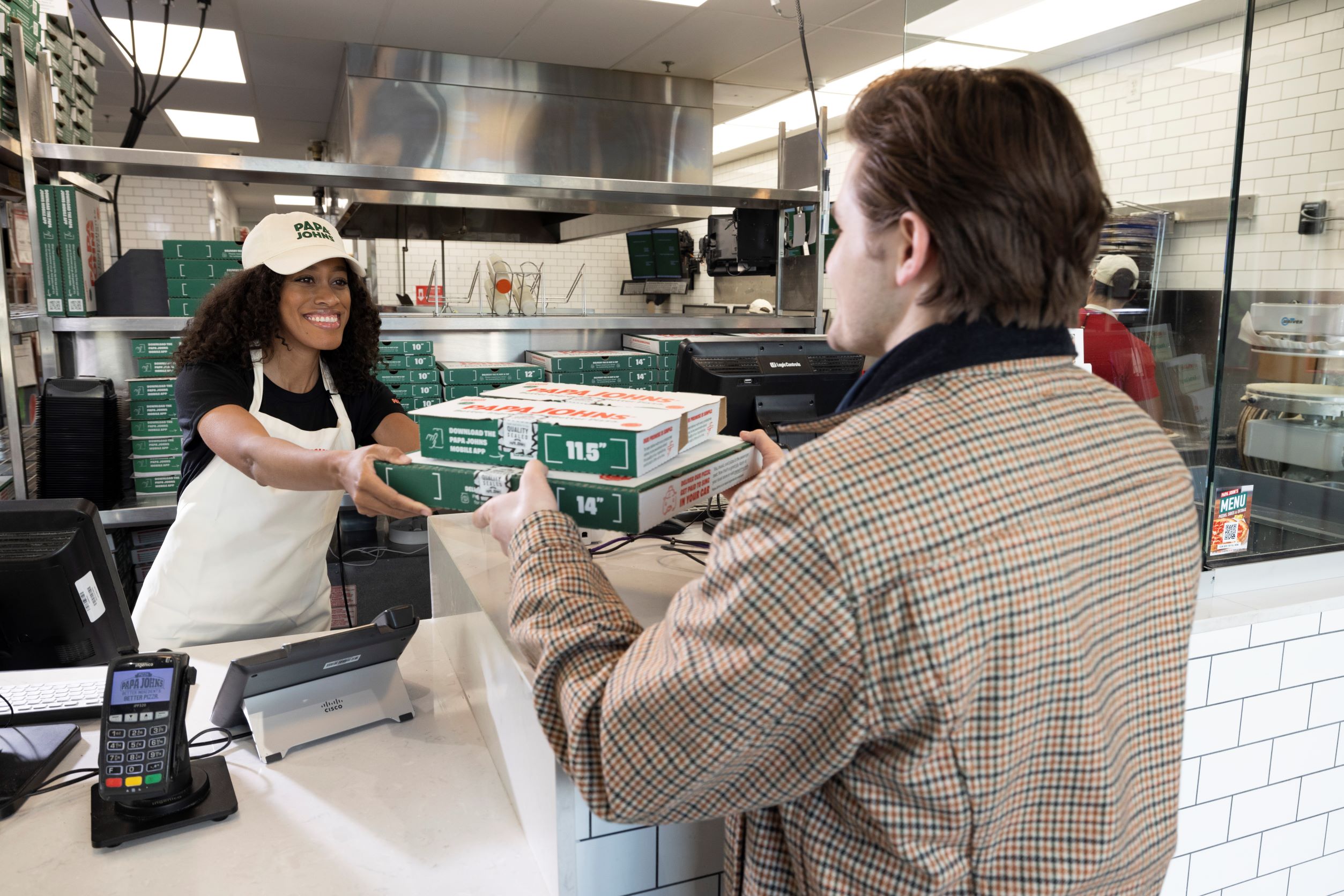
Despite facing slowing sales in the previous year, Papa John's, a Louisville-based pizza chain, demonstrated resilience and commitment to growth by adding new restaurants to its portfolio. The recent opening of the 6000th Papa John's restaurant in Pittsburgh showcases the chain's determination to expand its presence and cater to a wide customer base. With the highest number of new locations added in more than a decade, Papa John's is making strategic moves to stay competitive in the fast-food industry.
The fast-food industry witnessed positive momentum in the fourth quarter, with increased traffic and growth, excluding the month of December. This uptick in consumer interest highlights the resilience of fast-food chains and their ability to adapt to changing market dynamics. By staying agile and responsive to consumer preferences, brands like Shake Shack and Papa John's can capitalize on favorable trends to drive expansion and profitability.
In a dynamic market environment, fast-food chains are exploring investment partnerships to fuel their growth strategies. Washington, D.C.-based deli concept Call Your Mother's collaboration with private equity firm Invus signifies a strategic move to secure funding for expansion. Similarly, Invus' past involvement in CAVA Group's funding highlights the importance of strategic investors in driving growth and innovation in the restaurant industry. These partnerships enable chains to scale their operations and enter new markets more efficiently.