How Much Does It Cost to Open a Coffee Shop in 2026?
Opening a coffee shop in 2026 requires careful cost planning across rent, equipment, labor, technology, menu strategy, marketing, and sustainability.
operations
May 15, 2026
Opening a coffee shop in 2026 requires careful cost planning across rent, equipment, labor, technology, menu strategy, marketing, and sustainability.
May 15, 2026

This AI playbook covers restaurant tools for voice ordering, staffing, compliance, menu pricing, inventory, marketing, ChatGPT prompts, and SEO.
May 15, 2026

Hardee’s giant Boddie-Noell inks 31-unit Scooter’s Coffee deal for NC and VA, leveraging drive-thru growth and local roots with rollout over 12–18 months.
May 15, 2026

Wingstop turns match weeks into a multi-sensory festival, aligning bold pop-ups with World Cup energy to build brand affinity and measurable momentum.
May 15, 2026

The parent company behind Dunkin', Buffalo Wild Wings, and Arby's has filed for an IPO a move that could reshape how Wall Street views the restaurant sector.
May 15, 2026

Learn how to develop a memorable restaurant brand identity that stands out in a crowded market, attracts loyal customers, and drives repeat business with actionable strategies and affordable tools.
May 15, 2026

Dirty soda chain Swig is expanding into Colorado through a 10-unit franchise deal, riding a consumer beverage trend that's catching the attention of major QSR players nationwide.
May 15, 2026

Papa Johns has teamed up with Alphabet's Wing for drone delivery of its new sandwich lineup in parts of Charlotte marking the first partnership of its kind between Wing and a national QSR brand.
May 15, 2026

A warm, expert-led look at McDonald’s Q1 results, menu makeover, and the refranchise question shaping its growth.
May 14, 2026

A reflective look at Habit Ranch, its immersive desert activation, and what it signals for brand loyalty and mindful, experiential dining.
May 14, 2026

Unlock Exclusive Access To Webinars, Events, And The Latest News For Free!
Explore the role of salads in menu development, how they cater to customer preferences, and drive innovation in the restaurant industry.
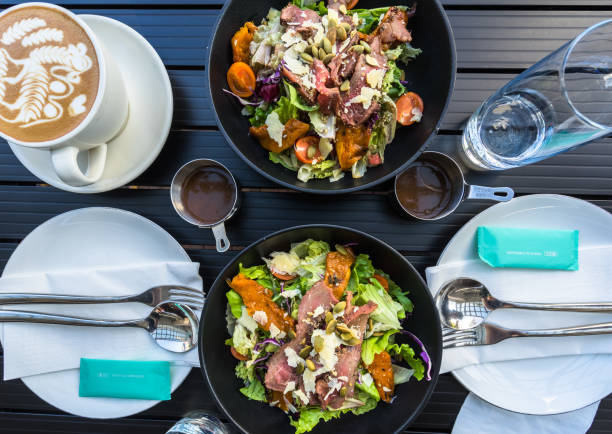
Salads have emerged as a staple in the menus of various successful chains, offering a versatile and healthy option that caters to a broad spectrum of customer preferences. While salads may not always be the top-selling items in establishments that do not specialize in them, they play a crucial role in appealing to customers seeking lighter, fiber-rich, or healthier alternatives. By including salads on the menu, restaurants can effectively address the 'veto vote' scenario, where a single diner's preference for a salad can influence the dining decisions of an entire group.
Studies have shown that the presence of salads on a menu can have a significant psychological impact on customers, even if they do not ultimately choose to order a salad. Offering salads can enhance the overall perception of a restaurant in the eyes of customers, making them feel that the establishment values health-conscious options and caters to a diverse range of preferences. This positive association with salads can contribute to a more favorable view of the restaurant, potentially leading to increased customer satisfaction and loyalty.
One of the key benefits of incorporating salads into a menu is the opportunity to showcase local produce and seasonal ingredients. Customers are increasingly interested in knowing where their food comes from and are drawn to restaurants that emphasize fresh, locally sourced items. Salads serve as an excellent platform to feature a variety of seasonal fruits, vegetables, and other local components, allowing restaurants to align with current food trends and appeal to eco-conscious consumers.
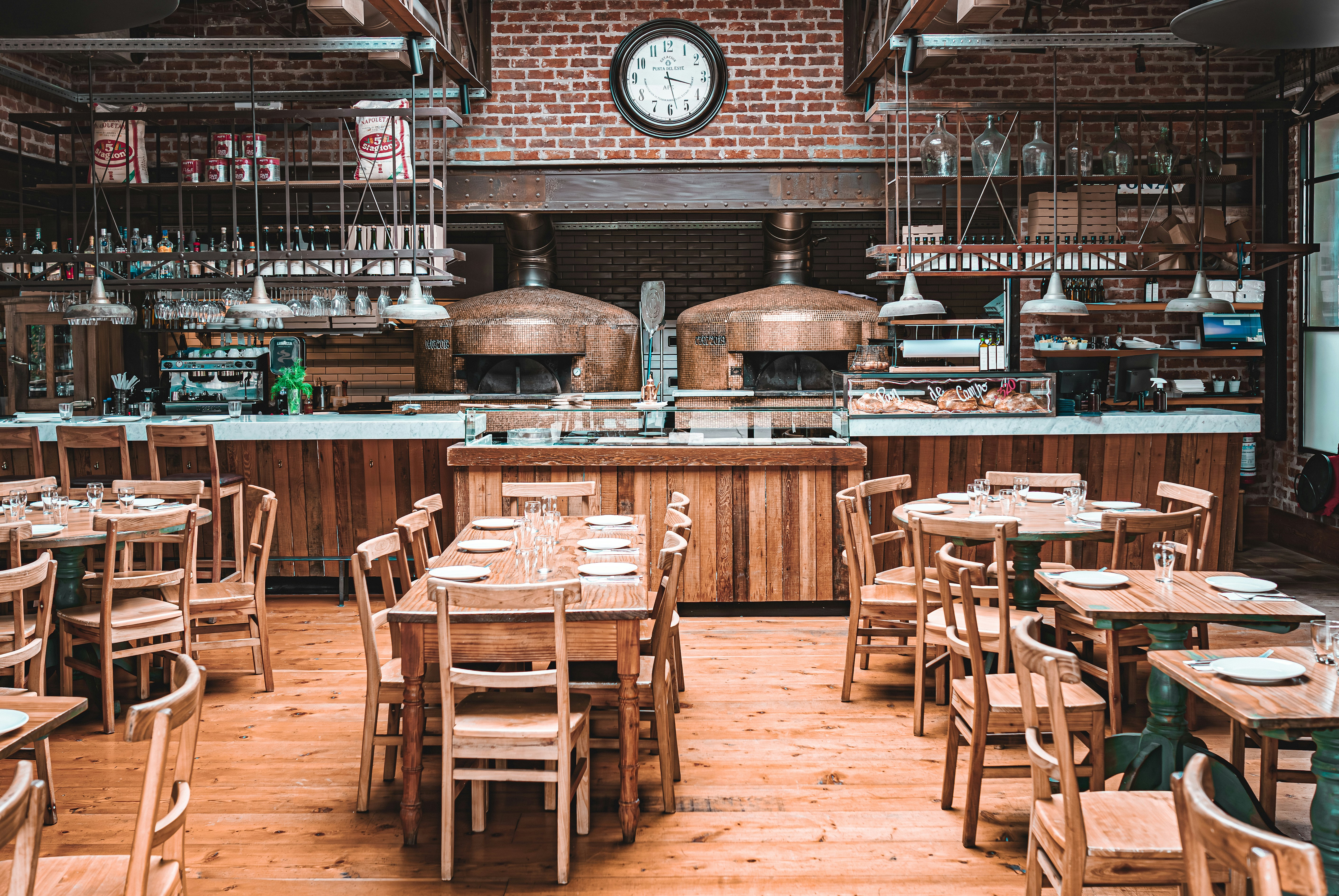
Innovation within the salad category has been on the rise, with restaurants constantly seeking new ways to reinvent traditional salad offerings and cater to evolving consumer preferences. Strategies such as customizable salad bowls, unique flavor combinations, plant-based protein options, and globally-inspired ingredients have been prevalent in driving innovation and differentiation in the salad segment. By staying attuned to changing tastes and dietary trends, restaurants can stay competitive and capture the interest of health-conscious diners.