
How Much Does It Cost to Open a Coffee Shop in 2026?
Opening a coffee shop in 2026 requires careful cost planning across rent, equipment, labor, technology, menu strategy, marketing, and sustainability.
operations
May 15, 2026
Opening a coffee shop in 2026 requires careful cost planning across rent, equipment, labor, technology, menu strategy, marketing, and sustainability.
May 15, 2026

This AI playbook covers restaurant tools for voice ordering, staffing, compliance, menu pricing, inventory, marketing, ChatGPT prompts, and SEO.
May 15, 2026

Hardee’s giant Boddie-Noell inks 31-unit Scooter’s Coffee deal for NC and VA, leveraging drive-thru growth and local roots with rollout over 12–18 months.
May 15, 2026
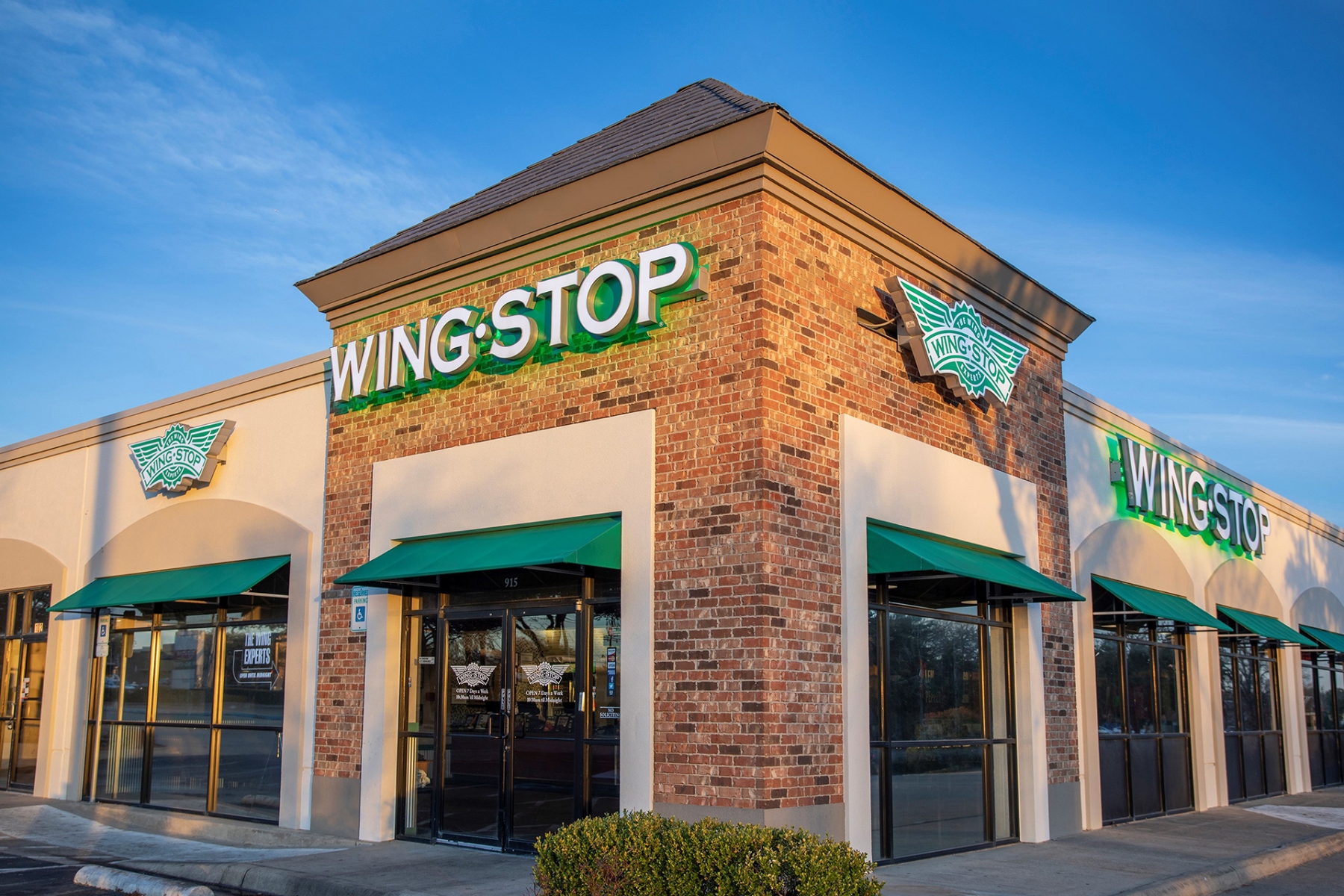
Wingstop turns match weeks into a multi-sensory festival, aligning bold pop-ups with World Cup energy to build brand affinity and measurable momentum.
May 15, 2026
The parent company behind Dunkin', Buffalo Wild Wings, and Arby's has filed for an IPO a move that could reshape how Wall Street views the restaurant sector.
May 15, 2026

Learn how to develop a memorable restaurant brand identity that stands out in a crowded market, attracts loyal customers, and drives repeat business with actionable strategies and affordable tools.
May 15, 2026
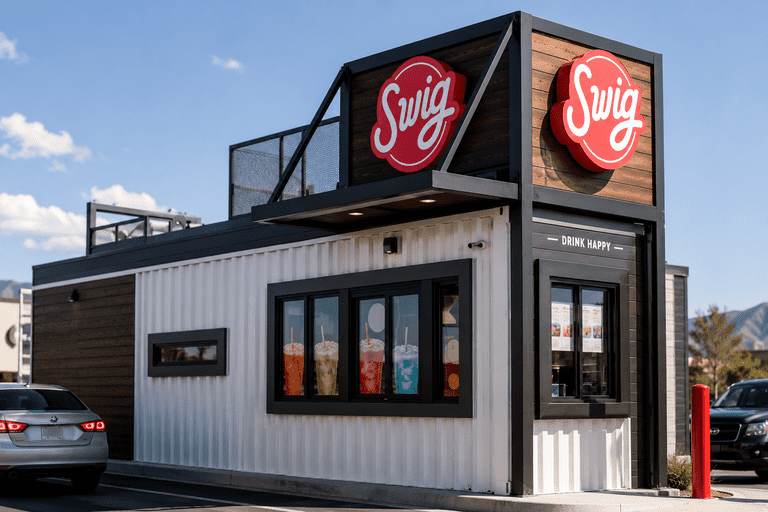
Dirty soda chain Swig is expanding into Colorado through a 10-unit franchise deal, riding a consumer beverage trend that's catching the attention of major QSR players nationwide.
May 15, 2026

Papa Johns has teamed up with Alphabet's Wing for drone delivery of its new sandwich lineup in parts of Charlotte marking the first partnership of its kind between Wing and a national QSR brand.
May 15, 2026

A warm, expert-led look at McDonald’s Q1 results, menu makeover, and the refranchise question shaping its growth.
May 14, 2026

A reflective look at Habit Ranch, its immersive desert activation, and what it signals for brand loyalty and mindful, experiential dining.
May 14, 2026

Unlock Exclusive Access To Webinars, Events, And The Latest News For Free!
Explore the use of poison pills as a strategic defense mechanism against activist investors and how they impact shareholder value and corporate strategies.

Photo by Ehimetalor Akhere Unuabona
Photo by Ehimetalor Akhere Unuabona
Poison pills, also known as shareholder rights plans, have evolved over the years from being a preventative measure to a reactive strategy in response to specific threats like hostile takeovers by activist investors. In the past, during the 1990s, many Fortune 100 companies routinely adopted poison pills as a proactive defense mechanism. These pills were designed to dilute the holdings of an acquiring entity once it bought a certain threshold of shares, making takeovers more expensive and challenging.

Photo by Ehimetalor Akhere Unuabona
In the contemporary corporate landscape, poison pills are more tailored and situation-specific. Companies are strategically using them to combat activist investors like Biglari Capital. By setting specific triggers and durations, boards can respond swiftly to perceived threats without committing to prolonged defensive measures. Limited-duration pills are now prevalent, with many lasting less than a year, offering flexibility to boards.

Photo by Ehimetalor Akhere Unuabona
While poison pills are often criticized as anti-shareholder tactics, they serve as a crucial tool for boards to maximize shareholder value. Keith Gottfried, a seasoned advisor on poison pills, emphasizes that these strategies do not hinder legitimate acquisition offers but rather prevent hostile takeovers that undervalue the company. By giving boards time to enact strategic plans or consider better offers, poison pills safeguard shareholder interests and corporate growth.

Photo by Ehimetalor Akhere Unuabona
Activist investors may challenge poison pills in court, but success is rare, especially when the threshold to trigger the pill is reasonable. Delaware courts have historically upheld the legality of poison pills, assuming boards act in good faith to protect shareholders. Long-term pills, requiring shareholder approval, face resistance from institutional investors and proxy firms due to their perceived hindrance to potential deals.
Photo by Ehimetalor Akhere Unuabona
The prevalence of activist investors in the market necessitates companies, especially in the restaurant sector like Jack in the Box, to consider having poison pills readily available as a defense mechanism. While not universally welcomed, these tools offer essential protection in an increasingly volatile market, allowing boards to navigate challenges and prioritize sustainable corporate growth.