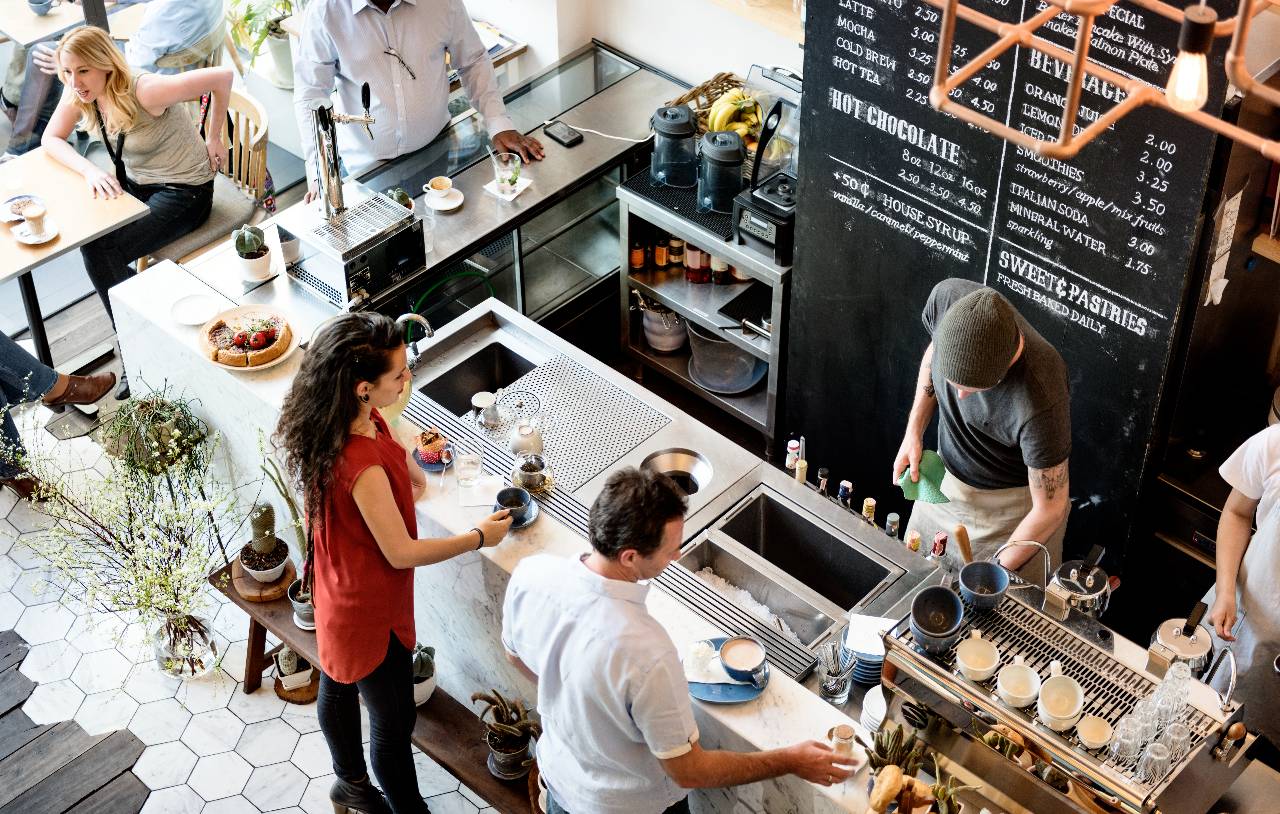
How Much Does It Cost to Open a Coffee Shop in 2026?
Opening a coffee shop in 2026 requires careful cost planning across rent, equipment, labor, technology, menu strategy, marketing, and sustainability.
operations
May 15, 2026
Opening a coffee shop in 2026 requires careful cost planning across rent, equipment, labor, technology, menu strategy, marketing, and sustainability.
May 15, 2026
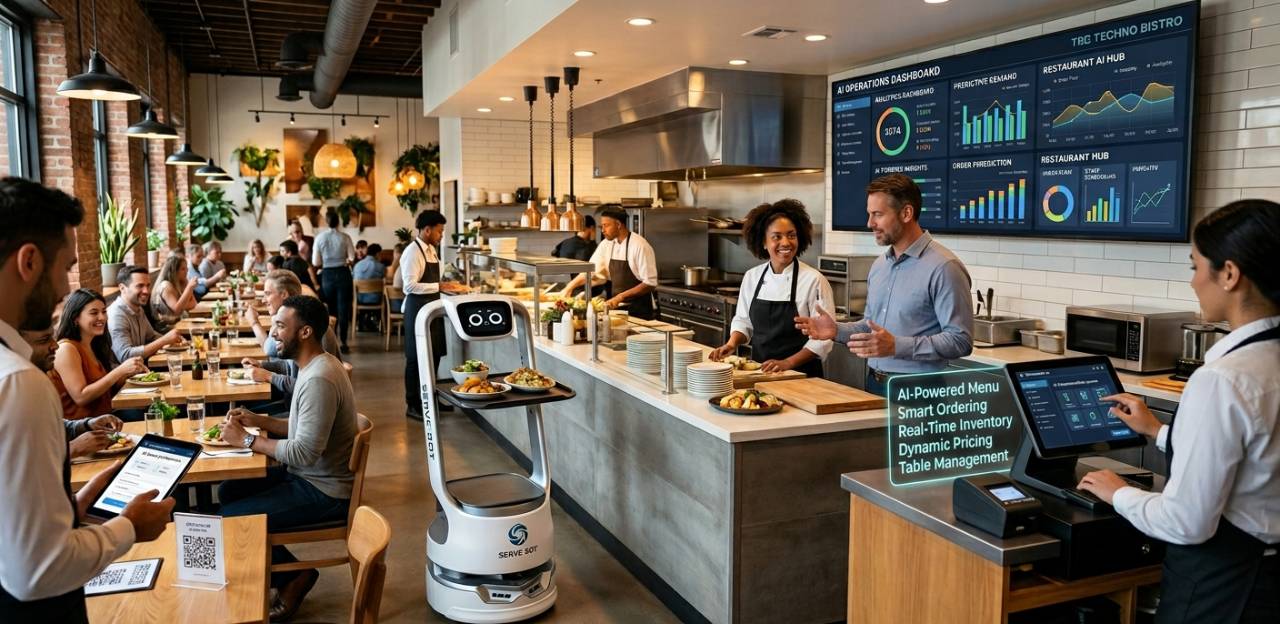
This AI playbook covers restaurant tools for voice ordering, staffing, compliance, menu pricing, inventory, marketing, ChatGPT prompts, and SEO.
May 15, 2026
Hardee’s giant Boddie-Noell inks 31-unit Scooter’s Coffee deal for NC and VA, leveraging drive-thru growth and local roots with rollout over 12–18 months.
May 15, 2026
Wingstop turns match weeks into a multi-sensory festival, aligning bold pop-ups with World Cup energy to build brand affinity and measurable momentum.
May 15, 2026
The parent company behind Dunkin', Buffalo Wild Wings, and Arby's has filed for an IPO a move that could reshape how Wall Street views the restaurant sector.
May 15, 2026
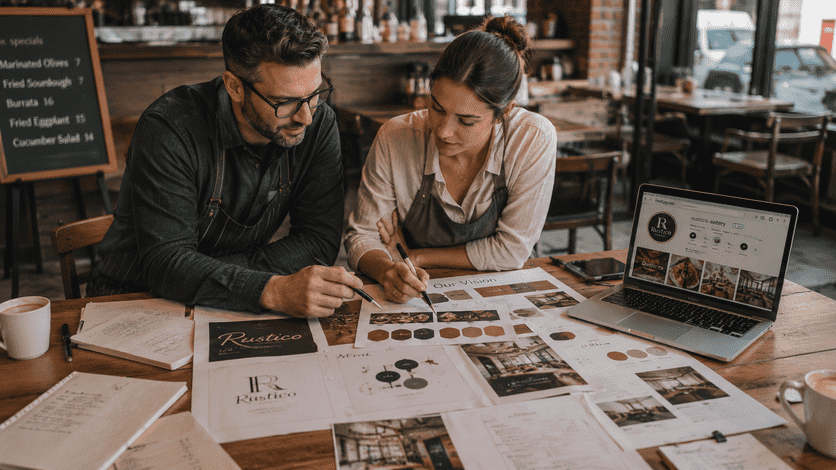
Learn how to develop a memorable restaurant brand identity that stands out in a crowded market, attracts loyal customers, and drives repeat business with actionable strategies and affordable tools.
May 15, 2026
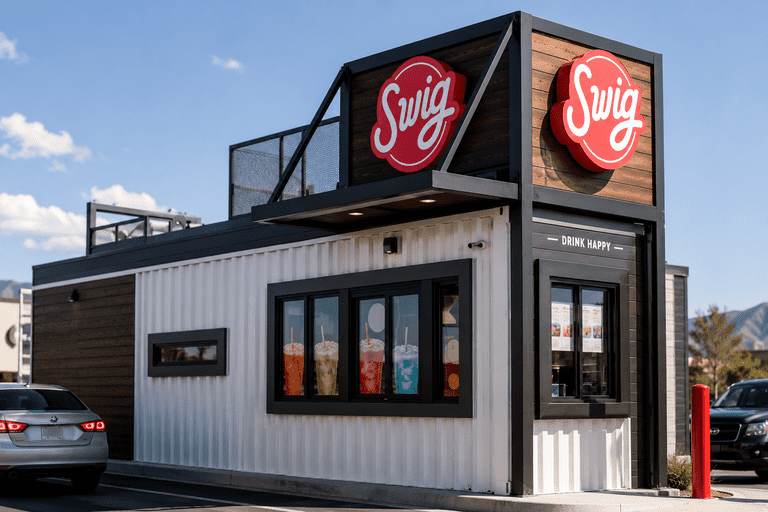
Dirty soda chain Swig is expanding into Colorado through a 10-unit franchise deal, riding a consumer beverage trend that's catching the attention of major QSR players nationwide.
May 15, 2026
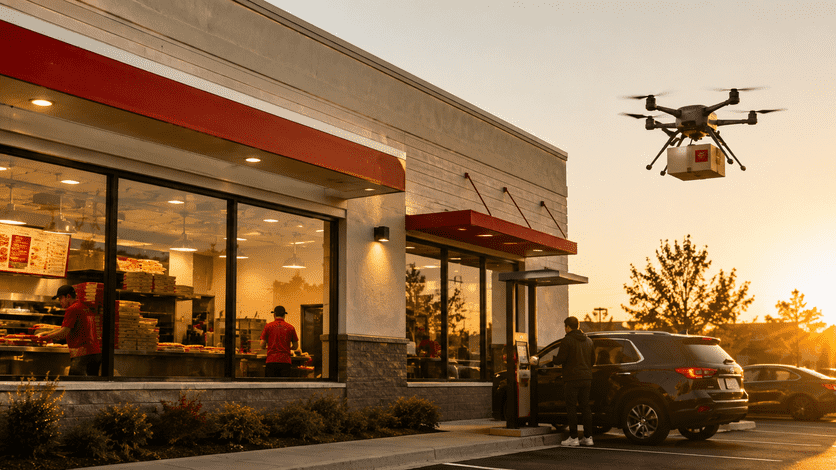
Papa Johns has teamed up with Alphabet's Wing for drone delivery of its new sandwich lineup in parts of Charlotte marking the first partnership of its kind between Wing and a national QSR brand.
May 15, 2026
A warm, expert-led look at McDonald’s Q1 results, menu makeover, and the refranchise question shaping its growth.
May 14, 2026
A reflective look at Habit Ranch, its immersive desert activation, and what it signals for brand loyalty and mindful, experiential dining.
May 14, 2026

Unlock Exclusive Access To Webinars, Events, And The Latest News For Free!
Explore how fast-food chains like McDonald’s, Burger King, and Wendy’s are leveraging value meal deals to attract customers amidst economic challenges.
McDonald’s recent introduction of the $5 meal deal has successfully captured customers' attention and increased foot traffic as intended. The offer, which includes a choice of a McDouble or McChicken, small fries, four-piece Chicken McNuggets, and a small drink, debuted on June 25 for a limited time. The impact was immediate, with the day of the launch becoming McDonald’s busiest Tuesday of the year up to that point. Data from Placer.ai shows an 8 percent increase in visits on June 25 compared to the average Tuesday in 2024. This trend continued throughout the week, with visit rates remaining significantly higher than the 2024 average.
The success of McDonald’s $5 meal deal can be attributed to the variety of items included, catering to different preferences of customers. By combining popular menu items in a value meal, customers perceive a higher value and are more inclined to make a purchase. Additionally, the limited-time nature of the offer creates a sense of urgency, prompting customers to take advantage of the deal before it ends. This scarcity principle often drives higher customer engagement and encourages repeat visits during the offer period.
While McDonald’s CEO emphasized the importance of a national value platform to drive competitiveness, the brand continues to leverage local deals to cater to specific market demands. By balancing national promotions like the $5 meal deal with region-specific offers such as the BOGO breakfast sandwiches or mix and match deals, McDonald’s can appeal to a wider range of customers. This strategy allows the brand to maintain a unified national image while addressing local preferences and driving traffic at individual franchise locations.
In the face of economic challenges and inflation impacting consumer spending, fast-food chains like McDonald’s are adapting their menu pricing strategies to remain competitive. The introduction of value meal deals and offers is a response to the changing economic landscape, where customers are more price-conscious than ever. By providing attractive deals like the $5 meal offer, restaurants aim to retain existing customers and attract new ones by offering affordable and satisfying meal options.
McDonald’s $5 meal deal is part of a broader trend in the fast-food industry, where major chains are rolling out value offers to stay ahead in a competitive market. Burger King’s $5 Your Way Meal and Wendy’s $3 English Muffin deal are examples of how rival brands are responding to customer demands for affordable yet satisfying meal options. These value deals not only drive customer traffic but also create differentiation in a crowded market, enabling brands to stand out and capture market share.