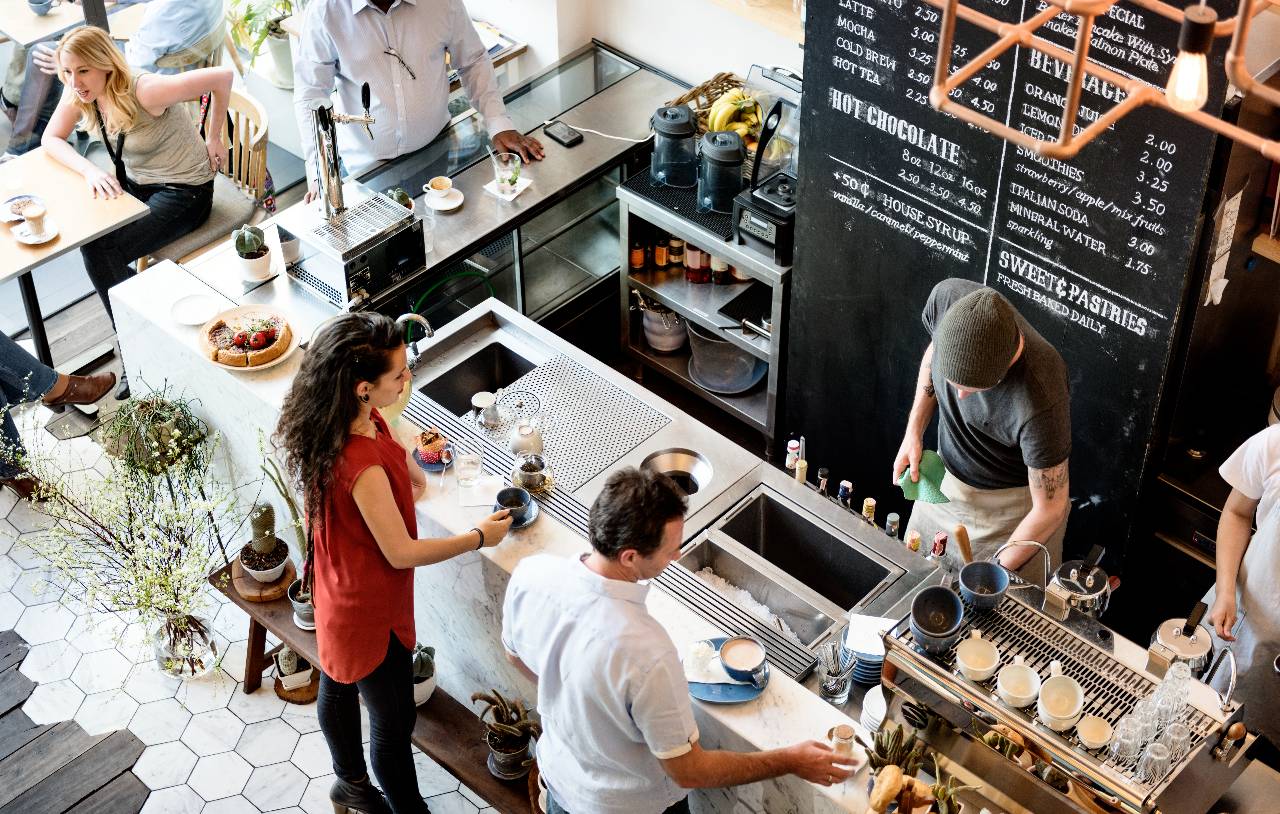
How Much Does It Cost to Open a Coffee Shop in 2026?
Opening a coffee shop in 2026 requires careful cost planning across rent, equipment, labor, technology, menu strategy, marketing, and sustainability.
operations
May 15, 2026
Opening a coffee shop in 2026 requires careful cost planning across rent, equipment, labor, technology, menu strategy, marketing, and sustainability.
May 15, 2026
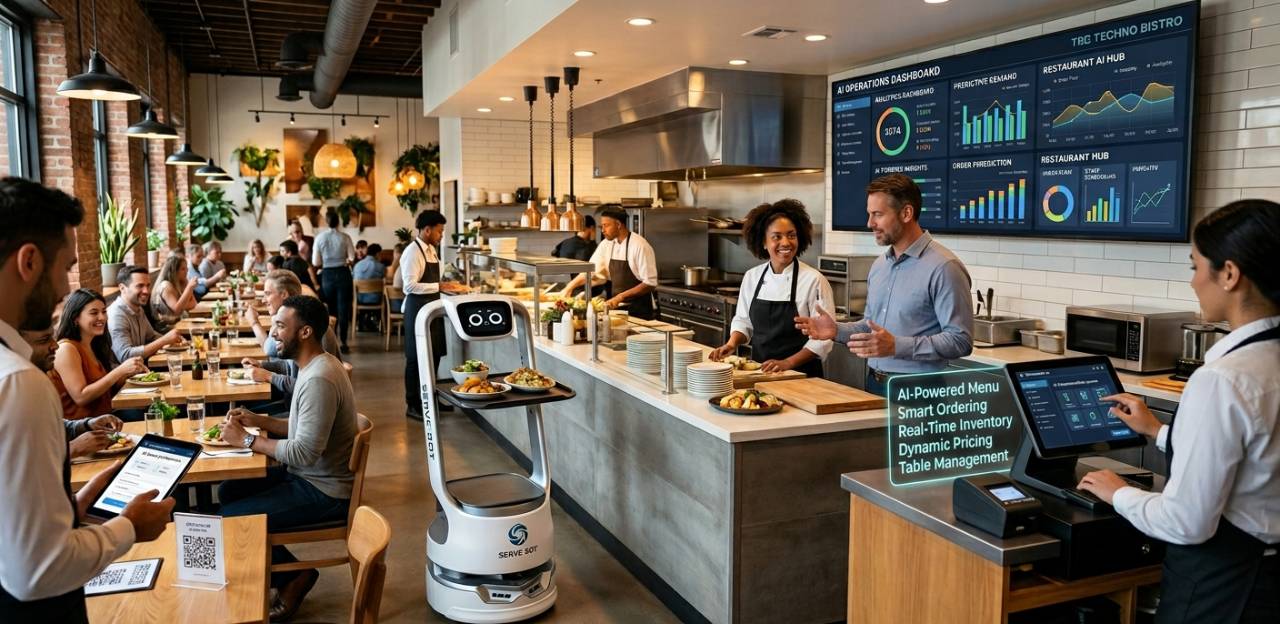
This AI playbook covers restaurant tools for voice ordering, staffing, compliance, menu pricing, inventory, marketing, ChatGPT prompts, and SEO.
May 15, 2026
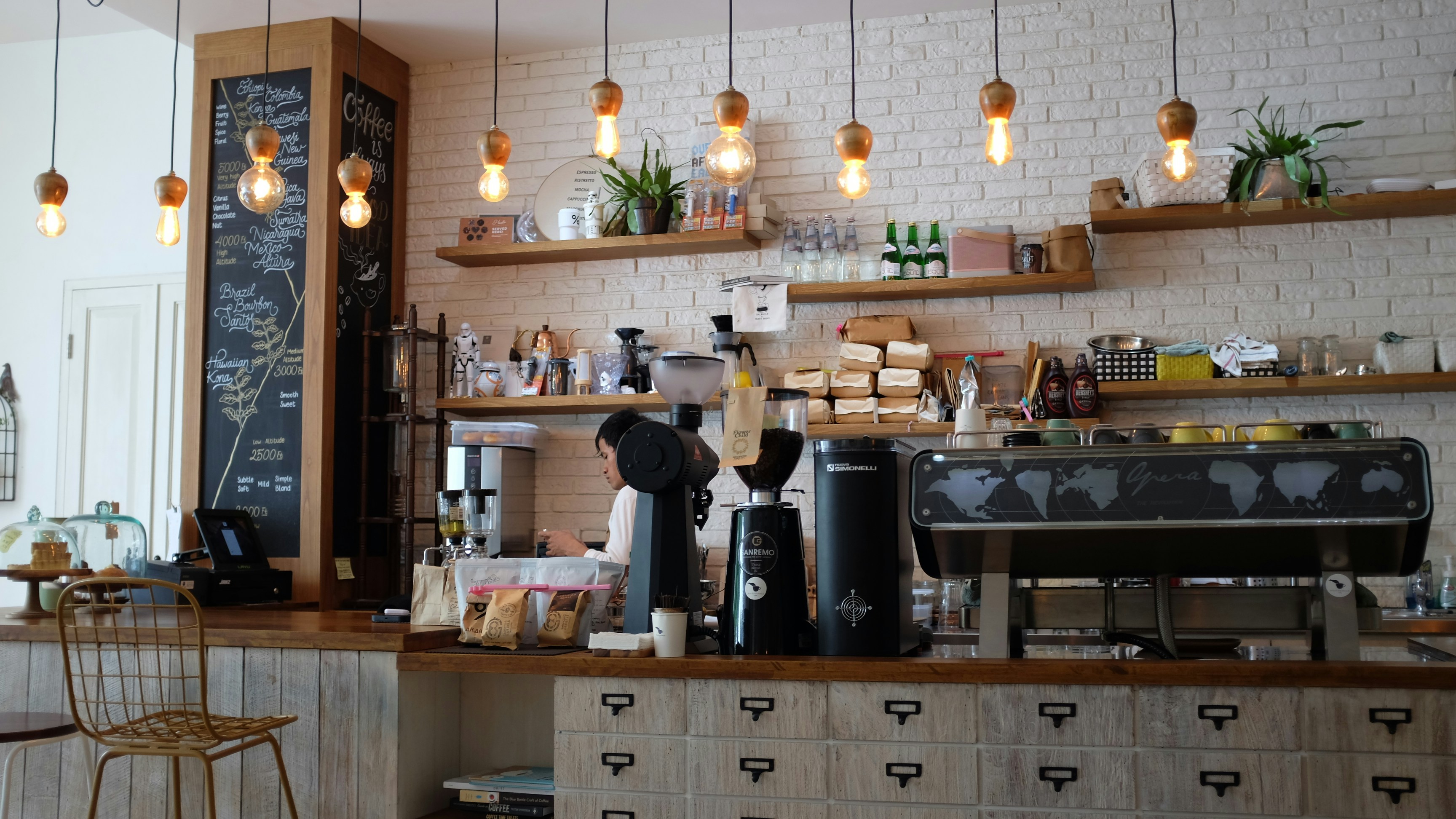
Hardee’s giant Boddie-Noell inks 31-unit Scooter’s Coffee deal for NC and VA, leveraging drive-thru growth and local roots with rollout over 12–18 months.
May 15, 2026
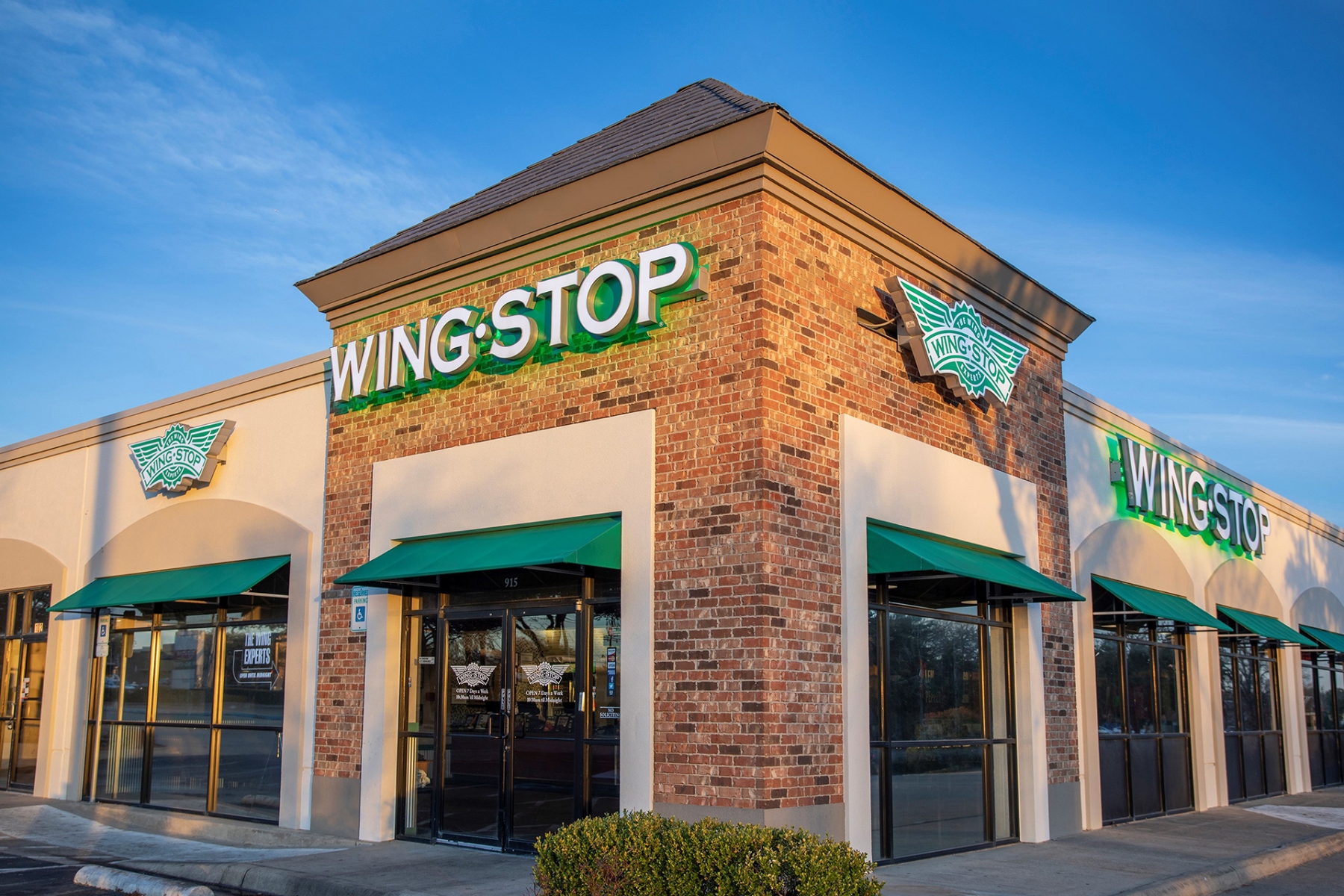
Wingstop turns match weeks into a multi-sensory festival, aligning bold pop-ups with World Cup energy to build brand affinity and measurable momentum.
May 15, 2026
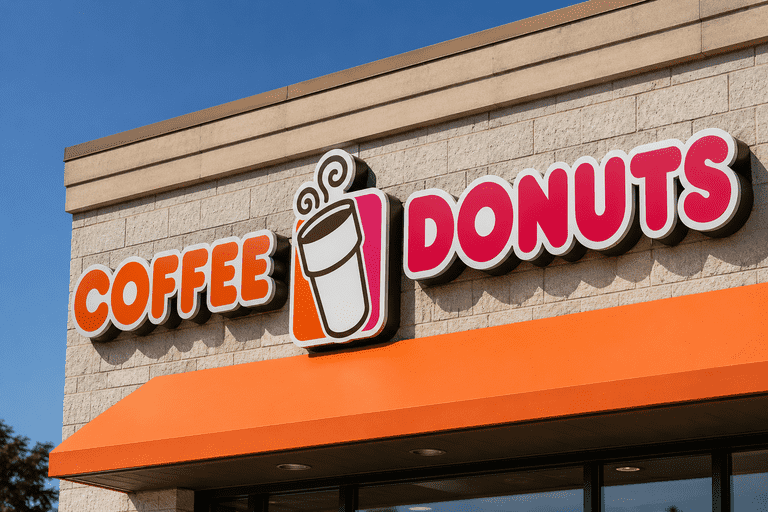
The parent company behind Dunkin', Buffalo Wild Wings, and Arby's has filed for an IPO a move that could reshape how Wall Street views the restaurant sector.
May 15, 2026

Learn how to develop a memorable restaurant brand identity that stands out in a crowded market, attracts loyal customers, and drives repeat business with actionable strategies and affordable tools.
May 15, 2026
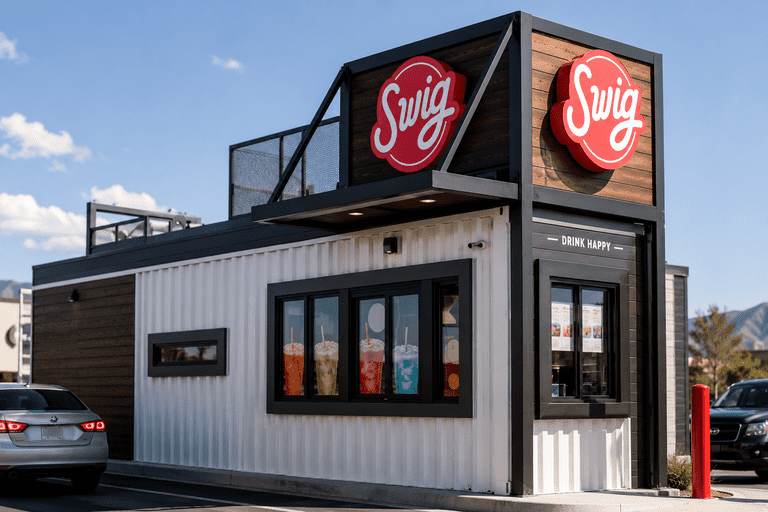
Dirty soda chain Swig is expanding into Colorado through a 10-unit franchise deal, riding a consumer beverage trend that's catching the attention of major QSR players nationwide.
May 15, 2026
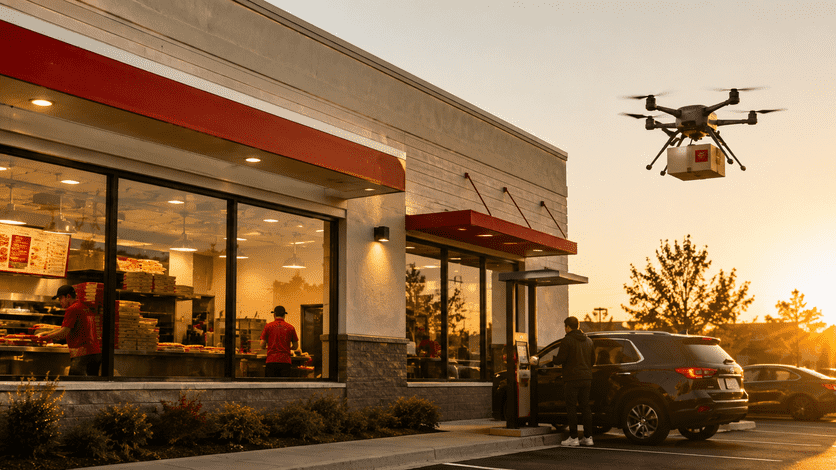
Papa Johns has teamed up with Alphabet's Wing for drone delivery of its new sandwich lineup in parts of Charlotte marking the first partnership of its kind between Wing and a national QSR brand.
May 15, 2026
A warm, expert-led look at McDonald’s Q1 results, menu makeover, and the refranchise question shaping its growth.
May 14, 2026
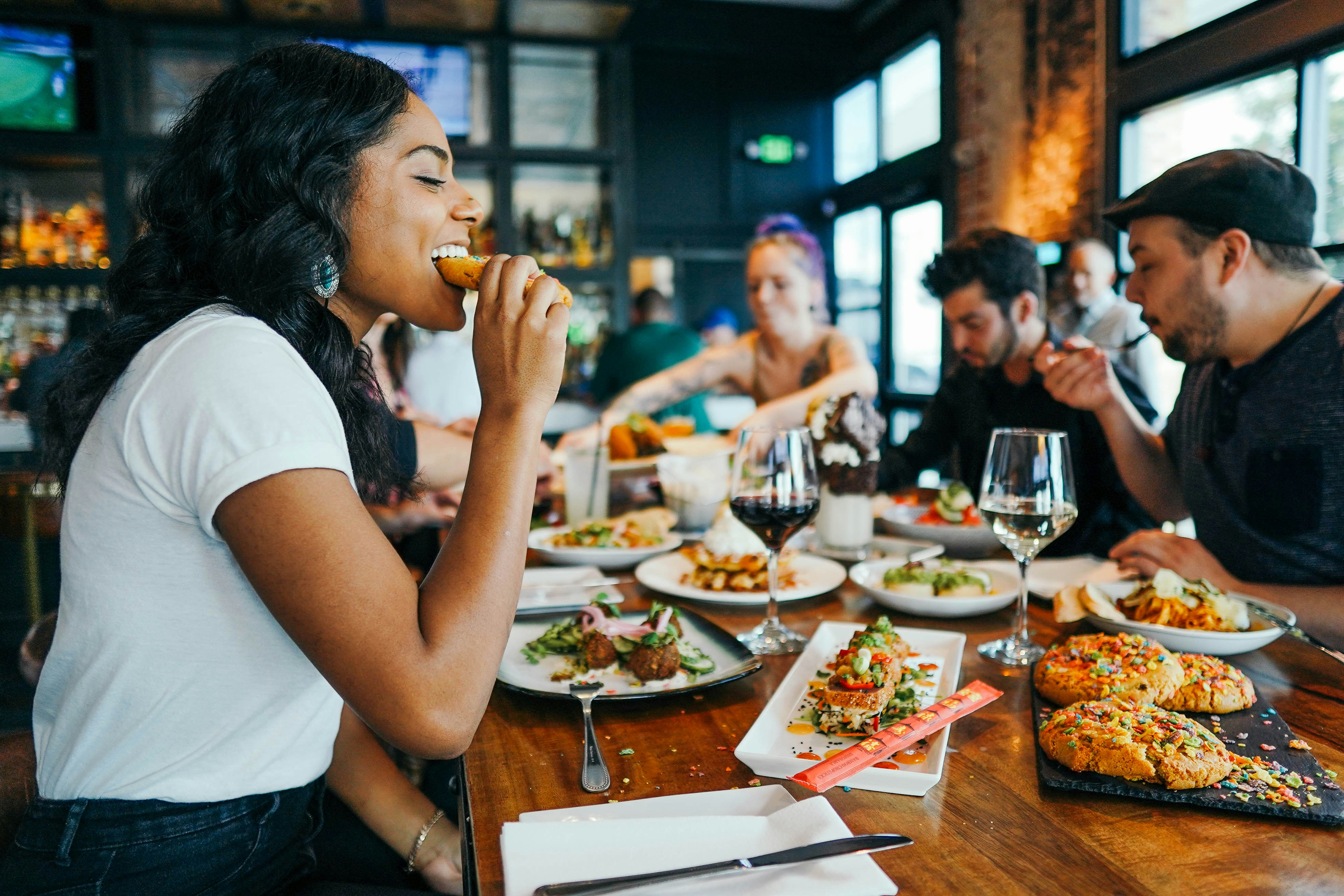
A reflective look at Habit Ranch, its immersive desert activation, and what it signals for brand loyalty and mindful, experiential dining.
May 14, 2026

Unlock Exclusive Access To Webinars, Events, And The Latest News For Free!
Explore the implications of the California Supreme Court's decision on Proposition 22, shifting delivery drivers from employees to independent contractors. Learn about the benefits, criticisms, and the ongoing debate around the gig economy.

Photo by Grab
The recent California Supreme Court verdict solidifies the status of drivers affiliated with gig-based platforms as independent contractors rather than full-fledged company employees. This decision significantly impacts thousands of delivery drivers working for industry giants like Uber and DoorDash. Proposition 22, endorsed by California voters in 2020, brought about this pivotal change by reinstating the contractor classification for drivers.
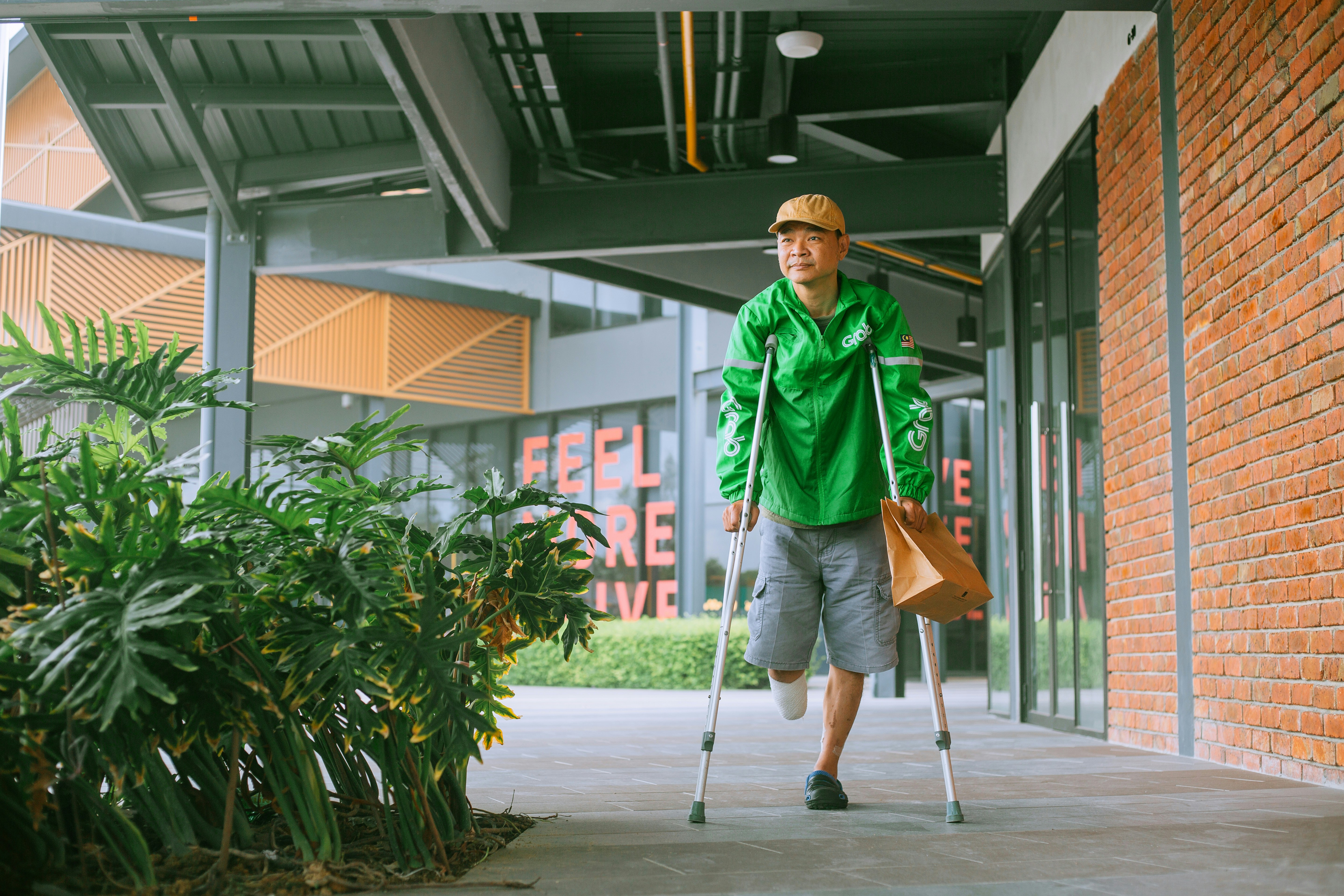
Photo by Grab
Proposition 22 emerged as a legislative response to the stringent provisions of the 2019 California Assembly Bill 5 (AB5), which aimed to reclassify gig workers as employees entitled to various labor benefits. By passing Proposition 22, the delivery app companies successfully circumvented AB5's requirements, arguing that the contractor status offers drivers greater flexibility in managing their schedules and work hours, aligning with the gig economy's on-demand nature.
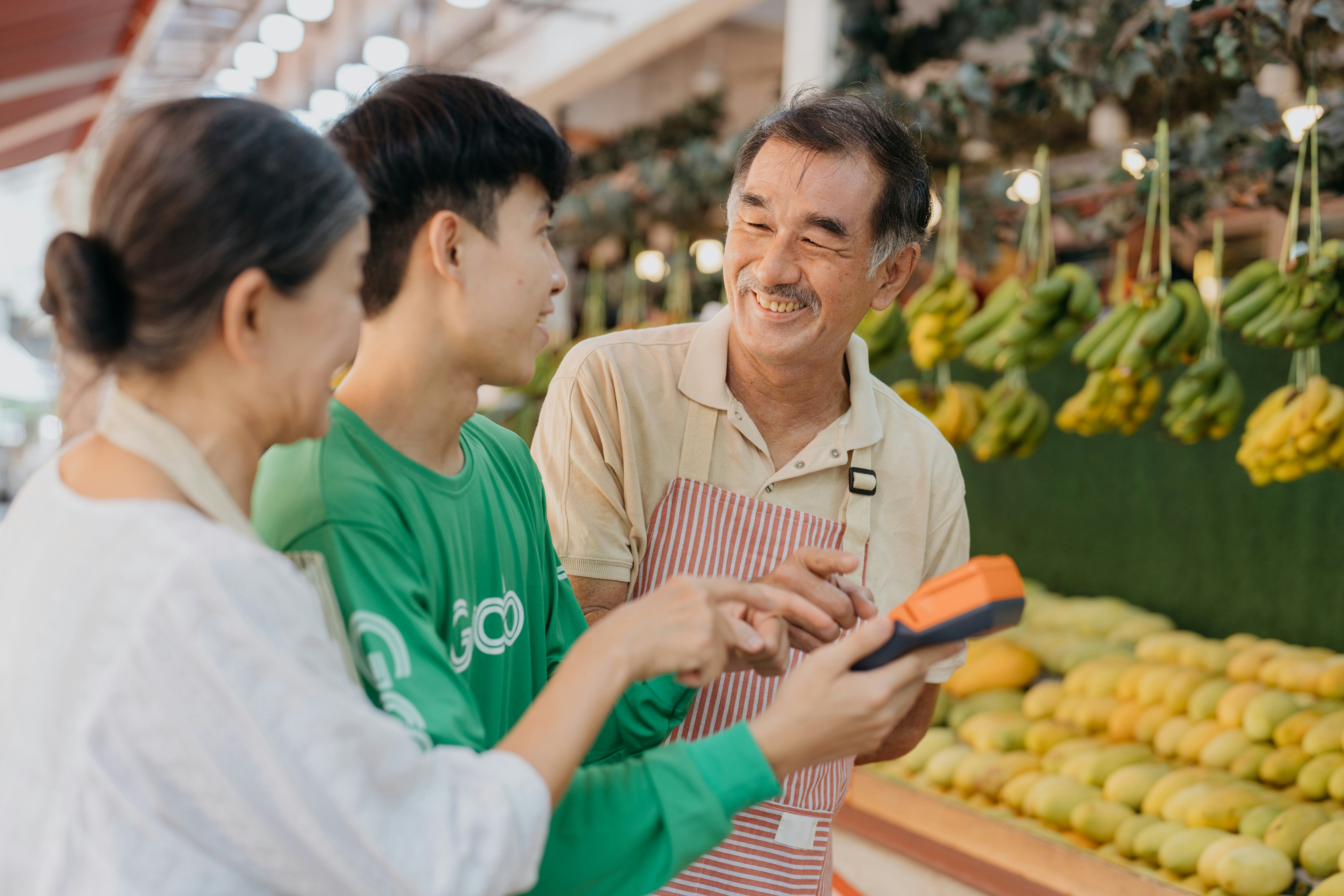
Photo by Grab
Proponents of Proposition 22 highlight the advantages of classifying drivers as contractors, emphasizing the autonomy and flexibility it grants them in structuring their work routines. However, critics argue that this classification exempts companies from fulfilling obligations typically associated with employing full-time staff, such as providing paid sick leave, health insurance, and avenues for unionization. The debate continues on whether this shift truly benefits or disadvantages gig workers in the long run.

Photo by Grab
Delivery companies like DoorDash and Uber celebrated the Supreme Court's decision, considering it a triumph for their drivers and the sustainability of the gig economy. Liz Jarvis-Shean, Vice President of Communications, expressed satisfaction in maintaining benefits and flexibility for California Dashers. Conversely, union advocates, including Service Employees International Union California director Tia Orr, viewed the ruling as a setback, criticizing the lack of essential worker protections under Proposition 22.