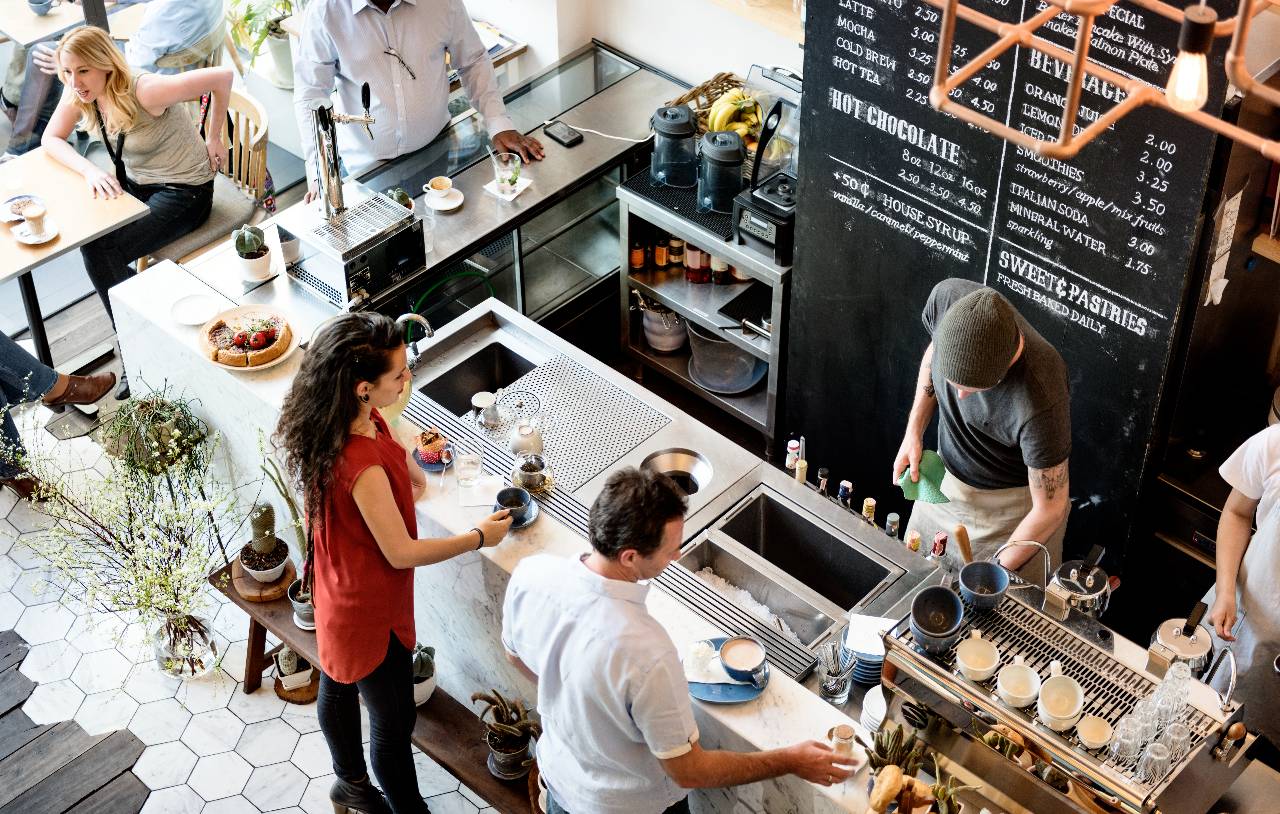
How Much Does It Cost to Open a Coffee Shop in 2026?
Opening a coffee shop in 2026 requires careful cost planning across rent, equipment, labor, technology, menu strategy, marketing, and sustainability.
operations
May 15, 2026
Opening a coffee shop in 2026 requires careful cost planning across rent, equipment, labor, technology, menu strategy, marketing, and sustainability.
May 15, 2026
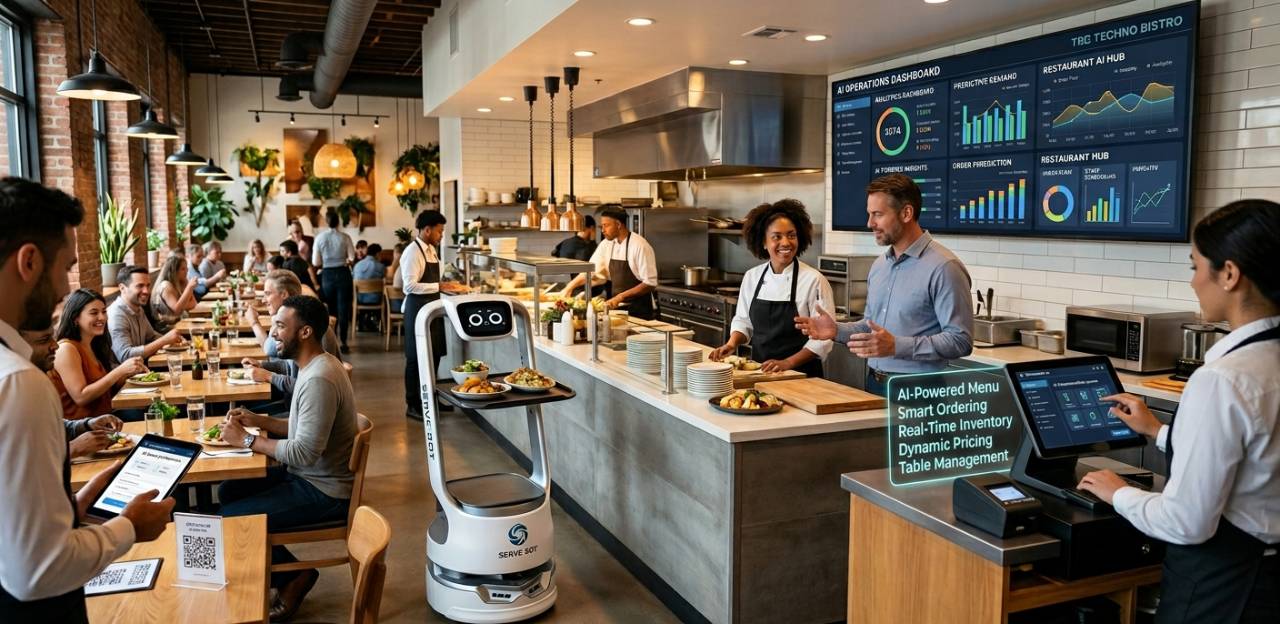
This AI playbook covers restaurant tools for voice ordering, staffing, compliance, menu pricing, inventory, marketing, ChatGPT prompts, and SEO.
May 15, 2026
Hardee’s giant Boddie-Noell inks 31-unit Scooter’s Coffee deal for NC and VA, leveraging drive-thru growth and local roots with rollout over 12–18 months.
May 15, 2026
Wingstop turns match weeks into a multi-sensory festival, aligning bold pop-ups with World Cup energy to build brand affinity and measurable momentum.
May 15, 2026
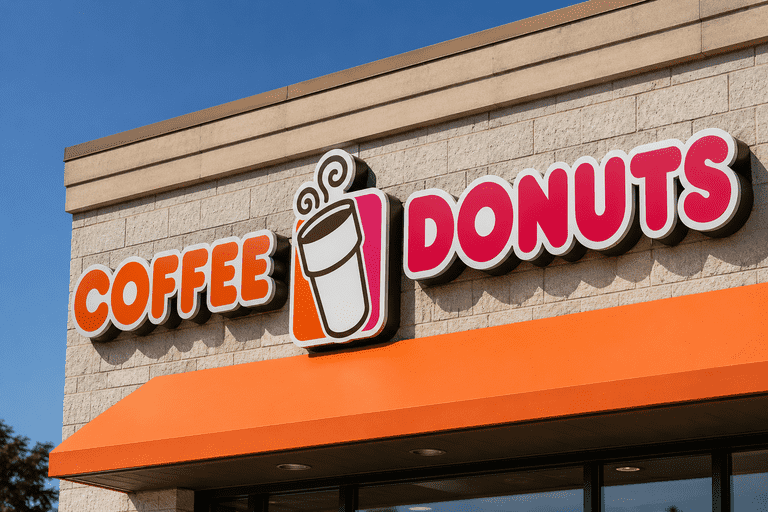
The parent company behind Dunkin', Buffalo Wild Wings, and Arby's has filed for an IPO a move that could reshape how Wall Street views the restaurant sector.
May 15, 2026

Learn how to develop a memorable restaurant brand identity that stands out in a crowded market, attracts loyal customers, and drives repeat business with actionable strategies and affordable tools.
May 15, 2026
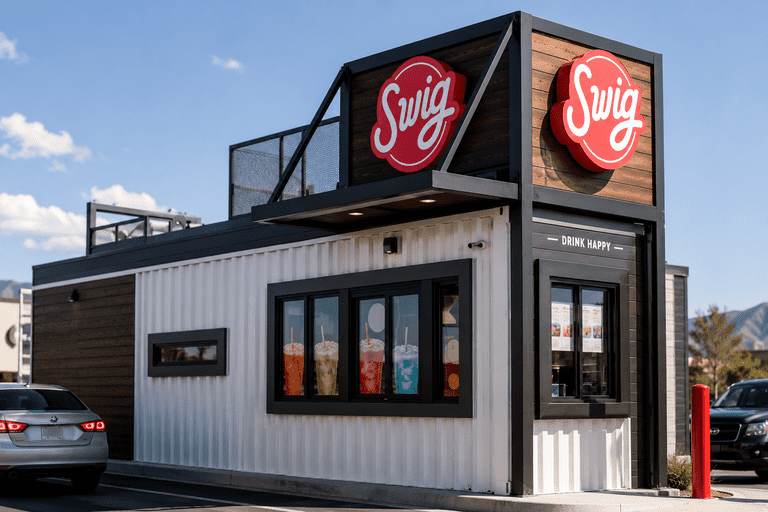
Dirty soda chain Swig is expanding into Colorado through a 10-unit franchise deal, riding a consumer beverage trend that's catching the attention of major QSR players nationwide.
May 15, 2026
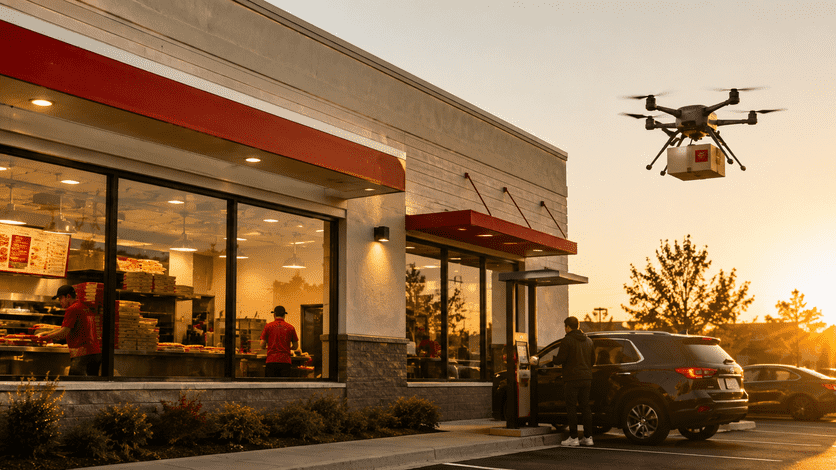
Papa Johns has teamed up with Alphabet's Wing for drone delivery of its new sandwich lineup in parts of Charlotte marking the first partnership of its kind between Wing and a national QSR brand.
May 15, 2026

A warm, expert-led look at McDonald’s Q1 results, menu makeover, and the refranchise question shaping its growth.
May 14, 2026
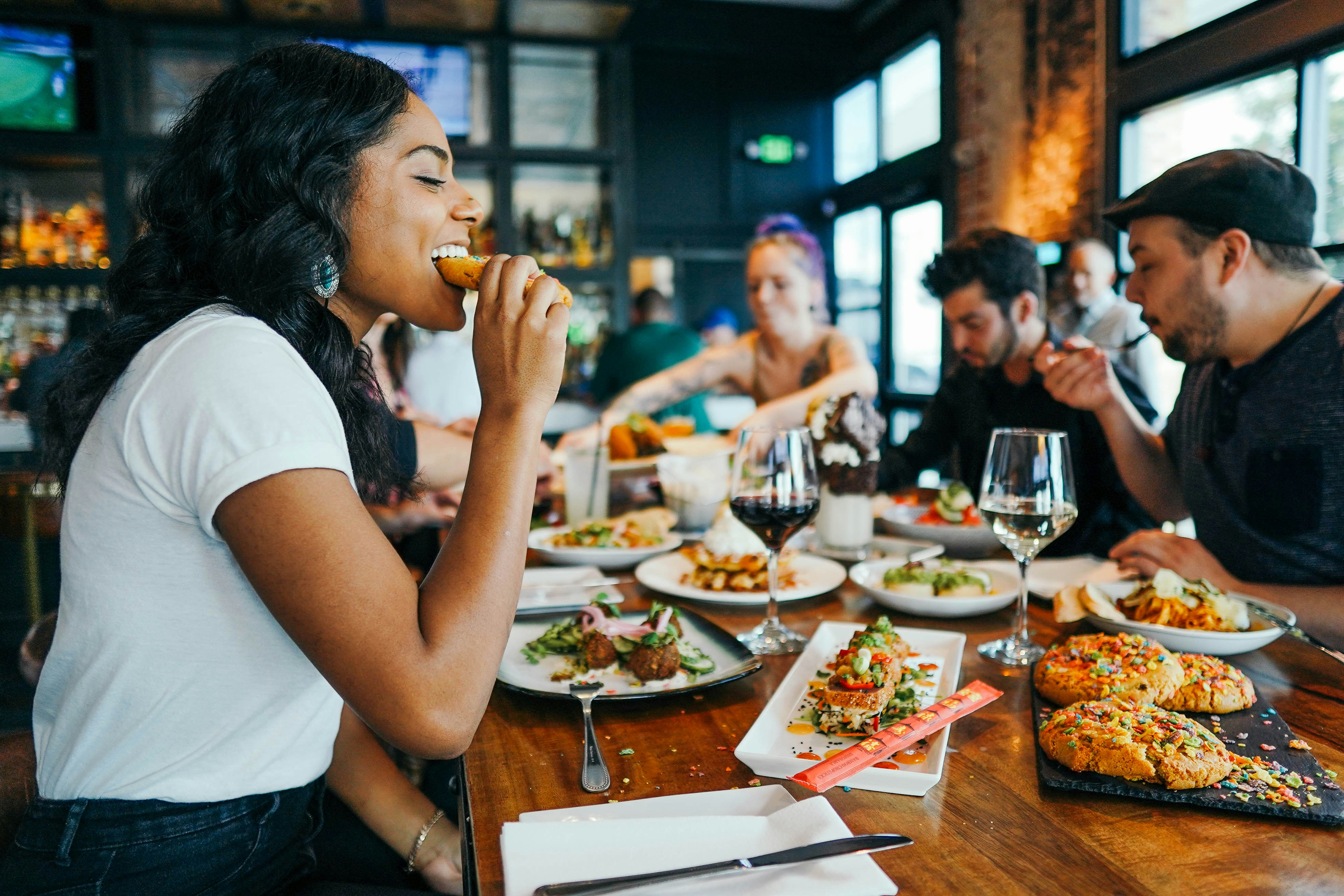
A reflective look at Habit Ranch, its immersive desert activation, and what it signals for brand loyalty and mindful, experiential dining.
May 14, 2026

Unlock Exclusive Access To Webinars, Events, And The Latest News For Free!
Explore how bankruptcy is affecting the casual dining industry, with insights into restaurant closures, financial restructuring, and the challenges faced by popular chains.

Photo by Don Starkey
Casual dining chains like Bravo Brio, Bertucci’s, and Bar Louie have been grappling with a myriad of challenges that have led to bankruptcy filings and the need for financial restructuring. High operating costs, declining consumer spending, and unfavorable economic conditions have contributed to the struggles faced by these chains. Additionally, the shifting landscape of the restaurant industry, with an increasing emphasis on delivery and changing consumer preferences, has posed additional hurdles for traditional dine-in establishments.
Bankruptcy processes offer struggling restaurant chains the opportunity to close underperforming locations, renegotiate debt agreements, and streamline operational expenses. By filing for bankruptcy, companies can reevaluate their business models, adjust their strategies, and work towards achieving long-term financial stability. While bankruptcy may come with temporary setbacks and closures, it can ultimately pave the way for a more sustainable and resilient operation in the future.
Casual dining chains often cite rising input costs, such as food and labor expenses, as significant factors contributing to their financial distress. Additionally, challenges related to consumer confidence, economic downturns, and unexpected events like the COVID-19 pandemic have further strained the profitability of these establishments. The inability to adapt quickly to changing market dynamics and evolving consumer preferences has also played a role in the financial struggles faced by many casual dining chains.
The casual dining sector is undergoing a period of transformation, with traditional chains facing increasing competition from fast-casual concepts, delivery services, and home meal kits. To stay relevant and competitive, restaurant chains must innovate, enhance their digital presence, and offer unique dining experiences to attract customers. While bankruptcy may signal a challenging time for these establishments, it also presents an opportunity for reinvention and strategic growth. By addressing underlying issues and embracing change, casual dining chains can emerge stronger and more resilient in the post-bankruptcy landscape.