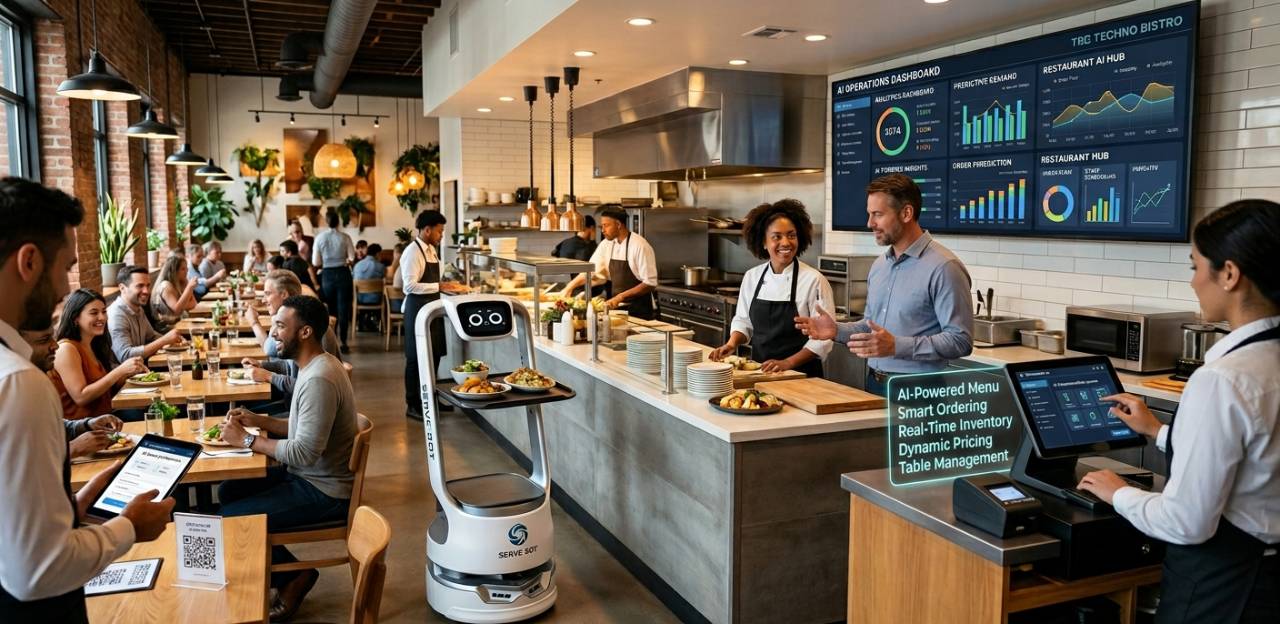
AI Playbook for Restaurant Owners
This AI playbook covers restaurant tools for voice ordering, staffing, compliance, menu pricing, inventory, marketing, ChatGPT prompts, and SEO.
tech
May 15, 2026
This AI playbook covers restaurant tools for voice ordering, staffing, compliance, menu pricing, inventory, marketing, ChatGPT prompts, and SEO.
May 15, 2026

Opening a coffee shop in 2026 requires careful cost planning across rent, equipment, labor, technology, menu strategy, marketing, and sustainability.
May 15, 2026

Hardee’s giant Boddie-Noell inks 31-unit Scooter’s Coffee deal for NC and VA, leveraging drive-thru growth and local roots with rollout over 12–18 months.
May 15, 2026
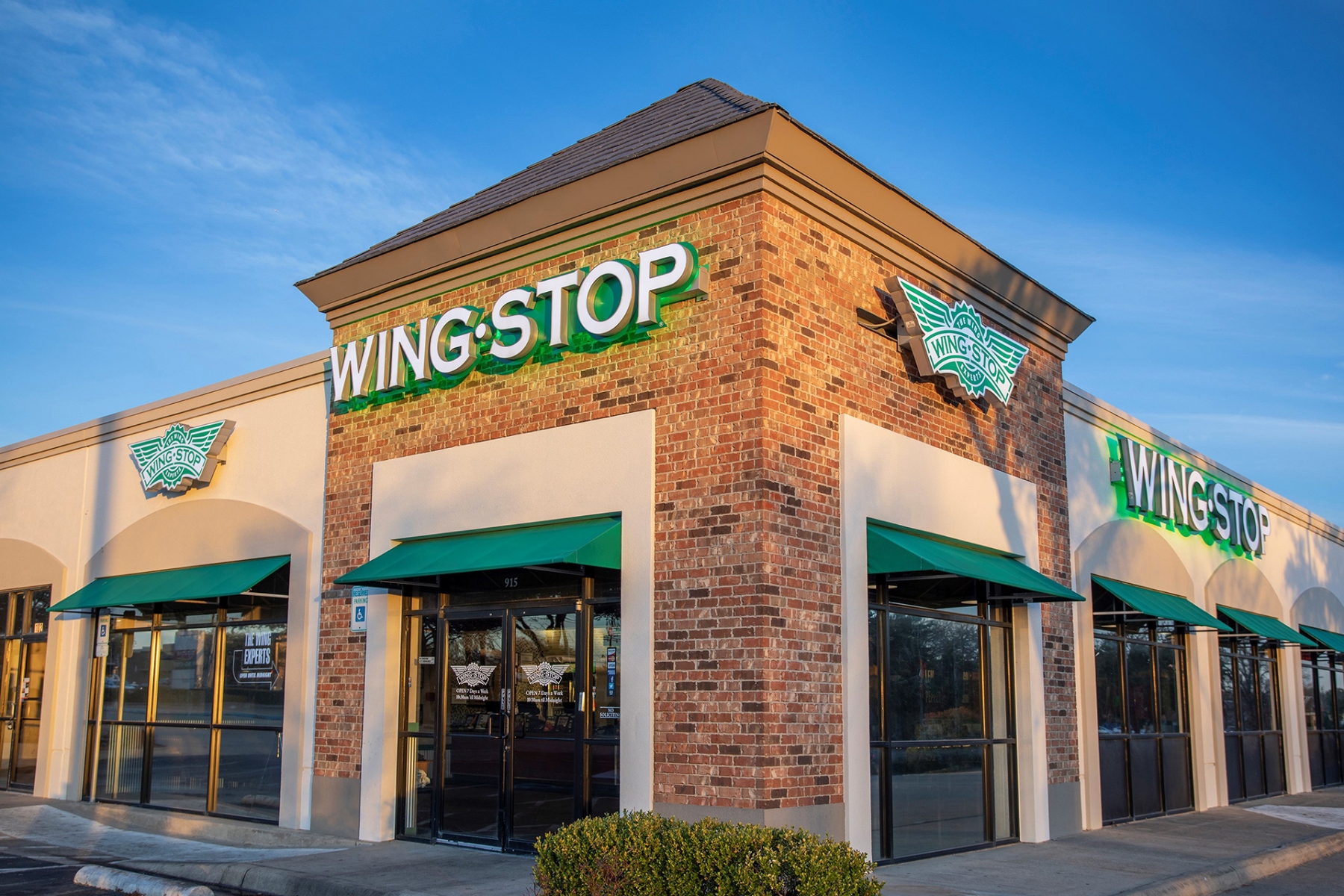
Wingstop turns match weeks into a multi-sensory festival, aligning bold pop-ups with World Cup energy to build brand affinity and measurable momentum.
May 15, 2026

Learn how to develop a memorable restaurant brand identity that stands out in a crowded market, attracts loyal customers, and drives repeat business with actionable strategies and affordable tools.
May 15, 2026
The parent company behind Dunkin', Buffalo Wild Wings, and Arby's has filed for an IPO a move that could reshape how Wall Street views the restaurant sector.
May 15, 2026
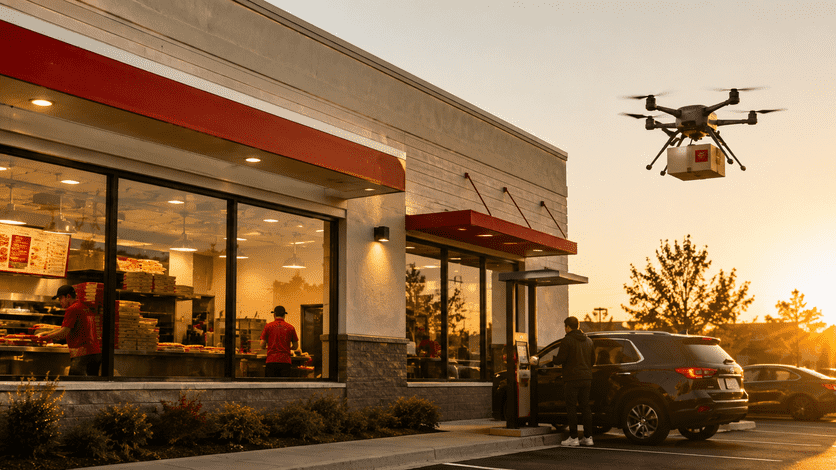
Papa Johns has teamed up with Alphabet's Wing for drone delivery of its new sandwich lineup in parts of Charlotte marking the first partnership of its kind between Wing and a national QSR brand.
May 15, 2026
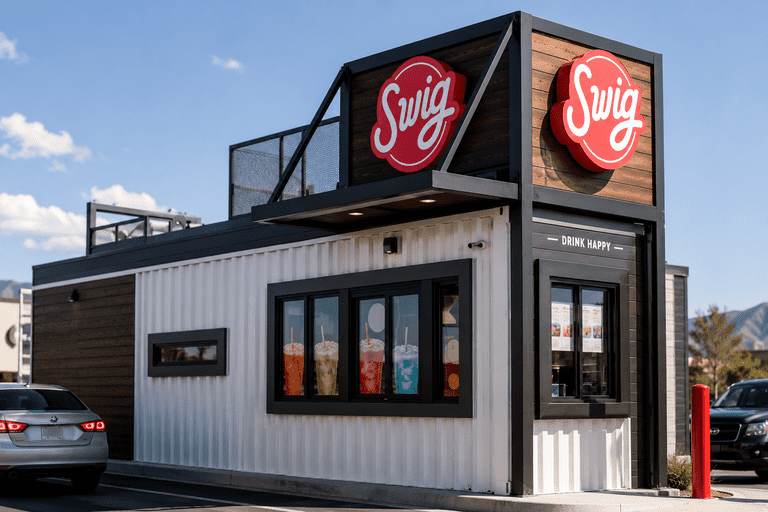
Dirty soda chain Swig is expanding into Colorado through a 10-unit franchise deal, riding a consumer beverage trend that's catching the attention of major QSR players nationwide.
May 15, 2026

A warm, expert-led look at McDonald’s Q1 results, menu makeover, and the refranchise question shaping its growth.
May 14, 2026

A reflective look at Habit Ranch, its immersive desert activation, and what it signals for brand loyalty and mindful, experiential dining.
May 14, 2026

Unlock Exclusive Access To Webinars, Events, And The Latest News For Free!
Exploring the influence of AI on technology and innovation.
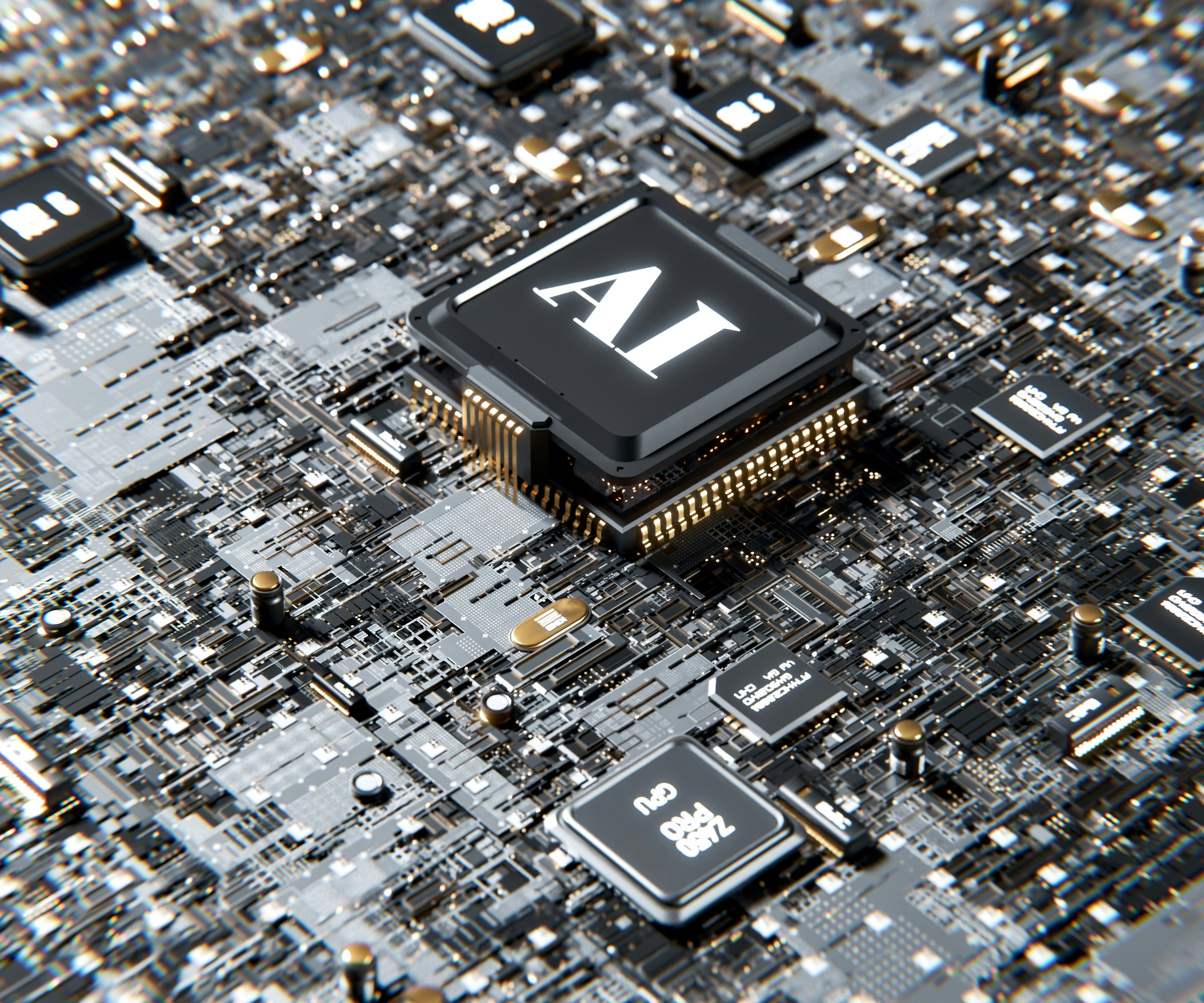
Photo by Igor Omilaev

Photo by Igor Omilaev
Artificial Intelligence (AI) is a branch of computer science that aims to create machines capable of performing tasks that typically require human intelligence. This includes learning, problem-solving, reasoning, perception, and language understanding. Through the use of algorithms and data, AI systems can analyze patterns, make decisions, and improve over time.
AI has found numerous applications in the tech industry, revolutionizing various sectors. From chatbots and virtual assistants enhancing customer support to predictive analytics improving decision-making processes, AI is transforming how businesses operate. In healthcare, AI is being used for medical image analysis, drug discovery, and personalized patient care. In manufacturing, AI-powered robots are streamlining production processes and increasing efficiency.

Photo by Igor Omilaev
Machine Learning, a subset of AI, focuses on developing algorithms that enable machines to learn from and make predictions or decisions based on data. Deep Learning, a more advanced form of ML, involves artificial neural networks that mimic the way the human brain processes information. Deep Learning is behind breakthroughs in image and speech recognition, natural language processing, and autonomous vehicles.
While AI brings forth numerous benefits, it also presents challenges and ethical considerations. Concerns about privacy, bias in algorithms, job displacement, and the potential for AI to surpass human intelligence (superintelligence) are topics of ongoing debate. Ensuring that AI systems are transparent, accountable, and fair is essential for mitigating these risks and building trust in AI technologies.