How Much Does It Cost to Open a Coffee Shop in 2026?
Opening a coffee shop in 2026 requires careful cost planning across rent, equipment, labor, technology, menu strategy, marketing, and sustainability.
operations
May 15, 2026
Opening a coffee shop in 2026 requires careful cost planning across rent, equipment, labor, technology, menu strategy, marketing, and sustainability.
May 15, 2026

This AI playbook covers restaurant tools for voice ordering, staffing, compliance, menu pricing, inventory, marketing, ChatGPT prompts, and SEO.
May 15, 2026

Hardee’s giant Boddie-Noell inks 31-unit Scooter’s Coffee deal for NC and VA, leveraging drive-thru growth and local roots with rollout over 12–18 months.
May 15, 2026

Wingstop turns match weeks into a multi-sensory festival, aligning bold pop-ups with World Cup energy to build brand affinity and measurable momentum.
May 15, 2026

The parent company behind Dunkin', Buffalo Wild Wings, and Arby's has filed for an IPO a move that could reshape how Wall Street views the restaurant sector.
May 15, 2026

Learn how to develop a memorable restaurant brand identity that stands out in a crowded market, attracts loyal customers, and drives repeat business with actionable strategies and affordable tools.
May 15, 2026

Dirty soda chain Swig is expanding into Colorado through a 10-unit franchise deal, riding a consumer beverage trend that's catching the attention of major QSR players nationwide.
May 15, 2026

Papa Johns has teamed up with Alphabet's Wing for drone delivery of its new sandwich lineup in parts of Charlotte marking the first partnership of its kind between Wing and a national QSR brand.
May 15, 2026

A warm, expert-led look at McDonald’s Q1 results, menu makeover, and the refranchise question shaping its growth.
May 14, 2026

A reflective look at Habit Ranch, its immersive desert activation, and what it signals for brand loyalty and mindful, experiential dining.
May 14, 2026

Unlock Exclusive Access To Webinars, Events, And The Latest News For Free!
Explore the impact of AI, Robotics, and Economic Outlook on the Hospitality Sector. Learn about the evolving landscape of restaurant robotics and consumer beverage trends.
Photo by Alexandr Popadin
The use of robotics in the restaurant industry has been a topic of debate and innovation. Despite the promises of labor-saving technology showcased in events like the NRA Show, actual implementation in the field remains limited. With around 724,000 restaurants in the U.S., the scale of adoption poses a challenge. The vision of robots taking over human jobs in restaurants, as depicted in early reports, has not materialized as expected. In fact, the industry has experienced significant growth in the number of workers since the initial predictions.
Photo by Alexandr Popadin
While AI and robotics present opportunities for backend data analysis, the core service aspect of hospitality remains deeply rooted in human interaction. Industry experts like Bruce Nelson emphasize the intrinsic value of the human touch in the dining experience. The balance between leveraging technology for efficiency while preserving the essential human element in customer service poses a critical question for the industry.

Photo by Alexandr Popadin
Companies like Richtech Robotics are introducing specialized robots, such as the barista bot Adam, designed to assist rather than replace human workers. Adam's ability to handle various tasks, from crafting beverages to food preparation, showcases a collaborative approach where robots complement existing staff. However, the cost-benefit analysis of deploying such robots raises questions about their widespread adoption in the industry.
Photo by Alexandr Popadin
The macroeconomic landscape poses uncertainties for the restaurant sector. Insights from industry specialists indicate mixed signals regarding changes in consumer traffic and spending patterns. While some establishments have seen recovery post downturns, others are facing challenges. With potential tariff impacts looming, the industry awaits clearer indicators to gauge the economic trajectory.
Shifting consumer preferences, especially among Gen Z, are influencing beverage consumption patterns. Reports suggest a declining interest in alcohol consumption, potentially driven by health and financial considerations. This shift has prompted an emergence of non-alcoholic beverage offerings in restaurants, catering to a growing demand for alternative drink options.
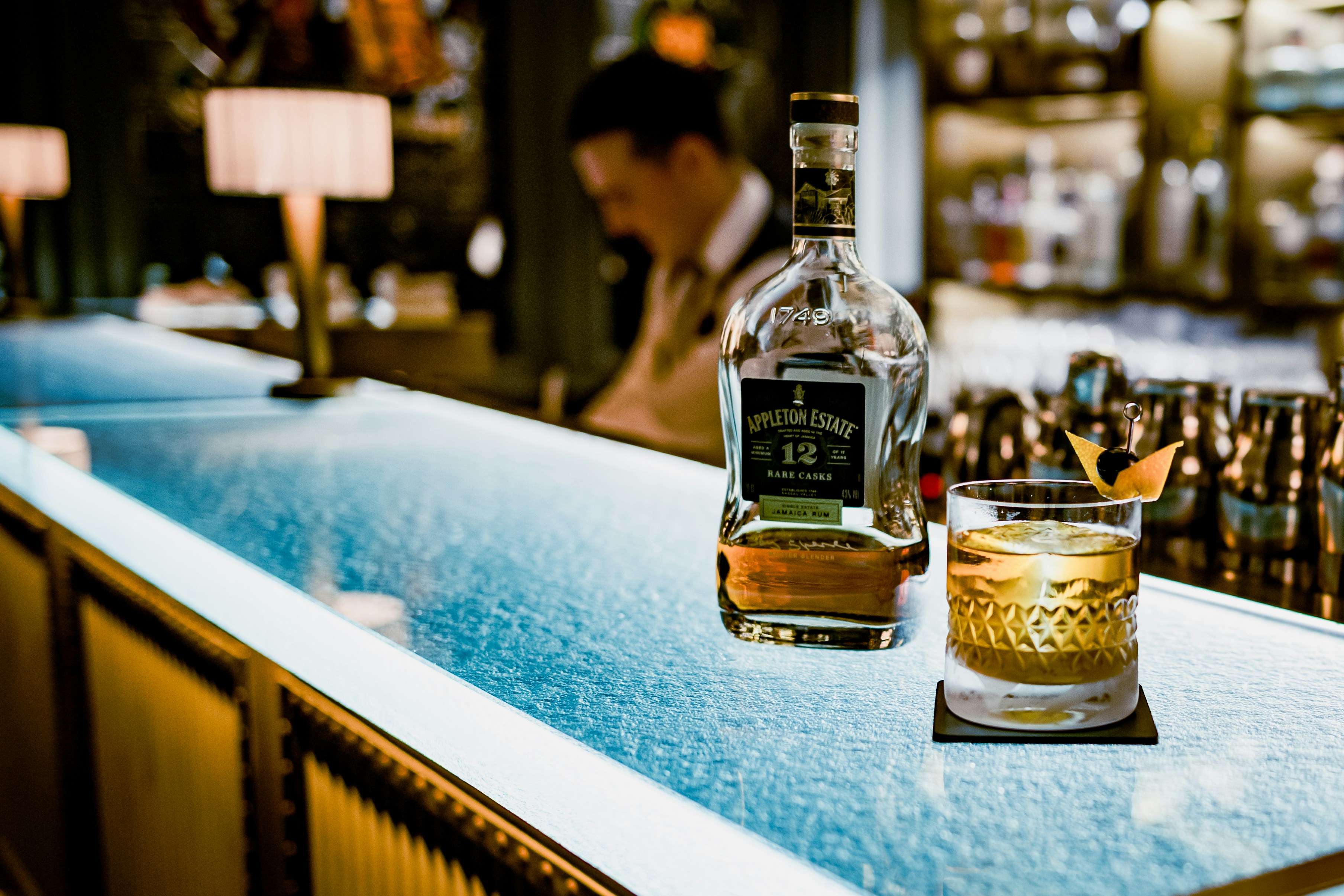
Photo by Alexandr Popadin
As non-alcoholic beverages gain popularity, pricing strategies play a crucial role in consumer adoption. The parity in pricing between alcoholic and non-alcoholic options, as observed in various markets, highlights a strategic approach to cater to changing preferences. The willingness of consumers to pay premium prices for artisanal non-alcoholic drinks poses a test for industry sustainability.