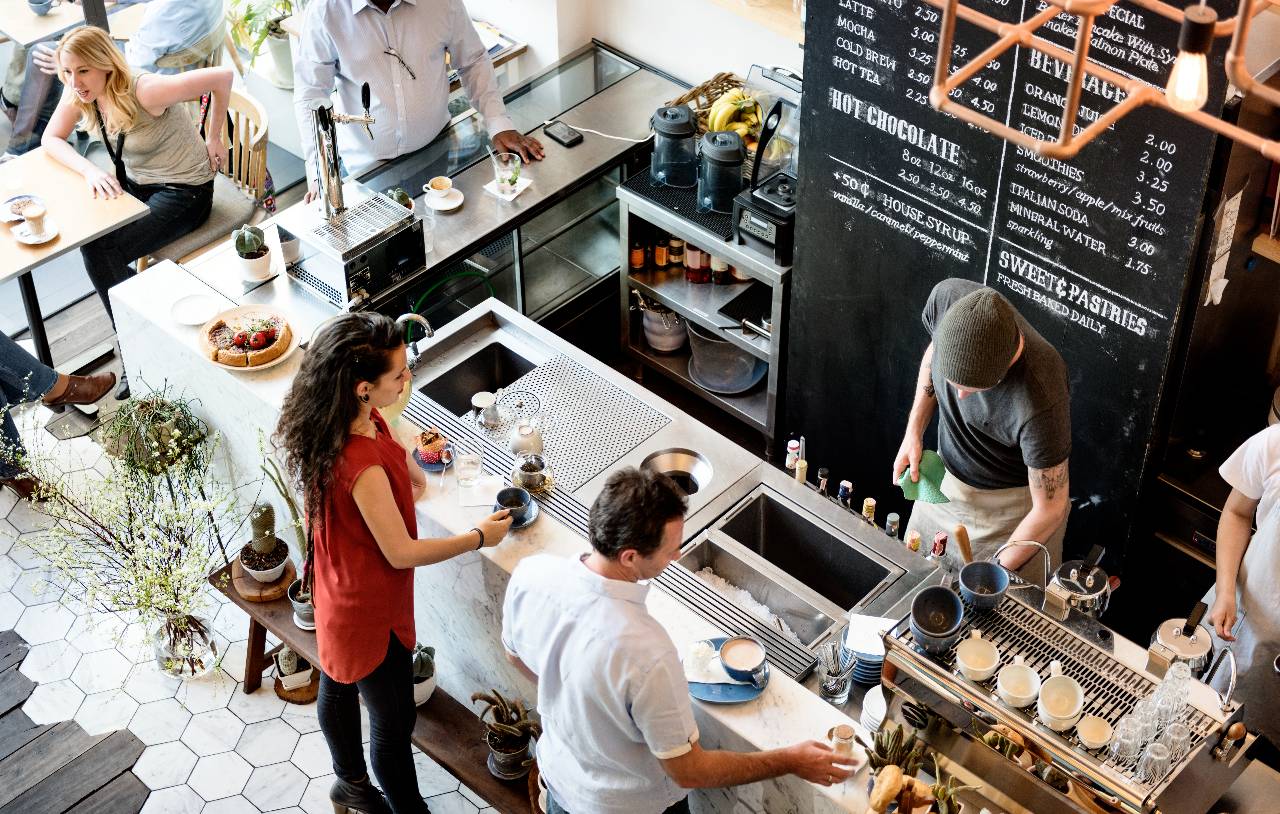
How Much Does It Cost to Open a Coffee Shop in 2026?
Opening a coffee shop in 2026 requires careful cost planning across rent, equipment, labor, technology, menu strategy, marketing, and sustainability.
operations
May 15, 2026
Opening a coffee shop in 2026 requires careful cost planning across rent, equipment, labor, technology, menu strategy, marketing, and sustainability.
May 15, 2026
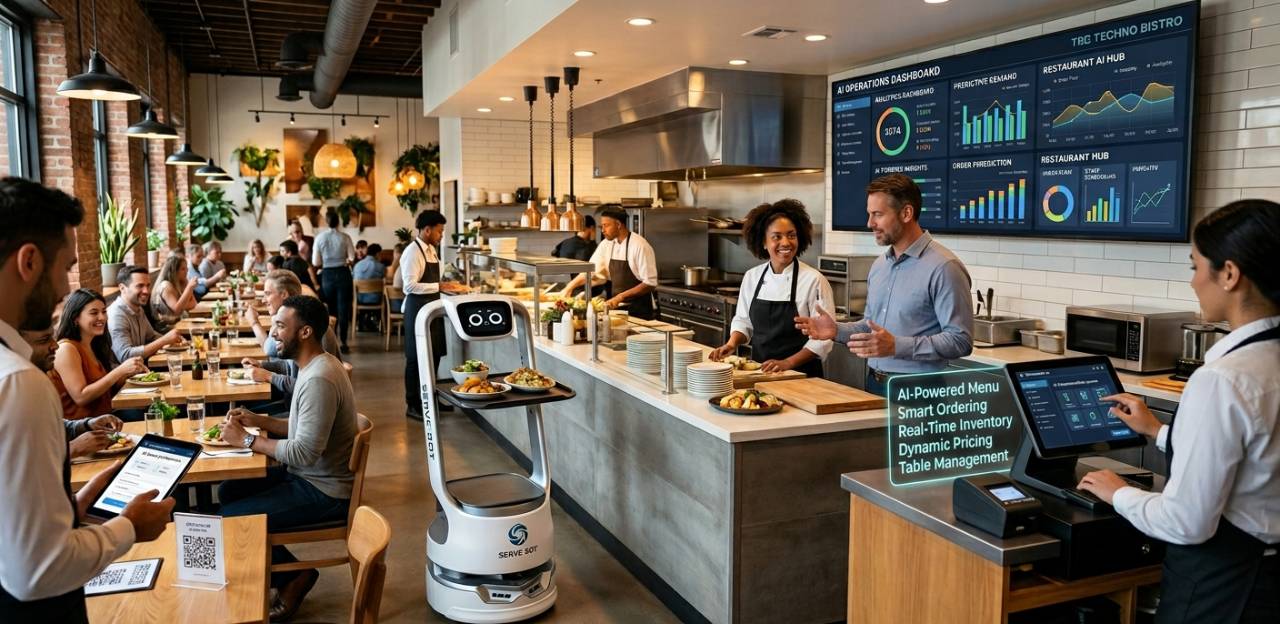
This AI playbook covers restaurant tools for voice ordering, staffing, compliance, menu pricing, inventory, marketing, ChatGPT prompts, and SEO.
May 15, 2026
Hardee’s giant Boddie-Noell inks 31-unit Scooter’s Coffee deal for NC and VA, leveraging drive-thru growth and local roots with rollout over 12–18 months.
May 15, 2026
Wingstop turns match weeks into a multi-sensory festival, aligning bold pop-ups with World Cup energy to build brand affinity and measurable momentum.
May 15, 2026
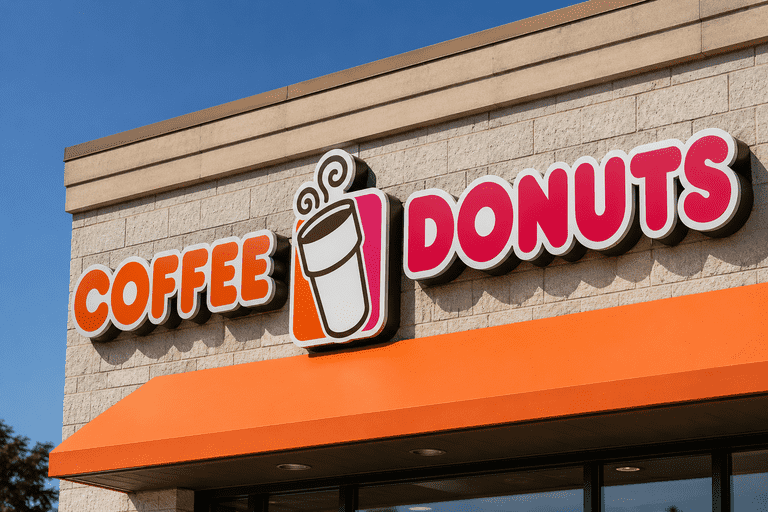
The parent company behind Dunkin', Buffalo Wild Wings, and Arby's has filed for an IPO a move that could reshape how Wall Street views the restaurant sector.
May 15, 2026

Learn how to develop a memorable restaurant brand identity that stands out in a crowded market, attracts loyal customers, and drives repeat business with actionable strategies and affordable tools.
May 15, 2026
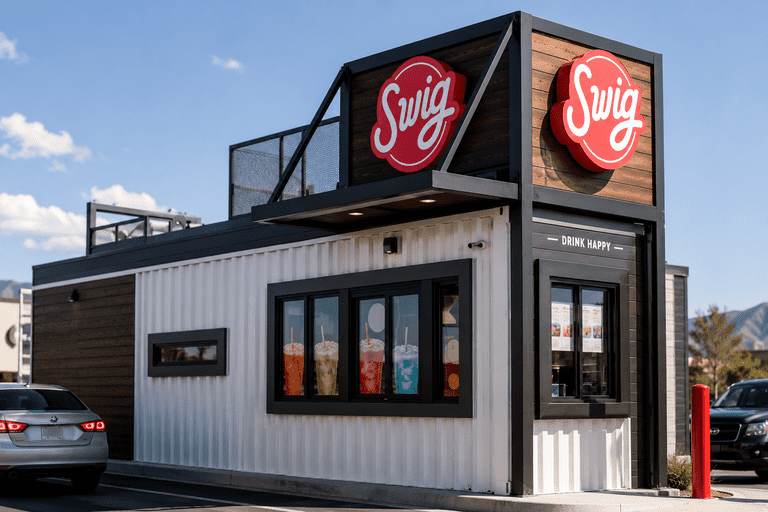
Dirty soda chain Swig is expanding into Colorado through a 10-unit franchise deal, riding a consumer beverage trend that's catching the attention of major QSR players nationwide.
May 15, 2026
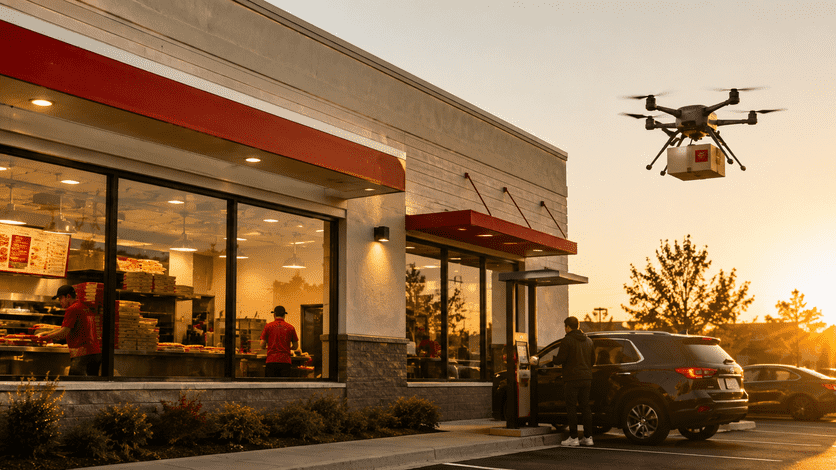
Papa Johns has teamed up with Alphabet's Wing for drone delivery of its new sandwich lineup in parts of Charlotte marking the first partnership of its kind between Wing and a national QSR brand.
May 15, 2026
A warm, expert-led look at McDonald’s Q1 results, menu makeover, and the refranchise question shaping its growth.
May 14, 2026
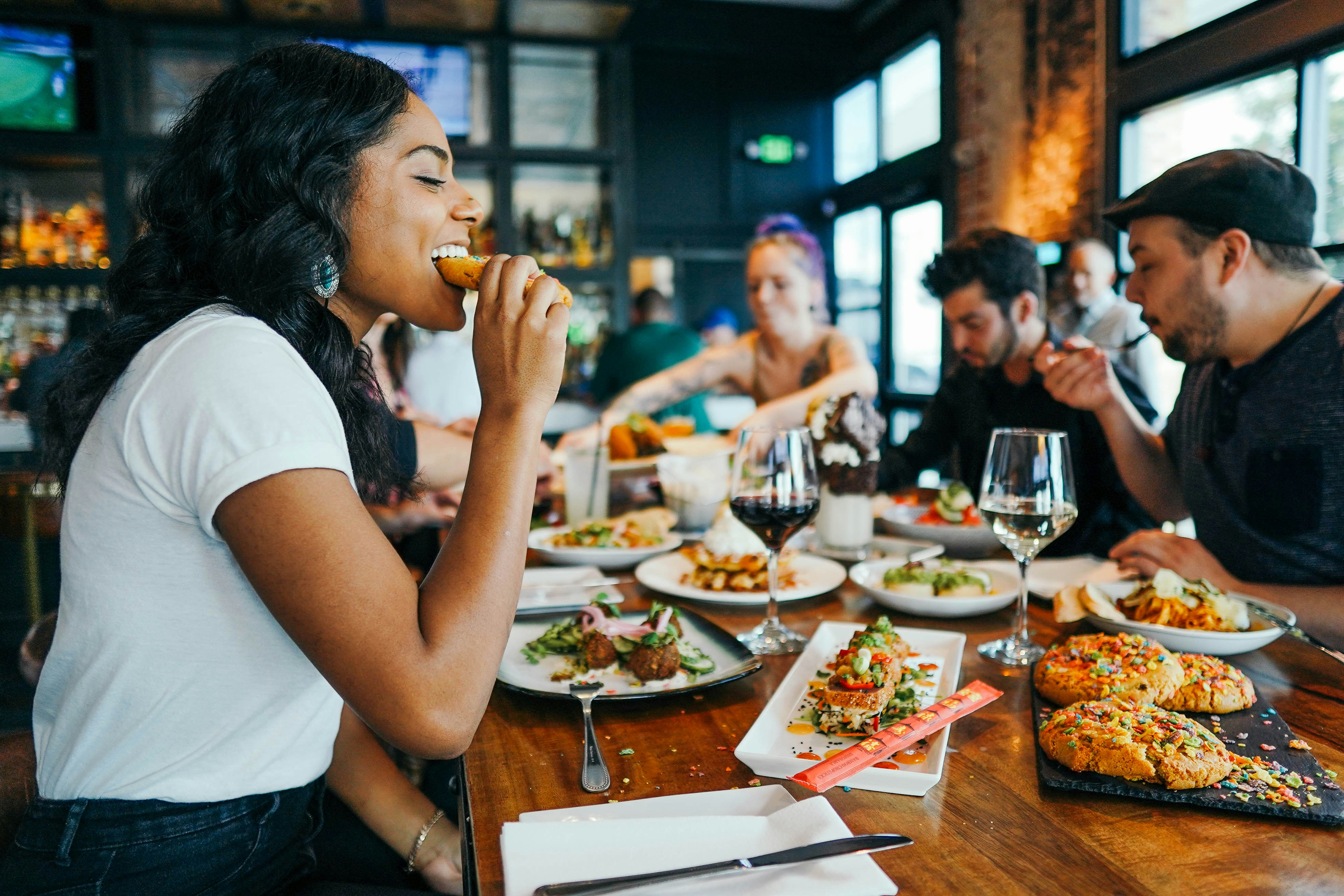
A reflective look at Habit Ranch, its immersive desert activation, and what it signals for brand loyalty and mindful, experiential dining.
May 14, 2026

Unlock Exclusive Access To Webinars, Events, And The Latest News For Free!
Explore the latest developments in the restaurant industry, from McDonald's shifting its DEI policy to KFC's transformation plan and the impact of merger and acquisition activity on regional brands.
McDonald's recent announcement regarding its decision to walk back its official Diversity, Equity, and Inclusion (DEI) policy has sparked discussions within the restaurant industry. This move comes at a time when many companies are reevaluating their diversity initiatives and practices. While specifics about McDonald's revised approach are yet to be fully disclosed, the brand's pivot emphasizes the ongoing importance of fostering inclusivity and equality within the workplace.
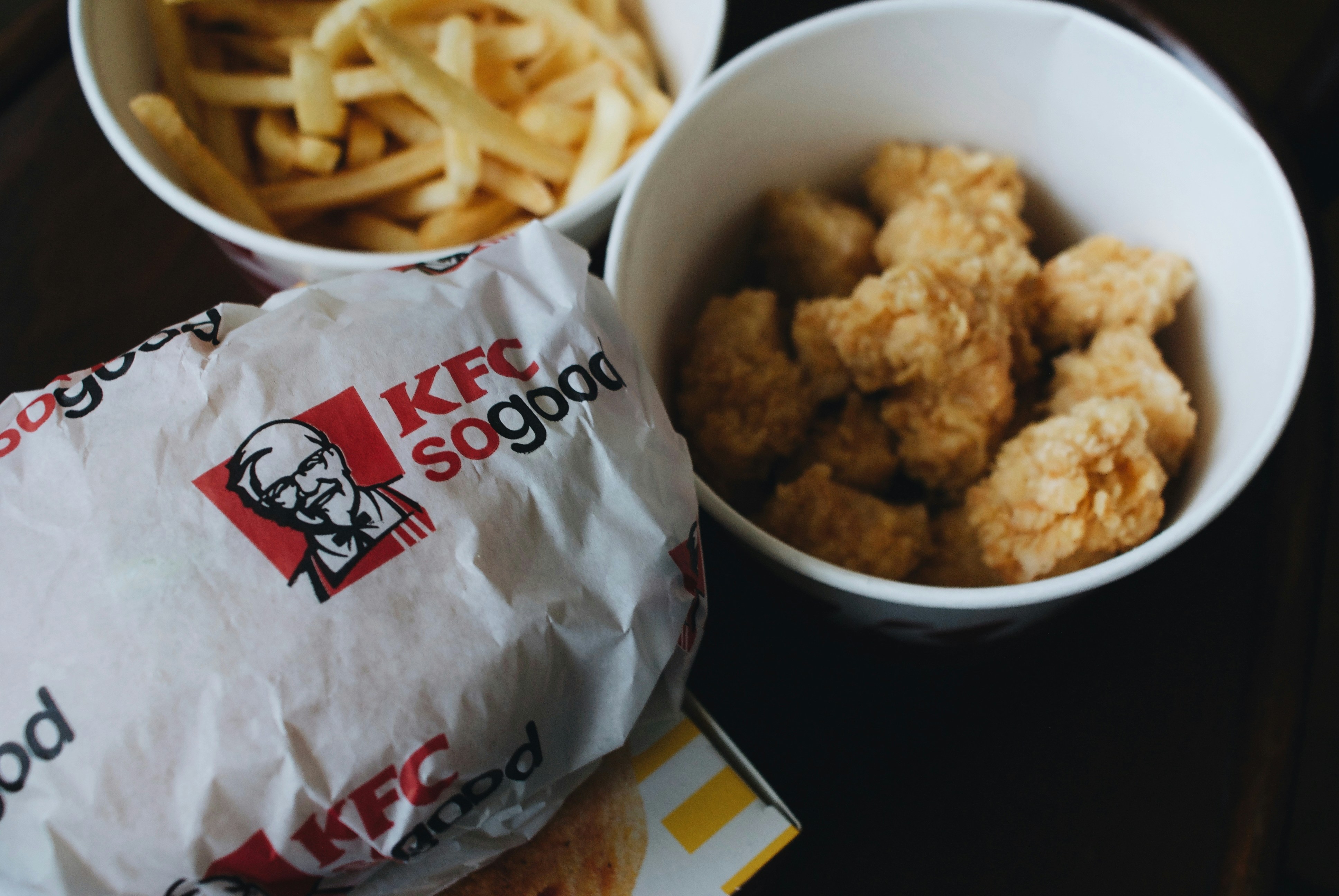
Restaurants, including fast-food chains like McDonald's and KFC, are recognizing the significance of diversifying their talent pipelines. By incorporating individuals from various backgrounds, cultures, and experiences, companies can benefit from a more innovative and dynamic workforce. Diversity in talent pipelines not only enhances creativity and problem-solving but also enables organizations to better understand and cater to diverse consumer demographics.
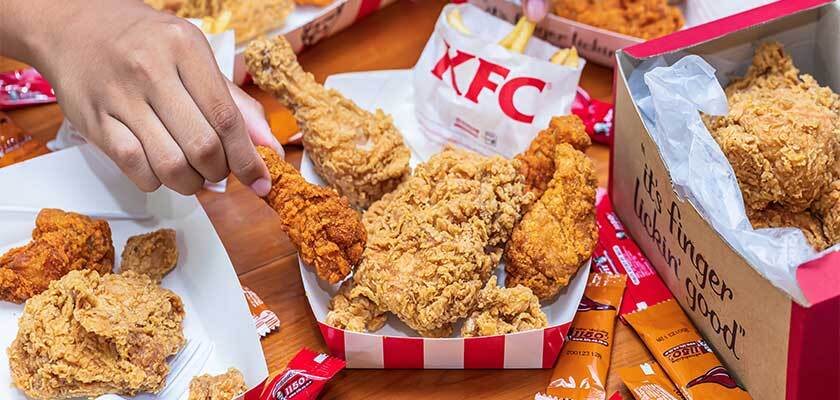
KFC faced challenges in 2024, experiencing consecutive quarters of negative same-store sales and decreasing system sales despite a strong demand for chicken products. In response, the chain unveiled a transformation plan aimed at revitalizing its brand and reinvigorating growth. This strategic initiative encompasses comprehensive changes such as menu innovation, store redesigns, and enhanced customer experiences to attract and retain customers in a competitive market.
As KFC implements its transformation plan, industry experts are eager to see if the new strategies will reverse the brand's recent sales slumps and propel it towards success. By adapting to evolving consumer preferences, streamlining operations, and differentiating itself from competitors, KFC aims to regain market share and satisfy customer demands. The success of this transformation plan will be a critical indicator of KFC's ability to adapt and thrive in a changing industry landscape.
With merger and acquisition activity gaining momentum in 2025, smaller regional restaurant brands are facing new opportunities and challenges. The consolidation within the industry can provide regional brands with access to resources, technology, and wider market reach. However, it also brings increased competition and the need to differentiate themselves to maintain market relevance. Understanding the implications of mergers and acquisitions is crucial for regional brands to navigate the evolving competitive landscape effectively.