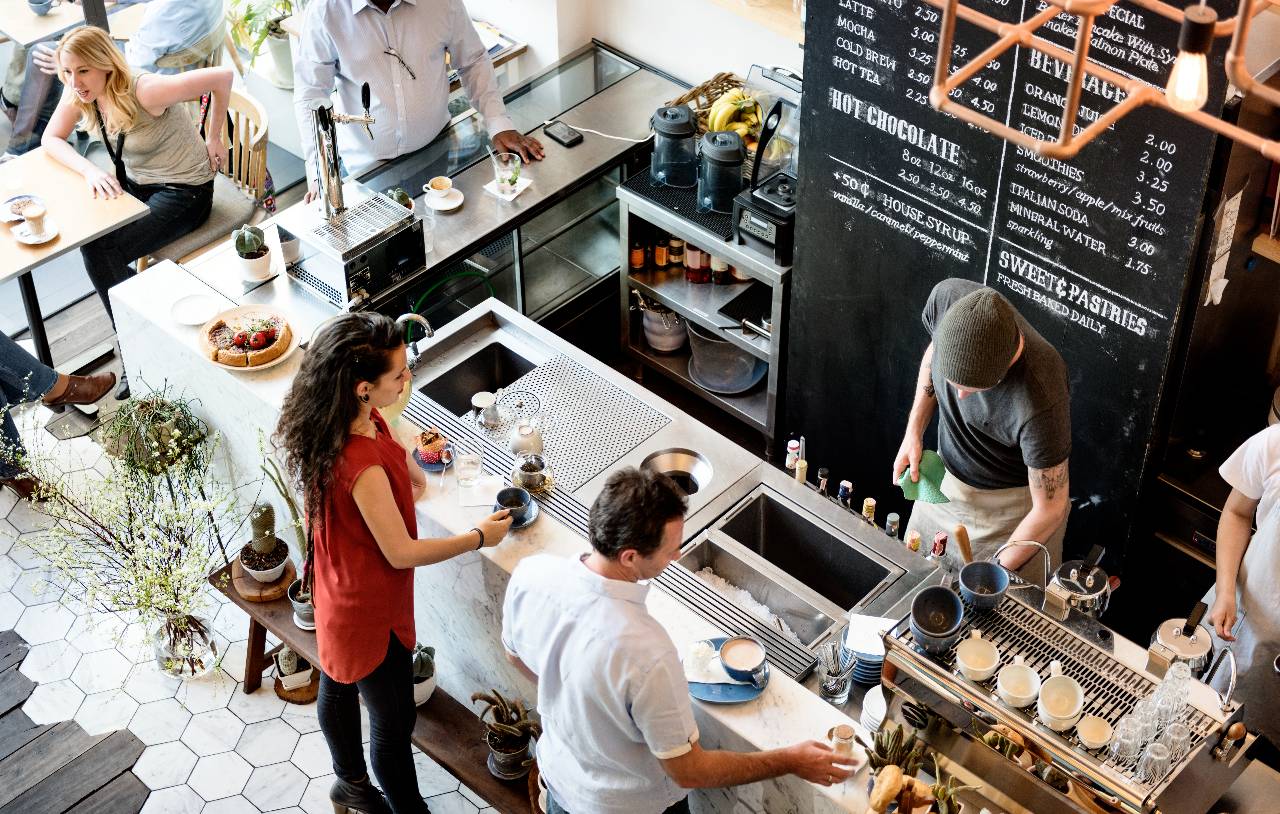
How Much Does It Cost to Open a Coffee Shop in 2026?
Opening a coffee shop in 2026 requires careful cost planning across rent, equipment, labor, technology, menu strategy, marketing, and sustainability.
operations
May 15, 2026
Opening a coffee shop in 2026 requires careful cost planning across rent, equipment, labor, technology, menu strategy, marketing, and sustainability.
May 15, 2026
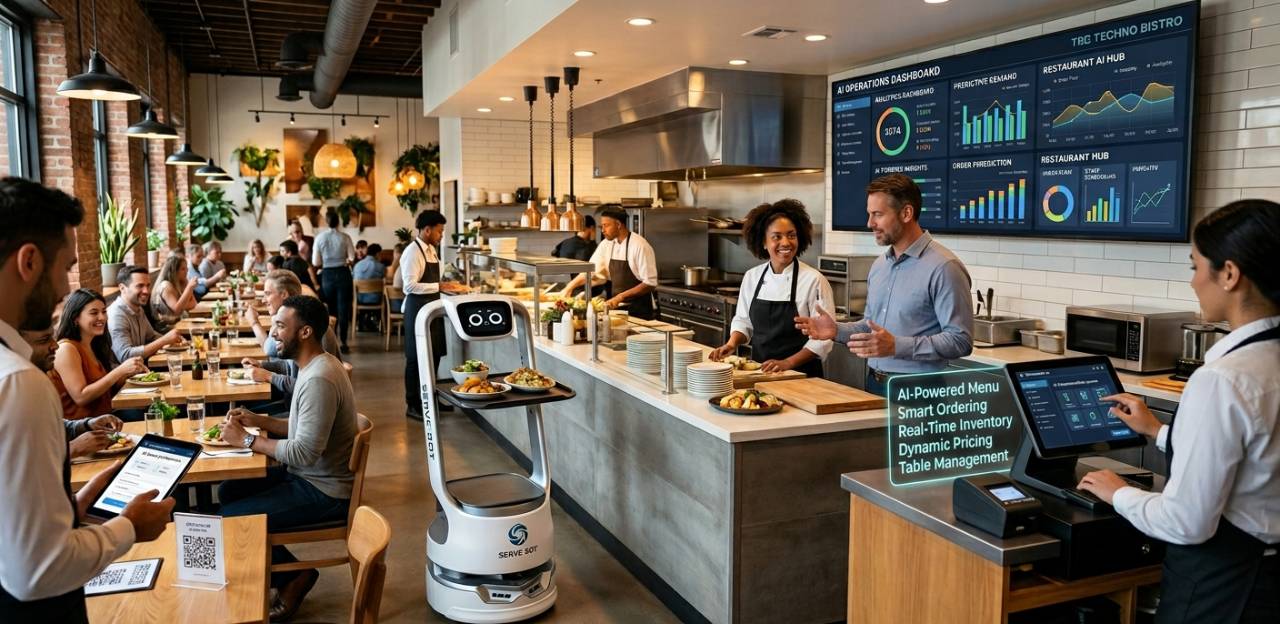
This AI playbook covers restaurant tools for voice ordering, staffing, compliance, menu pricing, inventory, marketing, ChatGPT prompts, and SEO.
May 15, 2026
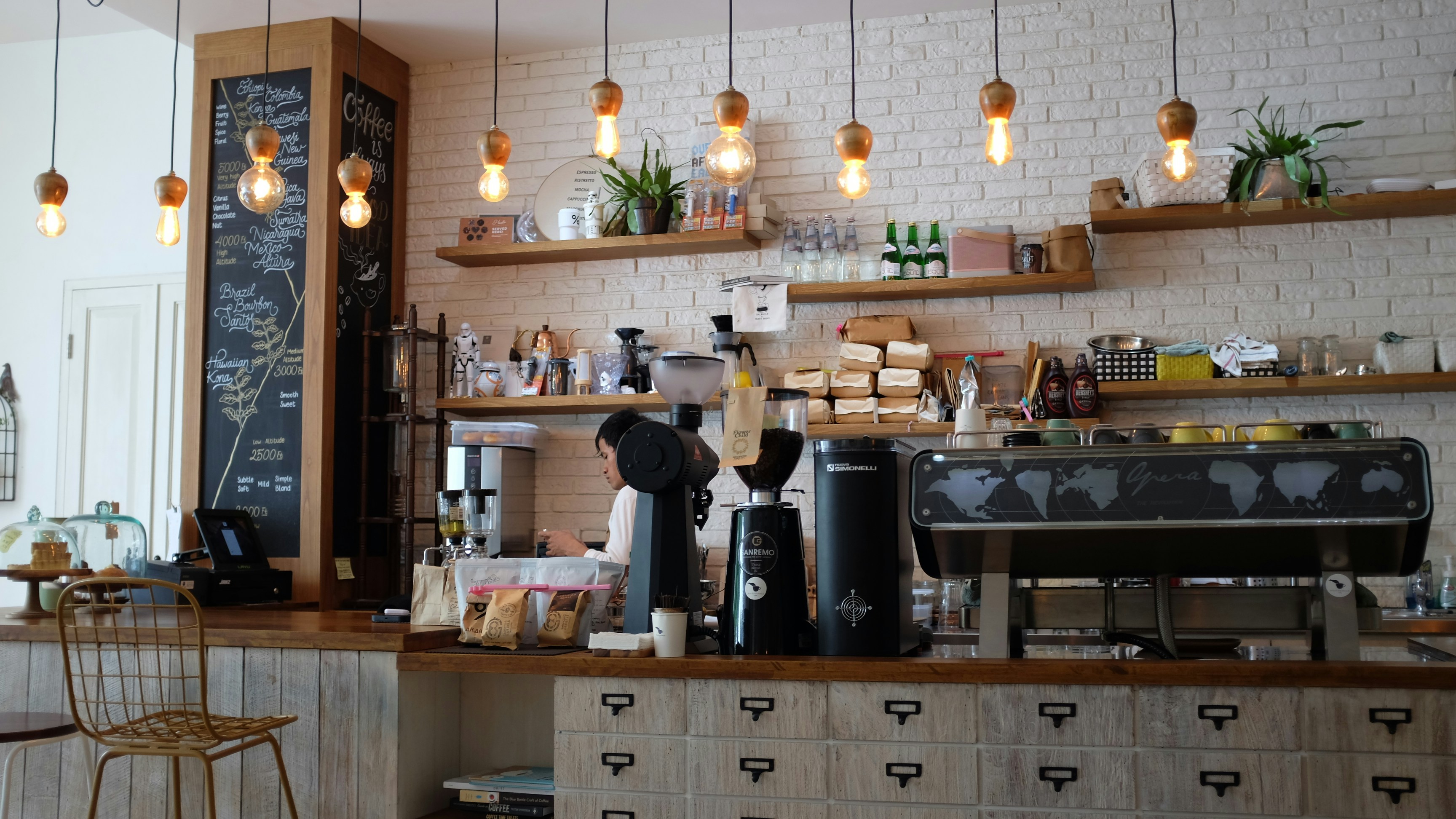
Hardee’s giant Boddie-Noell inks 31-unit Scooter’s Coffee deal for NC and VA, leveraging drive-thru growth and local roots with rollout over 12–18 months.
May 15, 2026
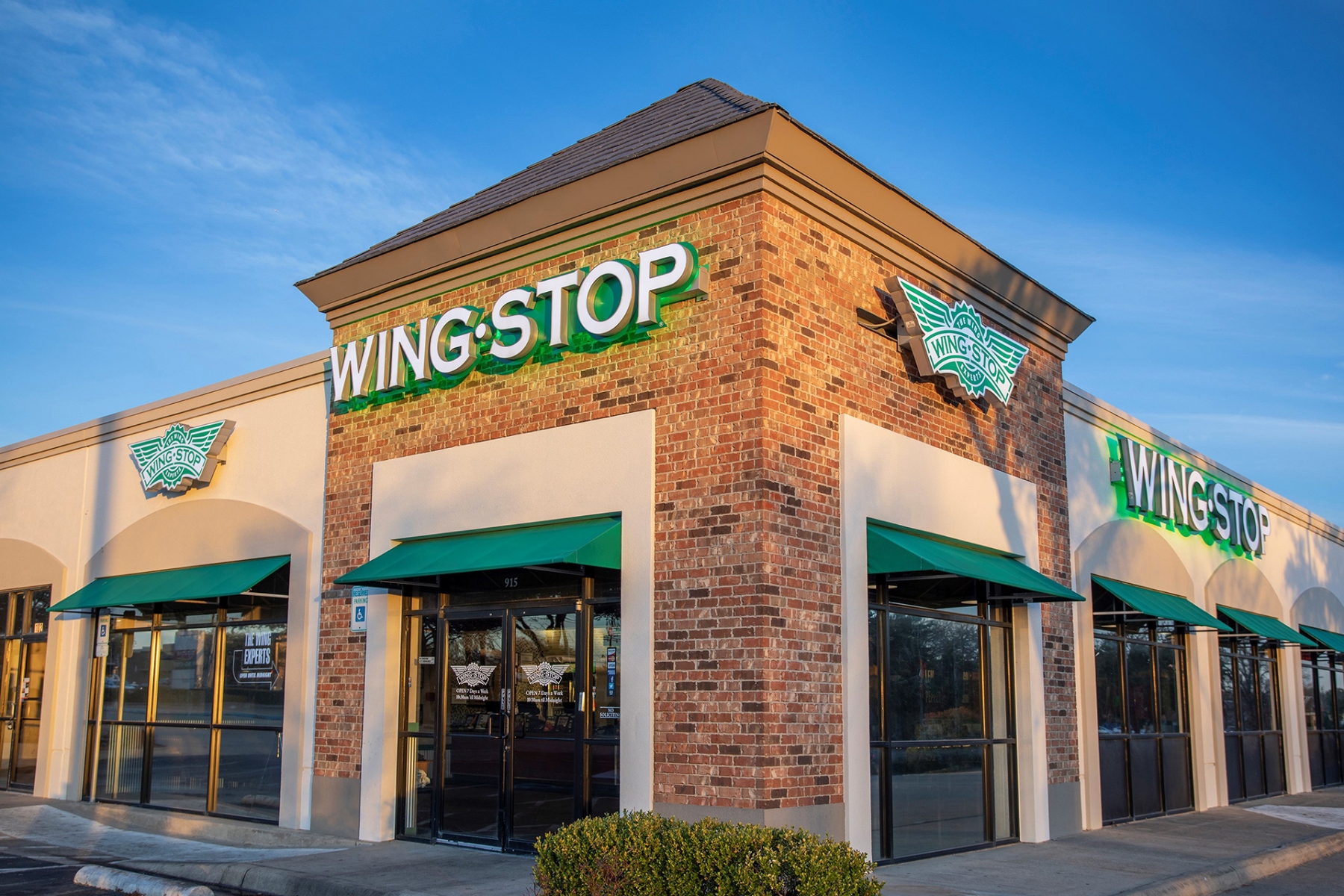
Wingstop turns match weeks into a multi-sensory festival, aligning bold pop-ups with World Cup energy to build brand affinity and measurable momentum.
May 15, 2026
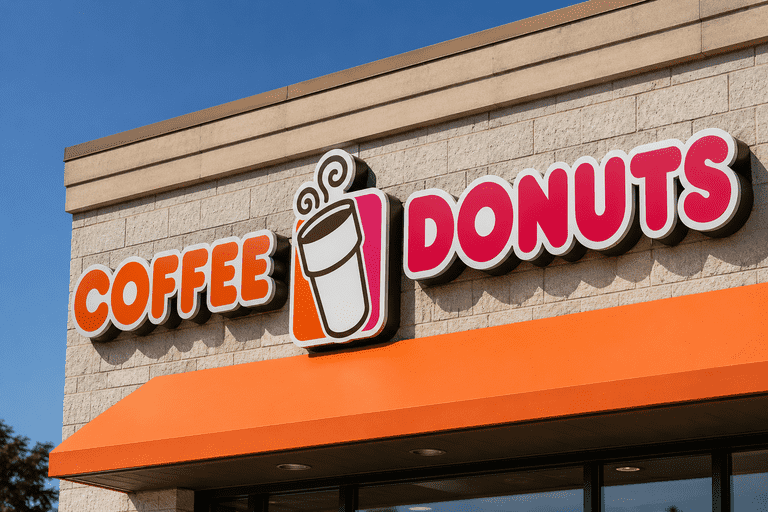
The parent company behind Dunkin', Buffalo Wild Wings, and Arby's has filed for an IPO a move that could reshape how Wall Street views the restaurant sector.
May 15, 2026

Learn how to develop a memorable restaurant brand identity that stands out in a crowded market, attracts loyal customers, and drives repeat business with actionable strategies and affordable tools.
May 15, 2026
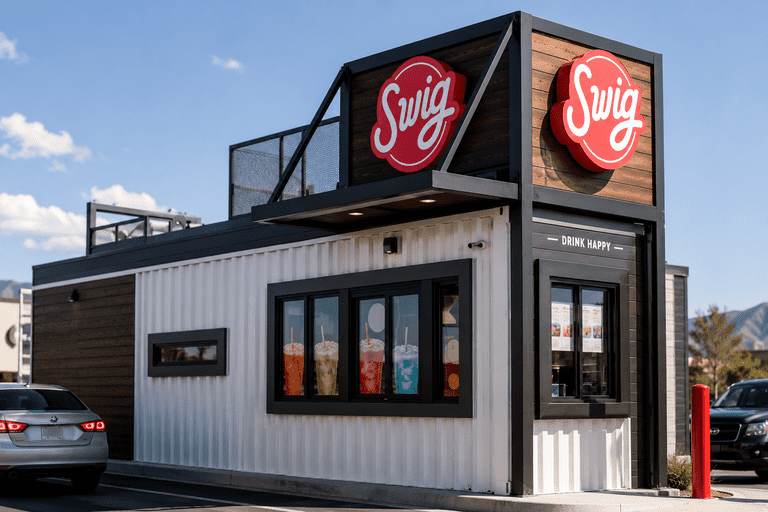
Dirty soda chain Swig is expanding into Colorado through a 10-unit franchise deal, riding a consumer beverage trend that's catching the attention of major QSR players nationwide.
May 15, 2026
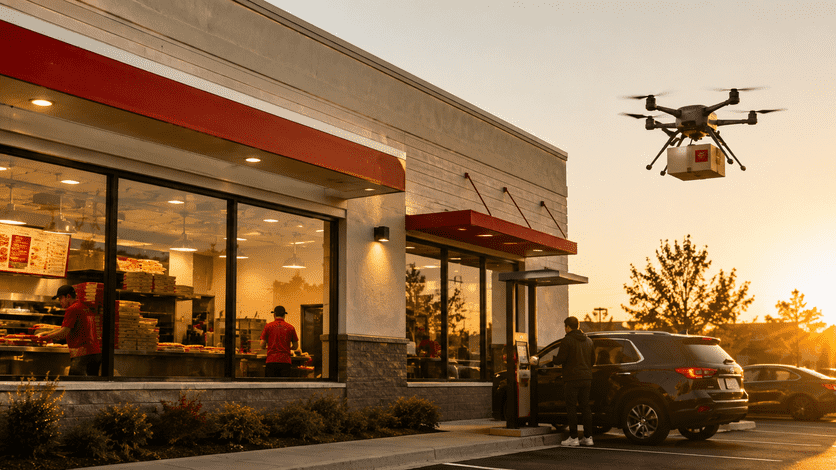
Papa Johns has teamed up with Alphabet's Wing for drone delivery of its new sandwich lineup in parts of Charlotte marking the first partnership of its kind between Wing and a national QSR brand.
May 15, 2026
A warm, expert-led look at McDonald’s Q1 results, menu makeover, and the refranchise question shaping its growth.
May 14, 2026
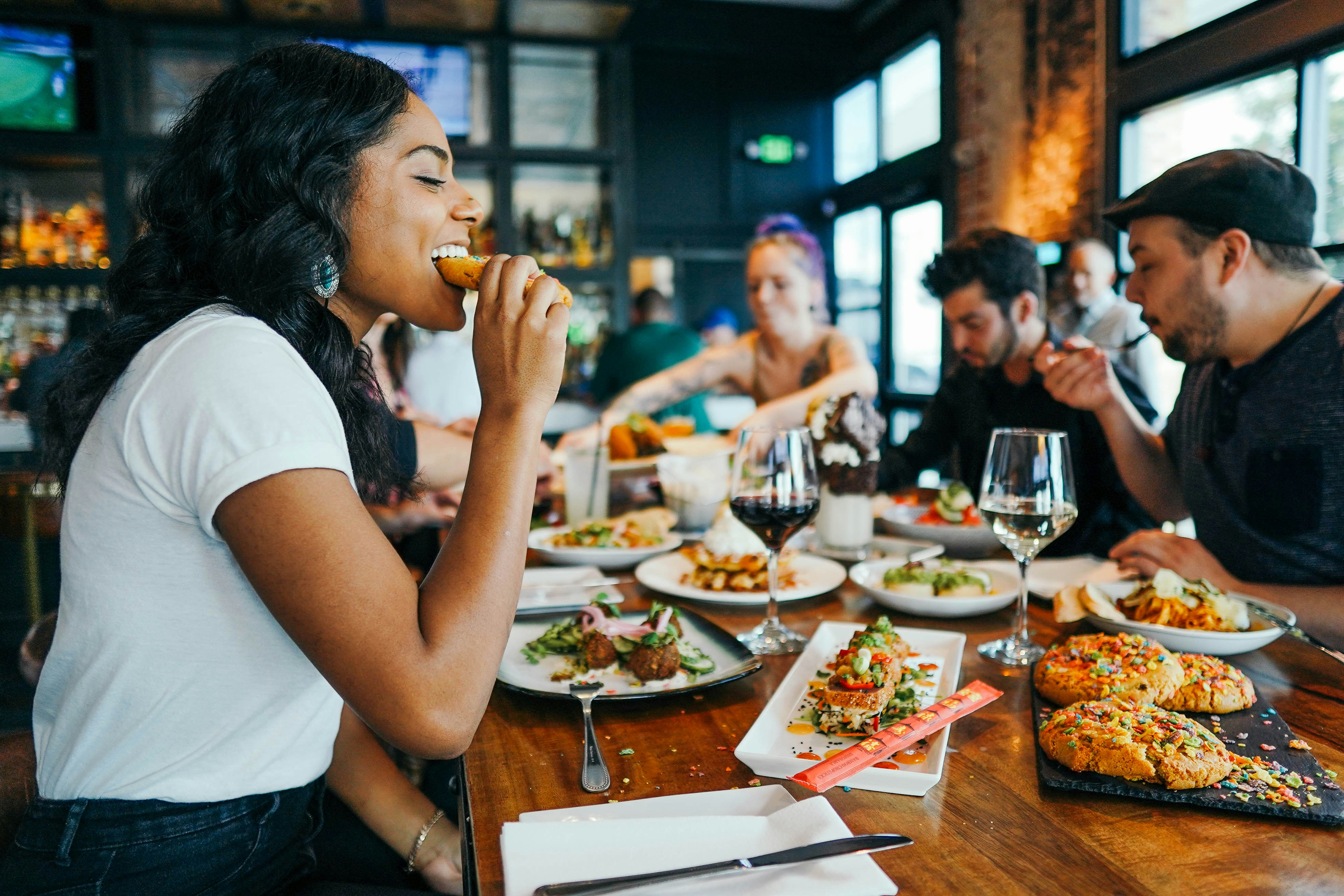
A reflective look at Habit Ranch, its immersive desert activation, and what it signals for brand loyalty and mindful, experiential dining.
May 14, 2026

Unlock Exclusive Access To Webinars, Events, And The Latest News For Free!
Exploring the potential impact of proposed legislations aiming to eliminate federal taxes on tips in the hospitality industry.
Photo by Samuel Regan-Asante
The world of hospitality and service workers revolves significantly around tips, which can often represent a substantial portion of their earnings. The proposed elimination of federal taxes on tips has sparked a heated debate among industry professionals, lawmakers, and workers alike.
Photo by Samuel Regan-Asante
Various voices within the hospitality industry, including hotel associations and unions, have voiced their support for the removal of federal taxes on tipped wages. Advocates argue that such a move could significantly benefit the livelihoods of employees, providing them with the opportunity to retain more of their hard-earned income.
Photo by Samuel Regan-Asante
Proposed bills such as the No Tax on Tips Act and provisions within the One Big Beautiful Bill Act have set the stage for potential changes in how tipped income is taxed. However, the specifics of these legislations, including eligibility criteria and duration, remain points of contention and discussion.
Photo by Samuel Regan-Asante
While the idea of eliminating taxes on tips has garnered bipartisan support, concerns linger regarding its actual effects. Questions arise about how such changes would influence various categories of tipped workers, especially those with lower incomes, part-time employment, and existing tax exemptions.
Photo by Samuel Regan-Asante
As the debate continues, there is recognition of the need for clear regulatory frameworks to prevent abuse and ensure that the intended benefits reach those directly impacted. The potential shift away from traditional cash-based tipping to digital solutions further adds to the evolving landscape of hospitality compensation.
Amidst changing tipping cultures and labor dynamics, hotels and businesses in the industry may face challenges in adjusting to new tax regulations. The shift towards digital tipping methods and the evolving expectations of guests also contribute to the complexity of the situation.
While the outcomes of the proposed legislations remain uncertain, the hospitality industry continues to grapple with balancing competitive wages, fair treatment of workers, and evolving guest preferences. The ongoing discourse highlights the intricate interplay between economic policies, labor practices, and customer behaviors in the realm of hospitality.