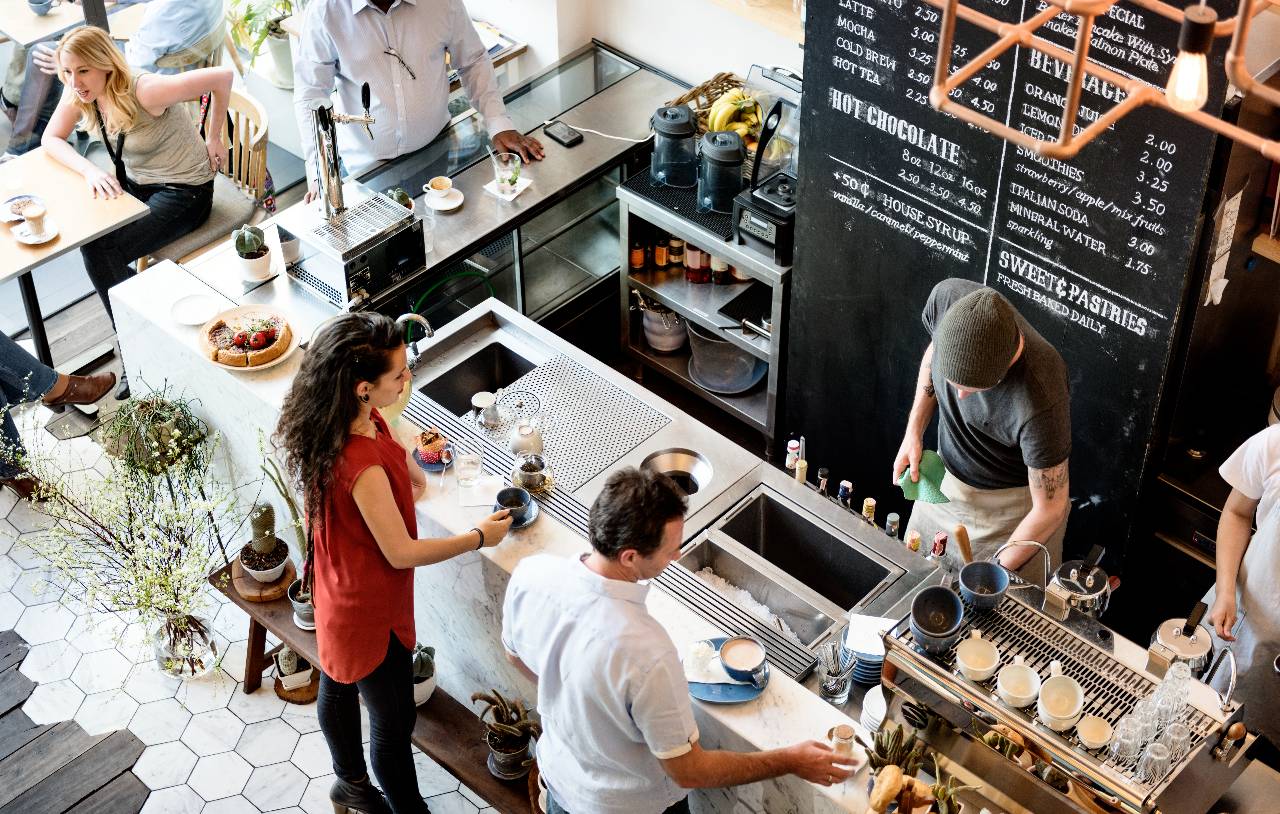
How Much Does It Cost to Open a Coffee Shop in 2026?
Opening a coffee shop in 2026 requires careful cost planning across rent, equipment, labor, technology, menu strategy, marketing, and sustainability.
operations
May 15, 2026
Opening a coffee shop in 2026 requires careful cost planning across rent, equipment, labor, technology, menu strategy, marketing, and sustainability.
May 15, 2026
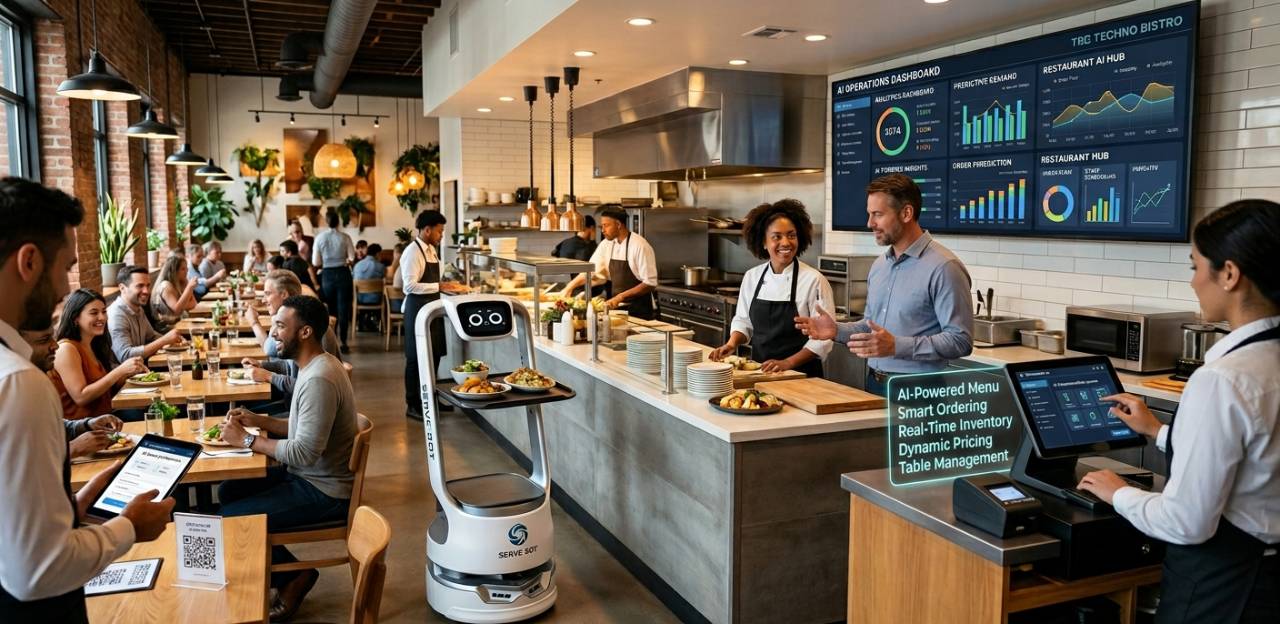
This AI playbook covers restaurant tools for voice ordering, staffing, compliance, menu pricing, inventory, marketing, ChatGPT prompts, and SEO.
May 15, 2026
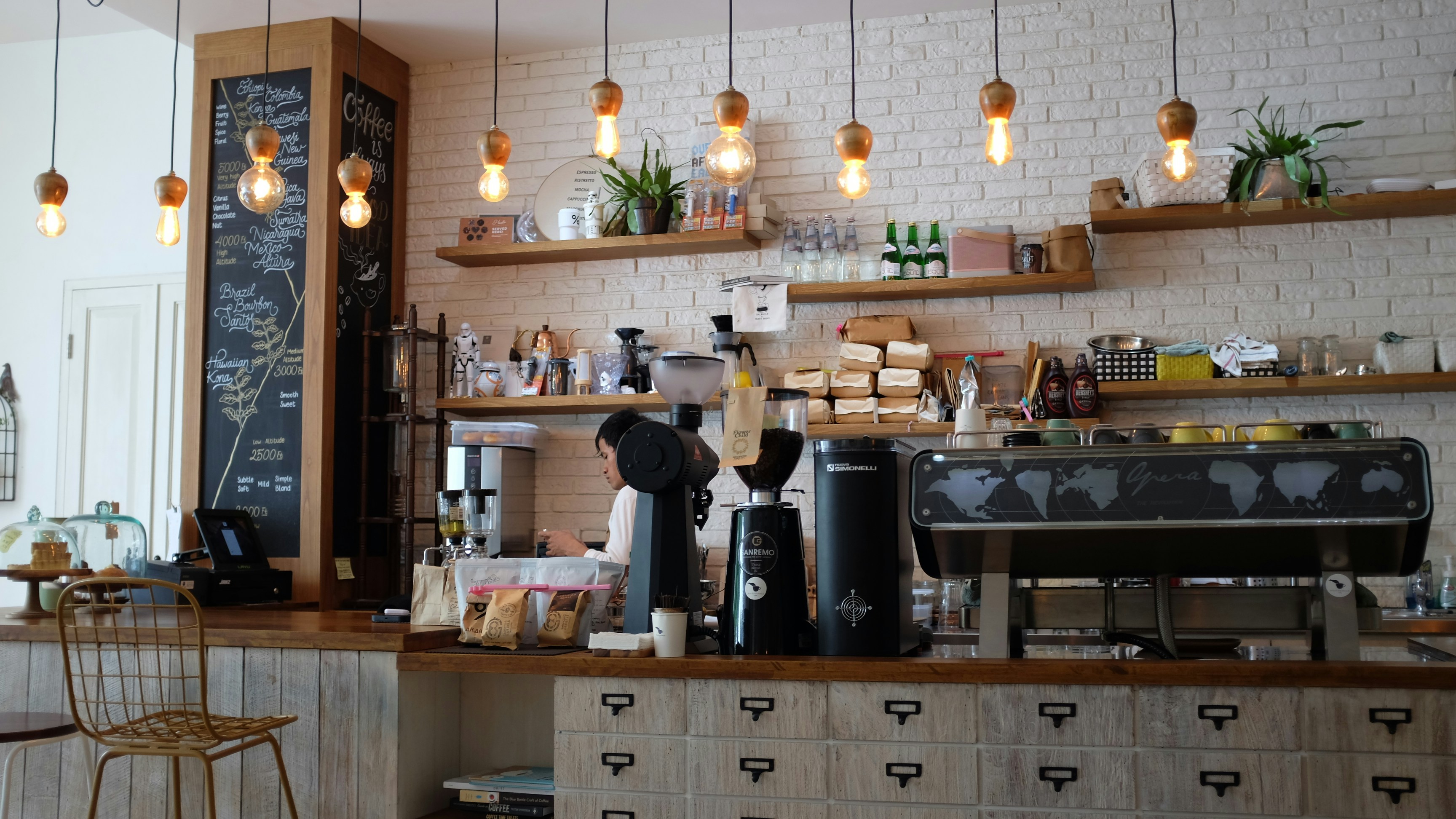
Hardee’s giant Boddie-Noell inks 31-unit Scooter’s Coffee deal for NC and VA, leveraging drive-thru growth and local roots with rollout over 12–18 months.
May 15, 2026
Wingstop turns match weeks into a multi-sensory festival, aligning bold pop-ups with World Cup energy to build brand affinity and measurable momentum.
May 15, 2026
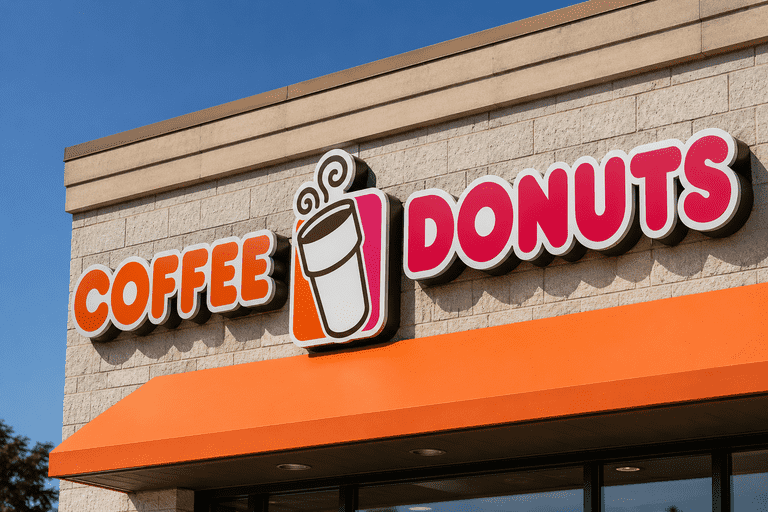
The parent company behind Dunkin', Buffalo Wild Wings, and Arby's has filed for an IPO a move that could reshape how Wall Street views the restaurant sector.
May 15, 2026

Learn how to develop a memorable restaurant brand identity that stands out in a crowded market, attracts loyal customers, and drives repeat business with actionable strategies and affordable tools.
May 15, 2026
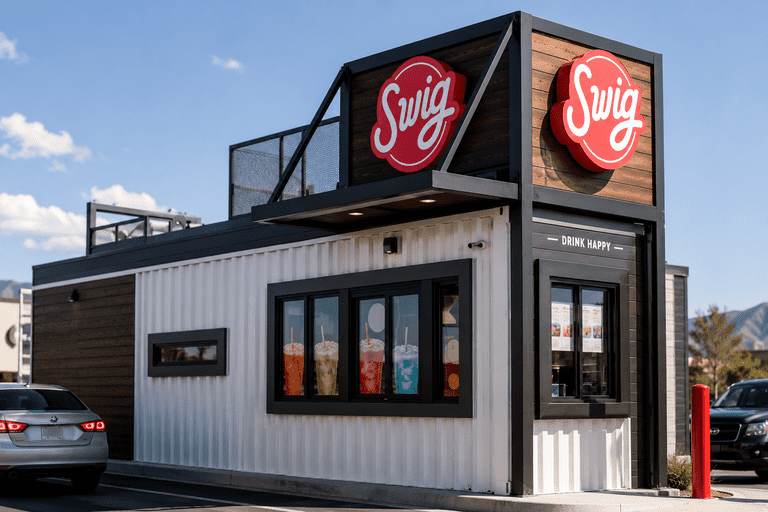
Dirty soda chain Swig is expanding into Colorado through a 10-unit franchise deal, riding a consumer beverage trend that's catching the attention of major QSR players nationwide.
May 15, 2026
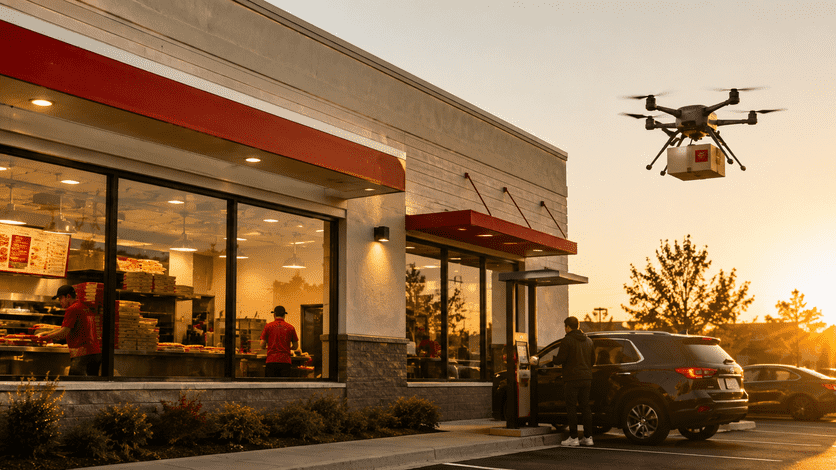
Papa Johns has teamed up with Alphabet's Wing for drone delivery of its new sandwich lineup in parts of Charlotte marking the first partnership of its kind between Wing and a national QSR brand.
May 15, 2026
A warm, expert-led look at McDonald’s Q1 results, menu makeover, and the refranchise question shaping its growth.
May 14, 2026
A reflective look at Habit Ranch, its immersive desert activation, and what it signals for brand loyalty and mindful, experiential dining.
May 14, 2026

Unlock Exclusive Access To Webinars, Events, And The Latest News For Free!
Explore how Papa Johns is leveraging AI technology through its partnership with Google Cloud to enhance customer experience and streamline operations.
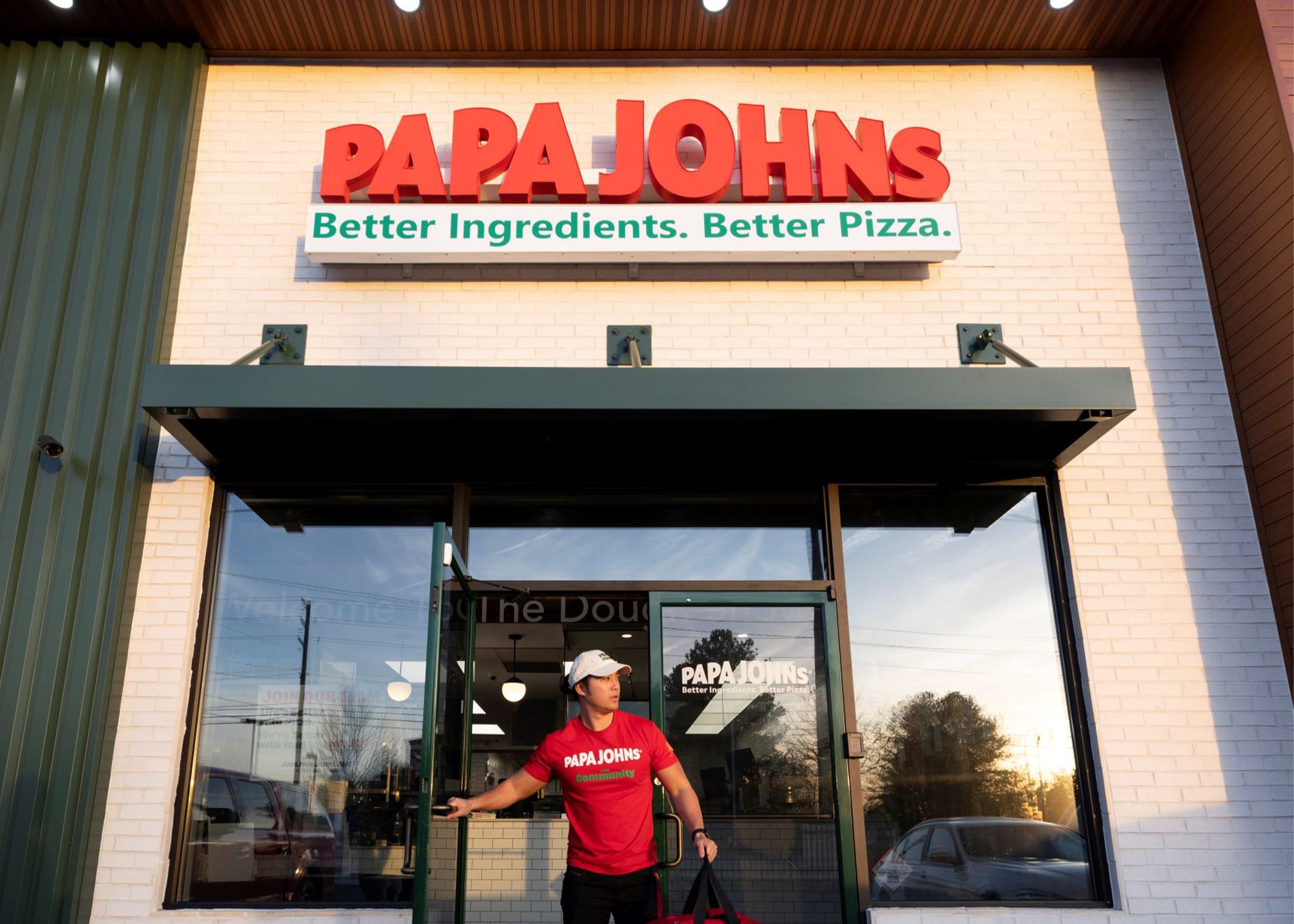
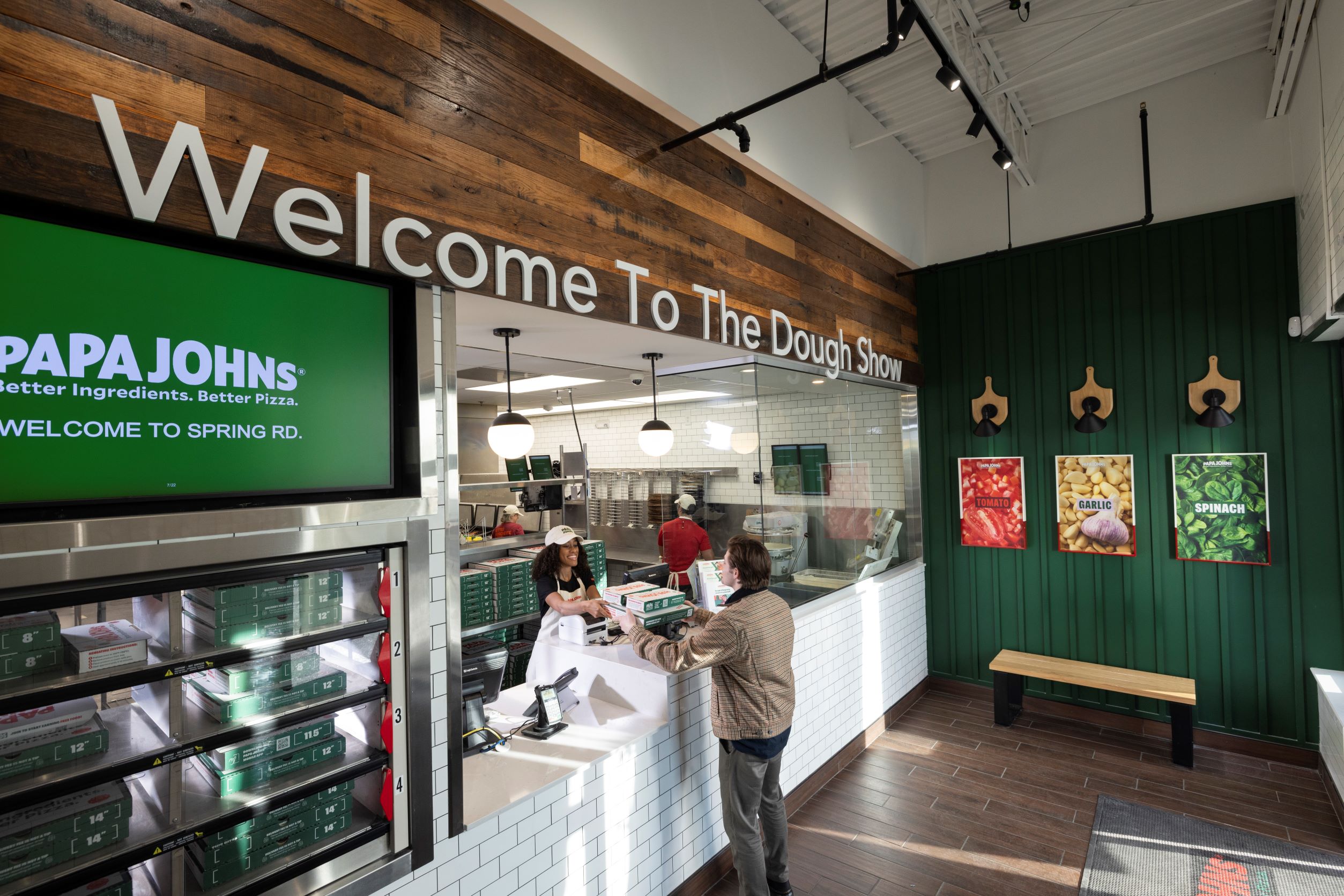
As the Quick-Service Restaurant (QSR) industry witnesses a surge in technological advancements, Papa Johns stands out with its ambitious AI-driven projects. By partnering with Google Cloud, Papa Johns' PJX team is embarking on a transformative journey to enhance operational efficiency and cater to evolving customer demands.
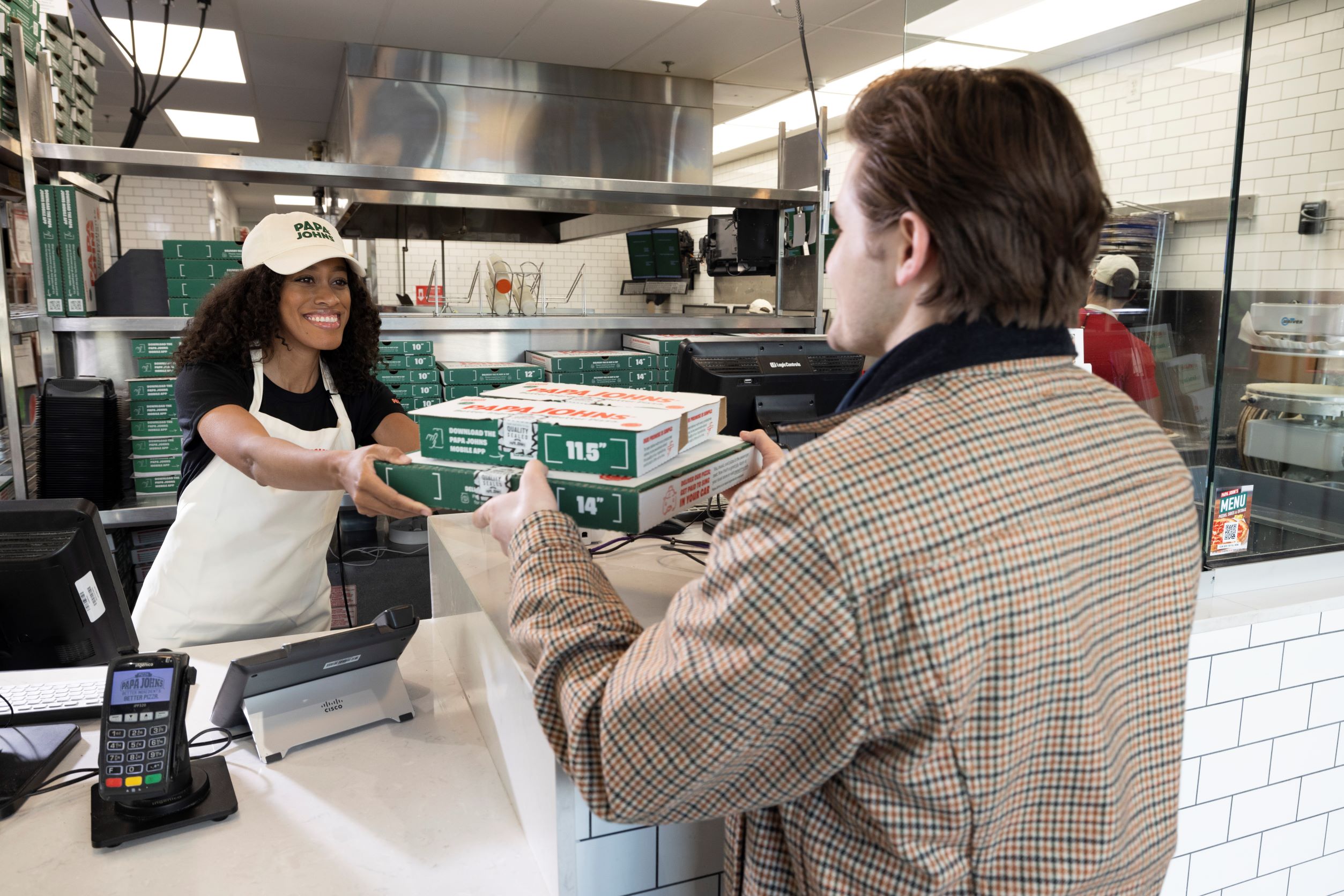
One of the key strategic priorities for Papa Johns is the implementation of a Google Cloud-based point-of-sale system. This deployment lays the groundwork for AI-driven functionalities such as dispatching, delivery route optimization, and process automation within the restaurant environment. By leveraging Google BigQuery, Vertex AI, and Gemini, Papa Johns aims to anticipate customer needs proactively and offer personalized suggestions through various channels.
Through Google's generative AI tools, Papa Johns intends to elevate customer personalization on its web and app platforms. By analyzing internal data and customer behavior patterns, the brand can provide unique offers, discount codes, and targeted advertisements in real-time. This approach not only improves user engagement but also boosts the effectiveness of marketing campaigns through AI-generated insights into ordering behaviors.
Papa Johns is embracing AI technology to enhance customer experience management, primarily through the integration of AI-enabled chatbots and voice ordering systems. While AI chatbots have faced criticism for inaccuracies, Papa Johns aims to streamline common customer inquiries and efficiently address complex issues by seamlessly transitioning to live agents when needed. This approach aims to optimize service quality and operational efficiency.
The rapid expansion of AI technologies has raised concerns about environmental sustainability due to increased energy consumption. Companies like Google and Microsoft have faced scrutiny over the energy intensity of AI data centers. Despite the computational demands, Papa Johns remains committed to sustainable practices, as highlighted in its 2024 Corporate Responsibility Report. The brand strives to manage greenhouse gas emissions responsibly while embracing AI innovations.
Papa Johns, under the leadership of CEO Todd Penegor, is addressing fluctuating same-store sales by refocusing on core pizza offerings and market expansion. By leveraging the potential benefits of the AI partnership with Google Cloud, the brand aims to drive sales growth, reduce customer service costs, and concentrate on core business strategies. This strategic alignment could position Papa Johns competitively in the dynamic QSR landscape.
Papa Johns is not alone in its pursuit of AI integration within the restaurant sector. Competitors like Yum Brands and Wendy’s are actively engaging with AI developers to enhance analytics and operational efficiencies. The industry trend towards AI adoption signifies a shift towards data-driven decision-making and enhanced customer interactions. Companies like Hi Auto are also securing substantial investments to develop and deploy AI tools tailored for the QSR industry.