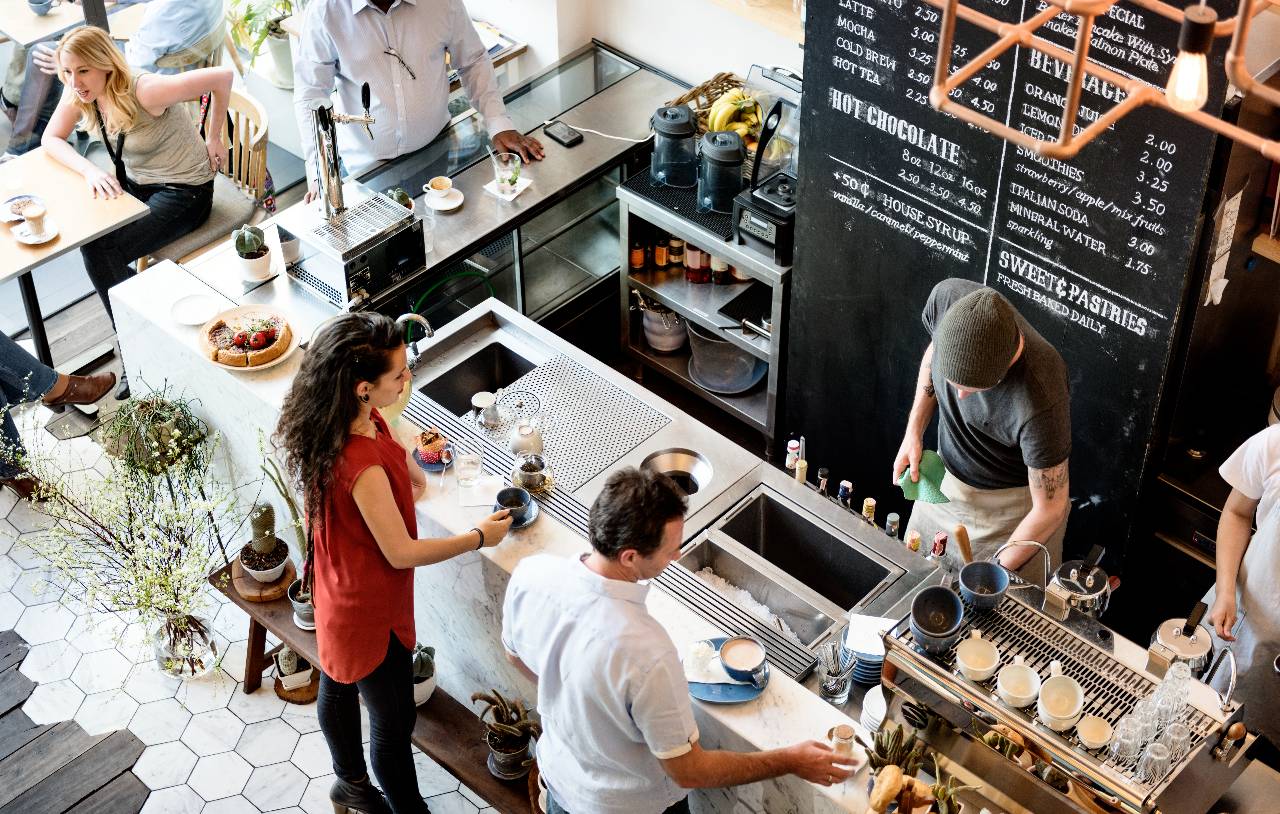
How Much Does It Cost to Open a Coffee Shop in 2026?
Opening a coffee shop in 2026 requires careful cost planning across rent, equipment, labor, technology, menu strategy, marketing, and sustainability.
operations
May 15, 2026
Opening a coffee shop in 2026 requires careful cost planning across rent, equipment, labor, technology, menu strategy, marketing, and sustainability.
May 15, 2026
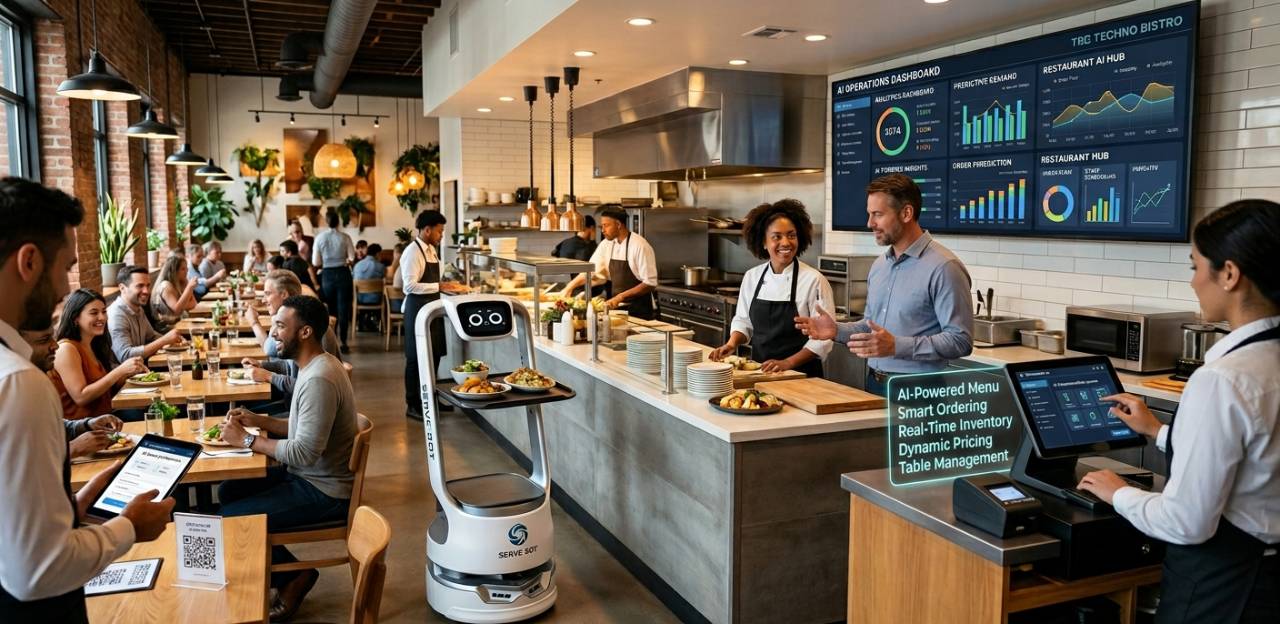
This AI playbook covers restaurant tools for voice ordering, staffing, compliance, menu pricing, inventory, marketing, ChatGPT prompts, and SEO.
May 15, 2026
Hardee’s giant Boddie-Noell inks 31-unit Scooter’s Coffee deal for NC and VA, leveraging drive-thru growth and local roots with rollout over 12–18 months.
May 15, 2026
Wingstop turns match weeks into a multi-sensory festival, aligning bold pop-ups with World Cup energy to build brand affinity and measurable momentum.
May 15, 2026
The parent company behind Dunkin', Buffalo Wild Wings, and Arby's has filed for an IPO a move that could reshape how Wall Street views the restaurant sector.
May 15, 2026

Learn how to develop a memorable restaurant brand identity that stands out in a crowded market, attracts loyal customers, and drives repeat business with actionable strategies and affordable tools.
May 15, 2026
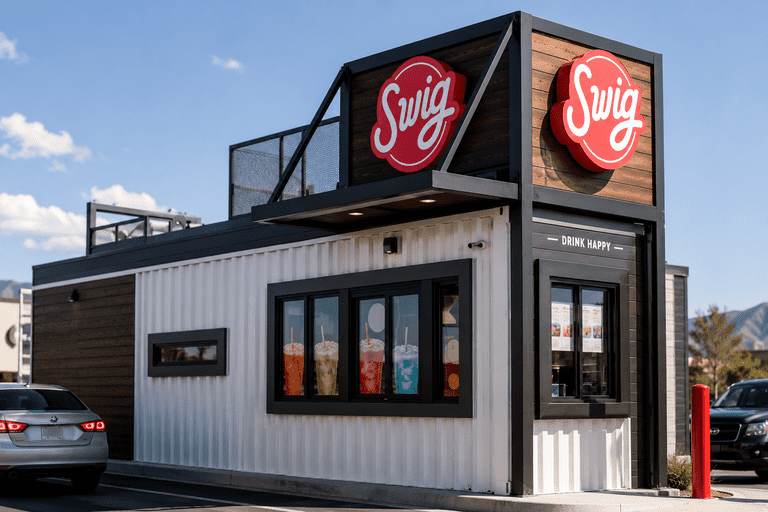
Dirty soda chain Swig is expanding into Colorado through a 10-unit franchise deal, riding a consumer beverage trend that's catching the attention of major QSR players nationwide.
May 15, 2026
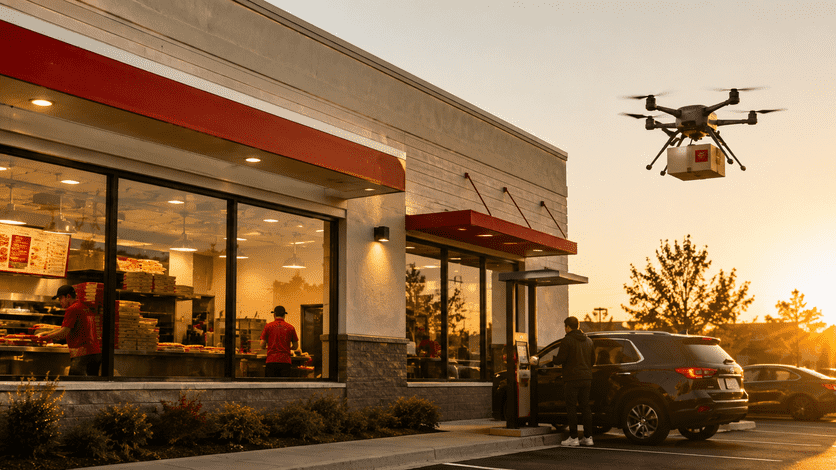
Papa Johns has teamed up with Alphabet's Wing for drone delivery of its new sandwich lineup in parts of Charlotte marking the first partnership of its kind between Wing and a national QSR brand.
May 15, 2026
A warm, expert-led look at McDonald’s Q1 results, menu makeover, and the refranchise question shaping its growth.
May 14, 2026
A reflective look at Habit Ranch, its immersive desert activation, and what it signals for brand loyalty and mindful, experiential dining.
May 14, 2026

Unlock Exclusive Access To Webinars, Events, And The Latest News For Free!
A thoughtful look at how wine and cheese pairings elevate modern dining through terroir, texture, and mindful sourcing.

Photo by Melissa Walker Horn
Wine and cheese pairing has long been a refined ritual, a craft that turns a simple bite into a small story told through flavor. In restaurants, wine bars, and catered events, pairing is treated not as an afterthought but as a deliberate craft that can elevate the entire dining narrative. The guiding idea is balance: flavors, textures, and aromas must complement one another to create a cohesive tasting moment. For guests seeking sustainability and nourishment, a thoughtful pairing becomes a quiet, nourishing conversation on the plate. This is how a menu moves from a list of items to a carefully composed moment of care. It invites us to slow down, listen to the ingredients, and choose with intention:
Delicate cheeses tend to align with lighter wines, while bold cheeses demand more robust partners. Creamy Brie shines with a buttery Chardonnay, and Parmesan often meets its match in a tannic wine like Barolo. A diagonal of sweetness and saltiness emerges: semi-sweet Riesling can balance tangy Gorgonzola, while a dry Champagne offsets Camembert’s sweetness. Mozzarella’s mild creaminess pairs well with Sauvignon Blanc or Pinot Grigio; Feta shines with rosé, while Ricotta brightens with Prosecco. Camembert links with Beaujolais, Asiago with Orvieto or Soave, and Manchego with sherry or oaked Chardonnay. Texture matters too: creamy cheeses invite gentle edges in wine, firmer varieties invite structure. These cues inform menu design, wine lists, and events—creating a balanced, nourishing dining experience grounded in authenticity and sustainability.
From a chef’s vantage point, the pairing puzzle begins with texture and terroir. Mozzarella’s mild, creamy character thrives with light to mid-bodied wines like Sauvignon Blanc or Pinot Grigio, and is commonly served with olive oil, tomato, or basil. Feta benefits from rosé when paired with cucumber, tomato, and red onion, while ricotta shines with Prosecco and harmonizes with honey, strawberries, and jam. French Brie is often paired with California Merlot or Chardonnay, accompanied by green apples, pears, fig jam, or honey, whereas Camembert’s earthy notes find harmony in Beaujolais and can be presented with cantaloupe, pecans, and baguette. These region- and texture-driven cues form the backbone of menus that feel authentic yet fresh.