AI Playbook for Restaurant Owners
This AI playbook covers restaurant tools for voice ordering, staffing, compliance, menu pricing, inventory, marketing, ChatGPT prompts, and SEO.
tech
May 15, 2026
This AI playbook covers restaurant tools for voice ordering, staffing, compliance, menu pricing, inventory, marketing, ChatGPT prompts, and SEO.
May 15, 2026

Opening a coffee shop in 2026 requires careful cost planning across rent, equipment, labor, technology, menu strategy, marketing, and sustainability.
May 15, 2026

Hardee’s giant Boddie-Noell inks 31-unit Scooter’s Coffee deal for NC and VA, leveraging drive-thru growth and local roots with rollout over 12–18 months.
May 15, 2026

Wingstop turns match weeks into a multi-sensory festival, aligning bold pop-ups with World Cup energy to build brand affinity and measurable momentum.
May 15, 2026

Learn how to develop a memorable restaurant brand identity that stands out in a crowded market, attracts loyal customers, and drives repeat business with actionable strategies and affordable tools.
May 15, 2026

The parent company behind Dunkin', Buffalo Wild Wings, and Arby's has filed for an IPO a move that could reshape how Wall Street views the restaurant sector.
May 15, 2026

Papa Johns has teamed up with Alphabet's Wing for drone delivery of its new sandwich lineup in parts of Charlotte marking the first partnership of its kind between Wing and a national QSR brand.
May 15, 2026

Dirty soda chain Swig is expanding into Colorado through a 10-unit franchise deal, riding a consumer beverage trend that's catching the attention of major QSR players nationwide.
May 15, 2026

A warm, expert-led look at McDonald’s Q1 results, menu makeover, and the refranchise question shaping its growth.
May 14, 2026

A reflective look at Habit Ranch, its immersive desert activation, and what it signals for brand loyalty and mindful, experiential dining.
May 14, 2026

Unlock Exclusive Access To Webinars, Events, And The Latest News For Free!
Taco Bell grants opt-out rights for breakfast to U.S. franchisees, nudging toward nimble daypart strategies and Cantina Chicken growth.
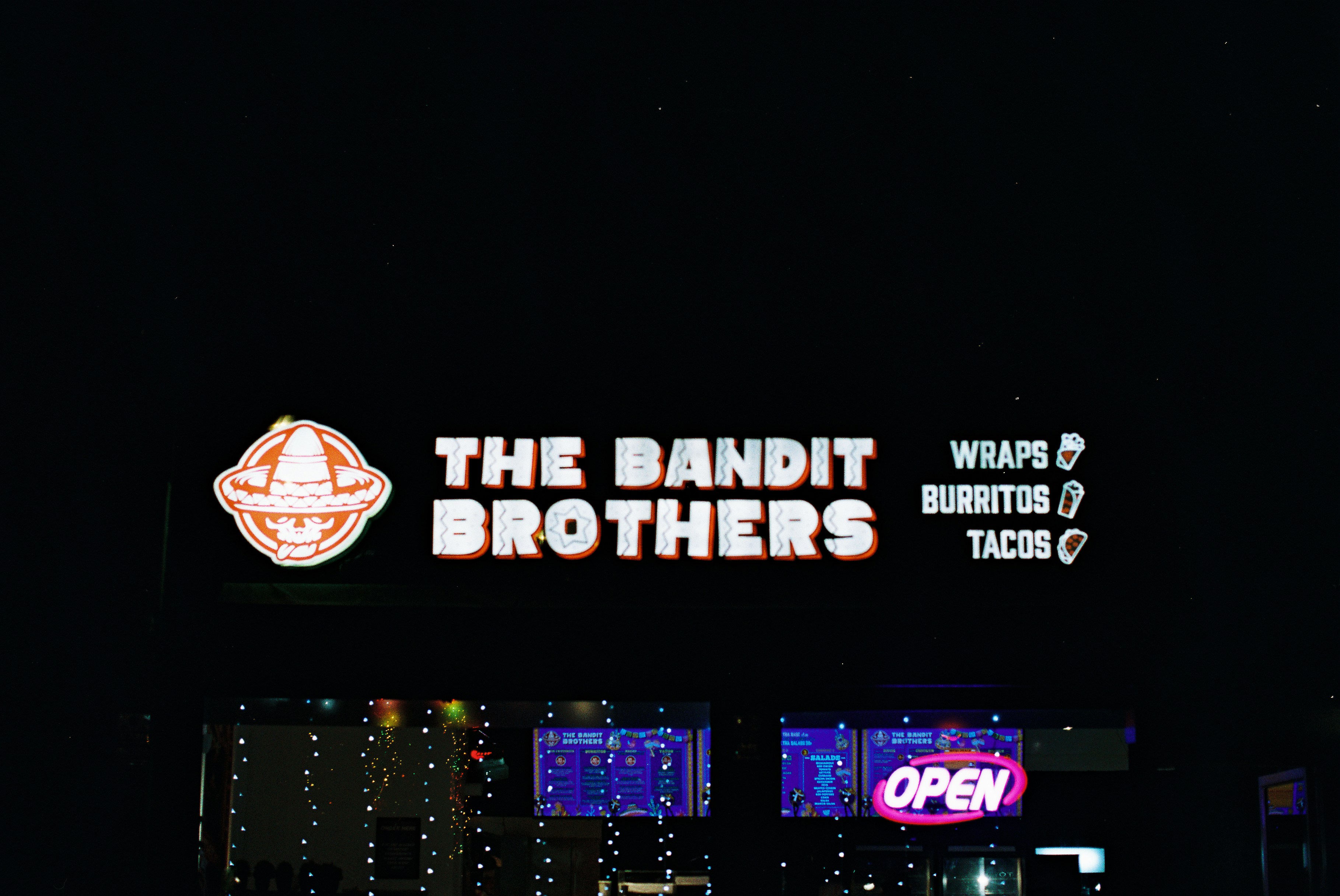
Photo by Tanya Barrow
At dawn the kitchen glows with patient precision. The hiss of the grill and the perfume of coffee trace a quiet ritual that once seemed sacrosanct. Taco Bell now places a question at the center of its menu theatre: breakfast can be optional, a prerogative granted to franchisees, not a mandatory rite for the brand. The move signals a new era of autonomy, inviting operators to suspend breakfast to better serve the community's currents. The framework remains anchored by Cantina Chicken and a calibrated coffee program, but the rhythm of the day may bend to local demand without unseating the core identity. The stage is set for a measured conversation about dayparts and desire.
Mechanically the policy lands with clarity: starting in October 2024, individual franchisees may elect not to serve any breakfast items, while company-owned restaurants maintain breakfast as part of standard operations. This marks the first instance of an entire daypart being removable at the operator level for a national brand. Beyond the morning hours, Cantina Chicken and a broader coffee program continue to receive emphasis, with pilots and menu testing unfolding across both company and franchise locations. The practical aim is to reallocate labor, equipment, and promotional energy toward dayparts or items with stronger demand, while preserving a platform for ongoing experimentation at scale.
As the calendar turns toward execution, the design ethic remains: adapt with purpose, maintain coherence, and let testing inform expansion. The policy does not abandon breakfast everywhere, but it invites a disciplined recalibration of where the brand places its bets. The immediate implication is a more agile daytime landscape, where cantinas and coffee can illuminate a afternoon rhythm while the morning hour redefines its role in communities that crave choice.
The spirit of the policy is a quiet assertion: hours should bend to the guests they serve. It is not a break with ritual but a rebalancing of effort where the strongest demand resides. Labor and equipment can pivot toward higher-potential dayparts or into items that anchor traffic. In this light, the brand writes a fresh clause into its playbook: adaptation without surrender, continuity without rigidity, a national system that grows by listening as much as by expanding. The result could be a more precise, community-centered cadence that still carries the weight of Taco Bell sovereignty and its evolving platforms such as Cantina Chicken and coffee.
In practice, operators will judge which dayparts deserve space, and which ideas—like lunchtime pivots and high-growth concepts—merit more visibility. The policy thereby becomes a canvas for strategic allocation, a way to test the edge of efficiency while staying tethered to a familiar architecture that customers recognize and trust.
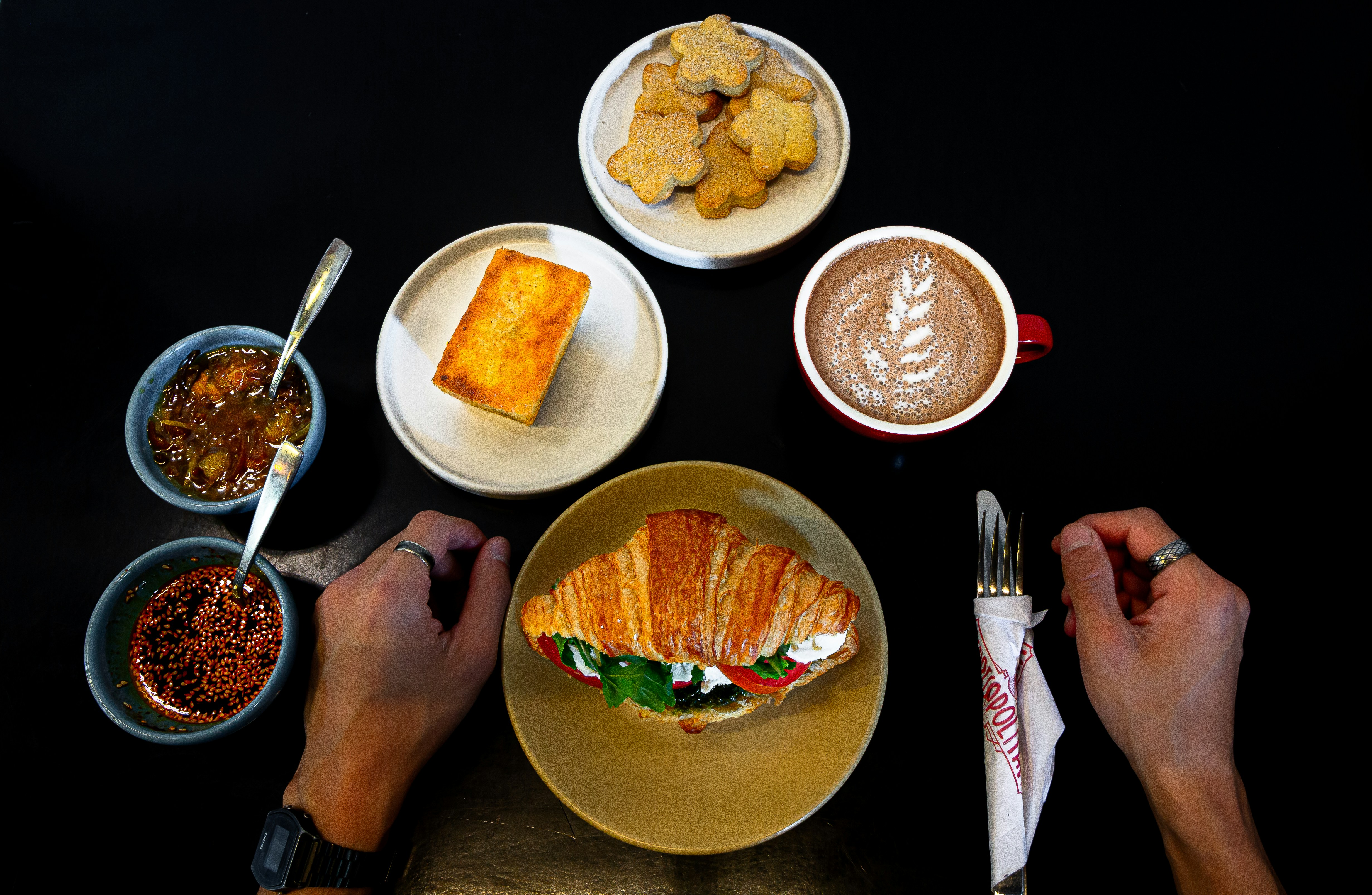
The breakfast question has shifted from a fixed obligation to a measured option, one that respects local appetite while preserving a national narrative. The real art here lies in clarity—knowing when to test, when to tilt toward Cantina Chicken, and how to harmonize labor across a more adaptable schedule. In this crossroad, restraint becomes a virtue, and agility becomes a signature.