AI Playbook for Restaurant Owners
This AI playbook covers restaurant tools for voice ordering, staffing, compliance, menu pricing, inventory, marketing, ChatGPT prompts, and SEO.
tech
May 15, 2026
This AI playbook covers restaurant tools for voice ordering, staffing, compliance, menu pricing, inventory, marketing, ChatGPT prompts, and SEO.
May 15, 2026

Opening a coffee shop in 2026 requires careful cost planning across rent, equipment, labor, technology, menu strategy, marketing, and sustainability.
May 15, 2026

Hardee’s giant Boddie-Noell inks 31-unit Scooter’s Coffee deal for NC and VA, leveraging drive-thru growth and local roots with rollout over 12–18 months.
May 15, 2026

Wingstop turns match weeks into a multi-sensory festival, aligning bold pop-ups with World Cup energy to build brand affinity and measurable momentum.
May 15, 2026

Learn how to develop a memorable restaurant brand identity that stands out in a crowded market, attracts loyal customers, and drives repeat business with actionable strategies and affordable tools.
May 15, 2026

The parent company behind Dunkin', Buffalo Wild Wings, and Arby's has filed for an IPO a move that could reshape how Wall Street views the restaurant sector.
May 15, 2026

Papa Johns has teamed up with Alphabet's Wing for drone delivery of its new sandwich lineup in parts of Charlotte marking the first partnership of its kind between Wing and a national QSR brand.
May 15, 2026

Dirty soda chain Swig is expanding into Colorado through a 10-unit franchise deal, riding a consumer beverage trend that's catching the attention of major QSR players nationwide.
May 15, 2026

A warm, expert-led look at McDonald’s Q1 results, menu makeover, and the refranchise question shaping its growth.
May 14, 2026

A reflective look at Habit Ranch, its immersive desert activation, and what it signals for brand loyalty and mindful, experiential dining.
May 14, 2026

Unlock Exclusive Access To Webinars, Events, And The Latest News For Free!
Sweetgreen redefines fast casual with bigger meals, Infinite Kitchen robotics, and AI scheduling, pairing menu evolution with scalable technology.
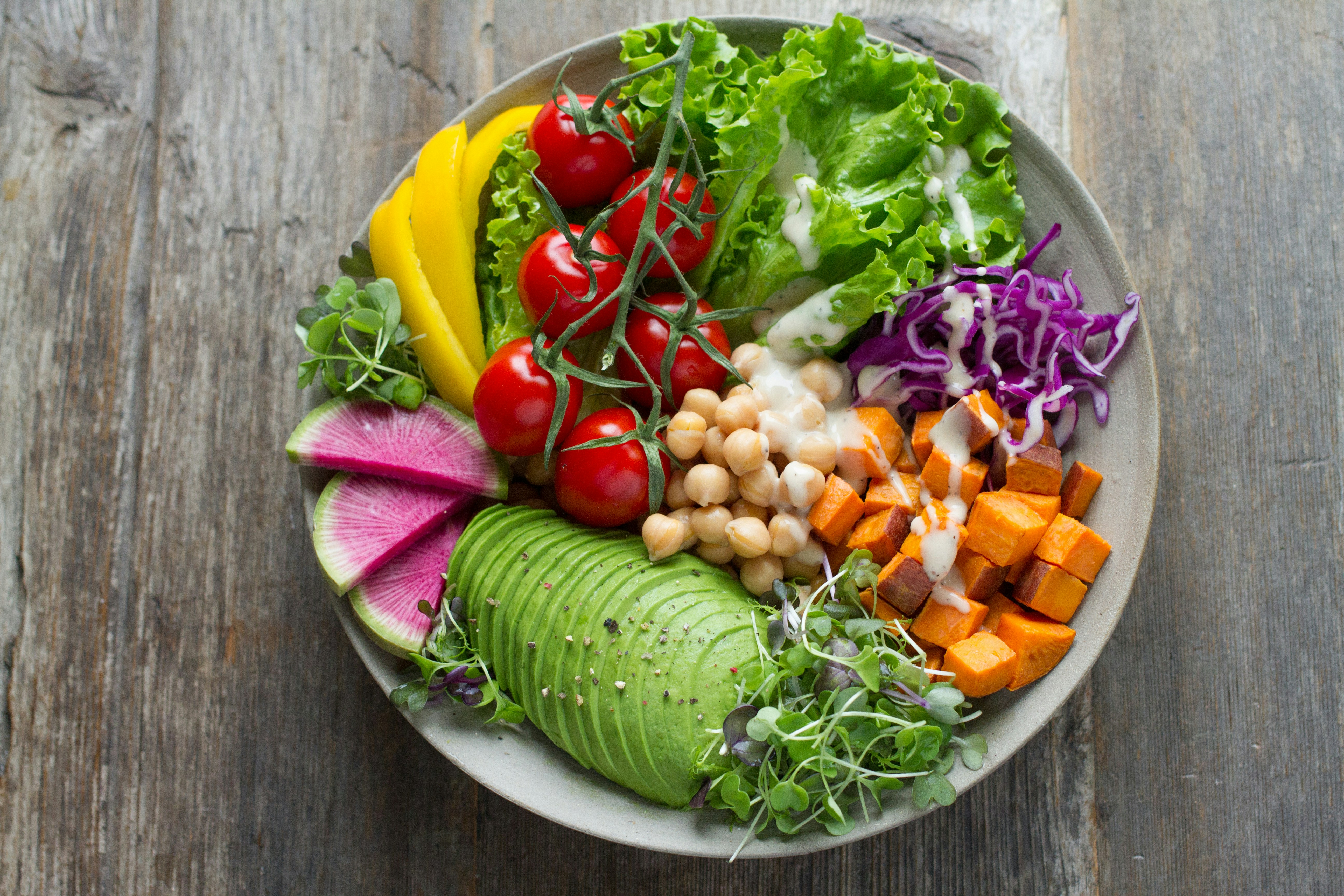
Photo by Anna Pelzer
Sweetgreen's renaissance begins with a redefinition of appetite: bigger meals and a technology-forward operating model designed to widen its audience without forfeiting its elegant calm. From its Los Angeles base, the brand surveys a landscape where dinner and evening traffic matter as much as lunch, and where growth must walk hand in hand with discipline. The third quarter offers a map of momentum and headwinds: revenue of $172.4 million, a net loss of $36.1 million, and a standing Restaurant-Level Profit of $22.5 million on a 13.1% margin. Adjusted EBITDA sits negative at $4.4 million, yet six net new openings suggest a measured willingness to scale. The thesis is precise and ambitious: evolve the menu while accelerating throughput through thoughtful automation, inviting diners to new dayparts.
Management frames this pivot as a marriage of appetite and architecture. The guidance for fiscal 2025 envisions 37 net new restaurants, almost half—18—carrying the Infinite Kitchen platform, while fiscal 2026 eyes 15–20 openings with roughly half adopting the robotics. Behind the numbers lies a disciplined belief that taste can meet efficiency when the kitchen becomes a stage for automation rather than a bottleneck. In parallel, a broader push to extend beyond salads—into sides, beverages, and desserts—signals a bid for dinner moments and evening traffic that once eluded the bowl-centric concept. The story unfolds as growth through innovation anchored in culinary clarity.
Infinite Kitchen sits at the heart of the transformation, a robotic makeline that reshapes assembly for high-volume stores. The concept has found a visible home in flagship venues—the Willis Tower in Chicago and a Wall Street outpost—turning cooking into choreography for guests who glimpse the future at every pass. By the close of the third quarter, ten sites wore the machine’s alloy grin, and management signaled that the rollout would accelerate. The blueprint calls for roughly half of new-store developments to feature Infinite Kitchen, with the portfolio hovering near forty sites as a horizon—an orchestrated stride toward throughput, consistency, and a dining experience that feels managed rather than hurried.
In tandem, an AI-enabled scheduling system has moved from pilot to portent. Pilots across dozens of markets seek to forecast demand, optimize shifts, and reduce the administrative grind for frontline teams. The ambition is audacious: chain-wide deployment in the coming year, complemented by a broader industry shift toward data-informed labor and robotics-enabled kitchens. Industry coverage notes expansion to 70 restaurants across six markets as a signal of scale, a reminder that Sweetgreen believes a more precise, less repetitive staffing model can lift guest service while easing wage pressures.
Ripple Fries enters the foreground as a crafted counterpoint to the bowl, a national fry offering that signals the brand’s willingness to extend its footprint without compromising its health-forward ethos. The nationwide rollout testifies to a desire to redefine fast food with a more mindful profile. The fries arrive air-fried, without seed oils, and are served with two sauces: Garlic Aioli and Pickle Ketchup—an arrangement inviting diners to consider indulgence with restraint. "Ripple Fries as a step forward in redefining what fast food can be, underscoring Sweetgreen’s intent to curate craveable, cleaner options that fit alongside its existing core categories," said Nicolas Jammet, the Co-founder and Chief Concept Officer.
The rollout is a deliberate widening of the perimeter while preserving the brand’s health-minded language. The two sauces, a study in restraint and play, remind guests that craveable can harmonize with ingredient integrity. Ripple Fries becomes a signal that Sweetgreen intends to sit alongside bowls rather than merely sit at their side—a toast to dinner-friendly fare that feels congruent with the core mission. The message, in essence, is refinement: keep fingerprints light on the canvas while inviting broader participation.
AI-driven scheduling places the human experience at the core of progress. The system is designed to forecast demand, optimize shifts, and lessen the administrative burden borne by teams. As the pilot expands, leadership envisions a chain-wide rollout that could translate into more stable schedules, steadier training, and improved labor productivity. The shift toward data-driven staffing is framed as a strategic differentiator in a landscape where wage pressures meet high guest expectations. The story here is less about machines replacing people than about machines guiding people to better service.
Industry observers note the expansion to 70 restaurants across six markets as a meaningful scale-up, with plans to push the scheduling system chain-wide by the second quarter of the following year. The potential payoff is clear: faster shift turns, more consistent staffing, and a clearer view of cost trajectories. Yet the ultimate impact rests on local adoption and adaptability to fluctuating demand. The narrative remains hopeful: a disciplined, data-informed approach that preserves human touch while lifting productivity.
As with any frontier, the horizon carries both light and shadow. Several rollout dates for ripple-fries substitutions at scale or for wrap-style handhelds remain unconfirmed, a reminder that timing wields power in innovation. The fiscal outlook through 2026 rests on a delicate arithmetic: opening new stores, pushing menu experimentation, and containing costs amid inflation and labor headwinds. While the AI scheduling expansion proceeds, its ultimate value will be proven by durable adoption and the way it reshapes turnover, training, and guest experience. The Infinite Kitchen licensing strategy offers a path to scale without shouldering all capital costs, but its success will hinge on execution and capital discipline.
Investors and observers will track whether innovation translates into stronger restaurant-level economics and whether Sweetgreen’s tech-forward approach can de-risk capital while sustaining growth. The romance of the pivot lies in its balance: expanded menus, a more reliable kitchen, and a guest experience that remains quietly refined even as the doors multiply. The conclusion remains unwritten, but the direction—artful menu breadth, disciplined automation, and a return to dinner’s prominence—reads with the elegance of a well-timed course.