How Much Does It Cost to Open a Coffee Shop in 2026?
Opening a coffee shop in 2026 requires careful cost planning across rent, equipment, labor, technology, menu strategy, marketing, and sustainability.
operations
May 15, 2026
Opening a coffee shop in 2026 requires careful cost planning across rent, equipment, labor, technology, menu strategy, marketing, and sustainability.
May 15, 2026

This AI playbook covers restaurant tools for voice ordering, staffing, compliance, menu pricing, inventory, marketing, ChatGPT prompts, and SEO.
May 15, 2026

Hardee’s giant Boddie-Noell inks 31-unit Scooter’s Coffee deal for NC and VA, leveraging drive-thru growth and local roots with rollout over 12–18 months.
May 15, 2026

Wingstop turns match weeks into a multi-sensory festival, aligning bold pop-ups with World Cup energy to build brand affinity and measurable momentum.
May 15, 2026

The parent company behind Dunkin', Buffalo Wild Wings, and Arby's has filed for an IPO a move that could reshape how Wall Street views the restaurant sector.
May 15, 2026

Learn how to develop a memorable restaurant brand identity that stands out in a crowded market, attracts loyal customers, and drives repeat business with actionable strategies and affordable tools.
May 15, 2026

Dirty soda chain Swig is expanding into Colorado through a 10-unit franchise deal, riding a consumer beverage trend that's catching the attention of major QSR players nationwide.
May 15, 2026

Papa Johns has teamed up with Alphabet's Wing for drone delivery of its new sandwich lineup in parts of Charlotte marking the first partnership of its kind between Wing and a national QSR brand.
May 15, 2026

A warm, expert-led look at McDonald’s Q1 results, menu makeover, and the refranchise question shaping its growth.
May 14, 2026

A reflective look at Habit Ranch, its immersive desert activation, and what it signals for brand loyalty and mindful, experiential dining.
May 14, 2026

Unlock Exclusive Access To Webinars, Events, And The Latest News For Free!
Sun Holdings acquires Bar Louie, adding a 39‑unit gastropub to its 1,800+ location platform. The deal extends a methodical M&A trail and targets scale‑driven recovery.
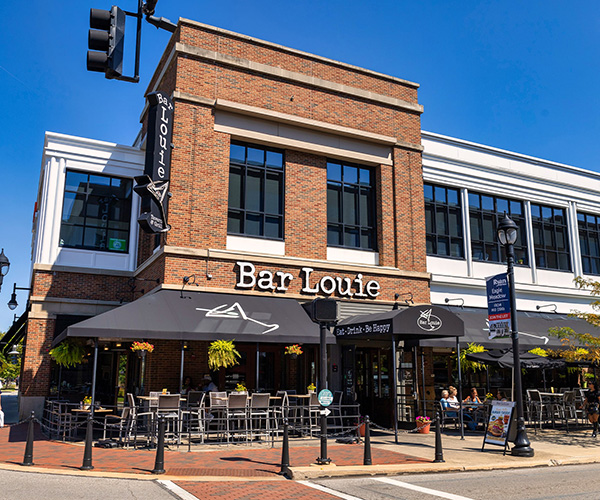
Sun Holdings has acquired Bar Louie, bringing a "39‑unit" gastropub into a portfolio with "more than 1,800" locations nationwide. The move shifts the company beyond its core quick‑service and casual dining lanes into a nightlife‑centric, beverage‑led concept. It widens category exposure while staying aligned with a strategy of disciplined expansion. The fit is straightforward. Bar Louie’s bar‑dining appeal plugs a gap in Sun Holdings’ lineup and adds new guest occasions to the mix. The platform’s reach across Applebee’s, Arby’s, Burger King, Golden Corral, IHOP, McAlister’s, Papa John’s, Popeyes, and Taco Bueno brings procurement power and operating systems that a smaller brand can tap. Scale is the lever. Process is the plan. Analysis: The acquisition pairs a distinct cocktail‑driven identity with a deep operations bench, signaling a calculated step into a complementary segment rather than a scattershot bet.
This deal does not stand alone. Sun Holdings’ path shows a measured cadence: the distressed purchase of Taco Bueno in "2019," Freebirds World Burrito in "2024," and the foreclosure‑auction take of Uncle Julio’s in "December 2024," culminating with Bar Louie in "2025." The dates form a steady drumbeat. No chasing every shiny object. The pattern is opportunistic but controlled. Bar Louie extends the company beyond its casual‑Mexican cluster. Handcrafted martinis and vibrant bar dining add texture to a portfolio heavy on everyday traffic and family‑oriented fare. The timing tracks with the brand’s own reset phase, positioning Sun Holdings to step in as the dust settles and the footprint tightens to a workable core. Analysis: The sequential deals illustrate a repeatable playbook—buy distressed or transitional assets, apply scale and discipline, and grow into adjacencies that complement the base business.
Bar Louie brings cocktail culture and elevated casual fare. Sun Holdings brings the backbone. The company’s infrastructure spans "more than 1,800" locations across multiple marquee brands. That translates into tested systems, cross‑brand learnings, and purchasing power. For a gastropub with a strong bar identity, the transfer of best practices—labor models, training routines, supply chain discipline—can reset the base and stabilize margins. There’s another layer to the fit. Sun Holdings has evolved from primarily a franchisee to owning and developing brands. Taco Bueno, Freebirds World Burrito, Uncle Julio’s, and now Bar Louie add proprietary equity to a platform that once leaned mainly on franchisor relationships. Owning the asset means owning the upside of a turnaround. Analysis: The operational thesis is scale‑transfer—apply proven systems to a smaller, distinct concept to broaden portfolio reach while lifting unit economics.
Sun Holdings CEO and President Guillermo Perales framed the move clearly. He called the acquisition "an exciting step forward in our growth strategy," and pointed to Bar Louie’s "signature martinis and innovative, craveable food" as the draw. The message is tight. Lead with beverages that drive traffic and check average, and back them up with food that keeps the table ordering. That positioning matters in a crowded casual space. A distinct drink program can anchor dayparts beyond dinner, extend into late night, and generate buzz. The broader Sun Holdings ecosystem can wrap that identity with predictable operations and capital discipline, limiting the variance that drags performance in bar‑forward models. Analysis: Leadership’s emphasis ties brand differentiation to portfolio logic, signaling intent to scale unique guest occasions with the support of established systems.
Bar Louie filed for Chapter 11 bankruptcy protection for a second time in "March 2025." The company reported liabilities "between $50 million and $100 million" and assets "between $1 million and $10 million." In the months before the filing, it closed "14" underperforming corporate locations across multiple states. That cut the footprint to "approximately 48 units—31 corporate and 17 franchised." Those steps were triage. They foreshadowed a deeper restructuring that aligned with Sun Holdings’ entry. Tightening the map and shedding weak boxes created a smaller but cleaner base. It set the stage for a focused reinvestment strategy under new ownership. Analysis: The bankruptcy backdrop clarifies the scope of the turnaround; a reduced, more concentrated set of stores offers a platform for targeted fixes rather than broad, costly band‑aids.
The financial picture explains the urgency. In fiscal year "2023," Bar Louie recorded a net loss of "$14.6 million," nearly triple the prior year’s loss of "$5.3 million." Cash on hand fell to "$1.9 million." Members’ equity moved from "–$5.5 million" to "–$20.1 million." At the unit level, bar‑level EBITDA in "November 2024" declined by "nearly 39%" versus "November 2023," with year‑to‑date EBITDA trailing by "approximately 9%." A franchising push in "2023," when the base stood at "67" units, attempted to jump‑start growth by discounting fees for first‑time operators. The payoff did not materialize quickly. Projections pointed to only "three" new openings in "2024." Liquidity tightened, and momentum slipped. That’s the before picture Sun Holdings inherits. Analysis: The data signal deteriorating performance and constrained cash, reinforcing the need for external scale, tighter cost control, and a measured rebuild of unit economics.
Casual dining has been heavy sledding. Brands such as Hooters, Red Robin, TGI Fridays, and Corner Bakery Cafe have faced financial distress or restructuring. Rising labor and food costs pinched margins. Inflation pressured discretionary spending. Shifts in consumer behavior tied to mall and lifestyle centers disrupted traffic patterns. In that climate, a bar‑driven concept must earn every visit. Within this landscape, Bar Louie now operates in "approximately 17 to 19" states with "about 39" units post‑restructuring. That’s a manageable footprint for targeted reinvestment under an owner with national scale. The play is not spray‑and‑pray development. It’s selective upgrades, sharper operations, and market‑by‑market focus. Analysis: The broader headwinds explain both the brand’s stumbles and the buyer’s timing; a smaller, post‑bankruptcy platform can be tuned with precision if cost and traffic stabilize.
Some details remain off the table. The financial terms of the acquisition are not disclosed. The precise integration timeline is not specified. Near‑term capital plans for unit refreshes and franchise development under Sun Holdings have not been detailed. There’s no map of which markets within the "approximately 17 to 19" states get priority. Further closures have not been ruled in or out. Even so, the company’s dated expansion trail—"2019," "2024," "December 2024," and "2025"—and its track record managing "more than 1,800" locations point to a repeatable framework. The most practical expectation is a staged integration. Stabilize operations first. Restore unit‑level EBITDA. Then pursue disciplined growth. Analysis: The key variables to watch are the pace of stabilization and the trajectory of EBITDA; absent deal terms, operational milestones will be the clearest tell.
This acquisition reads like a playbook case. Find a brand with distinctive positioning—here, a cocktail‑led identity—and pair it with an owner that can standardize costs, training, and supply. Avoid the urge to scale before the base holds. Let the concept’s signature elements drive occasions and check, not distract from blocking and tackling. The core lesson is simple. In a margin‑thin environment, category expansion only works when the engine underneath is tight. Sun Holdings is betting its infrastructure can carry Bar Louie through the reset and into measured growth. The brand brings the sizzle. The platform brings the grill marks—clean, even, repeatable. Analysis: The strategic value lies in disciplined integration—broader portfolio reach with controlled execution that seeks to convert distinct brand equity into durable unit‑level profits.