AI Playbook for Restaurant Owners
This AI playbook covers restaurant tools for voice ordering, staffing, compliance, menu pricing, inventory, marketing, ChatGPT prompts, and SEO.
tech
May 15, 2026
This AI playbook covers restaurant tools for voice ordering, staffing, compliance, menu pricing, inventory, marketing, ChatGPT prompts, and SEO.
May 15, 2026

Opening a coffee shop in 2026 requires careful cost planning across rent, equipment, labor, technology, menu strategy, marketing, and sustainability.
May 15, 2026

Hardee’s giant Boddie-Noell inks 31-unit Scooter’s Coffee deal for NC and VA, leveraging drive-thru growth and local roots with rollout over 12–18 months.
May 15, 2026

Wingstop turns match weeks into a multi-sensory festival, aligning bold pop-ups with World Cup energy to build brand affinity and measurable momentum.
May 15, 2026

Learn how to develop a memorable restaurant brand identity that stands out in a crowded market, attracts loyal customers, and drives repeat business with actionable strategies and affordable tools.
May 15, 2026

The parent company behind Dunkin', Buffalo Wild Wings, and Arby's has filed for an IPO a move that could reshape how Wall Street views the restaurant sector.
May 15, 2026

Papa Johns has teamed up with Alphabet's Wing for drone delivery of its new sandwich lineup in parts of Charlotte marking the first partnership of its kind between Wing and a national QSR brand.
May 15, 2026

Dirty soda chain Swig is expanding into Colorado through a 10-unit franchise deal, riding a consumer beverage trend that's catching the attention of major QSR players nationwide.
May 15, 2026

A warm, expert-led look at McDonald’s Q1 results, menu makeover, and the refranchise question shaping its growth.
May 14, 2026

A reflective look at Habit Ranch, its immersive desert activation, and what it signals for brand loyalty and mindful, experiential dining.
May 14, 2026

Unlock Exclusive Access To Webinars, Events, And The Latest News For Free!
Summer squash moves from garnish to backbone on U.S. menus, driven by versatility, strong market signals, and steady supply dynamics.
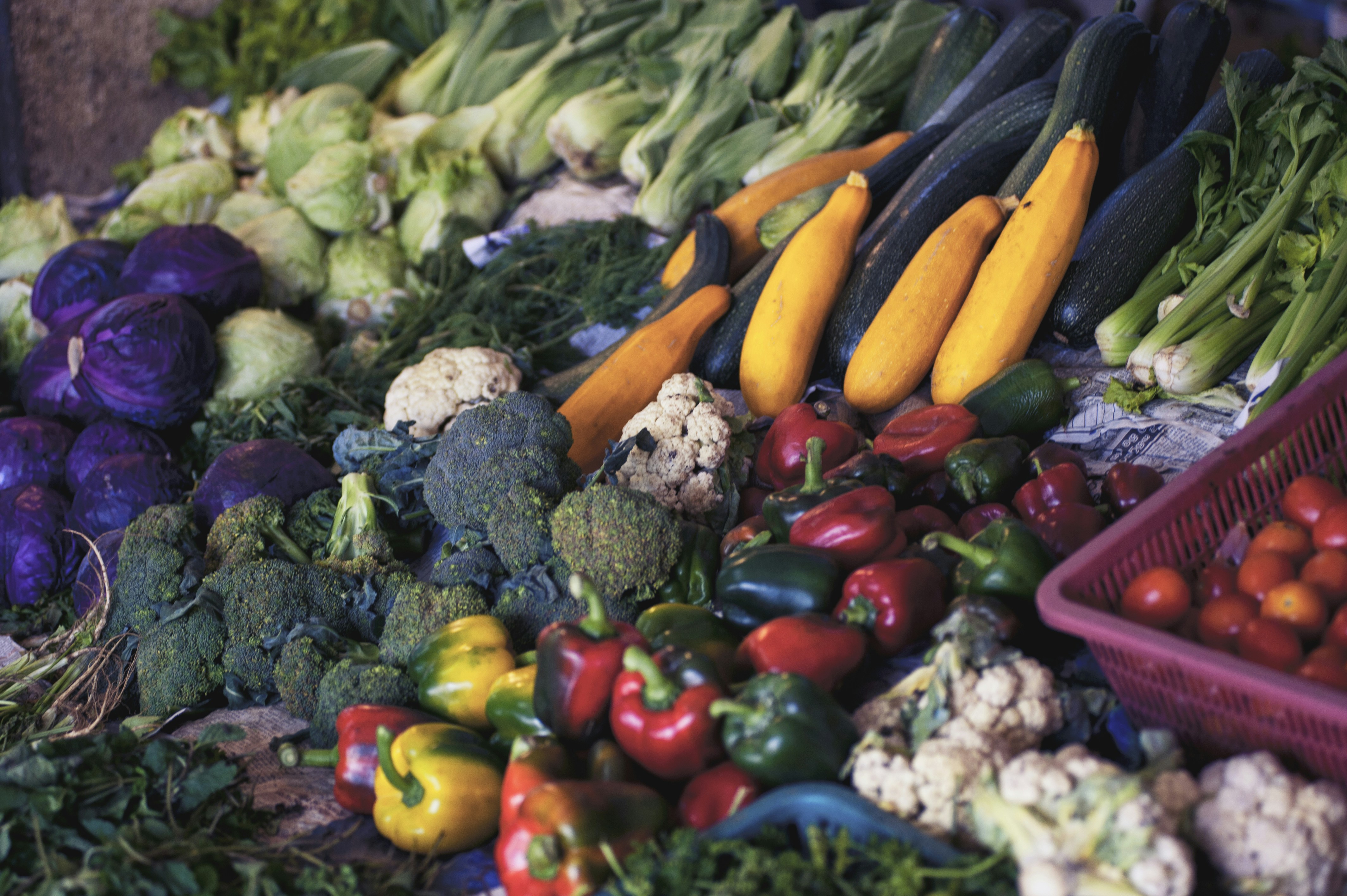
Photo by Alexandr Podvalny
Summer squash has become more than a seasonal garnish. In the United States, this umbrella term for zucchini, pattypan, and chayote is proving to be a practical backbone for menus. Data from Datassential, as reported by Nation's Restaurant News, shows it appears on 1.4% of menus, is up 38% from four years ago, and 81% of consumers are familiar with it. Those three numbers are more than trivia—they signal a fundamental shift in how operators think about vegetables. Cooks are turning to summer squash as a canvas that brightens plates, adds texture across courses, and helps menus feel fresh without losing approachability.
Behind the rise is a simple truth: the ingredient’s flexibility is a big win. Its ability to brighten plates and deliver texture across formats makes it a differentiator in a crowded market. Chefs prize its visual appeal and its adaptable flavor profile, which let kitchens push seasonal ideas without scaring guests. As menus evolve, squash becomes a practical way to blend popularity with culinary creativity, offering both comfort and novelty in every dish. The result is a trend that’s less about flash and more about dependable performance on the line.
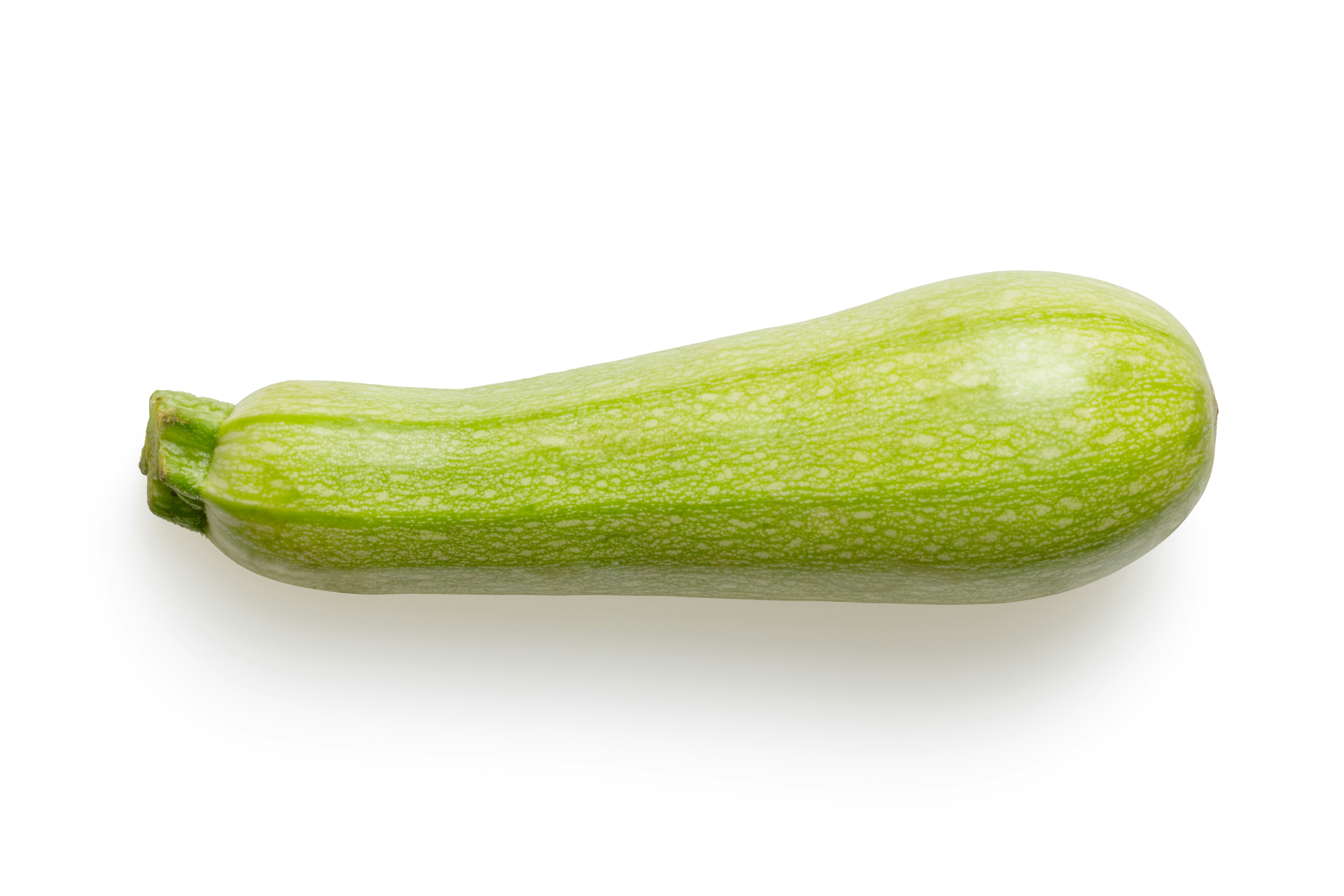
Chefs chasing freshness without risk find a reliable anchor in summer squash. Its versatility and broad appeal lets it anchor dishes across formats—from comforting soups to bright grilled sides and even baked goods—giving menus cohesion while inviting experimentation. The ingredient's capacity to elevate both visuals and texture makes it a flexible canvas for seasonally inspired menus. This dynamic aligns with broader culinary trends that favor vegetables capable of supporting innovation while remaining approachable for guests.
Beyond the garnish, summer squash is a practical workhorse. Its broad flavor and reliable cooking performance support operator goals: consistent texture, timely cook times, and color that catches the eye. Chefs can pivot from soups to sautés to quick breads without retraining cooks or overhauling recipes. In short, the squash trend mirrors a kitchen philosophy: be flexible, stay delicious, and keep guests coming back with recognizable comfort that still feels modern.