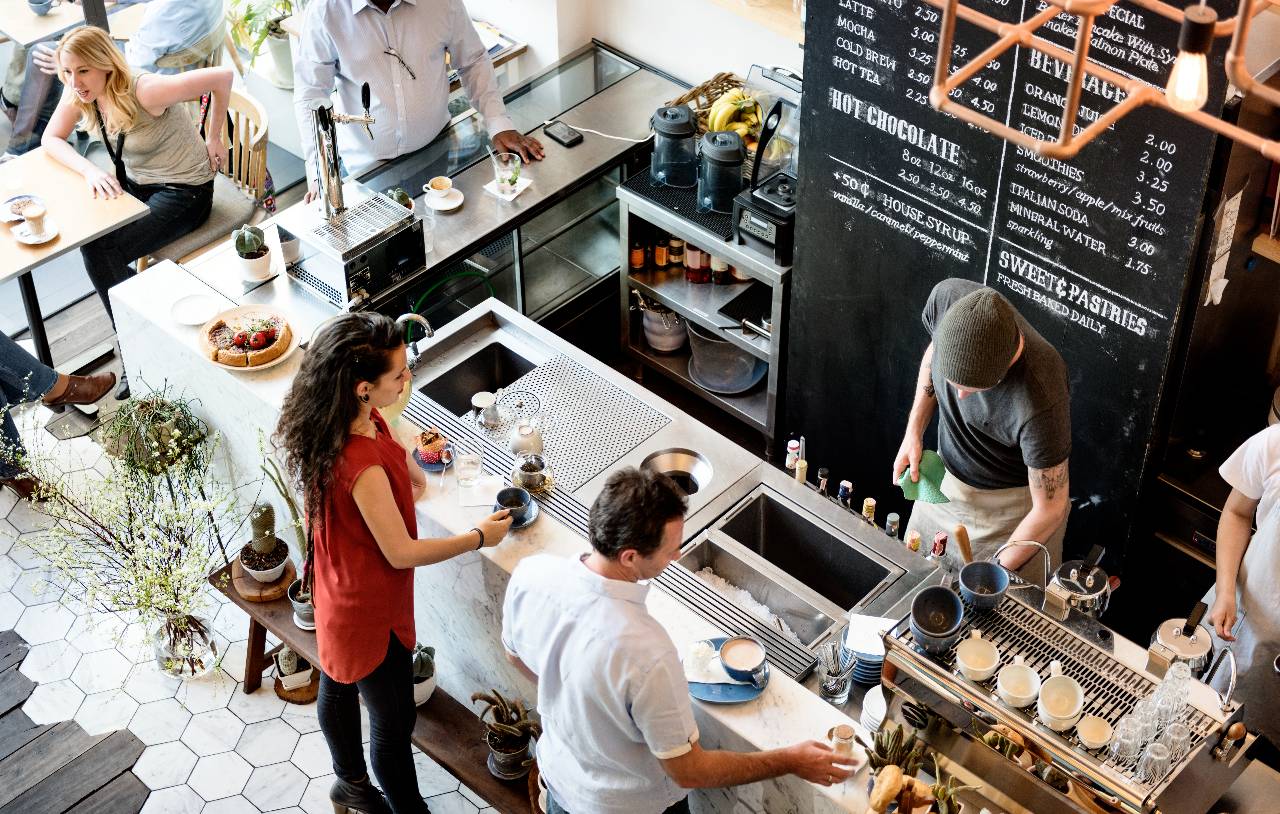
How Much Does It Cost to Open a Coffee Shop in 2026?
Opening a coffee shop in 2026 requires careful cost planning across rent, equipment, labor, technology, menu strategy, marketing, and sustainability.
operations
May 15, 2026
Opening a coffee shop in 2026 requires careful cost planning across rent, equipment, labor, technology, menu strategy, marketing, and sustainability.
May 15, 2026
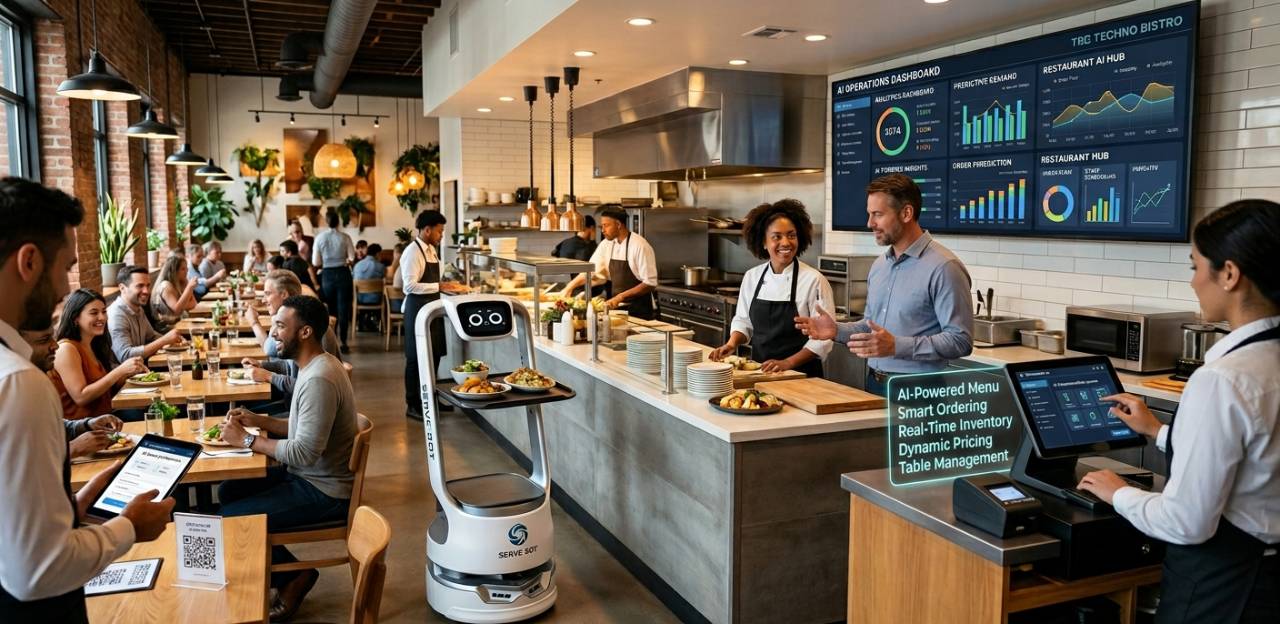
This AI playbook covers restaurant tools for voice ordering, staffing, compliance, menu pricing, inventory, marketing, ChatGPT prompts, and SEO.
May 15, 2026
Hardee’s giant Boddie-Noell inks 31-unit Scooter’s Coffee deal for NC and VA, leveraging drive-thru growth and local roots with rollout over 12–18 months.
May 15, 2026
Wingstop turns match weeks into a multi-sensory festival, aligning bold pop-ups with World Cup energy to build brand affinity and measurable momentum.
May 15, 2026
The parent company behind Dunkin', Buffalo Wild Wings, and Arby's has filed for an IPO a move that could reshape how Wall Street views the restaurant sector.
May 15, 2026

Learn how to develop a memorable restaurant brand identity that stands out in a crowded market, attracts loyal customers, and drives repeat business with actionable strategies and affordable tools.
May 15, 2026
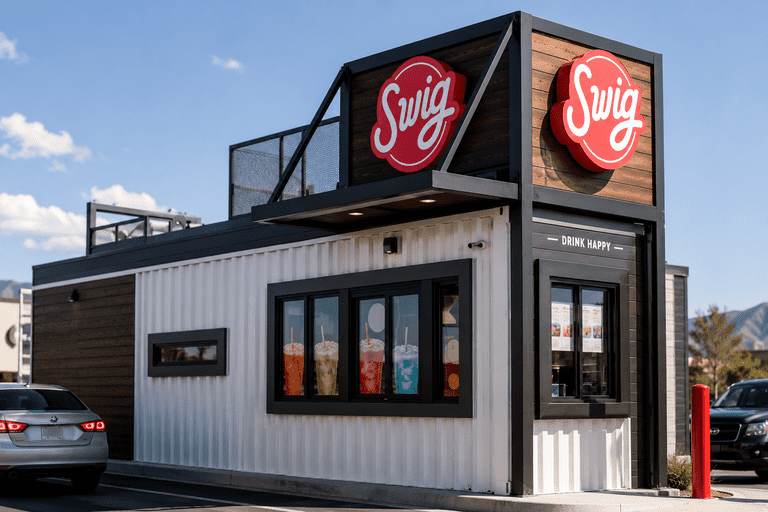
Dirty soda chain Swig is expanding into Colorado through a 10-unit franchise deal, riding a consumer beverage trend that's catching the attention of major QSR players nationwide.
May 15, 2026
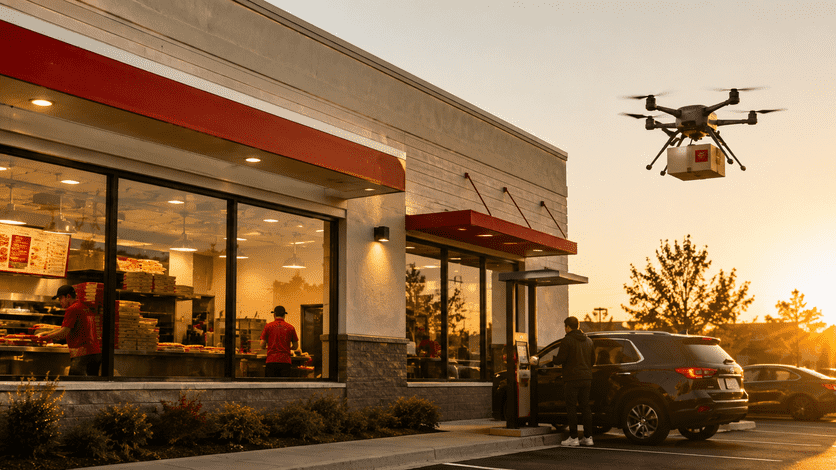
Papa Johns has teamed up with Alphabet's Wing for drone delivery of its new sandwich lineup in parts of Charlotte marking the first partnership of its kind between Wing and a national QSR brand.
May 15, 2026
A warm, expert-led look at McDonald’s Q1 results, menu makeover, and the refranchise question shaping its growth.
May 14, 2026
A reflective look at Habit Ranch, its immersive desert activation, and what it signals for brand loyalty and mindful, experiential dining.
May 14, 2026

Unlock Exclusive Access To Webinars, Events, And The Latest News For Free!
A close look at Taco Bell's Cheesy Street Chalupas, the street-food angle, and the Revolution Carts partnership shaping brand storytelling and community impact.

Photo by bari abikar
Street flavor is the anchor, not a garnish. Taco Bell's Cheesy Street Chalupas hit shelves as a sharp test of how nostalgia meets street-food energy. The shell stays cheese-forward, loaded with mozzarella and pepper jack, and the toppings lean hard into boldness: jalapeño ranch, chopped cilantro, and onion. It’s sold as a two-pack for $5.49, with Cantina chicken or grilled, marinated steak—the kind of pairing that invites sharing and quick math for a family or a late-night run. The rollout, nationwide on July 18, 2024 after a late-2023 test, signals a deliberate push to revitalize a familiar item with edge.
From a mechanics perspective, the Cheesy Street Chalupas rely on a cheese-forward shell and bold toppings to deliver a distinctive bite. The two-stacked street-sized vessels sandwich mozzarella and pepper jack between a crisp shell, then crown them with jalapeño ranch, cilantro, and onion. The inclusion of premium proteins—Cantina chicken or grilled, marinated steak—aims at matching appetite with value: a two-pack for a suggested price of $5.49 that feels shareable in a quick-serve lineup. The item’s lineage runs through Taco Bell’s chalupa family since 1999, including the Quesalupa experiment in 2016, before this street-inspired revision. The result is a modern nod to street food culture that stays faithful to the brand’s language.

Origins and motivation anchor this revamp. Taco Bell frames the Cheesy Street Chalupas as an ode to street-food flavors, fusing traditional street taco elements with its shell and cheese-forward approach. The Newsroom highlights how street vendors infuse dishes with personal flair, and executives describe the initiative as part of a broader reinvention strategy for a classic item. Since the Chalupa’s 1999 debut, it has evolved into an XXL Chalupa, Baja Chalupa, and Nacho Cheese Doritos Locos Chalupa; now the street revision adds a storytelling angle that aligns with the brand’s ambitions. The aim is simple: keep familiar flavors, add energy, and keep fans curious.
Testing in October 2023 signaled an iterative approach to menu evolution, with a nationwide rollout on July 18, 2024. The street-inspired concept is built on a lineage of chalupa variants and is designed to evoke a modern, approachable nod to street food culture while staying true to Taco Bell’s product language. The rollout’s timing—post-test and ahead of broader menu refreshes—signals a deliberate cadence: measure flavor impact, refine storytelling, and broaden the conversation around what a familiar item can become.

From a mechanics perspective, the Cheesy Street Chalupas rely on a cheese-forward shell and bold toppings to deliver a distinctive bite. The menu item is described as a street-sized, cheese-stuffed chalupa shell layered with mozzarella and pepper jack, topped with jalapeño ranch, and finished with chopped cilantro and onion. Consumers have a choice of protein—Cantina chicken or grilled, marinated steak—and the dish is sold as a two-pack for a suggested price of $5.49. The emphasis on fresh onions and cilantro atop layers of cheese and premium proteins is presented as a deliberate flavor profile designed to evoke street tacos while staying true to Taco Bell’s product language.
“The Chalupa has taken many delicious forms over the years, but with the Cheesy Street Chalupas, we set out to create a new flavor-rich way for fans to enjoy the beloved menu item,” said Luis Restrepo, Taco Bell’s Vice President of Product Innovation. The accompanying note emphasizes that “the fresh onions and cilantro atop layers of cheese and premium proteins seasoned to perfection adds a different flavor profile and is our playful nod to the street taco that we all know and love.” This framing makes the product feel like ongoing experimentation, not a one-off release, anchored in real-world street experiences.
From menu to meaningful partnerships, Taco Bell frames the Cheesy Street Chalupas as part of a broader drive to back street entrepreneurship. The Revolution Carts collaboration is described as a multi-year program to support local street vendors. Over the two years prior to 2024, Taco Bell donated 26 carts and projected a total of 46 street-legal carts to be distributed across Southern California by summer’s end. Each Revolution Cart is a customized, health-permitted platform designed to help vendors operate legally and more efficiently on sidewalks, with branding that reflects the recipient’s business and culture. Restrepo notes the commitment: “The 46 street-legal food cart donation is the first of a long-term commitment we have to these entrepreneurs; more to come in the years ahead.”
This partnership is framed as tangible evidence of a brand strategy that couples menu innovation with social impact. The Revolution Carts platform highlights an ongoing cart offerings program and a formal plan to reward competition and opportunity in Southern California markets, extending the story beyond the menu and into the street-level economy.
Industry context sits around a wider movement in urban street vending, where local governments and private partners rethink permitting, safety, and scalability for small vendors. The Taco Bell–Revolution Carts initiative has been celebrated as a model of civic entrepreneurship, but coverage of the public-policy landscape shows mixed progress. A June 2024 Los Angeles Times investigation notes that L.A. County’s broad cart program, intended to empower vendors with health-permitted equipment, faced implementation delays and criticism from trade groups like the National Food Truck Association. The county’s evolving permit framework and supply challenges underscore that corporate sponsorship cannot fully substitute for robust public infrastructure and policy execution. Taken together, these developments illustrate how brand storytelling and social impact must align with regulatory realities to deliver durable benefits.
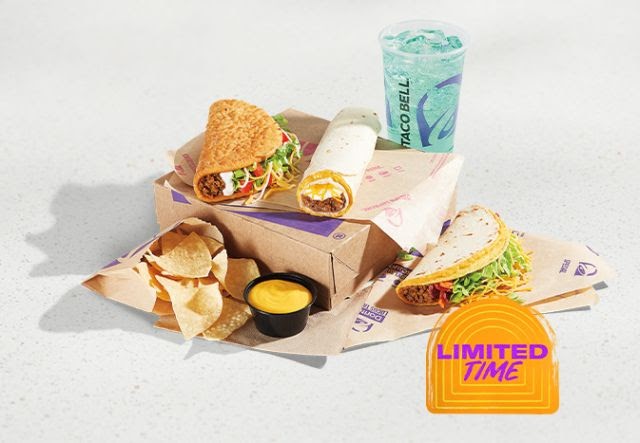
Forward look shows the street-chalupa platform as an evolving, multi-season project. The public face has shifted—from 2024’s rollout to 2025’s Toasted Cheddar Street Chalupas and 2026’s Chicken Bacon Ranch Street Chalupas. The February 2026 update confirms the return of Cheesy Street Chalupas in a Chicken Bacon Ranch variant, paired with a Discovery Luxe Box and other limited-time opportunities, signaling ongoing iteration and cross-pollination with packaging and promotions. Leadership emphasizes expansion based on consumer response and partner synergy. In a policy environment still sorting permitting and vendor support, transparency about timelines and outcomes will be essential to sustained trust.

Implications for the future come into focus when you connect the dots. Taken together, the Cheesy Street Chalupas and Revolution Carts program illustrate a deliberate approach to brand-building that weaves product innovation with social value. The initiative invites customers to engage with a familiar dish reimagined through street-food sensibilities, while foregrounding support for small entrepreneurs who face regulatory and financial barriers. As Restrepo notes, "When it comes to supporting the communities that inspire our food innovation, we're just getting started." The evolving Street Chalupa platform—now showing 2025 and 2026 iterations and expanding partnerships—points to a broader industry trend: brands anchoring menu launches in local economic development, not just broad reach.
This alignment between culinary experimentation and community investment helps explain why outlets continue to track the item’s trajectory as part of Taco Bell’s broader cultural storytelling and long-term strategy.