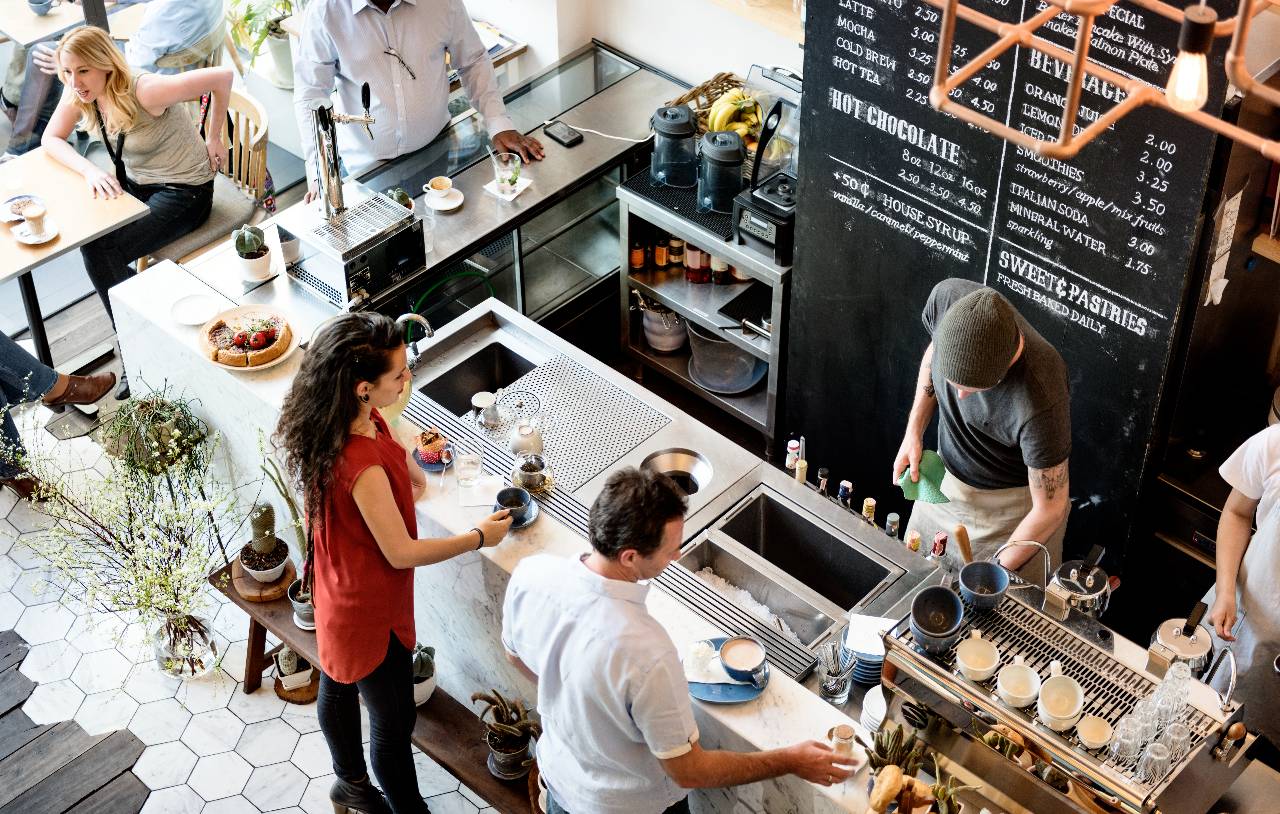
How Much Does It Cost to Open a Coffee Shop in 2026?
Opening a coffee shop in 2026 requires careful cost planning across rent, equipment, labor, technology, menu strategy, marketing, and sustainability.
operations
May 15, 2026
Opening a coffee shop in 2026 requires careful cost planning across rent, equipment, labor, technology, menu strategy, marketing, and sustainability.
May 15, 2026
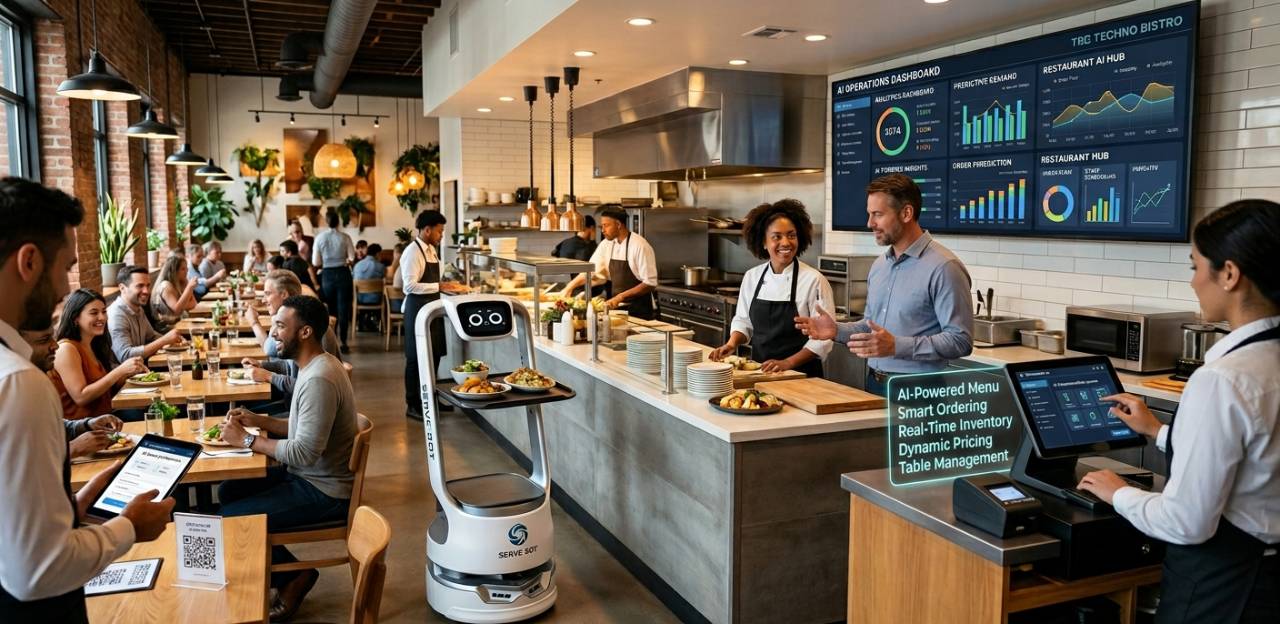
This AI playbook covers restaurant tools for voice ordering, staffing, compliance, menu pricing, inventory, marketing, ChatGPT prompts, and SEO.
May 15, 2026
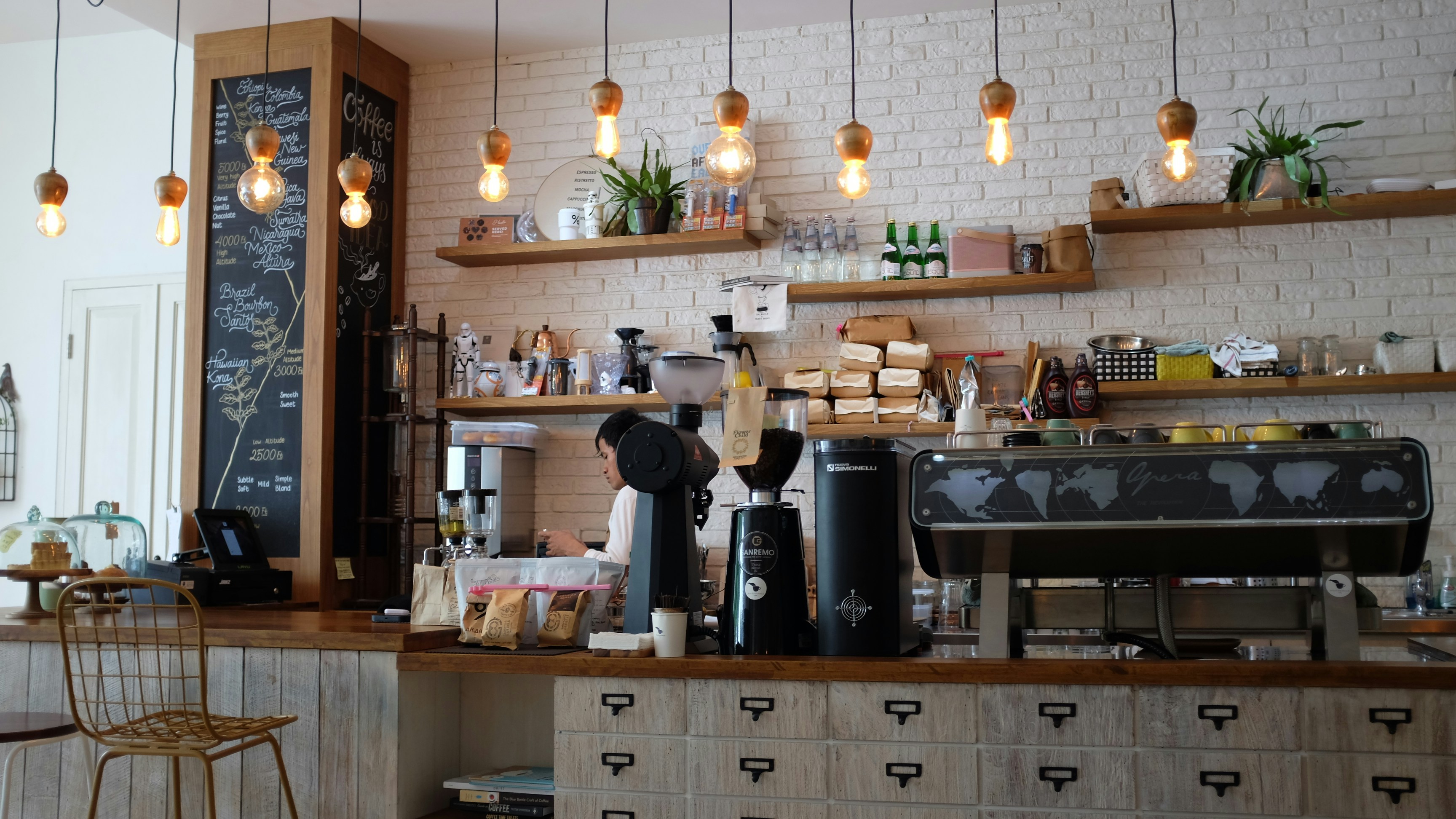
Hardee’s giant Boddie-Noell inks 31-unit Scooter’s Coffee deal for NC and VA, leveraging drive-thru growth and local roots with rollout over 12–18 months.
May 15, 2026
Wingstop turns match weeks into a multi-sensory festival, aligning bold pop-ups with World Cup energy to build brand affinity and measurable momentum.
May 15, 2026
The parent company behind Dunkin', Buffalo Wild Wings, and Arby's has filed for an IPO a move that could reshape how Wall Street views the restaurant sector.
May 15, 2026
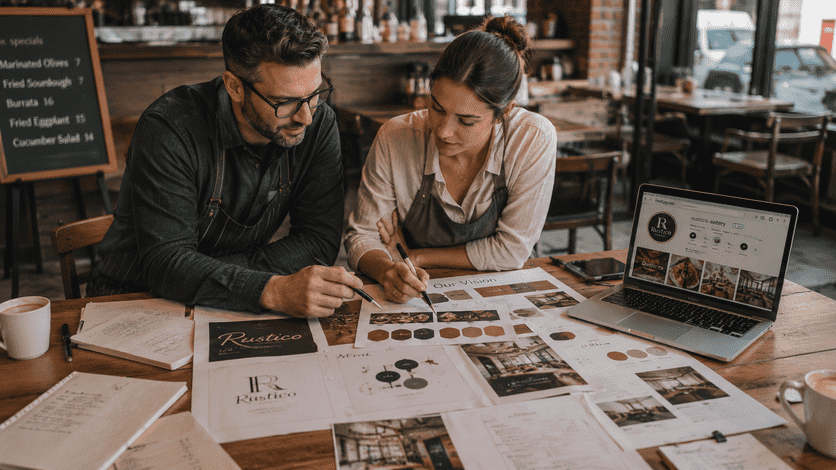
Learn how to develop a memorable restaurant brand identity that stands out in a crowded market, attracts loyal customers, and drives repeat business with actionable strategies and affordable tools.
May 15, 2026
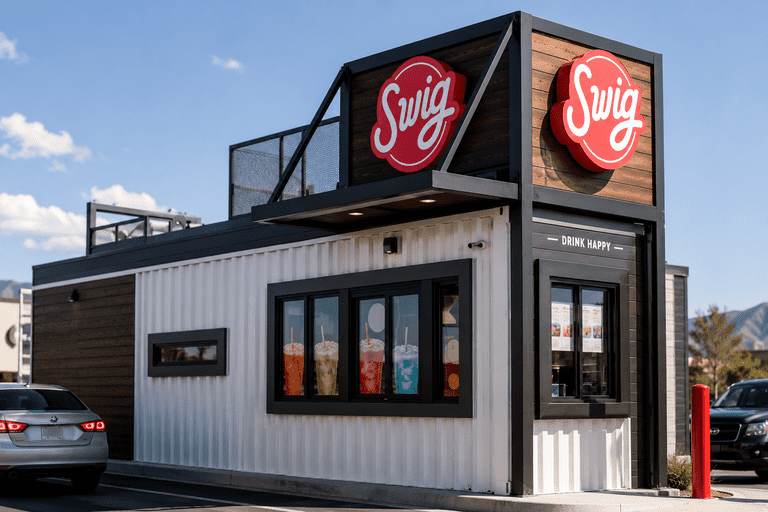
Dirty soda chain Swig is expanding into Colorado through a 10-unit franchise deal, riding a consumer beverage trend that's catching the attention of major QSR players nationwide.
May 15, 2026
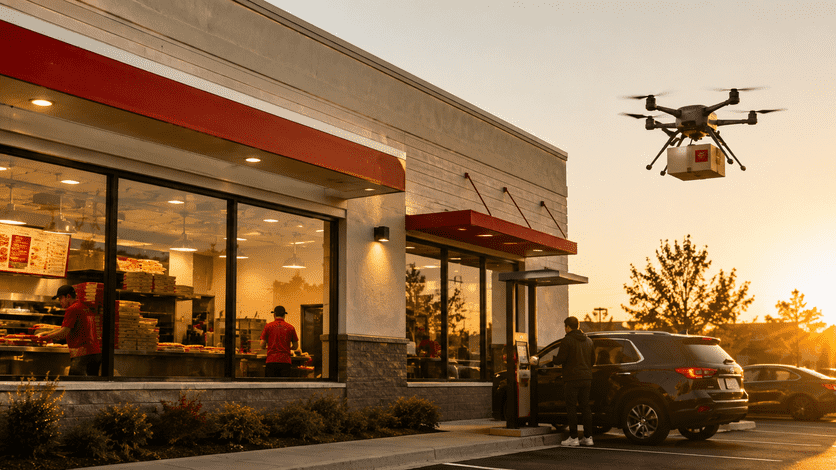
Papa Johns has teamed up with Alphabet's Wing for drone delivery of its new sandwich lineup in parts of Charlotte marking the first partnership of its kind between Wing and a national QSR brand.
May 15, 2026
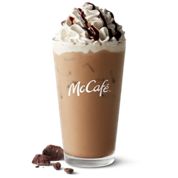
A warm, expert-led look at McDonald’s Q1 results, menu makeover, and the refranchise question shaping its growth.
May 14, 2026
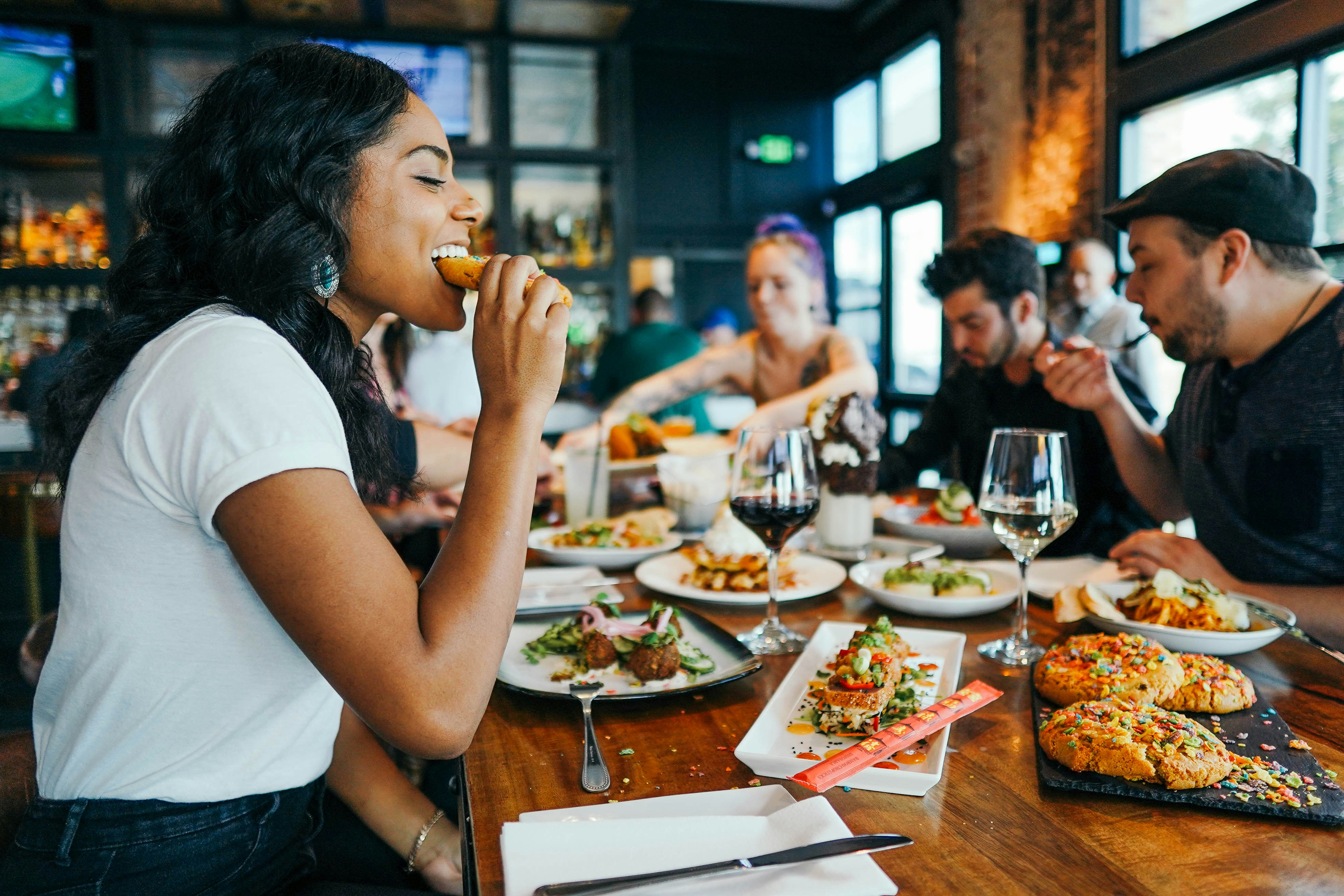
A reflective look at Habit Ranch, its immersive desert activation, and what it signals for brand loyalty and mindful, experiential dining.
May 14, 2026

Unlock Exclusive Access To Webinars, Events, And The Latest News For Free!
Explore how Starbucks' transformation strategy is reshaping leadership and operations with key executive changes and a focus on sustainability.

Starbucks, under the guidance of CEO Brian Niccol, has undergone a significant transformation in its C-suite to align with the company's strategic goals. The emphasis has been on bringing teams closer together, fostering a culture of accountability, and enabling swift decision-making. This shift in leadership dynamics aims to enhance operational efficiency and drive innovation across all aspects of the business.
One of the notable changes in Starbucks' leadership team was the appointment of Cathy Smith as the Chief Financial Officer, succeeding Rachel Ruggeri. This move demonstrates the company's commitment to ensuring strong financial stewardship and strategic planning. Moreover, with the removal of the North America CEO position, Starbucks has streamlined its leadership structure to streamline decision-making and drive cohesive execution.
Mike Grams' entry into Starbucks as the Chief Operating Officer signifies a pivotal moment in the company's operational strategy. With a wealth of experience from Taco Bell and Yum Brands, Grams brings a deep understanding of customer solutions, retail performance, and supply chain management. His mandate to oversee operations, global coffee house development, and the supply chain highlights Starbucks' focus on enhancing the overall customer experience and optimizing operational efficiency.
As part of its transformation strategy, Starbucks is merging the Global Coffee and Sustainability team with the Global Brand team to embed sustainability principles across the organization. This strategic alignment underlines the company's commitment to responsible business practices and creating a positive impact on the environment. By integrating sustainability into product development, packaging, and operations, Starbucks is setting a new standard for sustainable practices in the industry.
The restructuring of executive responsibilities, such as having Michelle Burns, the executive vice president of global coffee and sustainability, report to Tressie Lieberman, the global chief brand officer, reflects Starbucks' efforts to drive operational synergy and brand cohesiveness. This alignment enables greater collaboration between teams focused on coffee quality, sustainability initiatives, and brand innovation, ultimately enhancing the overall customer experience.
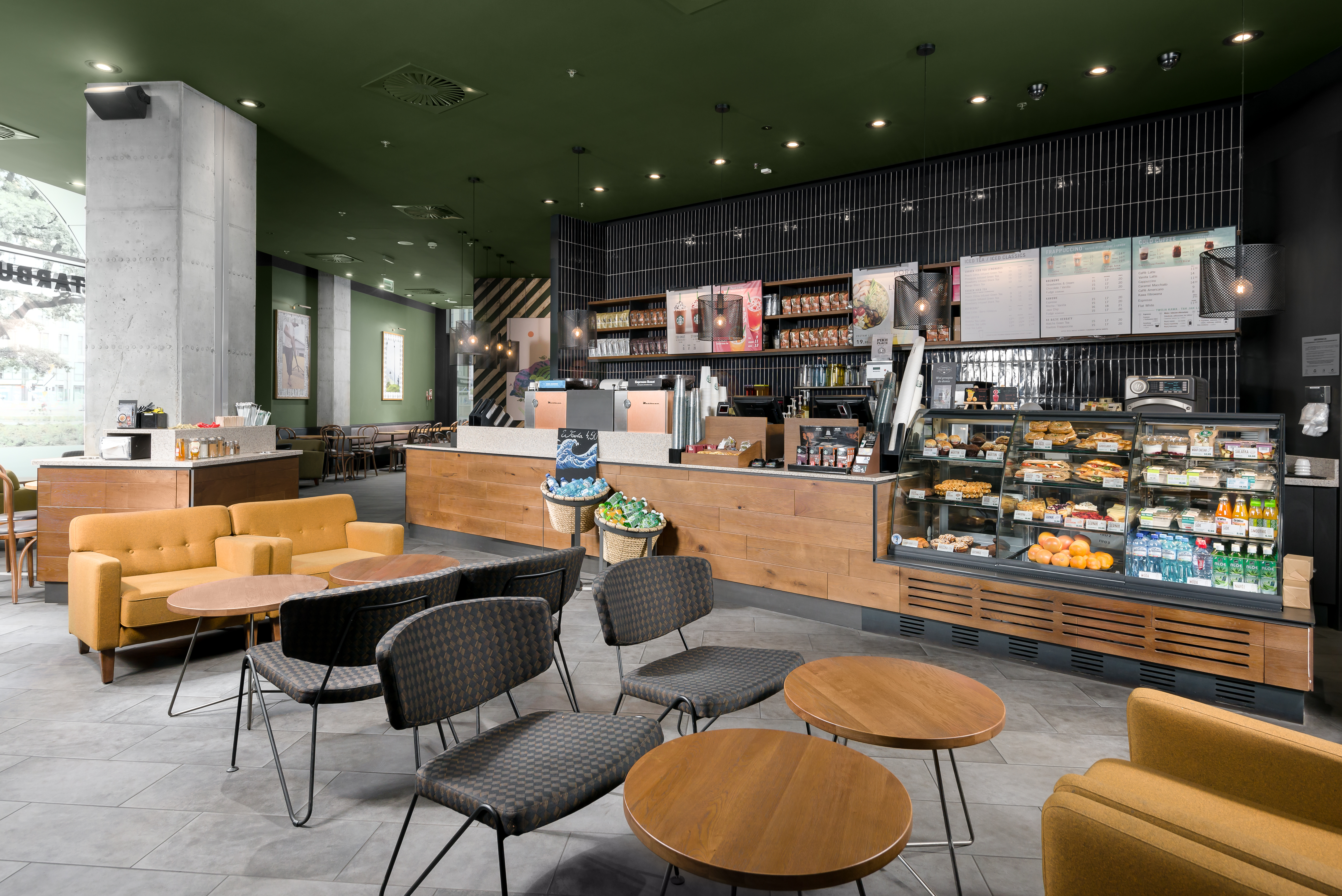
The appointment of Deb Hall Lefevre as the Chief Technology Officer underscores Starbucks' commitment to leveraging technology to enhance its operations and customer engagement. By having a dedicated technology leader reporting to the CFO, the company aims to harness digital innovations for improving efficiency, streamlining processes, and staying ahead in a rapidly evolving digital landscape.
Starbucks' shift towards a more sustainable future is evident not only in its operational changes but also in its leadership realignment. By prioritizing sustainability in its decision-making processes and product development, Starbucks is not only meeting consumer expectations but also setting a benchmark for environmental responsibility within the industry. This commitment to sustainability will likely resonate with eco-conscious consumers and drive long-term brand loyalty.
As Starbucks navigates its transformation journey, the focus on leadership cohesion, operational efficiency, and sustainability will be paramount to its success. By aligning its C-suite to drive a shared vision, the company can adapt to market dynamics, innovate rapidly, and deliver exceptional experiences to its customers. With a strong leadership team in place and a renewed emphasis on sustainability, Starbucks is poised to redefine the coffee industry landscape for years to come.