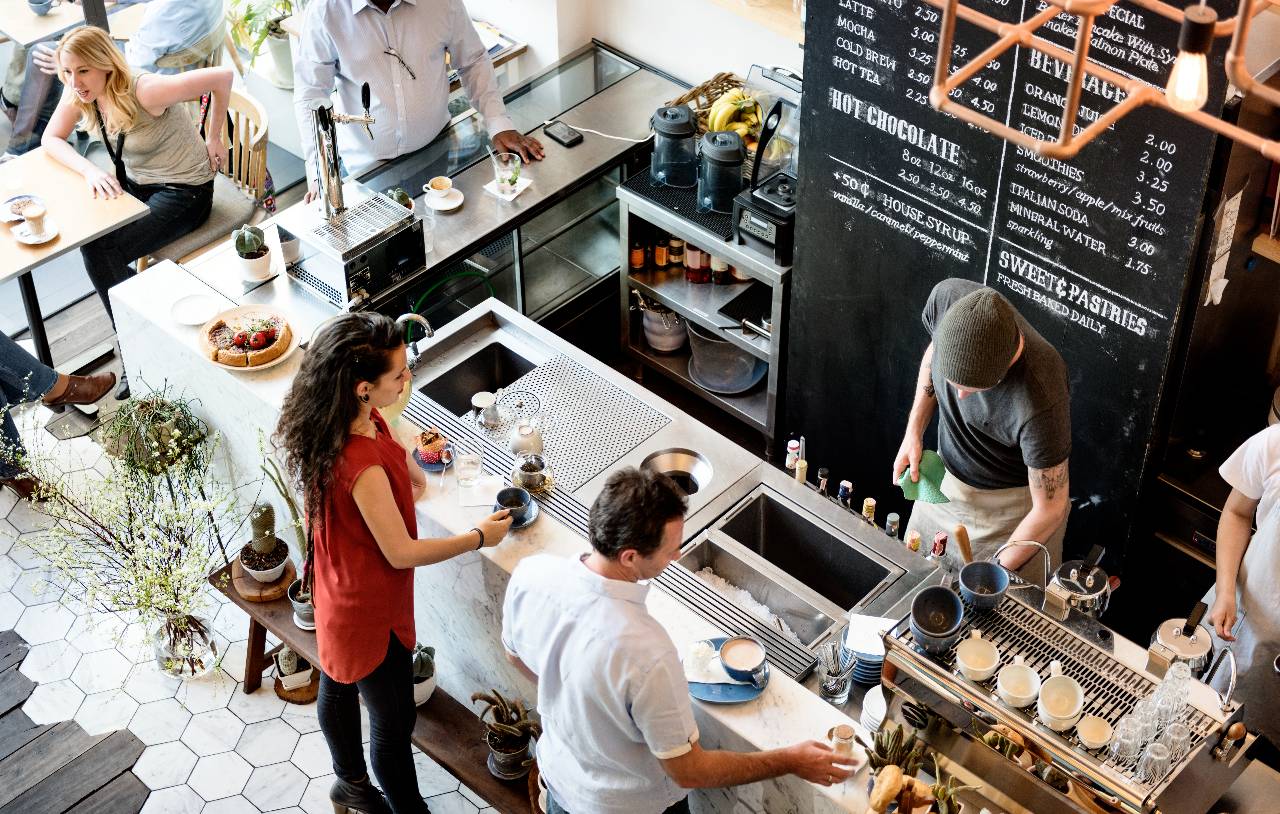
How Much Does It Cost to Open a Coffee Shop in 2026?
Opening a coffee shop in 2026 requires careful cost planning across rent, equipment, labor, technology, menu strategy, marketing, and sustainability.
operations
May 15, 2026
Opening a coffee shop in 2026 requires careful cost planning across rent, equipment, labor, technology, menu strategy, marketing, and sustainability.
May 15, 2026
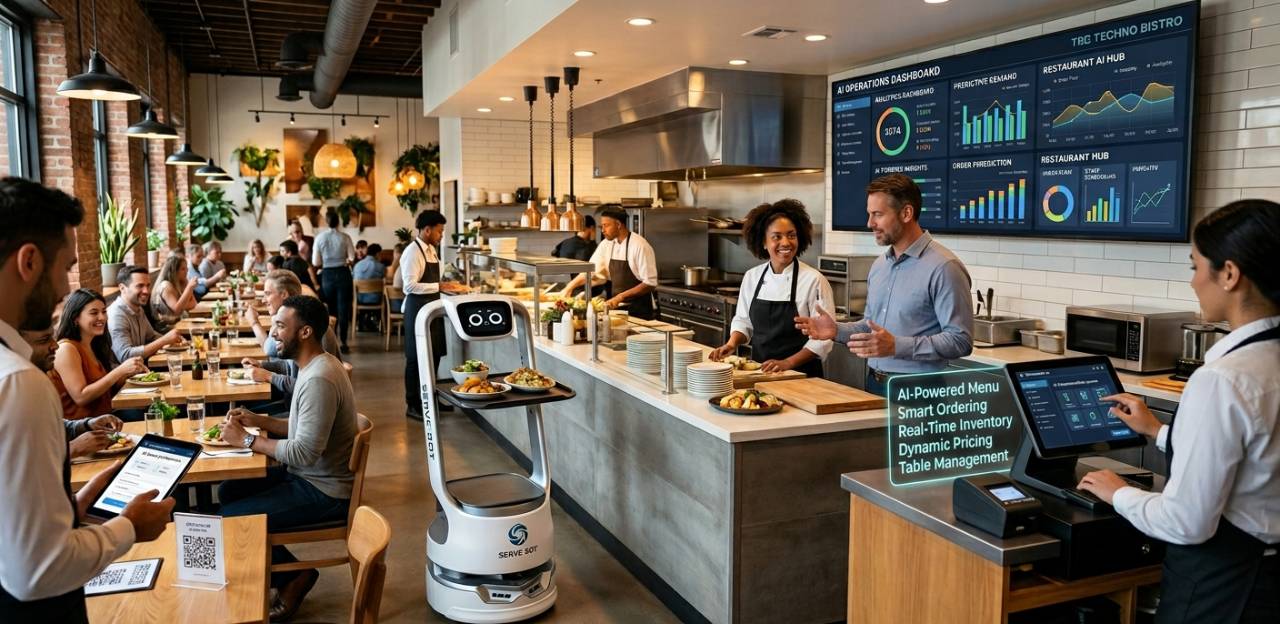
This AI playbook covers restaurant tools for voice ordering, staffing, compliance, menu pricing, inventory, marketing, ChatGPT prompts, and SEO.
May 15, 2026
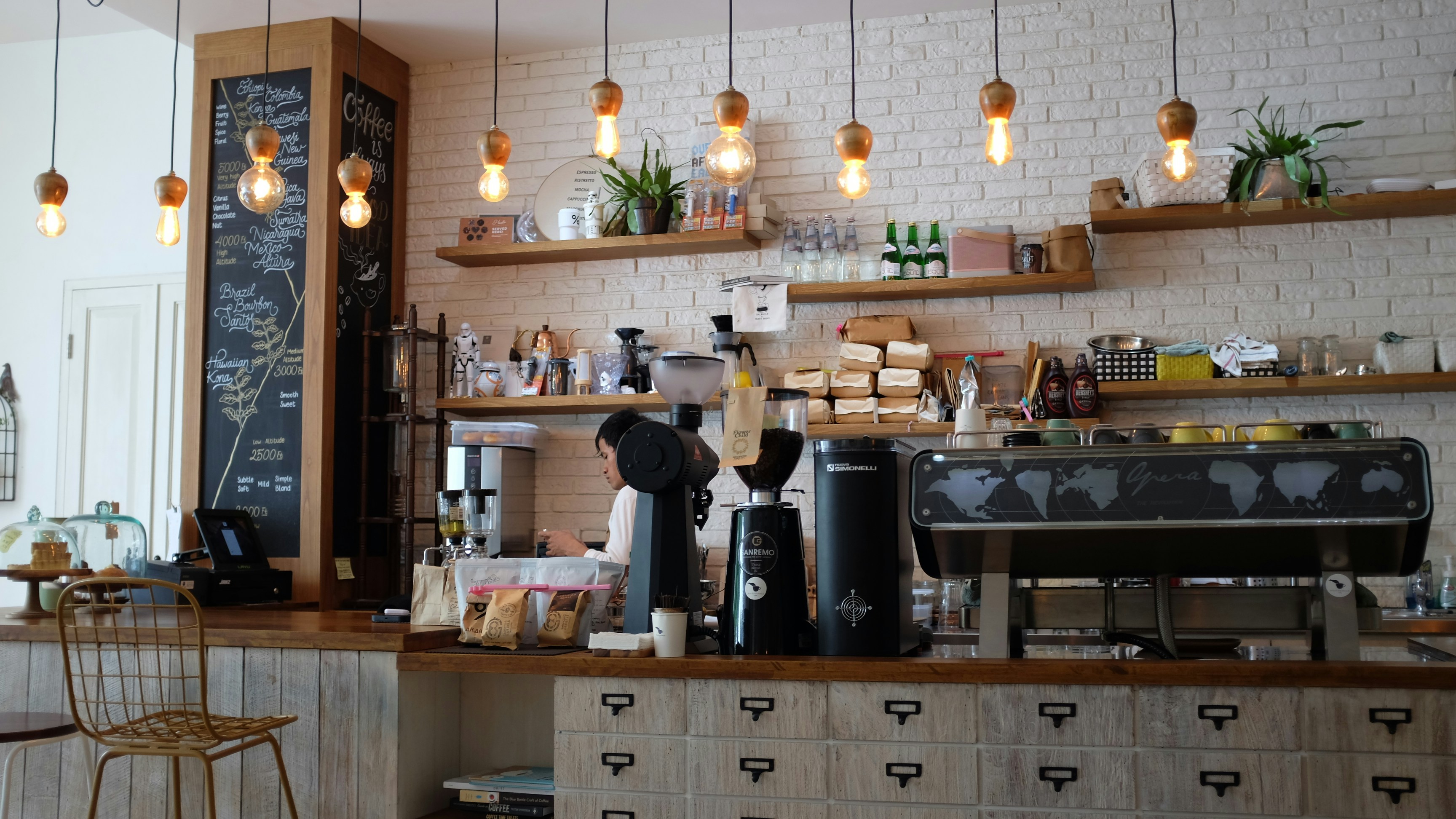
Hardee’s giant Boddie-Noell inks 31-unit Scooter’s Coffee deal for NC and VA, leveraging drive-thru growth and local roots with rollout over 12–18 months.
May 15, 2026
Wingstop turns match weeks into a multi-sensory festival, aligning bold pop-ups with World Cup energy to build brand affinity and measurable momentum.
May 15, 2026
The parent company behind Dunkin', Buffalo Wild Wings, and Arby's has filed for an IPO a move that could reshape how Wall Street views the restaurant sector.
May 15, 2026

Learn how to develop a memorable restaurant brand identity that stands out in a crowded market, attracts loyal customers, and drives repeat business with actionable strategies and affordable tools.
May 15, 2026
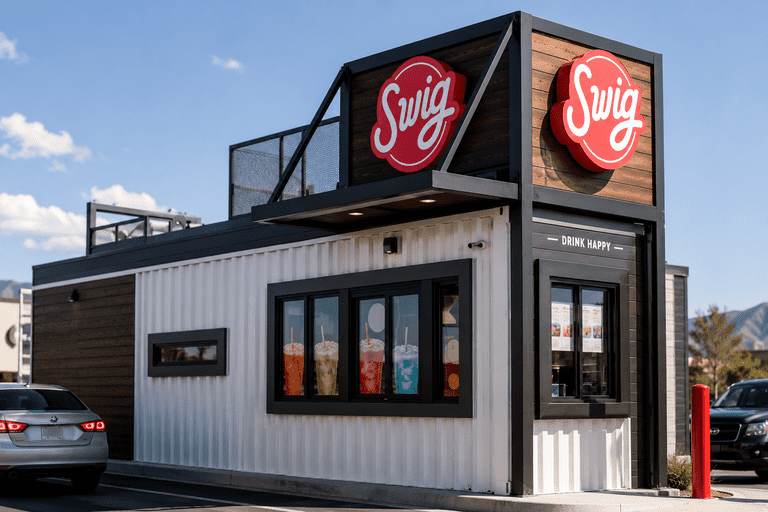
Dirty soda chain Swig is expanding into Colorado through a 10-unit franchise deal, riding a consumer beverage trend that's catching the attention of major QSR players nationwide.
May 15, 2026
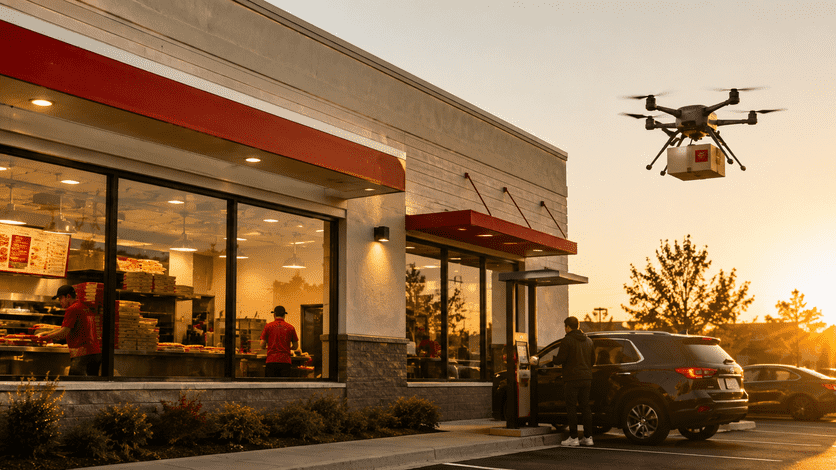
Papa Johns has teamed up with Alphabet's Wing for drone delivery of its new sandwich lineup in parts of Charlotte marking the first partnership of its kind between Wing and a national QSR brand.
May 15, 2026
A warm, expert-led look at McDonald’s Q1 results, menu makeover, and the refranchise question shaping its growth.
May 14, 2026
A reflective look at Habit Ranch, its immersive desert activation, and what it signals for brand loyalty and mindful, experiential dining.
May 14, 2026

Unlock Exclusive Access To Webinars, Events, And The Latest News For Free!
Discover how Starbucks revamped its menu by simplifying and introducing flat fees for customization, along with insights into its pricing strategy.
Upon CEO Brian Niccol's joining Starbucks, the brand initiated a significant shift in its pricing and customization strategies. Recognizing the ineffectiveness of discounts in driving traffic, Starbucks aimed to streamline its pricing system. Niccol emphasized the need for transparency, as customers were often surprised by the additional charges for customizations. In response, Starbucks introduced a flat fee for adding sauces or syrup modifiers, simplifying the pricing structure and enhancing clarity for consumers.
In a bid to reduce complexity and improve operational efficiency, Starbucks made decisive moves to declutter its menu. By removing less popular drinks and planning to slim down the menu by 30%, the brand aimed to offer a more focused selection of beverages. This strategic menu simplification not only reduces wait times for customers but also allows baristas to execute orders more swiftly, enhancing overall service quality.
.jpg)
Customers often crafted elaborate drink orders with complex modifiers, leading to challenges in execution and compromising the drink quality. To address this, Starbucks implemented more 'guardrails' for customizations. By guiding customers towards more structured modifications, the chain ensures a smoother ordering process and maintains the integrity of the beverages. This shift also aligns with Niccol's vision of constructing drinks in the most optimal way, focusing on enhancing the overall drink experience.
As part of the revamped pricing strategy, Starbucks introduced additional fees for certain customizations. Customers now incur charges when adding products like chai concentrate, matcha powder, or dried fruit to their orders. By adjusting pricing based on the added components, Starbucks aims to reflect the actual costs associated with these premium additions. For instance, the pricing discrepancy for adding matcha powder to matcha drinks showcases a nuanced approach to pricing based on product type and quantity.