How Much Does It Cost to Open a Coffee Shop in 2026?
Opening a coffee shop in 2026 requires careful cost planning across rent, equipment, labor, technology, menu strategy, marketing, and sustainability.
operations
May 15, 2026
Opening a coffee shop in 2026 requires careful cost planning across rent, equipment, labor, technology, menu strategy, marketing, and sustainability.
May 15, 2026
This AI playbook covers restaurant tools for voice ordering, staffing, compliance, menu pricing, inventory, marketing, ChatGPT prompts, and SEO.
May 15, 2026
Hardee’s giant Boddie-Noell inks 31-unit Scooter’s Coffee deal for NC and VA, leveraging drive-thru growth and local roots with rollout over 12–18 months.
May 15, 2026
Wingstop turns match weeks into a multi-sensory festival, aligning bold pop-ups with World Cup energy to build brand affinity and measurable momentum.
May 15, 2026
The parent company behind Dunkin', Buffalo Wild Wings, and Arby's has filed for an IPO a move that could reshape how Wall Street views the restaurant sector.
May 15, 2026
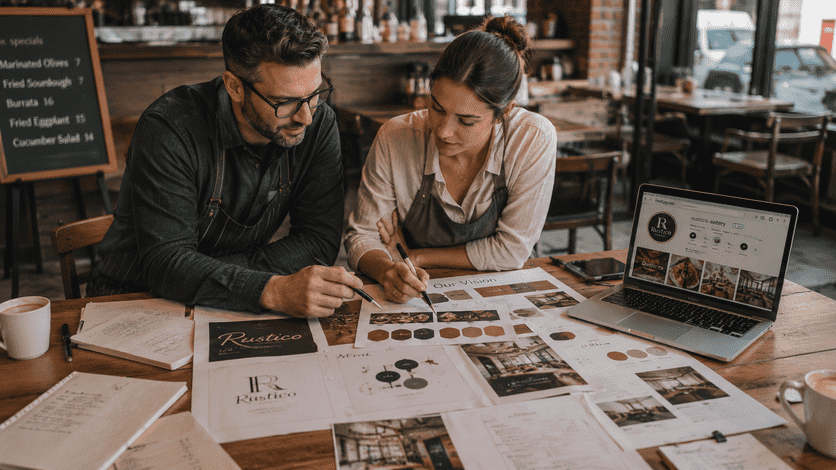
Learn how to develop a memorable restaurant brand identity that stands out in a crowded market, attracts loyal customers, and drives repeat business with actionable strategies and affordable tools.
May 15, 2026
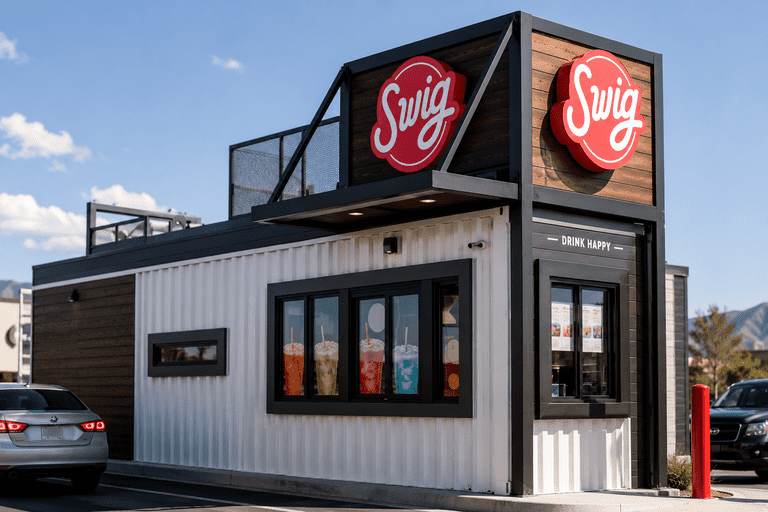
Dirty soda chain Swig is expanding into Colorado through a 10-unit franchise deal, riding a consumer beverage trend that's catching the attention of major QSR players nationwide.
May 15, 2026
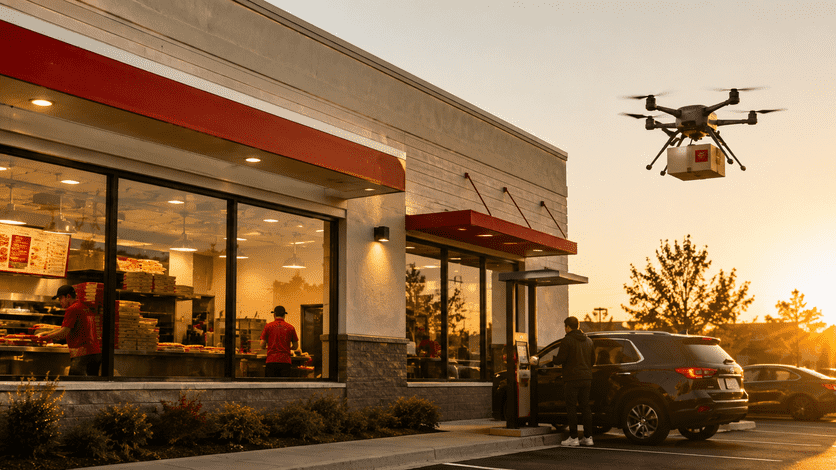
Papa Johns has teamed up with Alphabet's Wing for drone delivery of its new sandwich lineup in parts of Charlotte marking the first partnership of its kind between Wing and a national QSR brand.
May 15, 2026
A warm, expert-led look at McDonald’s Q1 results, menu makeover, and the refranchise question shaping its growth.
May 14, 2026
A reflective look at Habit Ranch, its immersive desert activation, and what it signals for brand loyalty and mindful, experiential dining.
May 14, 2026

Unlock Exclusive Access To Webinars, Events, And The Latest News For Free!
A refined look at Starbucks' turnaround, spotlighting the Siren Craft System and the pursuit of a simpler, value-led customer path.

Photo by Ruben Ramirez
Across the polished counters and steam of a brand long trusted to deliver steadiness, Starbucks now stands at a turning point. The latest data reveal a rare dip in same-store momentum, echoing a broader consumer pause in discretionary spending. Analysts point to macro softness and also to a cadence of internal experiments that may have stretched resources and patience. Even in a culture so tuned to cadence and ritual, the realization that daily traffic must be recaptured lands with quiet gravity. What does this recalibration promise for the neighborhood coffee ritual, and what does it demand of leadership:
Starbucks faces a second consecutive quarter of softer earnings, a condition many brands rarely endure. Technomic data illuminate shifts in when and why people visit: the share of visits during snacking and non-meal occasions fell from 65% in 2021 to 58% in 2024, while return intent among frequent visitors dropped from 43% to 34%. Taken together, these signals suggest that even an iconic brand must recalibrate to recapture habitual, high-frequency visits. External headwinds loom, and the company’s own cadence—ranging from leadership changes to aggressive testing of new promotions—is under close scrutiny. Such crosswinds prompt the question: where should the compass point next?

Behind the headlines lies a period of intensified recalibration amid macro headwinds. The leadership team has undertaken sweeping reorganizations, with a focus on reshaping the senior ranks, expanding the calendar of limited-time offers, and launching fresh SKUs—think playful, accessible innovations—alongside store design overhauls and new equipment. In this environment, optics matter as much as metrics, and the balance between urgency and clarity becomes the fulcrum of the turnaround:
Siren Craft System sits at the center of this frame, alongside ongoing store redesigns and equipment upgrades. The leadership has tested staffing and scheduling changes to balance innovation with reliability at the bar. External pressures—wage inflation, activist investors, and a growing union movement—color the path forward and remind us that execution, not spectacle, will tell the tale:

From a vantage of disciplined hospitality, the company has embraced a more ambitious operating tempo, expanding the limited-time offer calendar and introducing new SKUs while pursuing store redesigns and equipment upgrades. The Siren Craft System, introduced in 2022 and expanded in 2024, aims to simplify beverage crafting and speed service, a tangible lever to reduce wait times and improve consistency as afternoon traffic grows more consequential for revenue. In parallel, staffing, scheduling, and store priorities are tested to balance innovation with reliability at the bar. These mechanics reflect a deliberate tilt toward operational clarity and execution discipline, rather than a limitless wave of experiments, all with the same objective: restore ease of ordering and predictability in the customer journey.
The Siren Craft System sits at the heart of store-level efficiency, while broader changes in staffing and store priorities serve to harmonize novelty with reliability. The aim is a smoother bar experience, lower variability in beverage crafting, and a customer journey that feels less like an orchestra of moving parts and more like a single, confident note.
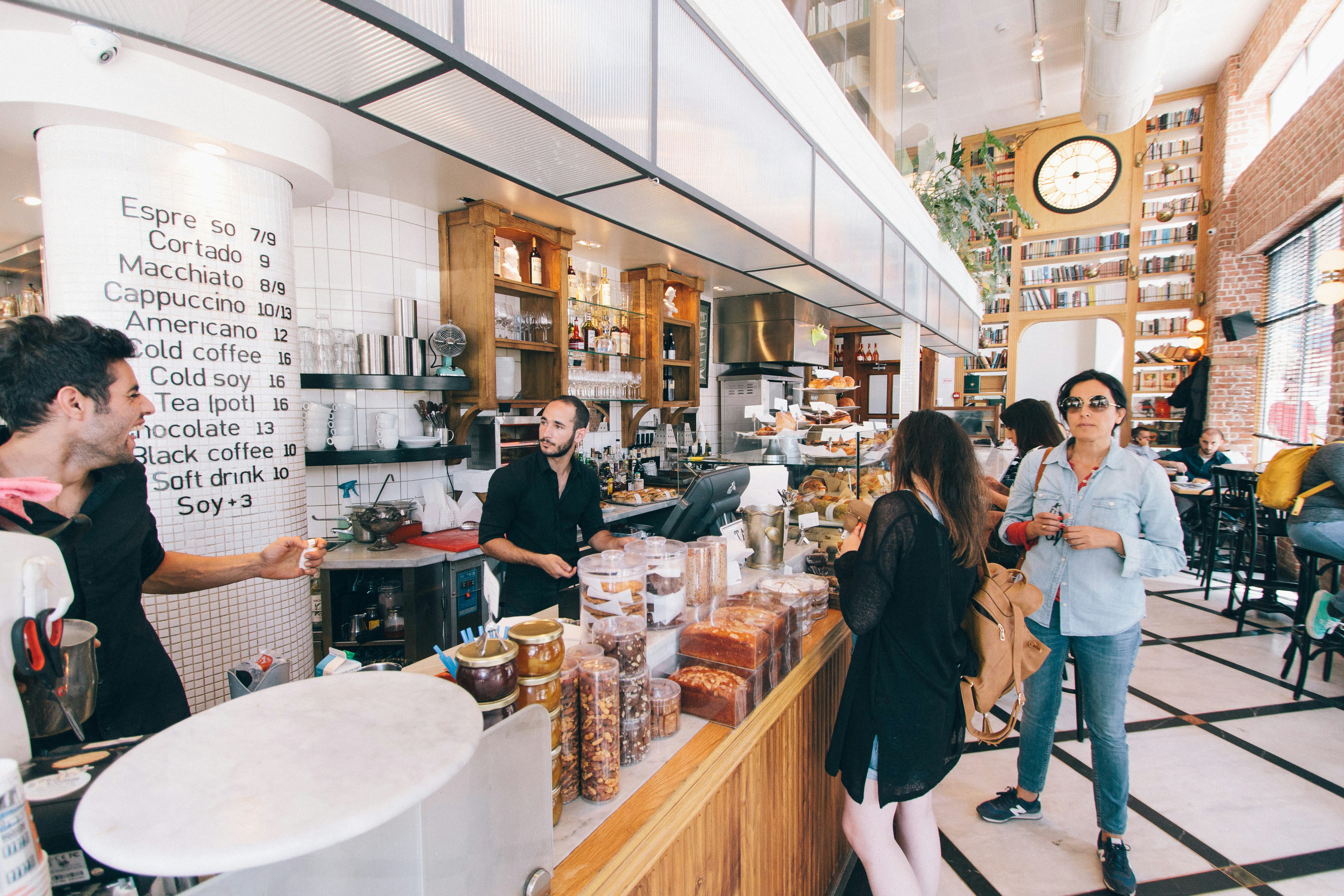
Industry observers have been vocal about the tension between urgency and clarity in Starbucks’ turnaround. Howard Schultz, the founder and former CEO, has urged leadership to refocus on the fundamentals, warning against chasing every new lever at once and emphasizing the need to deliver a smoother customer experience. In a public post, Schultz asserted that the stores require a maniacal focus on the customer experience, through the eyes of a merchant. The line has circulated widely as a touchstone for critics who worry the current plan risks diluting the brand’s core strengths.
Phil Kafarakis, president and CEO of the International Foodservice Manufacturers Association, described Elliott Management’s involvement as bringing an "entire laundry list" of demands—ranging from union and pricing dynamics to technology, menu management, and promotions—adding to the strategic frictions at a moment when execution matters more than ever. Analysts such as John Gordon and Peter Saleh emphasize value and core menu clarity to rebuild trust and traffic among younger consumers and non-rewards members who have driven recent declines. Together, these voices point toward a crossroads where customer experience, value perception, and a simpler portfolio converge as the likely path to a rebound.
Starbucks’ turnaround unfolds in a charged environment where investors, unions, and executives weigh competing priorities. Activist investor Elliott Management has pressed for broad strategic changes and governance discussions, including board considerations, while leadership realigns around a leaner, more menu-light agenda. The appointment of Cathy Smith as chief financial officer in 2025 signals a disciplined, capital-conscious course. The near-term horizon remains dynamic as the company tests promotions, pricing, and store formats to determine what actually moves traffic and frequency. The broader tension between external softness and internal execution risk frames every move.
What It Means for the Road Ahead The path forward centers on turning down the volume of concurrent experiments and elevating the customer experience as the primary engine of recovery. Industry voices advocate simplifying the menu, reducing the cadence of limited-time offers, and reinforcing a credible value proposition for both loyalists and price-conscious newcomers. Schultz’s reminder to see the world "through the eyes of a merchant" continues to influence leadership priorities—service reliability, wait times, and the robustness of mobile ordering. If the store experience becomes smoother and core menu perception clear, Starbucks could rebound in frequency and intent—even without heavy discounting.