How Much Does It Cost to Open a Coffee Shop in 2026?
Opening a coffee shop in 2026 requires careful cost planning across rent, equipment, labor, technology, menu strategy, marketing, and sustainability.
operations
May 15, 2026
Opening a coffee shop in 2026 requires careful cost planning across rent, equipment, labor, technology, menu strategy, marketing, and sustainability.
May 15, 2026

This AI playbook covers restaurant tools for voice ordering, staffing, compliance, menu pricing, inventory, marketing, ChatGPT prompts, and SEO.
May 15, 2026

Hardee’s giant Boddie-Noell inks 31-unit Scooter’s Coffee deal for NC and VA, leveraging drive-thru growth and local roots with rollout over 12–18 months.
May 15, 2026

Wingstop turns match weeks into a multi-sensory festival, aligning bold pop-ups with World Cup energy to build brand affinity and measurable momentum.
May 15, 2026

The parent company behind Dunkin', Buffalo Wild Wings, and Arby's has filed for an IPO a move that could reshape how Wall Street views the restaurant sector.
May 15, 2026

Learn how to develop a memorable restaurant brand identity that stands out in a crowded market, attracts loyal customers, and drives repeat business with actionable strategies and affordable tools.
May 15, 2026

Dirty soda chain Swig is expanding into Colorado through a 10-unit franchise deal, riding a consumer beverage trend that's catching the attention of major QSR players nationwide.
May 15, 2026

Papa Johns has teamed up with Alphabet's Wing for drone delivery of its new sandwich lineup in parts of Charlotte marking the first partnership of its kind between Wing and a national QSR brand.
May 15, 2026

A warm, expert-led look at McDonald’s Q1 results, menu makeover, and the refranchise question shaping its growth.
May 14, 2026

A reflective look at Habit Ranch, its immersive desert activation, and what it signals for brand loyalty and mindful, experiential dining.
May 14, 2026

Unlock Exclusive Access To Webinars, Events, And The Latest News For Free!
SPB Hospitality expands with Jose Garces’s Amada and Village Whiskey, signaling a shift toward chef-led collaboration and scaled experiential dining.
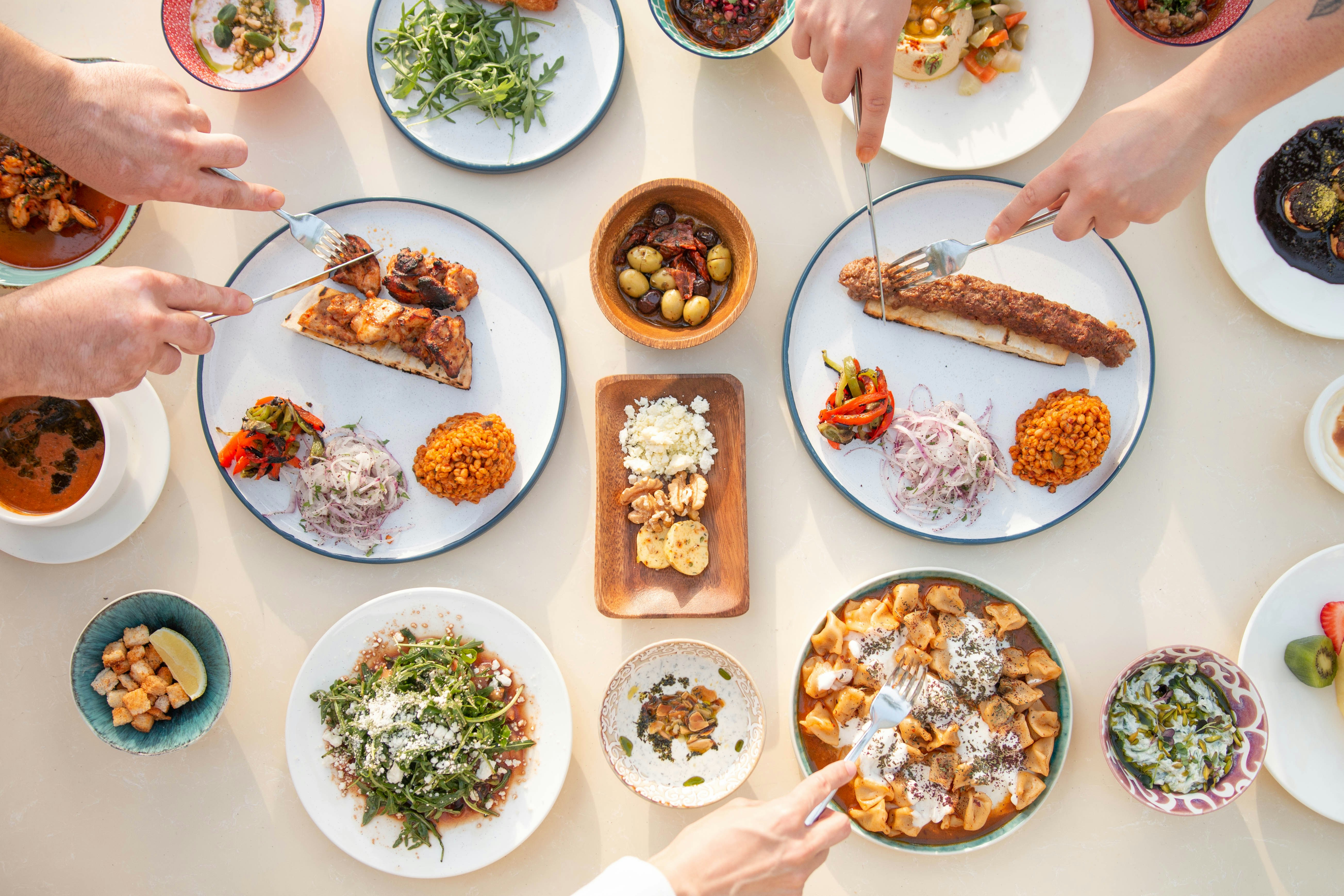
Photo by Ben Koorengevel
In a move that signals a thoughtful, chef-led evolution, SPB Hospitality announces a strategic expansion built around the leadership of Jose Garces and his brands, Amada and Village Whiskey. The press materials frame this as more than a footprint expansion: it is a pivot toward diversifying SPB’s brand family with chef‑driven concepts while preserving a scalable shared-services backbone that keeps operations orderly as the portfolio grows. The choice of Amada and Village Whiskey anchors this shift in craft and hospitality, suggesting that the next phase of SPB’s journey will be measured, intentional, and rooted in the experience of dining that feels balanced and nourishing. The context is strategic, not serendipitous.
Deal mechanics and leadership alignment – The official release notes that SPB CEO Josh Kern described the acquisition as a 'significant milestone' and reaffirmed SPB’s mission to ‘Serve People Better’ through excellence in cuisine and service. The arrangement pairs SPB’s scalable backbone with the culinary leadership of Garces, aiming to preserve each brand’s identity while enabling growth across markets. Industry coverage frames the move within a broader trend: private‑equity backed platforms increasingly pursue chef‑driven concepts through collaboration rather than simple add‑ons. The result is a thoughtful blend of craft and structure, designed to sustain a nourishing dining landscape as experiences scale.
Garces frames the partnership as a chance to innovate and extend the reach of his culinary ideas: “The collaboration will allow us to innovate, grow, and bring these unique dining experiences to even more communities.” This sentiment places craft at the center of SPB’s growth, signaling a deliberate move to blend chef leadership with a scalable platform. The emphasis is not on rapid expansion alone, but on the thoughtful extension of a distinctive dining story into new communities, preserving the care that makes dining feel balanced and nourishing.
Ballard Brands co-owners echoed optimism about SPB’s alignment with their growth priorities and the strength of the Garces brands, framing the transaction as more than a purchase and more as a shared pathway to scale. Industry observers describe this as a deliberate shift toward collaborative brand-building, where chef leadership informs development decisions and SPB’s structure supports durable, experiential growth. The tone across leadership is one of continuity and care—the hallmarks of a plan designed to nourish communities without sacrificing the character that makes each brand distinctive.