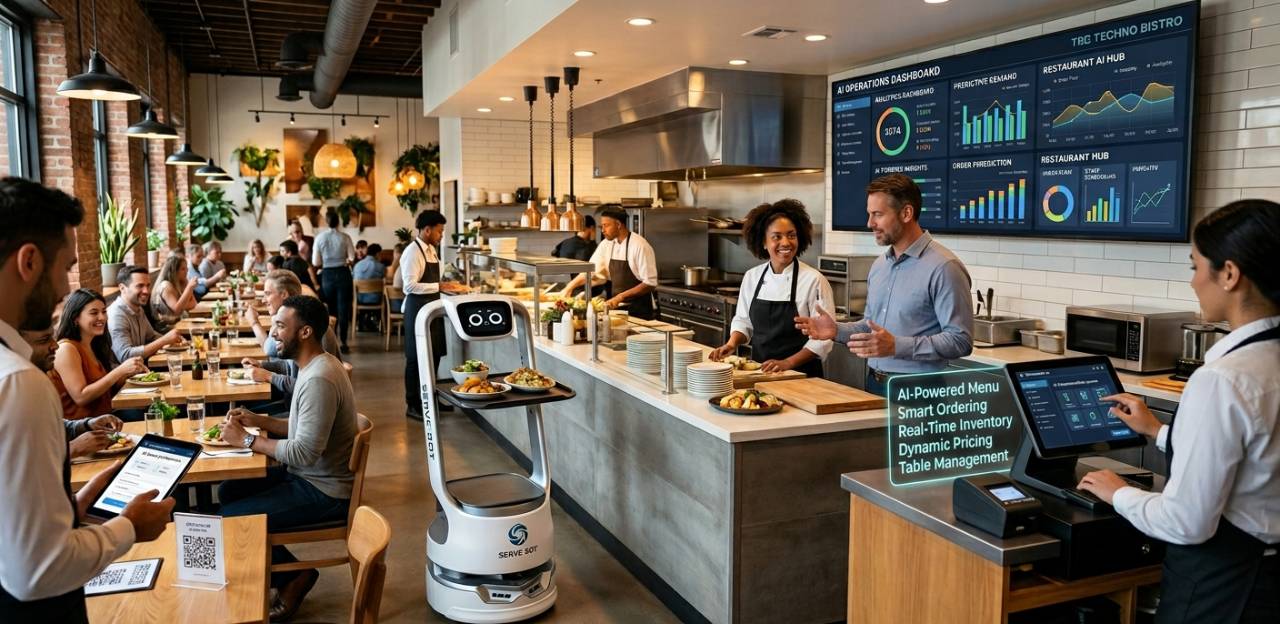
AI Playbook for Restaurant Owners
This AI playbook covers restaurant tools for voice ordering, staffing, compliance, menu pricing, inventory, marketing, ChatGPT prompts, and SEO.
tech
May 15, 2026
This AI playbook covers restaurant tools for voice ordering, staffing, compliance, menu pricing, inventory, marketing, ChatGPT prompts, and SEO.
May 15, 2026
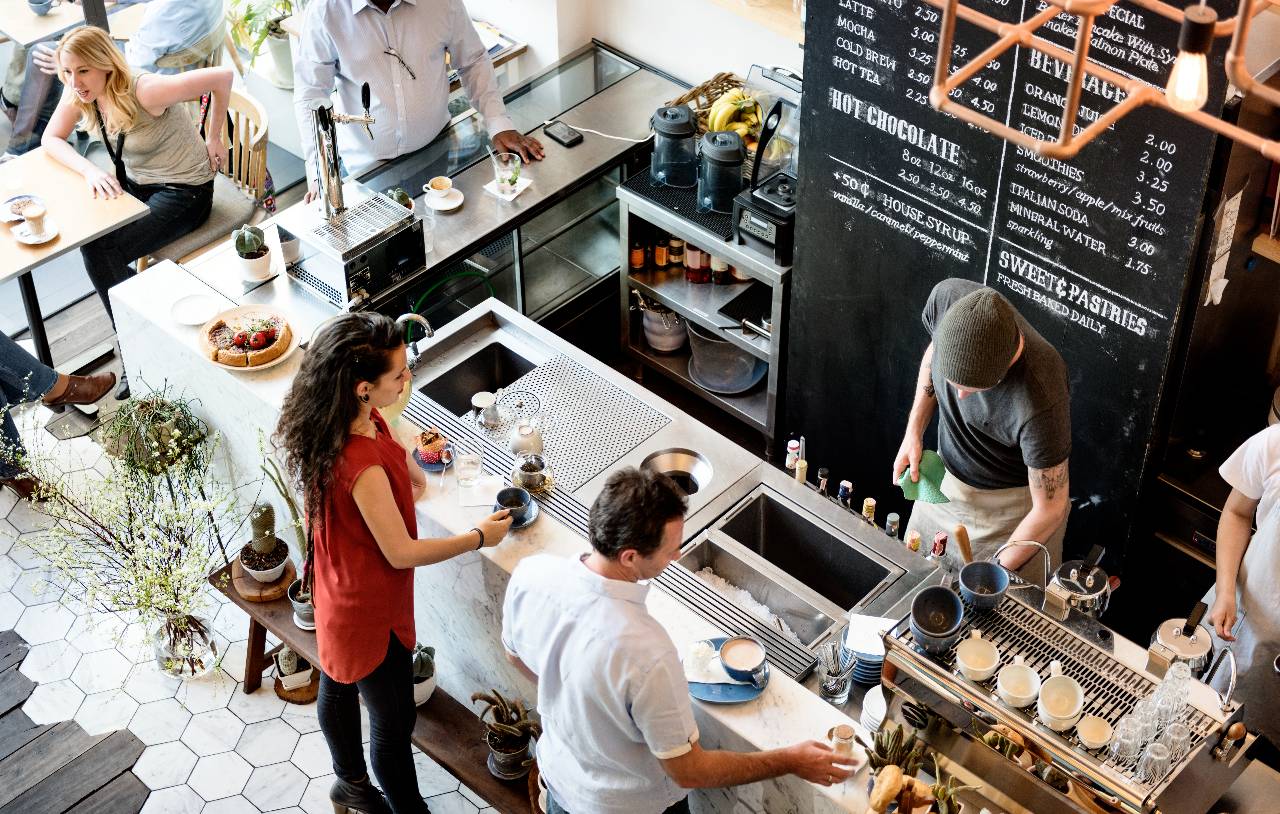
Opening a coffee shop in 2026 requires careful cost planning across rent, equipment, labor, technology, menu strategy, marketing, and sustainability.
May 15, 2026

Hardee’s giant Boddie-Noell inks 31-unit Scooter’s Coffee deal for NC and VA, leveraging drive-thru growth and local roots with rollout over 12–18 months.
May 15, 2026
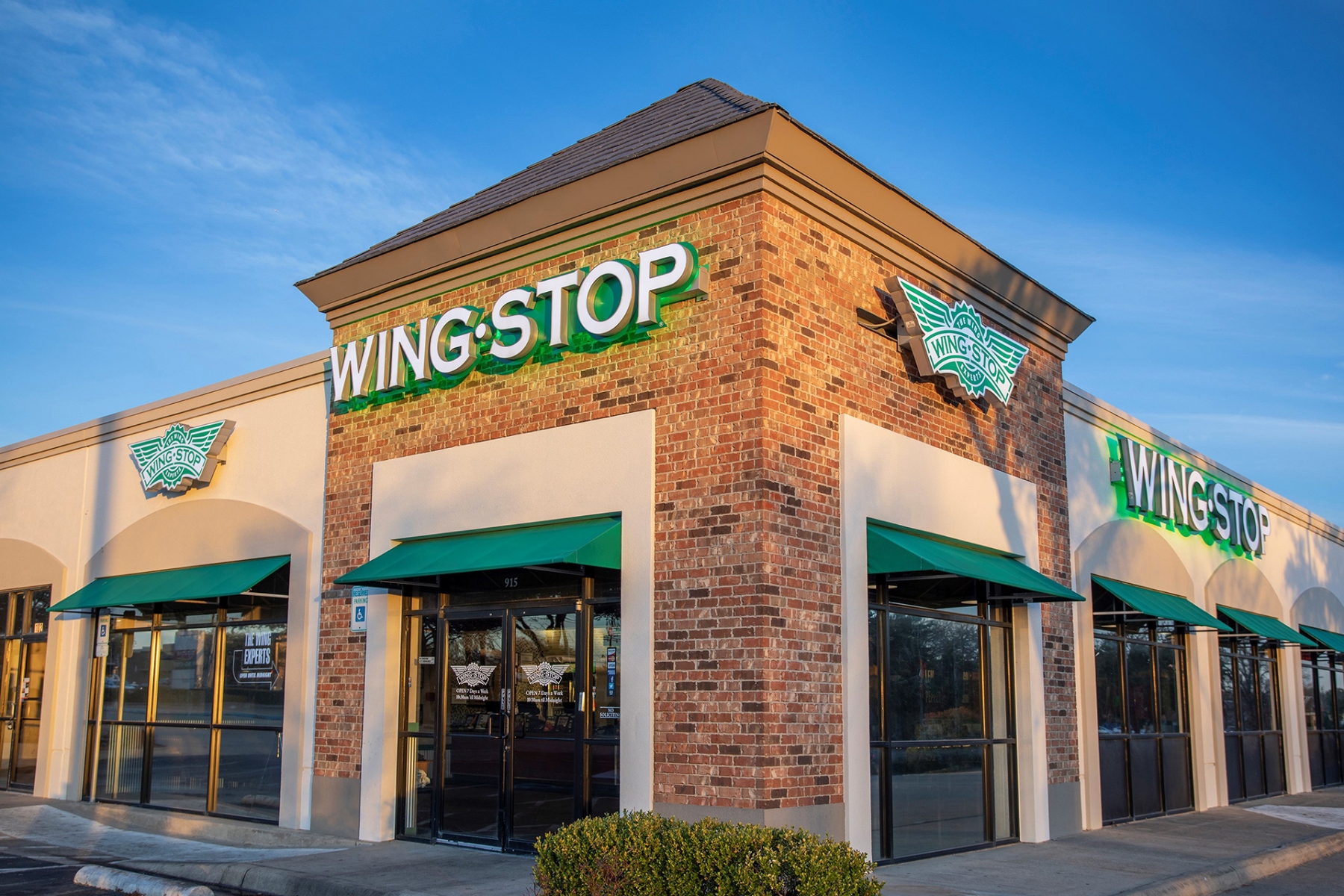
Wingstop turns match weeks into a multi-sensory festival, aligning bold pop-ups with World Cup energy to build brand affinity and measurable momentum.
May 15, 2026

Learn how to develop a memorable restaurant brand identity that stands out in a crowded market, attracts loyal customers, and drives repeat business with actionable strategies and affordable tools.
May 15, 2026
The parent company behind Dunkin', Buffalo Wild Wings, and Arby's has filed for an IPO a move that could reshape how Wall Street views the restaurant sector.
May 15, 2026
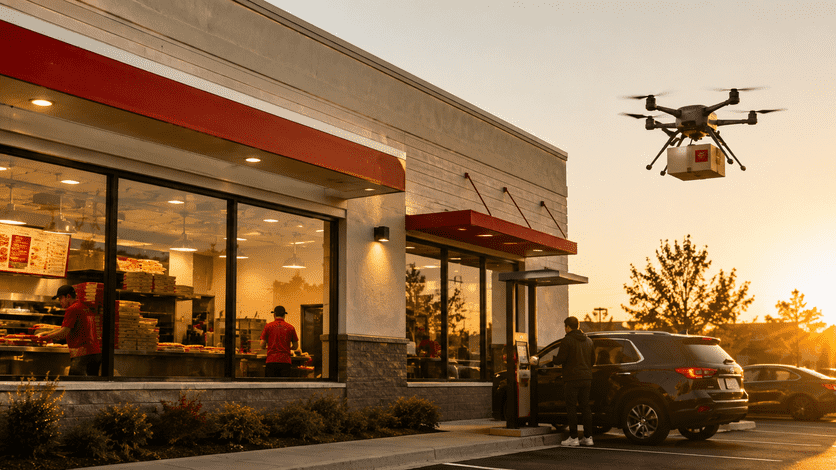
Papa Johns has teamed up with Alphabet's Wing for drone delivery of its new sandwich lineup in parts of Charlotte marking the first partnership of its kind between Wing and a national QSR brand.
May 15, 2026
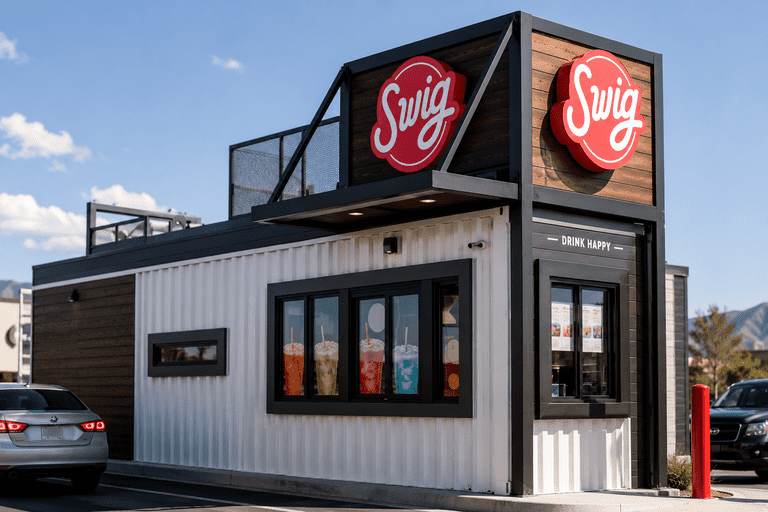
Dirty soda chain Swig is expanding into Colorado through a 10-unit franchise deal, riding a consumer beverage trend that's catching the attention of major QSR players nationwide.
May 15, 2026

A warm, expert-led look at McDonald’s Q1 results, menu makeover, and the refranchise question shaping its growth.
May 14, 2026

A reflective look at Habit Ranch, its immersive desert activation, and what it signals for brand loyalty and mindful, experiential dining.
May 14, 2026

Unlock Exclusive Access To Webinars, Events, And The Latest News For Free!
A close look at how tracking attire stabilizes restaurant operations, from ownership to audits and tech-enabled workflows.

Photo by Clay Banks
Uniforms used to be an afterthought. Today they’re a system with reach on the floor and in the back of house. When the process is tight, guests feel it before they order: a staff image that’s crisp, confident, and consistent. This is the backbone of a true operating system: precise calculations by role, routine laundry schedules, and a logged kit for every hire. Chefs in flame‑retardant gear, servers in clean, well‑fitted uniforms, managers who track every kit—these details matter. Seasonal shifts test the provisioning, and a strong plan keeps operations steady. In a climate of turnover, the approach stabilizes the team and preserves brand, and sets up what follows.
Ownership rests with a clearly defined system: one purchaser, a single vendor, and a documented workflow that travels with staff. A kit issued at hire becomes a permanent asset to manage. By anticipating wear and demand, you tailor gear to role rather than size alone. When a worker departs, departure checks trigger returns and payroll handoffs, cutting back on losses and ambiguity. The result is a cohesive brand image, fewer interruptions, and a logistics rhythm that survives peak service and slow seasons alike.
A well-run uniform program isn’t a policy sheet—it’s a living system. You win with discipline: items assigned by role get labeled, color-coded, and optionally barcoded so ownership is obvious. A mandatory return policy tied to departure checks discourages nonreturnables and streamlines payroll handoffs. Whether you’re in a small venue with a simple binder or a large operation with a digital ledger, the principle is the same: ownership accrues to the operation, not the individual. Quarterly audits reconcile on-hand stock with issued logs, exposing gaps and driving corrective action. It’s data-driven, not guesswork, and it pays off in time saved and cost control.
Size and layout matter. Small venues can get away with a straightforward checkout list; high‑volume shops benefit from asset‑tracking apps that provide real-time visibility and easier reorders. The transition is gradual: start with a basic binder, map every garment to a role, then layer in digital tools as turnover grows. The payoff is tangible—fewer losses, fewer mismatches, and cleaner payroll handoffs—without turning the process into a burden for staff.