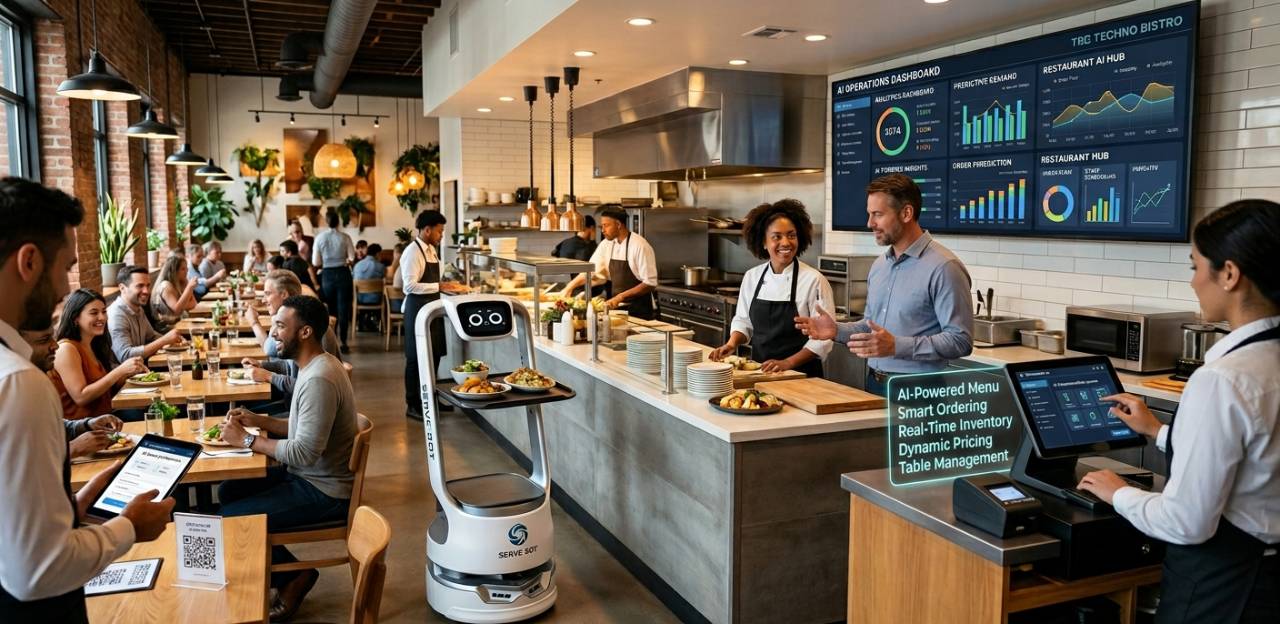
AI Playbook for Restaurant Owners
This AI playbook covers restaurant tools for voice ordering, staffing, compliance, menu pricing, inventory, marketing, ChatGPT prompts, and SEO.
tech
May 15, 2026
This AI playbook covers restaurant tools for voice ordering, staffing, compliance, menu pricing, inventory, marketing, ChatGPT prompts, and SEO.
May 15, 2026
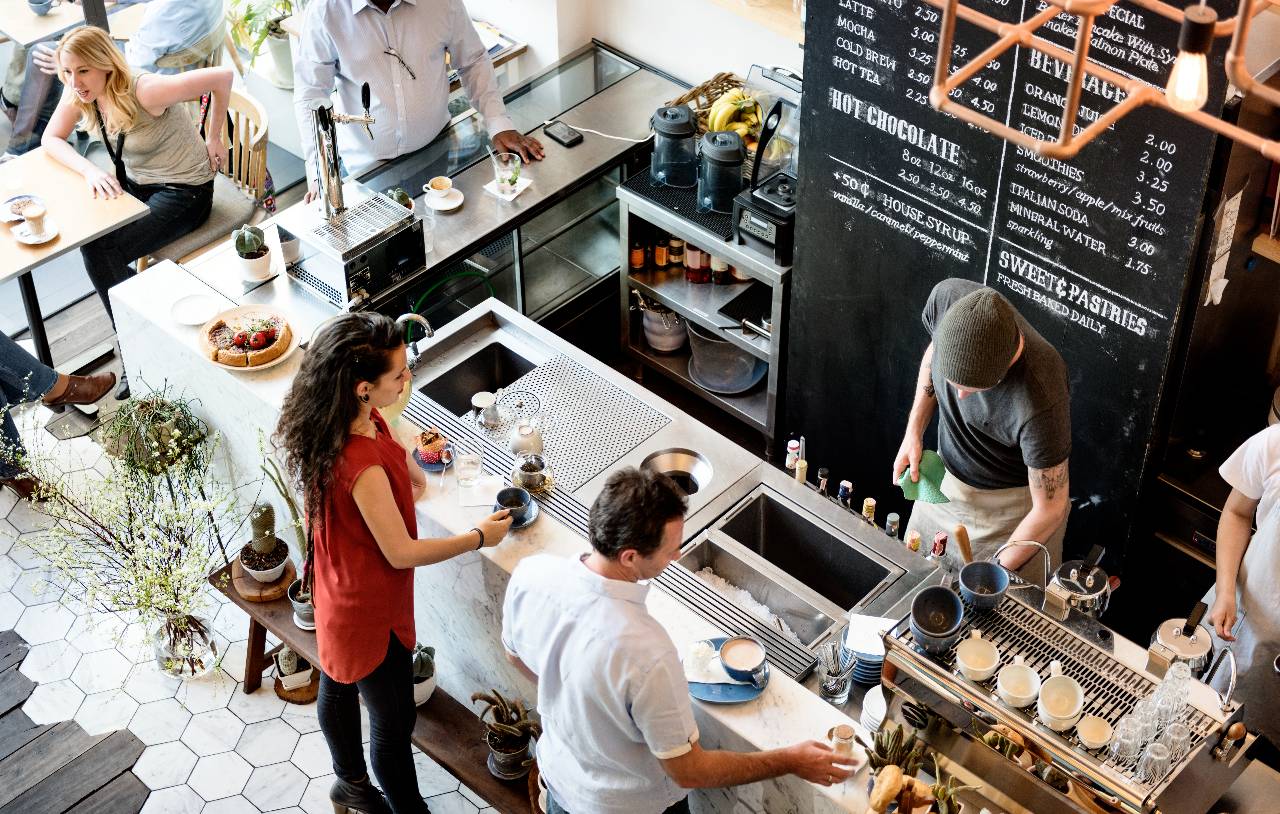
Opening a coffee shop in 2026 requires careful cost planning across rent, equipment, labor, technology, menu strategy, marketing, and sustainability.
May 15, 2026
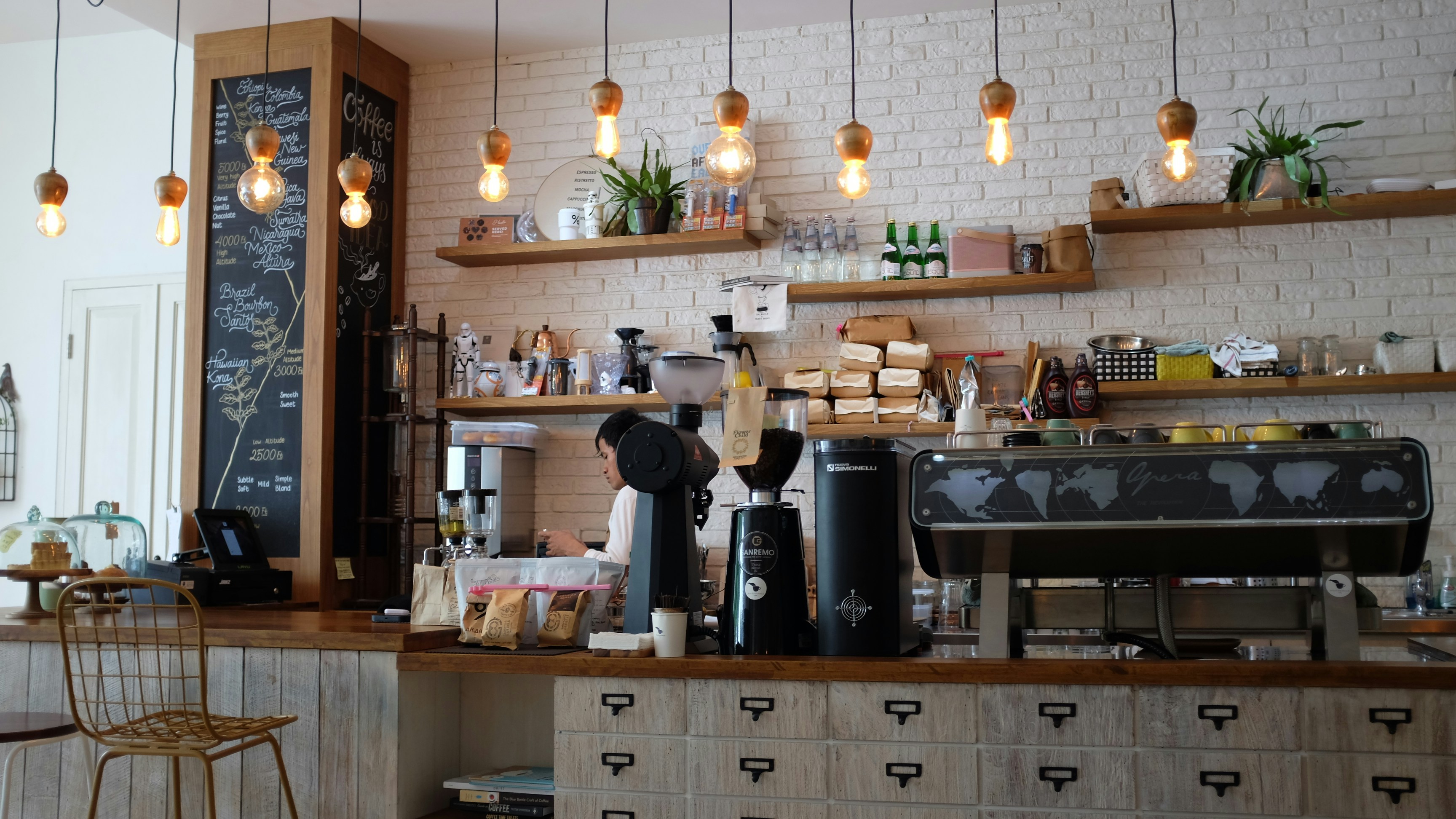
Hardee’s giant Boddie-Noell inks 31-unit Scooter’s Coffee deal for NC and VA, leveraging drive-thru growth and local roots with rollout over 12–18 months.
May 15, 2026
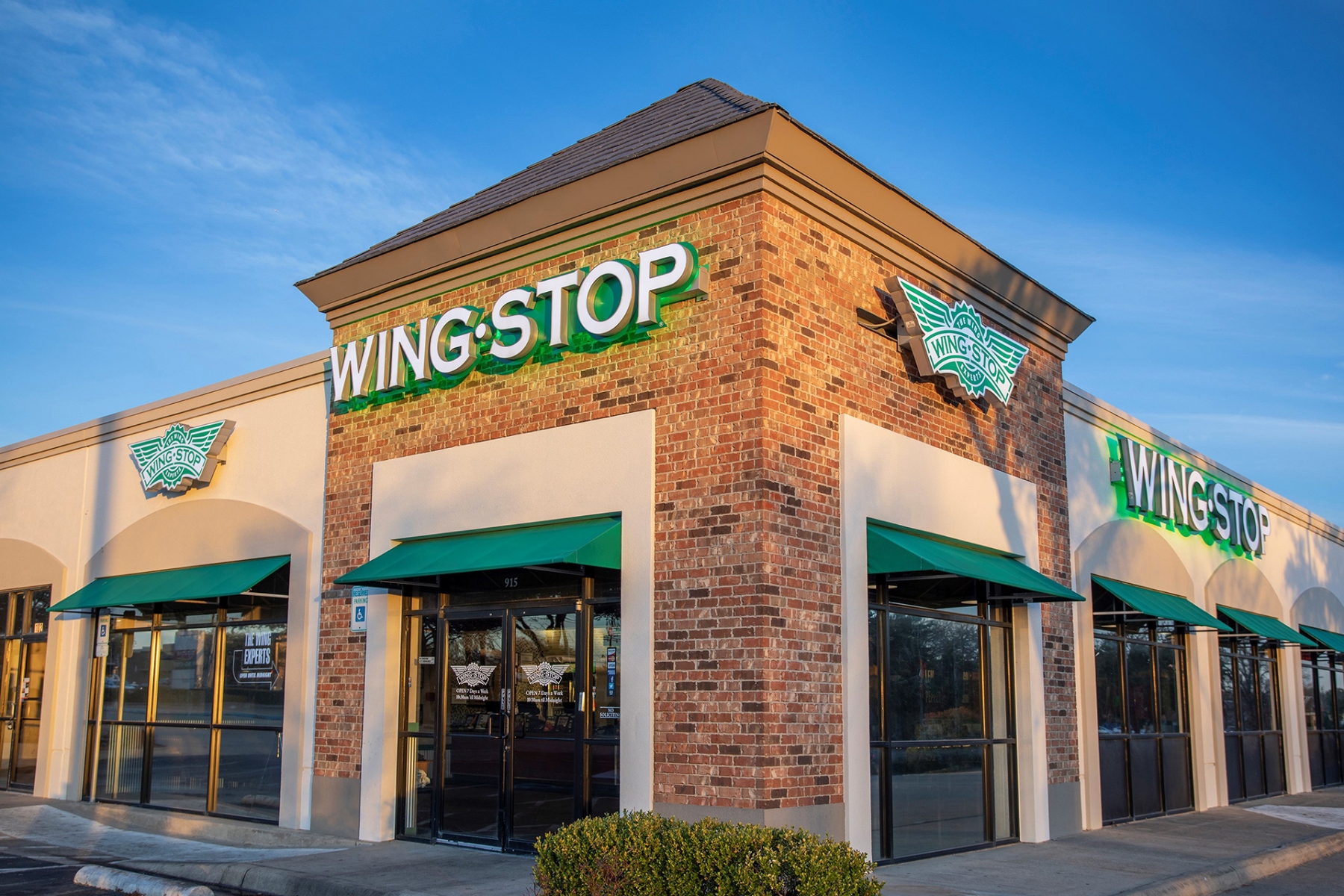
Wingstop turns match weeks into a multi-sensory festival, aligning bold pop-ups with World Cup energy to build brand affinity and measurable momentum.
May 15, 2026
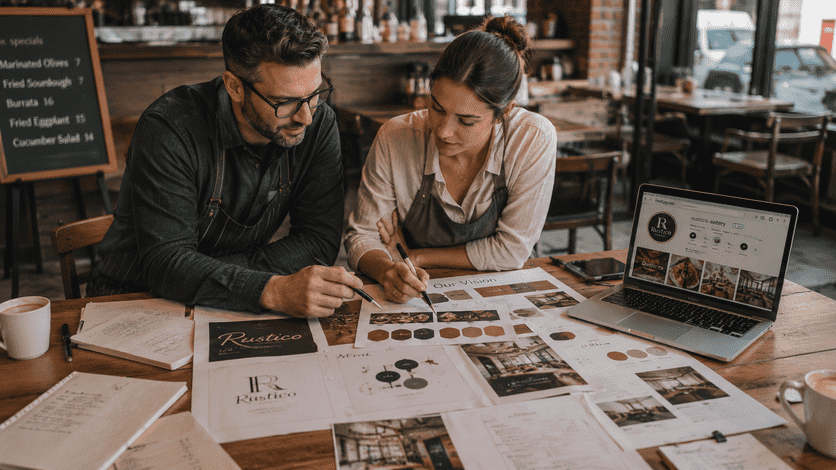
Learn how to develop a memorable restaurant brand identity that stands out in a crowded market, attracts loyal customers, and drives repeat business with actionable strategies and affordable tools.
May 15, 2026
The parent company behind Dunkin', Buffalo Wild Wings, and Arby's has filed for an IPO a move that could reshape how Wall Street views the restaurant sector.
May 15, 2026
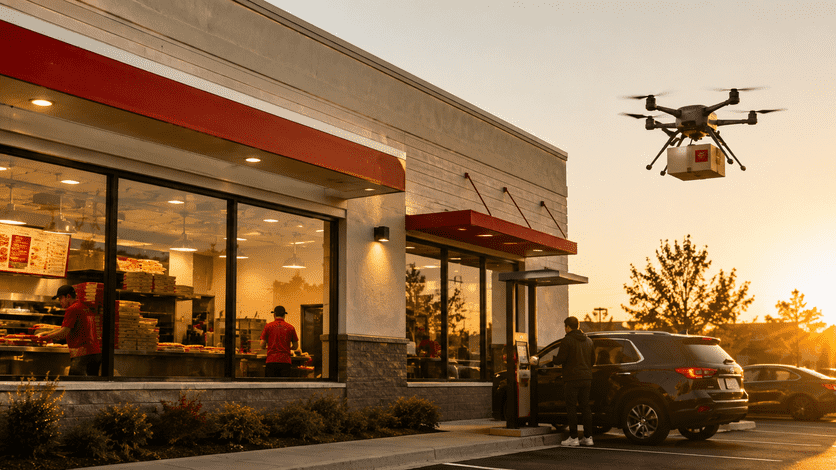
Papa Johns has teamed up with Alphabet's Wing for drone delivery of its new sandwich lineup in parts of Charlotte marking the first partnership of its kind between Wing and a national QSR brand.
May 15, 2026
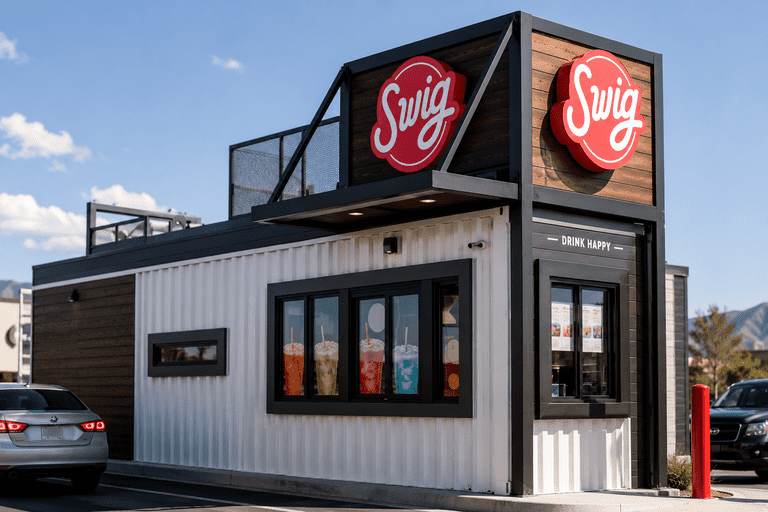
Dirty soda chain Swig is expanding into Colorado through a 10-unit franchise deal, riding a consumer beverage trend that's catching the attention of major QSR players nationwide.
May 15, 2026
A warm, expert-led look at McDonald’s Q1 results, menu makeover, and the refranchise question shaping its growth.
May 14, 2026
A reflective look at Habit Ranch, its immersive desert activation, and what it signals for brand loyalty and mindful, experiential dining.
May 14, 2026

Unlock Exclusive Access To Webinars, Events, And The Latest News For Free!
Sizzler refreshes burgers and interiors to reconnect with value-minded diners and modern expectations.
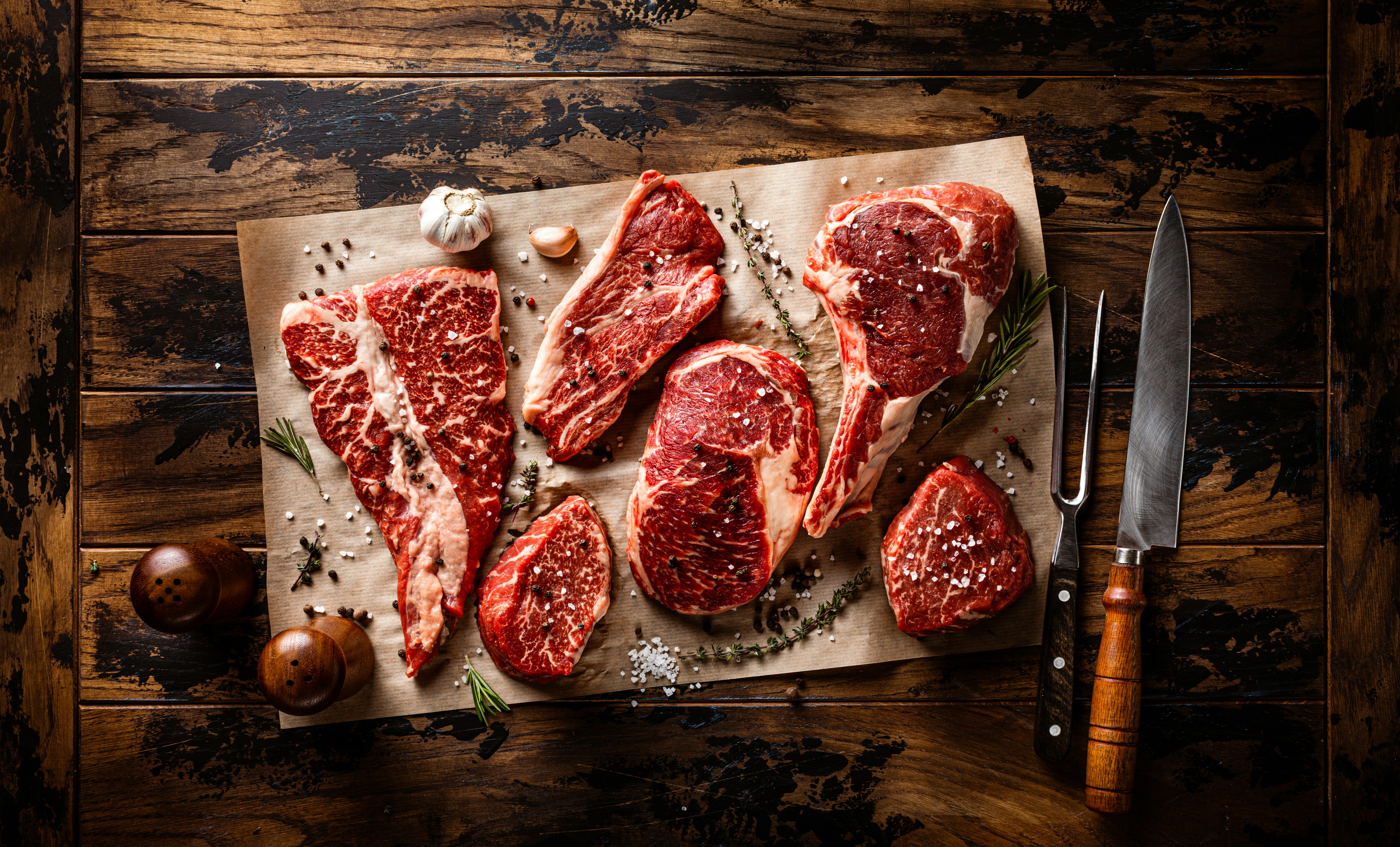
Photo by Sergey Kotenev
From the outset, Sizzler presents a deliberate balance: it leans into its legacy as an affordable steakhouse while inviting a more contemporary, value-driven dining experience. The revival centers on a refreshed burger program that pairs familiar comfort with a touch of indulgence, signaling a thoughtful reintroduction to a brand that wants to feel both welcoming and relevant. The new menu opens with two signature burgers—Prime Rib Burger and Crispy Bacon Burger—each built on a third-pound chuck/ribeye patty and plated to feel substantial. This is not a cosmetic tweak but a careful redefine of what Sizzler offers today.
This burger duo sits on a cheese-toast brioche bun, comes with french fries and pickles, and invites customization with a simple, value-forward option: adding a second patty for $4.99 to amplify heft and shareability. The pair is framed not as rarefied chef specials but as approachable upgrades that keep value at the center while signaling a more premium kitchen mindset. The menu language is clear and inviting, reflecting an ambition to make a familiar dining moment feel thoughtfully elevated without sacrificing accessibility.
To steer this revival, leadership frames the refresh as a disciplined reintroduction of core offerings rather than a reshuffle of marketing. Robert Clark, Sizzler USA’s chief growth officer, notes that the brand is updating long-standing menu staples to align with a more contemporary dining experience while preserving the approachable, value-oriented ethos that fans remember. The message mirrors a wider intent: honor the past while inviting new guests to discover a more confident Sizzler. This careful calibration signals a brand that wants to grow by tuning in to evolving expectations rather than abandoning its roots.
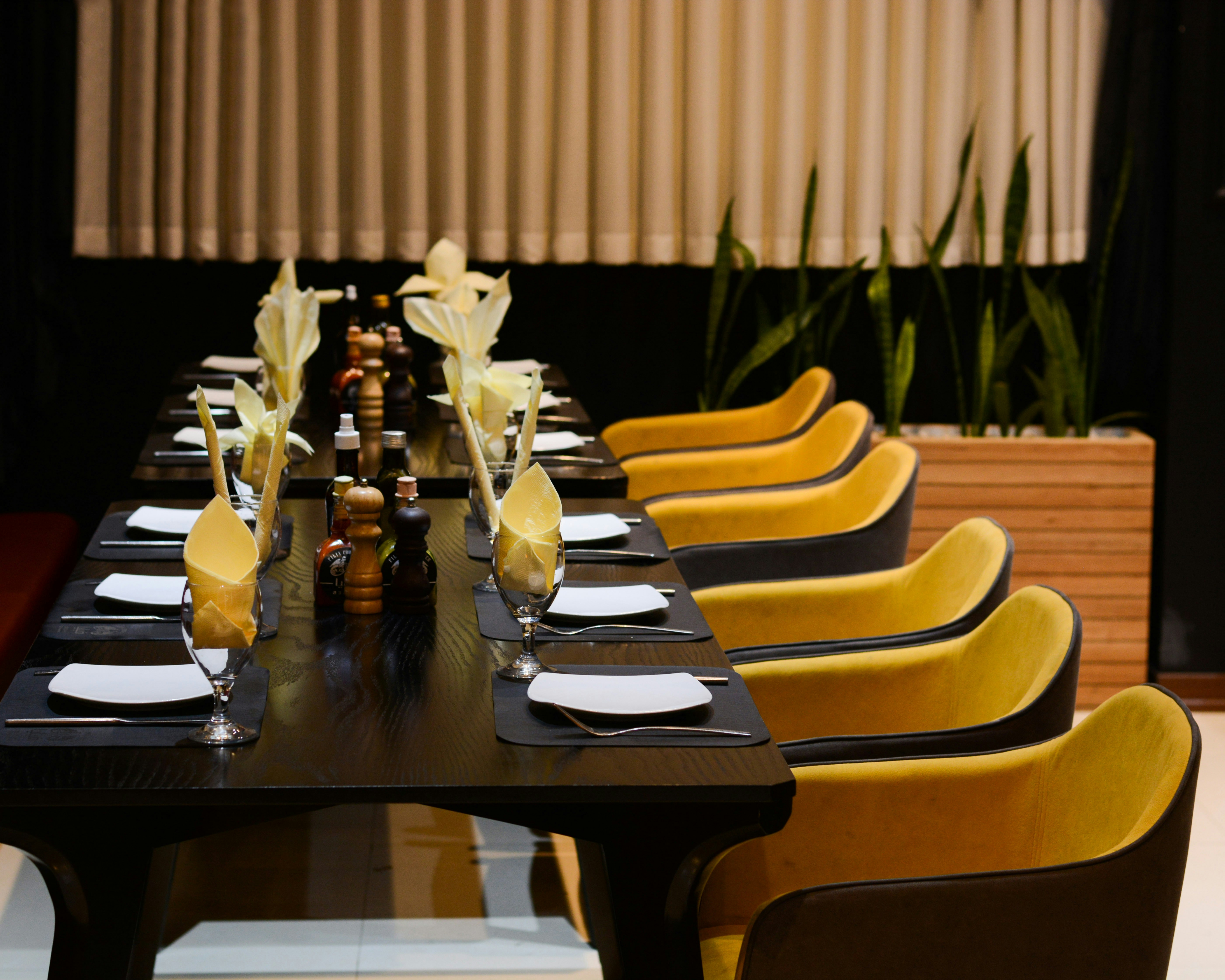
Equally telling is the physical transformation underway. A broader interior refresh pairs refined finishes and new flooring with expanded wood accents, a welcoming fireplace, and digital menu boards replacing older formats. The dining room shifts toward larger booths to accommodate bigger parties or slower-paced meals, creating a more relaxed rhythm for families and groups. Alongside these improvements, the arithmetic of the menu—salad bar, beverage bar, wings, and a richer dessert array—reframes Sizzler as a complete, contemporary meal destination rather than a quick-stop option.
At its core, the refresh fuses culinary ambition with environmental sensibility. The burger program centers on higher-profile patty options and indulgent toppings, signaling a move toward bolder flavor while keeping prices accessible. The interior improvements are not only aesthetic; they are designed to improve customer flow and comfort, guiding diners from salad to dessert with ease. The salad bar remains a focal point yet now anchors a broader beverage, wings, and dessert proposition, aligning with Sizzler’s aim to offer a more complete, contemporary meal experience in a single visit.
These changes reflect a careful balance: nostalgia tempered by modern expectations, a theme echoed in industry coverage of the refresh cycle. By weaving together stronger flavor options with a more inviting dining environment, Sizzler positions itself as both familiar and forward-looking — a nuance critical to sustaining loyalty while welcoming new customers who expect warmth, efficiency, and thoughtful design.
Sizzler’s revival sits within a broad wave of legacy casual-dining brands pursuing menu reinvention and experiential upgrades. The trend includes Denny’s, Red Robin, IHOP, Applebee’s, Perkins, and Maggiano’s publicly pursuing strategies to boost guest traffic and average spend. Across the sector, restaurants are expanding burger menus, elevating presentation, and investing in redesigned interiors that blend warmth with technology, including digital menus.
Gaps, Uncertainties
Sizzler’s dual strategy—updating the Prime Rib Burger and Crispy Bacon Burger while reimagining the dining environment—signals a serious revival plan rather than a cosmetic facelift. By tying these new menu items to a broader dessert and beverage proposition and an updated interior, the brand aims to redefine value, freshness, and experience for a recovering casual-dining audience. If these moves translate into durable improvements in guest appeal and unit economics, Sizzler could reclaim momentum and offer a blueprint for other legacy brands navigating headwinds.
Ultimately, progress will hinge on how well the dining room cadence supports slower meals and social dining, coupled with a dessert-and-beverage program that encourages lingering without sacrificing efficiency. If guests respond to the renewed flavor profile and the refreshed environment with consistency across markets, Sizzler could renew momentum while setting a thoughtful example for other legacy brands facing similar headwinds.