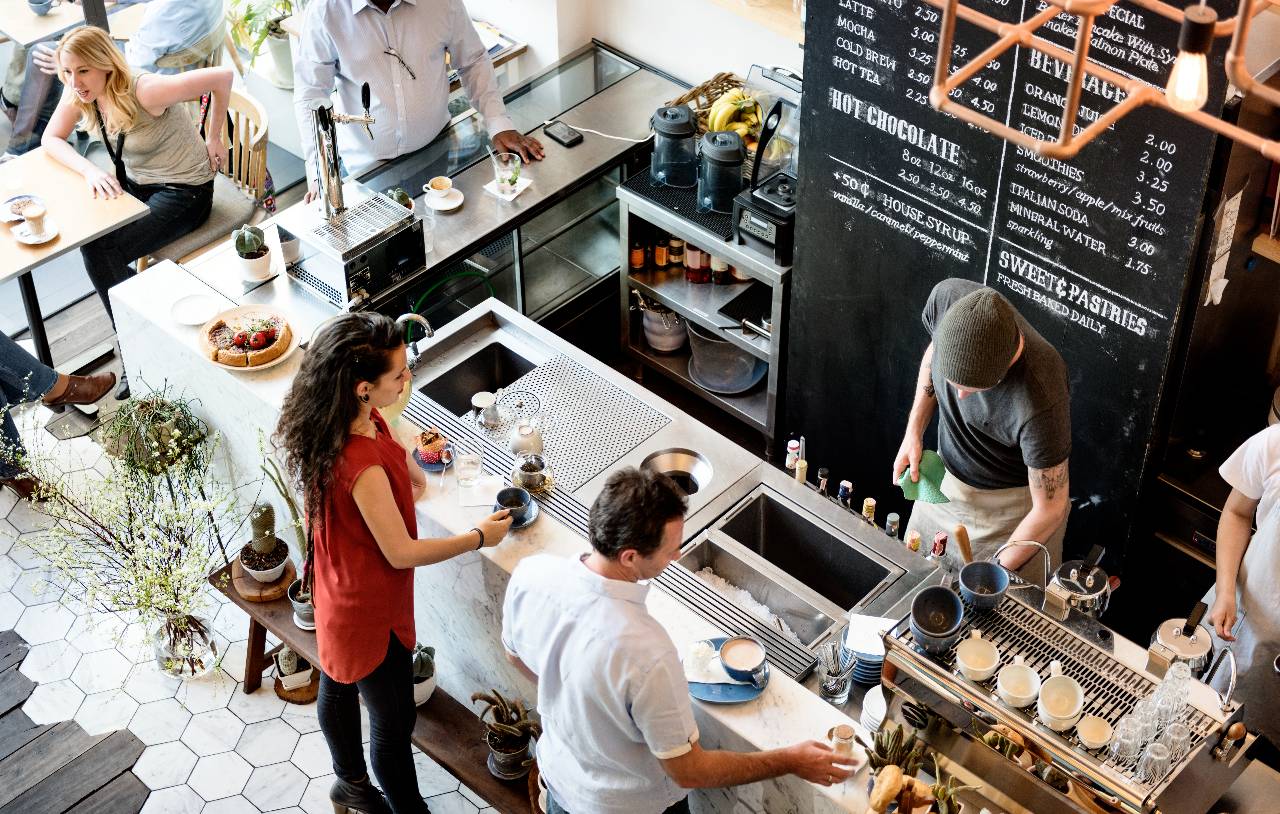
How Much Does It Cost to Open a Coffee Shop in 2026?
Opening a coffee shop in 2026 requires careful cost planning across rent, equipment, labor, technology, menu strategy, marketing, and sustainability.
operations
May 15, 2026
Opening a coffee shop in 2026 requires careful cost planning across rent, equipment, labor, technology, menu strategy, marketing, and sustainability.
May 15, 2026
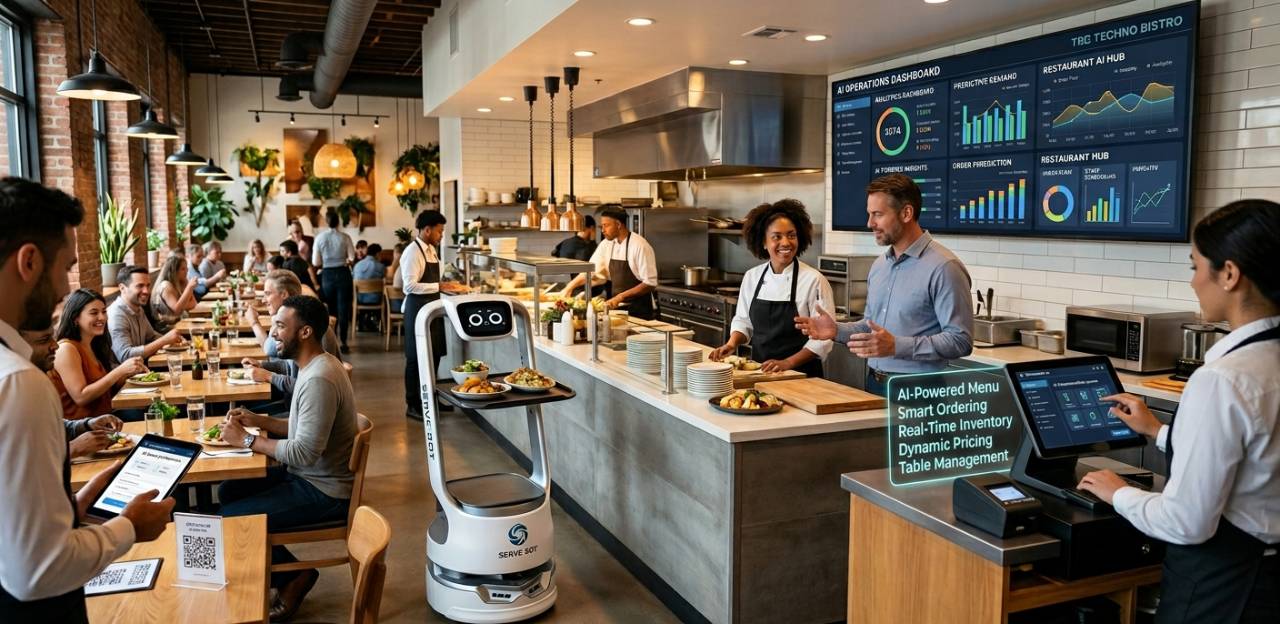
This AI playbook covers restaurant tools for voice ordering, staffing, compliance, menu pricing, inventory, marketing, ChatGPT prompts, and SEO.
May 15, 2026
Hardee’s giant Boddie-Noell inks 31-unit Scooter’s Coffee deal for NC and VA, leveraging drive-thru growth and local roots with rollout over 12–18 months.
May 15, 2026
Wingstop turns match weeks into a multi-sensory festival, aligning bold pop-ups with World Cup energy to build brand affinity and measurable momentum.
May 15, 2026
The parent company behind Dunkin', Buffalo Wild Wings, and Arby's has filed for an IPO a move that could reshape how Wall Street views the restaurant sector.
May 15, 2026
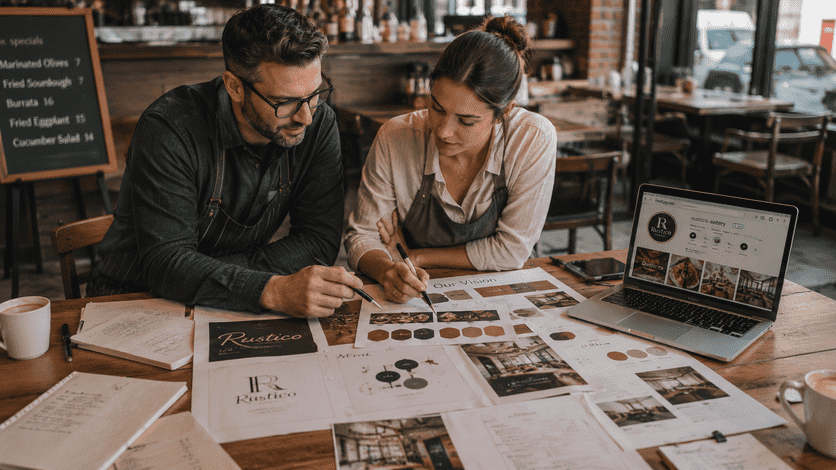
Learn how to develop a memorable restaurant brand identity that stands out in a crowded market, attracts loyal customers, and drives repeat business with actionable strategies and affordable tools.
May 15, 2026
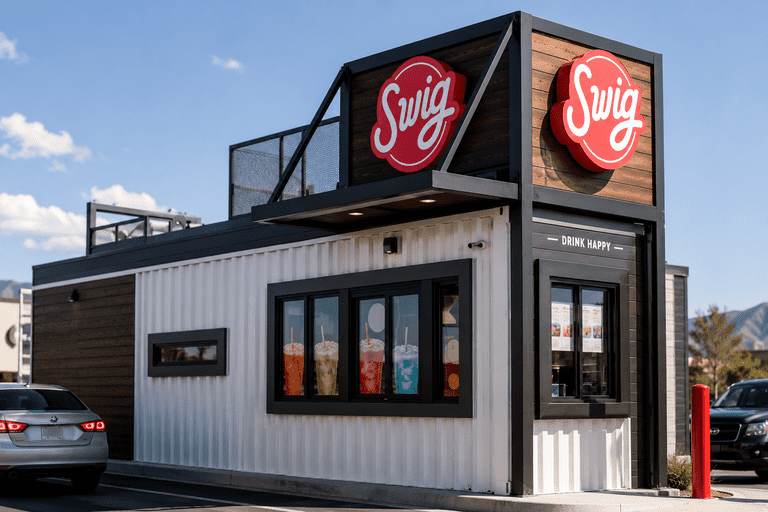
Dirty soda chain Swig is expanding into Colorado through a 10-unit franchise deal, riding a consumer beverage trend that's catching the attention of major QSR players nationwide.
May 15, 2026
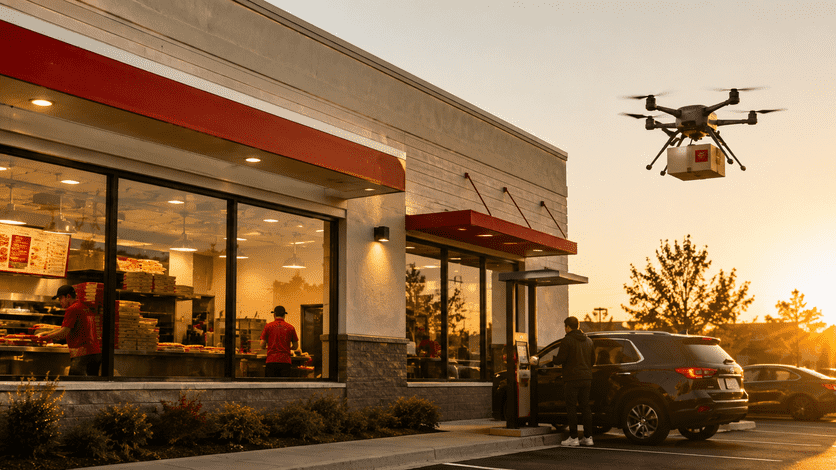
Papa Johns has teamed up with Alphabet's Wing for drone delivery of its new sandwich lineup in parts of Charlotte marking the first partnership of its kind between Wing and a national QSR brand.
May 15, 2026
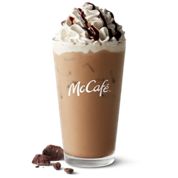
A warm, expert-led look at McDonald’s Q1 results, menu makeover, and the refranchise question shaping its growth.
May 14, 2026
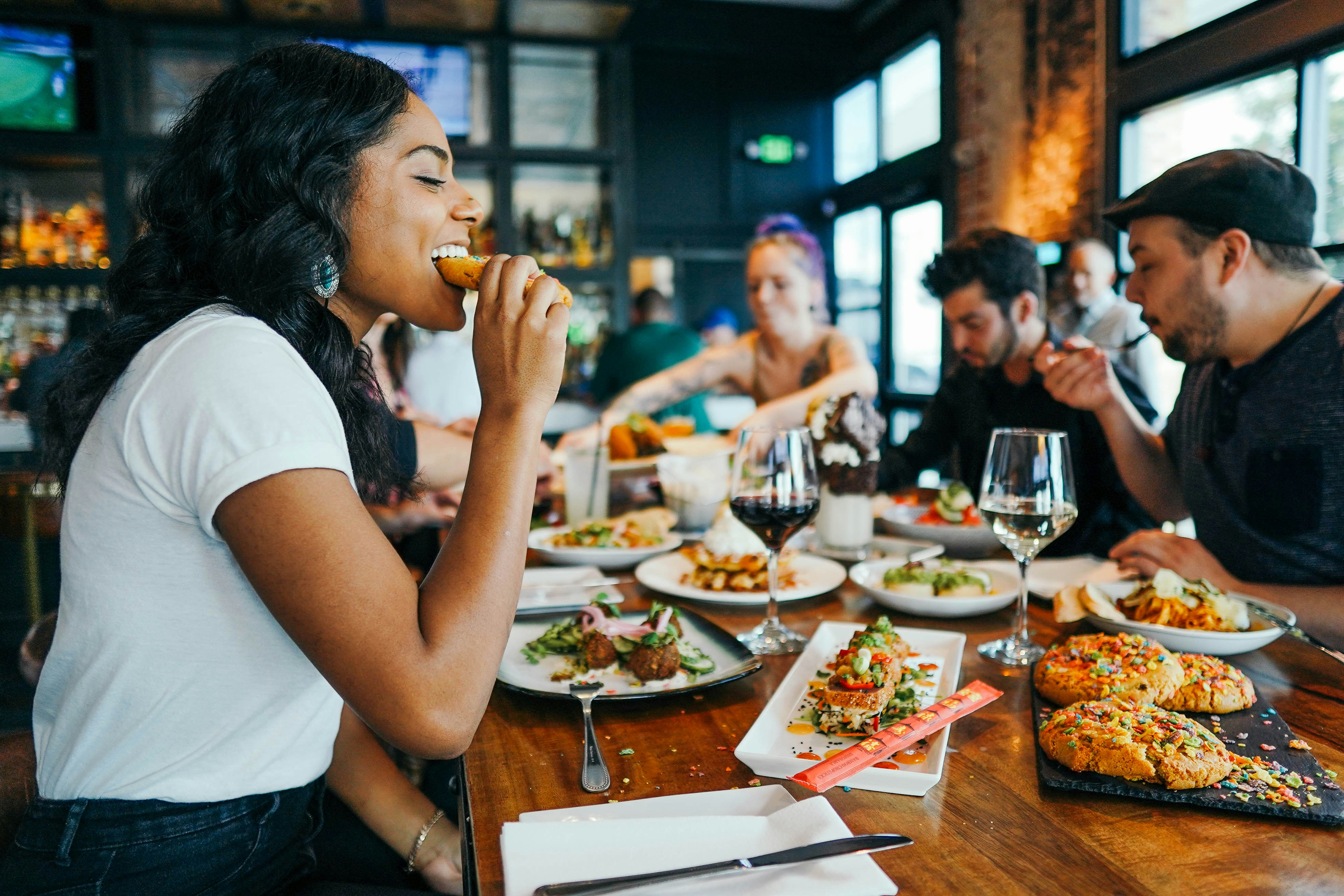
A reflective look at Habit Ranch, its immersive desert activation, and what it signals for brand loyalty and mindful, experiential dining.
May 14, 2026

Unlock Exclusive Access To Webinars, Events, And The Latest News For Free!
Starbucks deploys the Siren Craft System to shorten waits and boost craft, redefining the guest journey across stores.
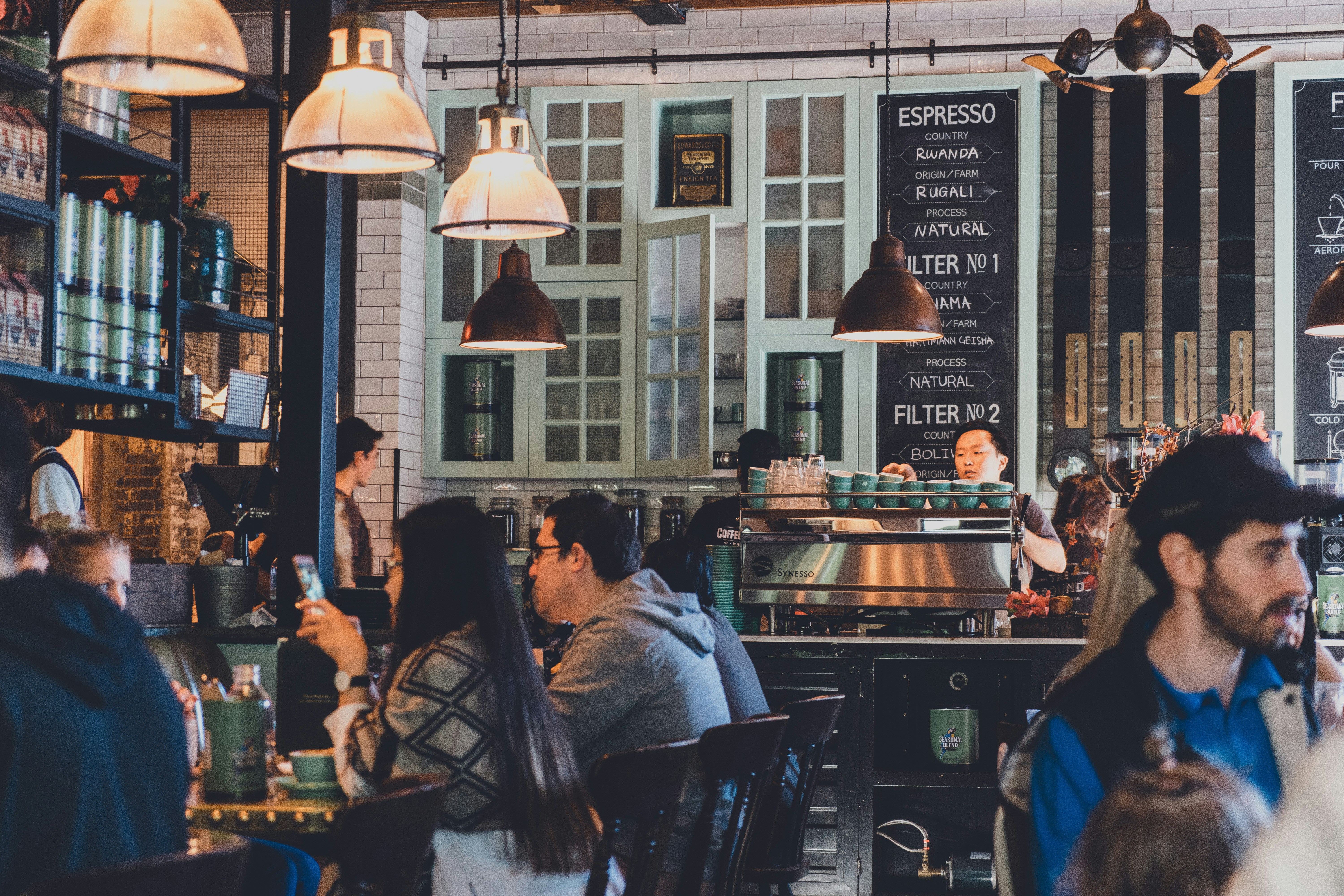
Photo by Rod Long
Starbucks is pursuing a tech‑driven turnaround designed to win back customers after a period of attrition blamed on slow mobile ordering and variability in store performance. The centerpiece is the Siren Craft System, a partner‑driven evolution of in‑store operations that aims to shorten wait times while preserving the theater of crafting a beverage. As of the end of May 2024, 1,160 U.S. stores were already live with Siren Craft, and the rollout was on track to scale nationwide in the U.S. and in Canada by the end of July. The result is a more balanced, nourishing experience that respects both guests and the partners who bring the drinks to life.
What makes this update special isn’t just speed. It is a thoughtful alignment of routines, digital tools, and specialized roles behind the bar. Peak Play Callers—an updated role designed to provide real‑time support during rushes—together with revised beverage sequencing, work to anticipate bottlenecks without sacrificing the craft that defines the brand. A refit of the espresso equipment is expected later this quarter to boost throughput by about 15%, while the ambition remains clear: a four‑minute handoff that respects flavor and artistry as much as efficiency.
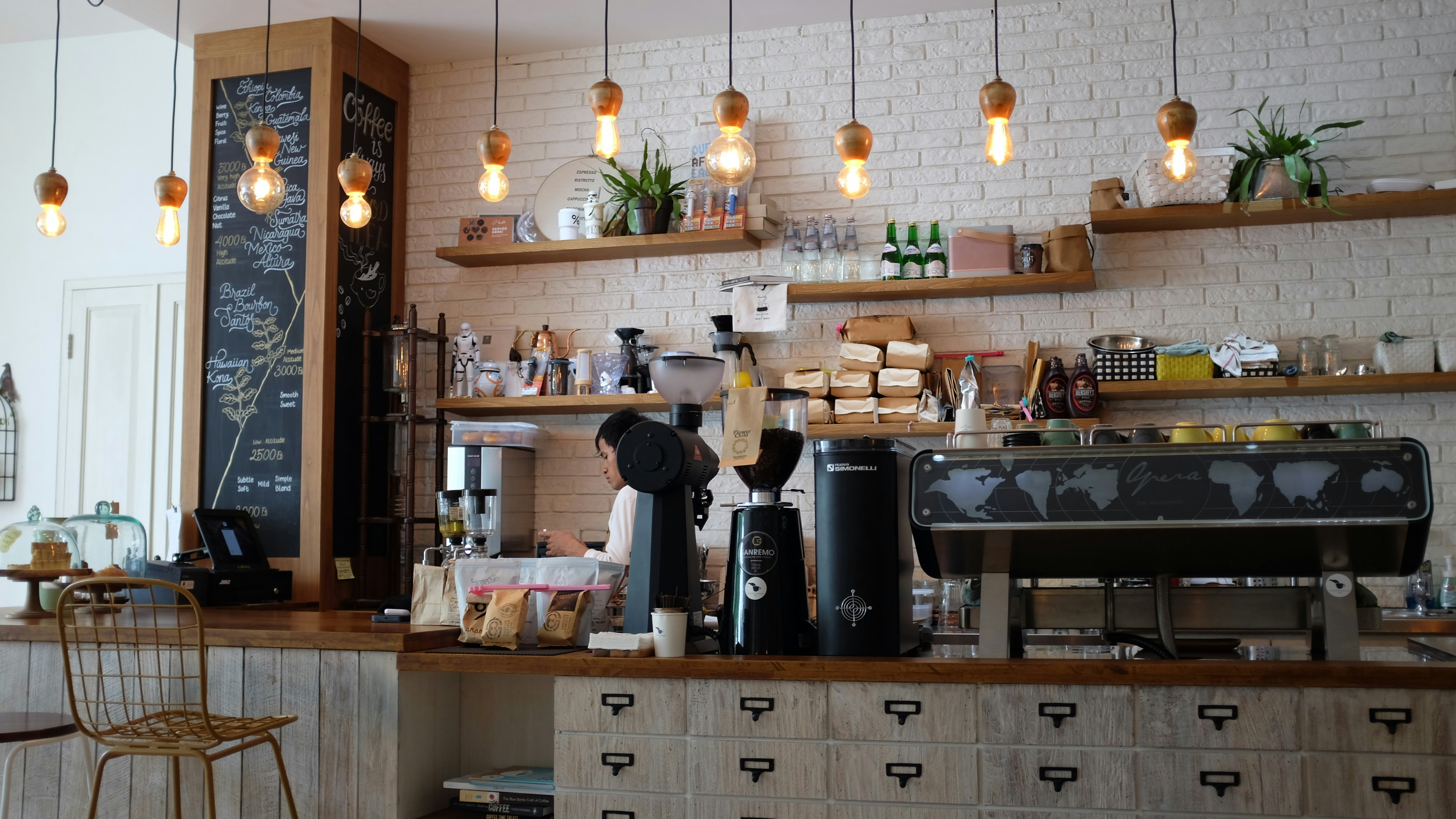
Back to Starbucks signals a deliberate pivot to throughput, hospitality, and brand storytelling. Leaders including CEO Brian Niccol describe the turnaround as a corrective step to restore trust after loyalty erosion tied to service speed and reliability. The Q4 2024 earnings narrative framed the path forward as re‑establishing the store as a community hub while strengthening in‑store operations and mobile execution. Analysts offer cautious optimism, recognizing the challenge of translating digital and store renovations into durable traffic gains, while loyalty economics—particularly the Starbucks Rewards program—remain central to the math.
Rewards as a keystone continue to drive the U.S. revenue mix, even as leadership emphasizes throughput and a consistent guest journey. In investor discussions, the balance between speed, quality, and human craft is highlighted, and the broader goal is to re‑anchor traffic through a reliable, nourishing experience that supports both guests and partners. This is a brand‑level reset that sees loyalty as a long‑term asset rather than a short‑term lever.
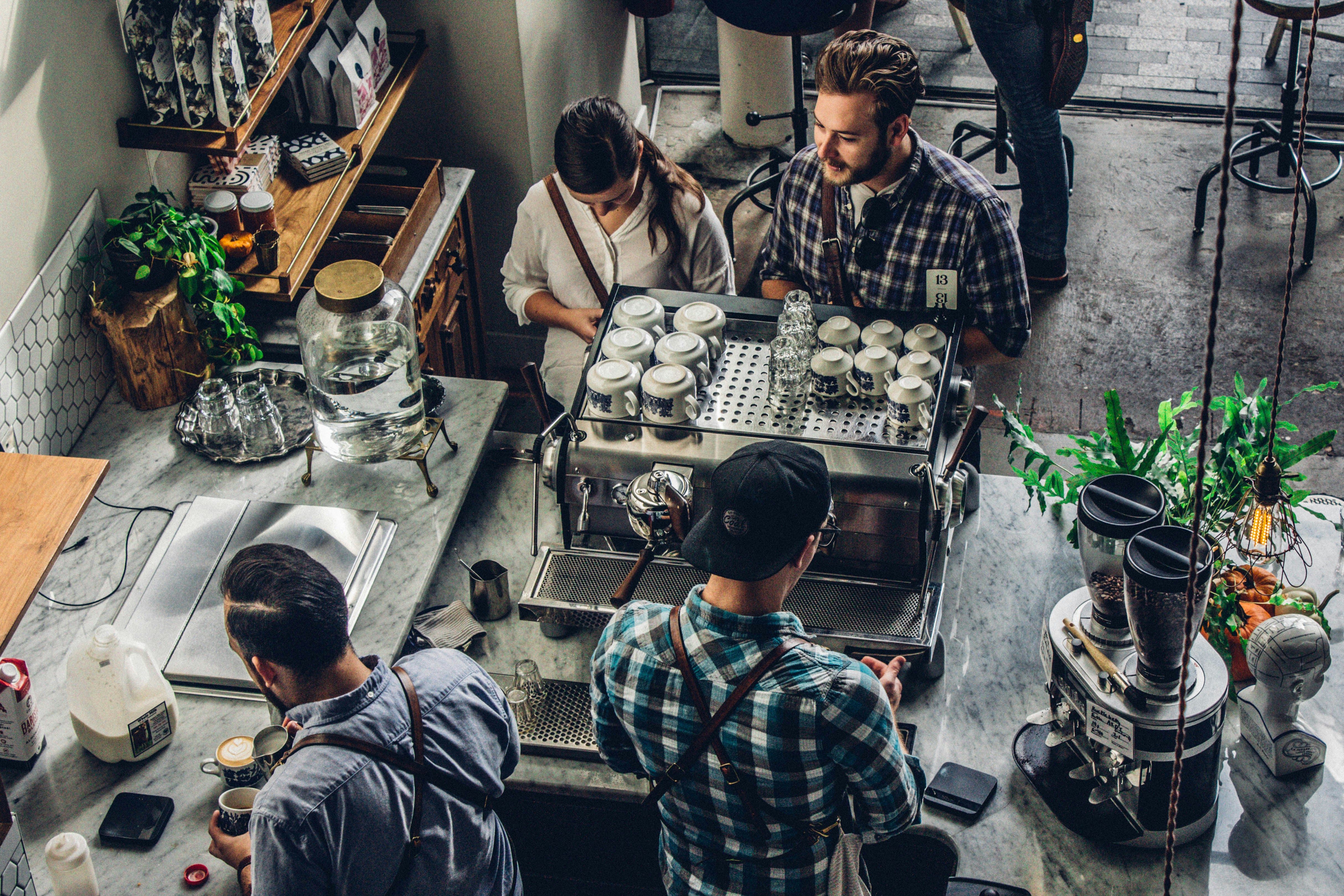
The Siren Craft System sits beside the earlier Siren System upgrades as a companion that shortens wait times while elevating beverage craft. In stores where it has rolled out, partners report faster sequencing and fewer out‑of‑window delays during peak periods. A new Peak Play Caller role provides flexible, real‑time assistance to baristas, using digital tooling to foresee bottlenecks. Beverage sequencing changes—such as adjusting the order of steaming and espresso extraction—are among the practical edits critics say save time without diminishing flavor. The goal is a consistent, four‑minute handoff and a guest‑facing experience that still feels thoughtful.
What this looks like in a busy shop includes a refit of equipment scheduled later this quarter to boost throughput by roughly 15%, and a behind‑the‑bar rhythm that anticipates demand. Stores also gain digital tools to foresee bottlenecks and adjust sequences ahead of time, so the bar stays in its groove without compromising the craft that customers expect. The broader aspiration is a model that can scale while keeping the guest experience warm, human, and efficient.
In pilot stores, leadership frames the upgrade as a path to craft and connection, not just speed. Kionte’ Sheffield, a district manager who oversaw the pilot, described Siren Craft as a solution by partners and for partners, yielding “an ease of operations – we’re more efficient without it feeling difficult.” Sara Trilling, Starbucks’ North America president, frames the shift as a balance of speed, quality, and human craft. In Plano, Texas, partners noted more time for drinks and latte art, while customers sensed prioritization and a sense of theatre as they walked in. The Peak Play Caller is described as a guardian angel that helps teams anticipate rushes before they fully develop.
What this signals for frontline teams is a more cohesive, less reactive work rhythm. The on‑the‑floor impressions align with leadership’s emphasis on elevating the guest journey while weaving efficiency into daily practice. The system’s social arc—partners feeling more in control, customers feeling the craft in motion—points to a sustainable re‑story of the brand at the store level.
From a financial and timing perspective, Starbucks has tied the store and digital improvements to explicit throughput objectives. The Q4 2024 narrative highlights a four-minute handoff and mobile ordering sequenced to avoid overload. The company plans ongoing capital allocation to accelerate Siren equipment and Craft processes to maintain throughput without compromising quality. A broader rollout includes the Clover Vertica brewer in U.S. locations by the end of fiscal year 2025, expanding on‑demand options and consistency. Rewards remains a dominant driver in U.S. revenue, while overall guidance remains suspended to let the turnaround take root.
Industry context suggests a cautious recovery path. Analysts from William Blair and BTIG acknowledge that improvements may unfold more slowly than hoped, even as marketing and mobile ordering support traffic. Competitors pursue varied evolutions—with some leaning on discounts—making the Starbucks turnaround a test of durable loyalty and value, not just promotions. The broader backdrop includes menu simplification and pricing strategies designed to sustain guest value while improving margins.
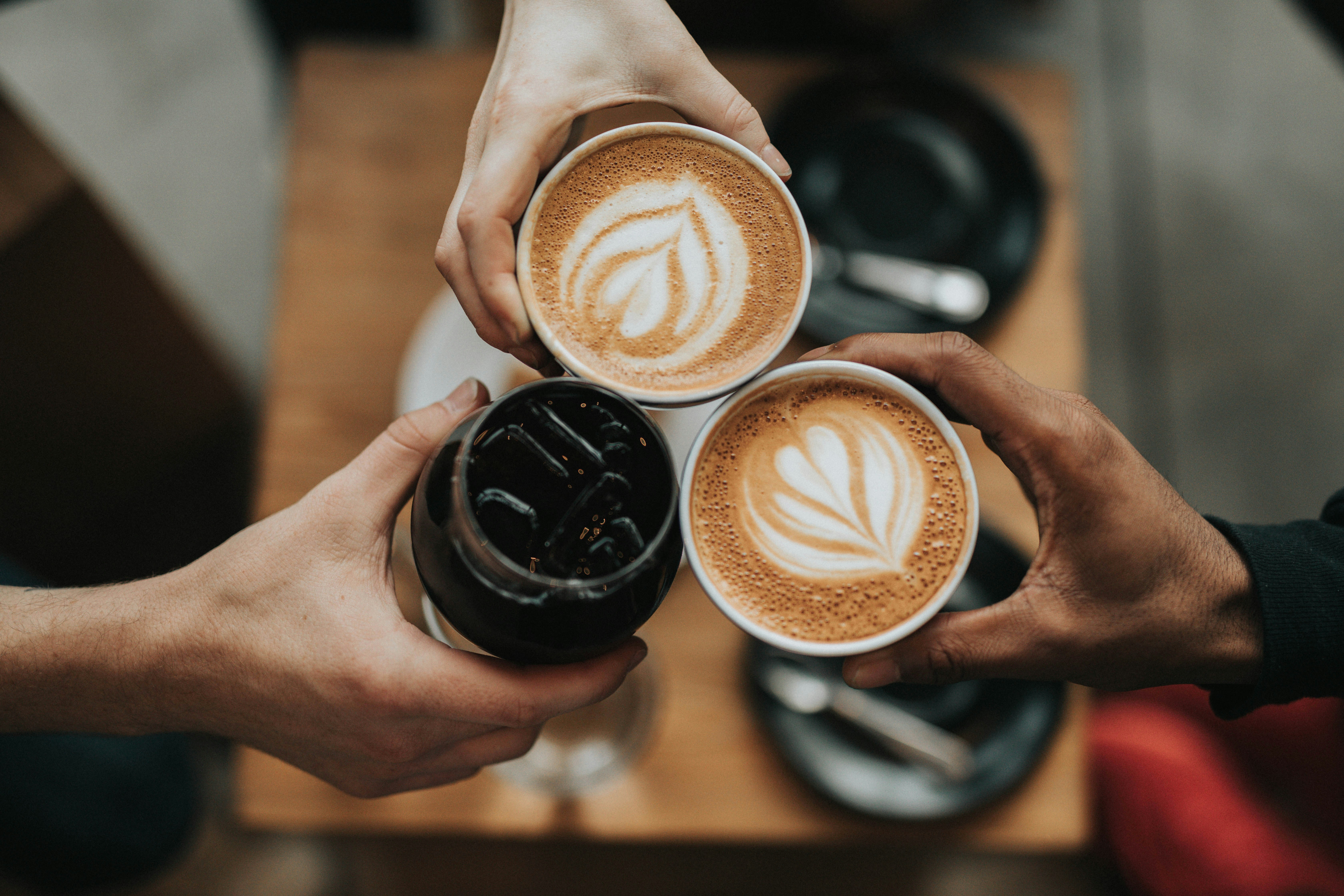
Gaps remain as leadership emphasizes translating store and digital investments into higher transactions and stronger loyalty. The pace of upgrades, including the broad Clover Vertica rollout and further Siren refinements, will be watched closely. In a competitive market where discounts creep in, the test is to keep momentum through digital reach and in‑store reliability. The narrative suggests a balanced future—one where loyalty economics, consistent mobile ordering, and a humane guest experience reinforce each other, not compete.
What to watch next includes faster seasonal cycles, greater reliance on digital engagement, and a clearer proof that the turnaround can sustain momentum beyond early pilots. If the strategy sticks—through staffing discipline, improved sequencing, and reliable mobile ordering—the brand’s promise of a welcoming, speedy coffeehouse may endure as a nourishing standard for mindful dining at scale.