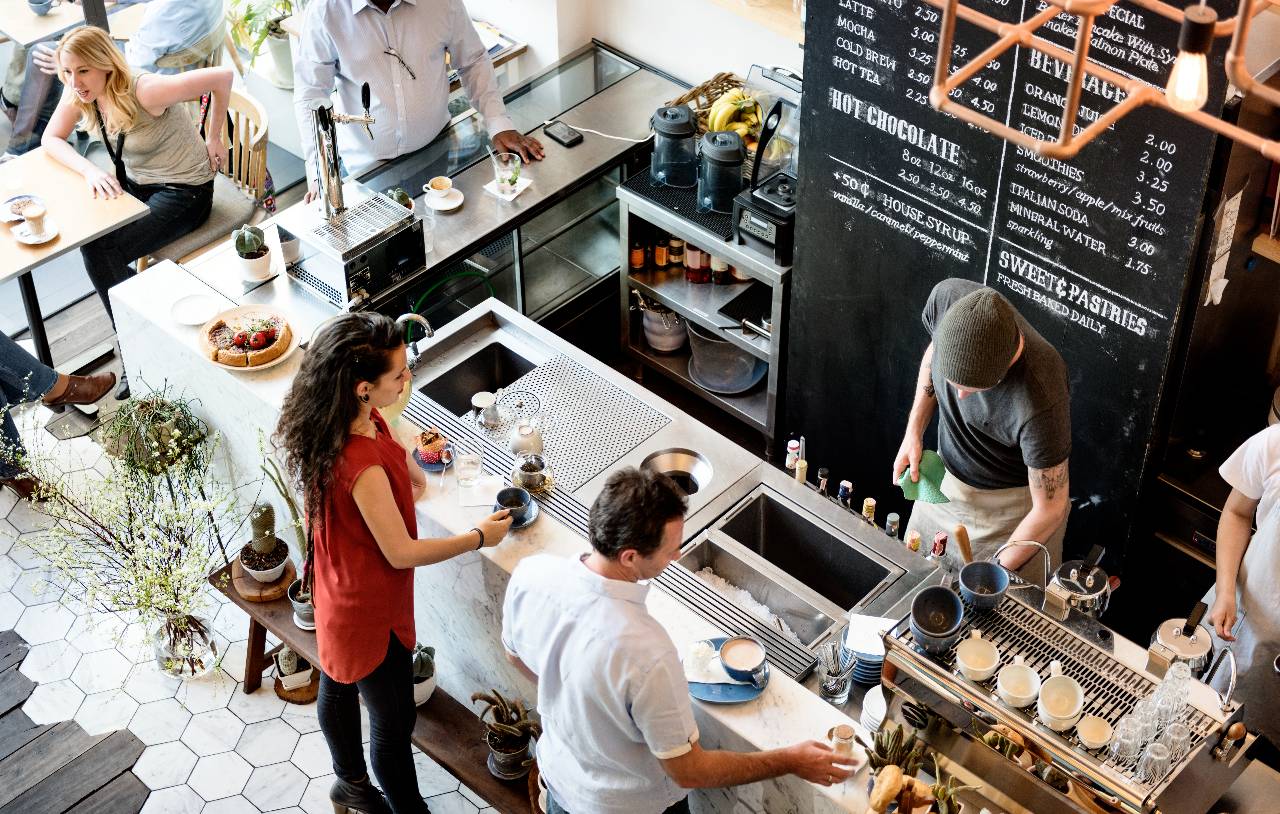
How Much Does It Cost to Open a Coffee Shop in 2026?
Opening a coffee shop in 2026 requires careful cost planning across rent, equipment, labor, technology, menu strategy, marketing, and sustainability.
operations
May 15, 2026
Opening a coffee shop in 2026 requires careful cost planning across rent, equipment, labor, technology, menu strategy, marketing, and sustainability.
May 15, 2026
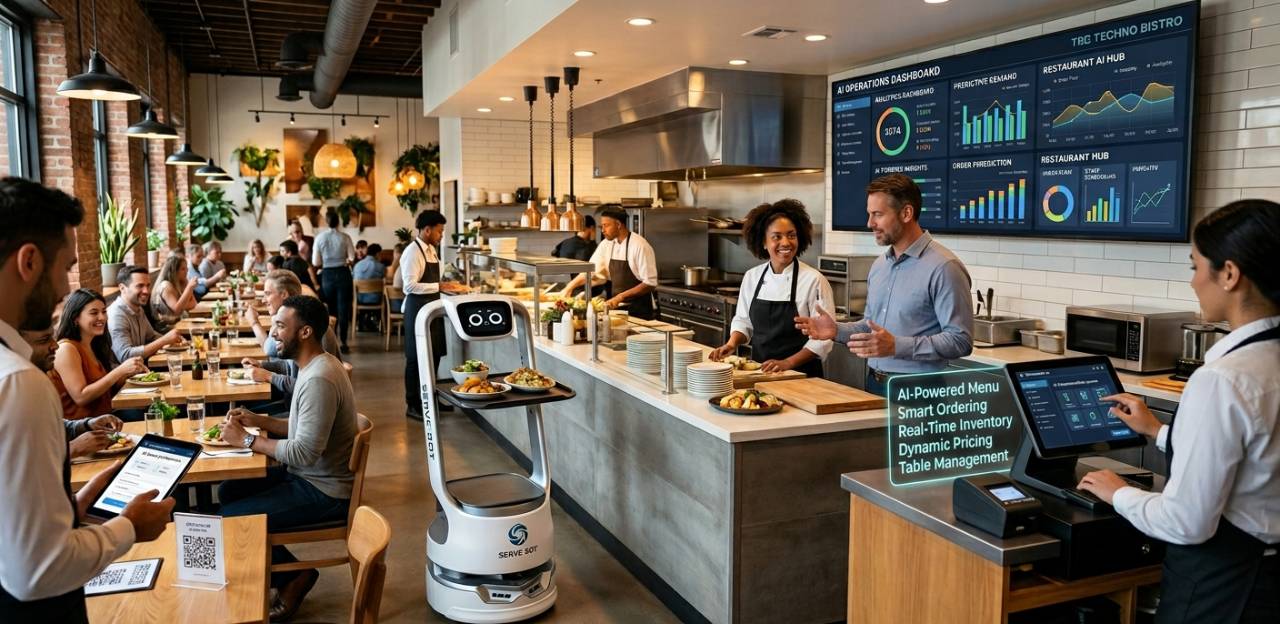
This AI playbook covers restaurant tools for voice ordering, staffing, compliance, menu pricing, inventory, marketing, ChatGPT prompts, and SEO.
May 15, 2026
Hardee’s giant Boddie-Noell inks 31-unit Scooter’s Coffee deal for NC and VA, leveraging drive-thru growth and local roots with rollout over 12–18 months.
May 15, 2026
Wingstop turns match weeks into a multi-sensory festival, aligning bold pop-ups with World Cup energy to build brand affinity and measurable momentum.
May 15, 2026
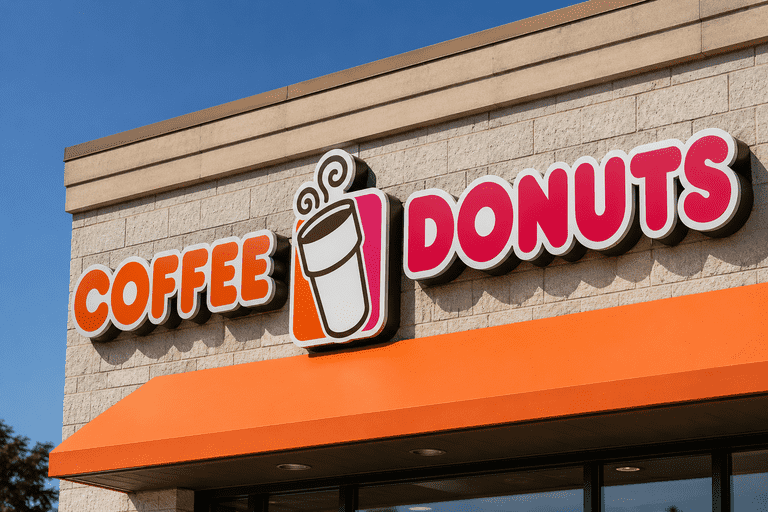
The parent company behind Dunkin', Buffalo Wild Wings, and Arby's has filed for an IPO a move that could reshape how Wall Street views the restaurant sector.
May 15, 2026
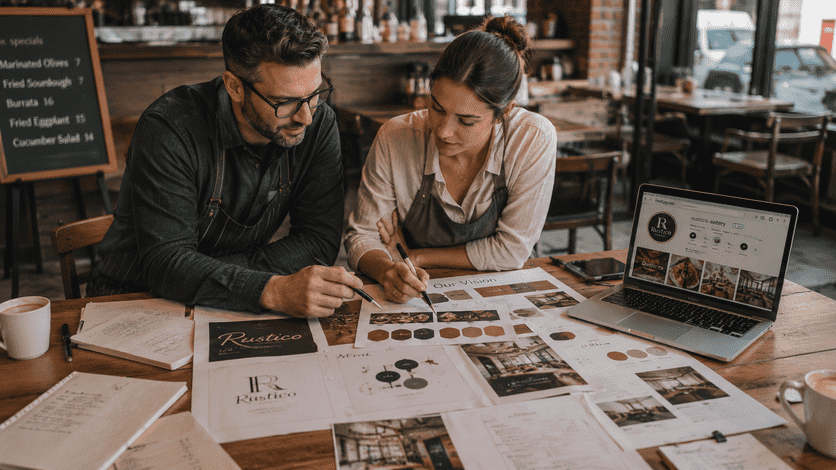
Learn how to develop a memorable restaurant brand identity that stands out in a crowded market, attracts loyal customers, and drives repeat business with actionable strategies and affordable tools.
May 15, 2026
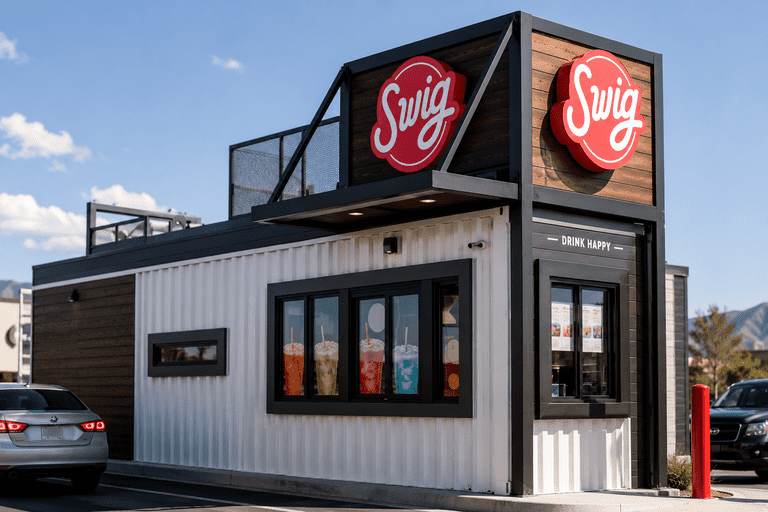
Dirty soda chain Swig is expanding into Colorado through a 10-unit franchise deal, riding a consumer beverage trend that's catching the attention of major QSR players nationwide.
May 15, 2026
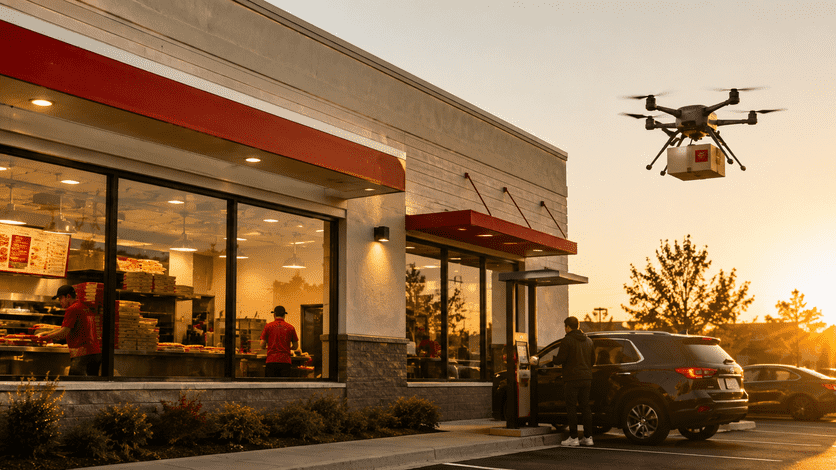
Papa Johns has teamed up with Alphabet's Wing for drone delivery of its new sandwich lineup in parts of Charlotte marking the first partnership of its kind between Wing and a national QSR brand.
May 15, 2026
A warm, expert-led look at McDonald’s Q1 results, menu makeover, and the refranchise question shaping its growth.
May 14, 2026
A reflective look at Habit Ranch, its immersive desert activation, and what it signals for brand loyalty and mindful, experiential dining.
May 14, 2026

Unlock Exclusive Access To Webinars, Events, And The Latest News For Free!
Shake Shack refines growth around speed, expanding drive-thru formats and streamlined kitchens to reach 1,500 stores.
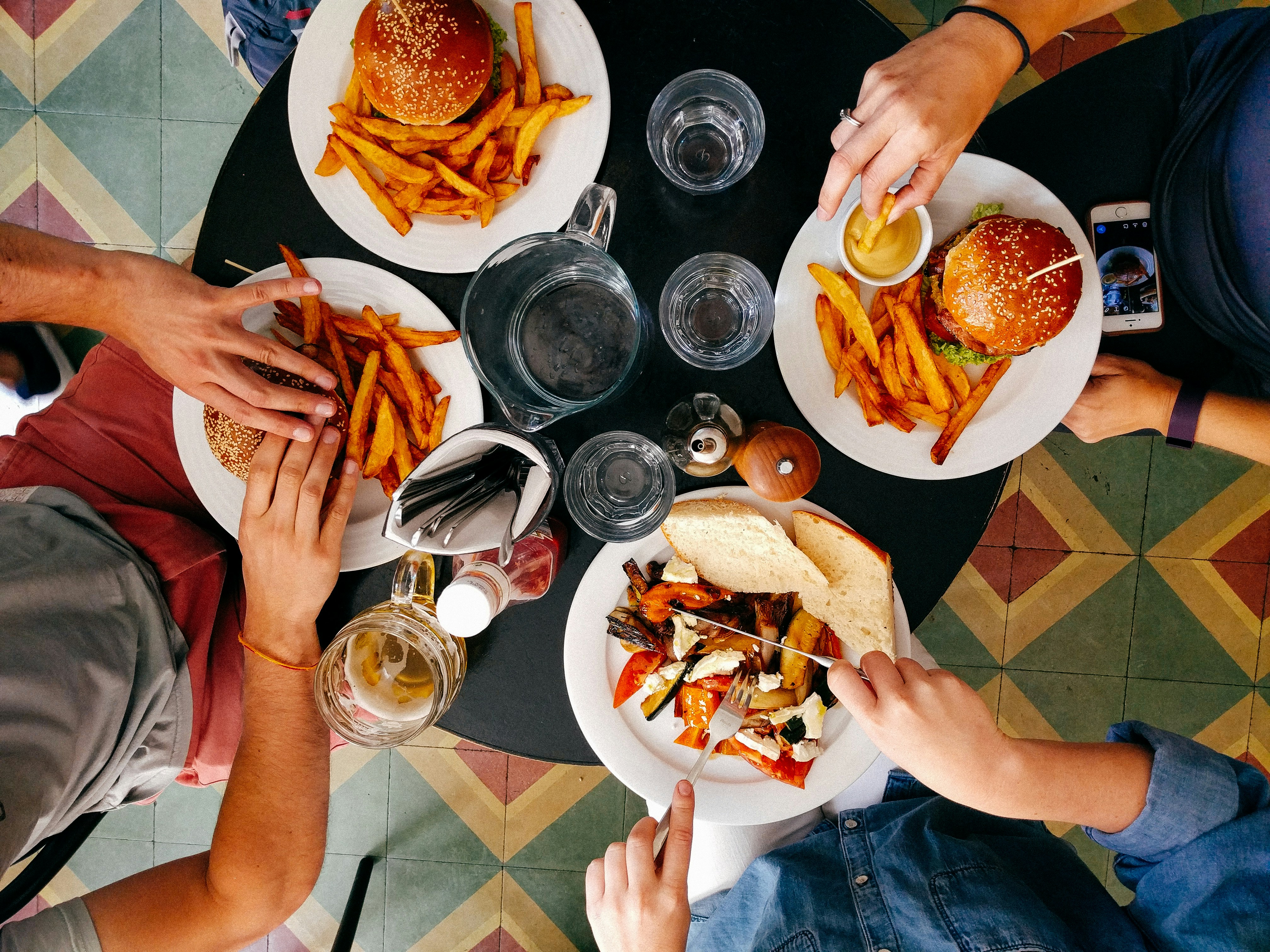
Photo by Dan Gold
In the past year, Shake Shack has quietly recalibrated its ambitions, not only in where it opens but how quickly guests are served. The chain known for walk-up hospitality is embracing speed as a strategic growth engine, extending beyond urban cores into drive-thru capable formats and simplified kitchens. This is not a retreat from hospitality, but a deliberate redesign of the guest journey—consistent, reliable service that travels across markets with distinct rhythms. The question now is not whether speed matters, but how the organization will embed it into culture, cadence, and craft, from checkouts to the last bite:
2025 revenue near $1.45 billion, a double-digit improvement that sits beside rising same-Shack sales and a path to 22.6% restaurant-level margins. The company also achieved meaningful cost discipline in development, with net build costs under $2 million for new Shacks—about a 20% reduction year over year. Looking ahead, Shake Shack frames 2026 as a foundation for broader growth, targeting 55–60 Company-operated Shacks and 40–45 licensed Shacks. The 4Q25 shareholder letter underscores disciplined execution and hospitality-forward service, positioning speed as a driver of margin and access to more communities.
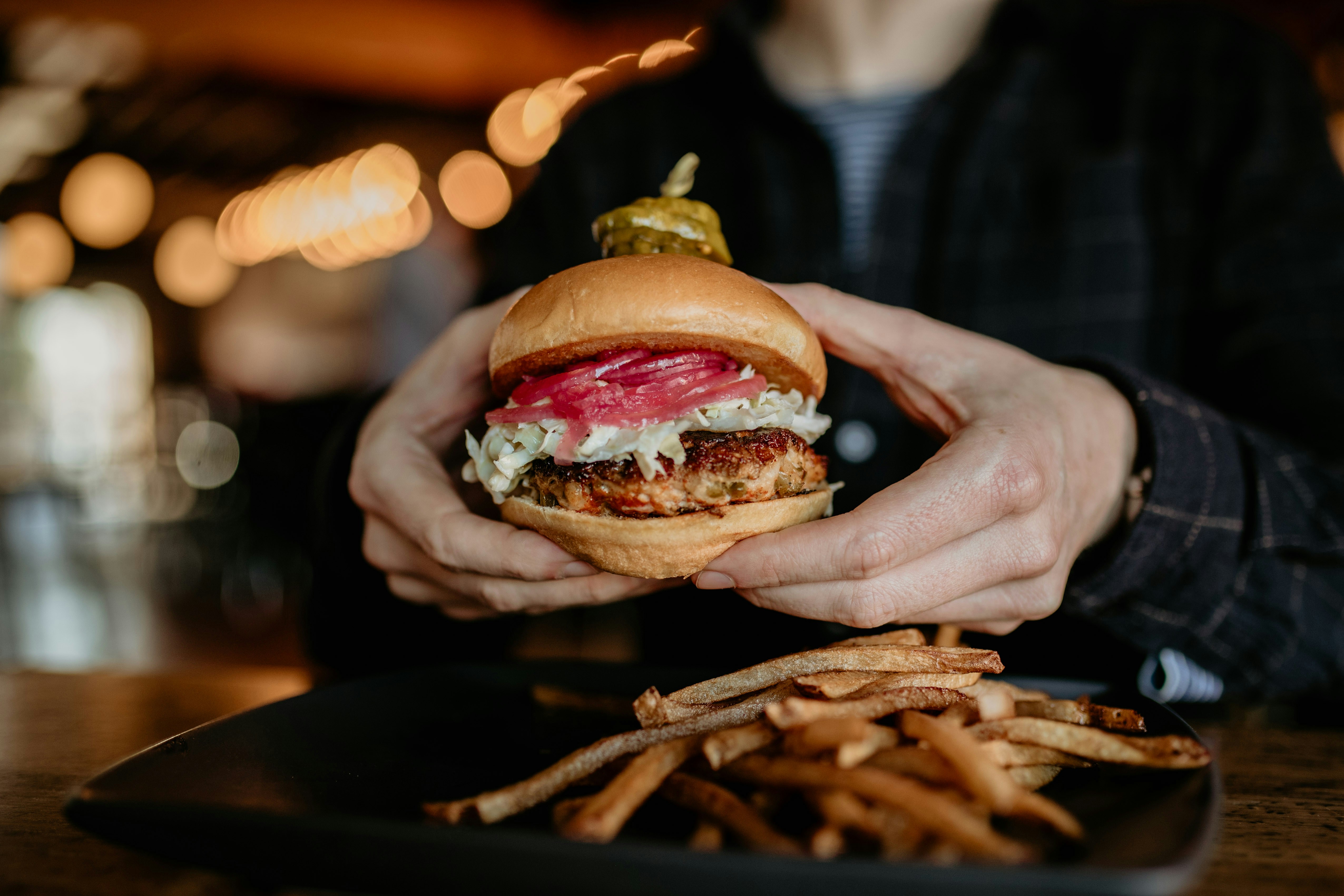
To operationalize speed, Shake Shack is rewriting the choreography of its kitchens and dining rooms. The company has discussed an assembly-line approach in back-of-house operations, moving away from fixed-post staffing toward an expo-driven flow where orders converge along a faster throughput line. In parallel, management is exploring drive-thru combos and scalable menu options designed to shorten service times without sacrificing core quality. Industry observers note a shift to activity-based labor that improves guest service and reduces observed hours, even as overall costs remain a hurdle. These changes are carefully designed to preserve product freshness and accuracy while delivering meaningful time savings.
Shake Shack’s 2025 net build-cost performance underpins this operational gamble: the company’s ability to deploy new Shacks at a lower upfront price supports faster scale, especially in drive-thru contexts. With net build costs down ~20% year over year, leadership can reinvest in kitchen layouts, equipment, and staff training to push throughput without eroding quality. Executives emphasize that speed must not outpace freshness or order accuracy, a balance essential as the model expands into more diverse geographies.