AI Playbook for Restaurant Owners
This AI playbook covers restaurant tools for voice ordering, staffing, compliance, menu pricing, inventory, marketing, ChatGPT prompts, and SEO.
tech
May 15, 2026
This AI playbook covers restaurant tools for voice ordering, staffing, compliance, menu pricing, inventory, marketing, ChatGPT prompts, and SEO.
May 15, 2026

Opening a coffee shop in 2026 requires careful cost planning across rent, equipment, labor, technology, menu strategy, marketing, and sustainability.
May 15, 2026

Hardee’s giant Boddie-Noell inks 31-unit Scooter’s Coffee deal for NC and VA, leveraging drive-thru growth and local roots with rollout over 12–18 months.
May 15, 2026

Wingstop turns match weeks into a multi-sensory festival, aligning bold pop-ups with World Cup energy to build brand affinity and measurable momentum.
May 15, 2026

Learn how to develop a memorable restaurant brand identity that stands out in a crowded market, attracts loyal customers, and drives repeat business with actionable strategies and affordable tools.
May 15, 2026

The parent company behind Dunkin', Buffalo Wild Wings, and Arby's has filed for an IPO a move that could reshape how Wall Street views the restaurant sector.
May 15, 2026

Papa Johns has teamed up with Alphabet's Wing for drone delivery of its new sandwich lineup in parts of Charlotte marking the first partnership of its kind between Wing and a national QSR brand.
May 15, 2026

Dirty soda chain Swig is expanding into Colorado through a 10-unit franchise deal, riding a consumer beverage trend that's catching the attention of major QSR players nationwide.
May 15, 2026

A warm, expert-led look at McDonald’s Q1 results, menu makeover, and the refranchise question shaping its growth.
May 14, 2026

A reflective look at Habit Ranch, its immersive desert activation, and what it signals for brand loyalty and mindful, experiential dining.
May 14, 2026

Unlock Exclusive Access To Webinars, Events, And The Latest News For Free!
Explore the implications of the recent settlement between Seattle's regulatory authorities and Uber Eats on gig workers' rights and pay transparency.
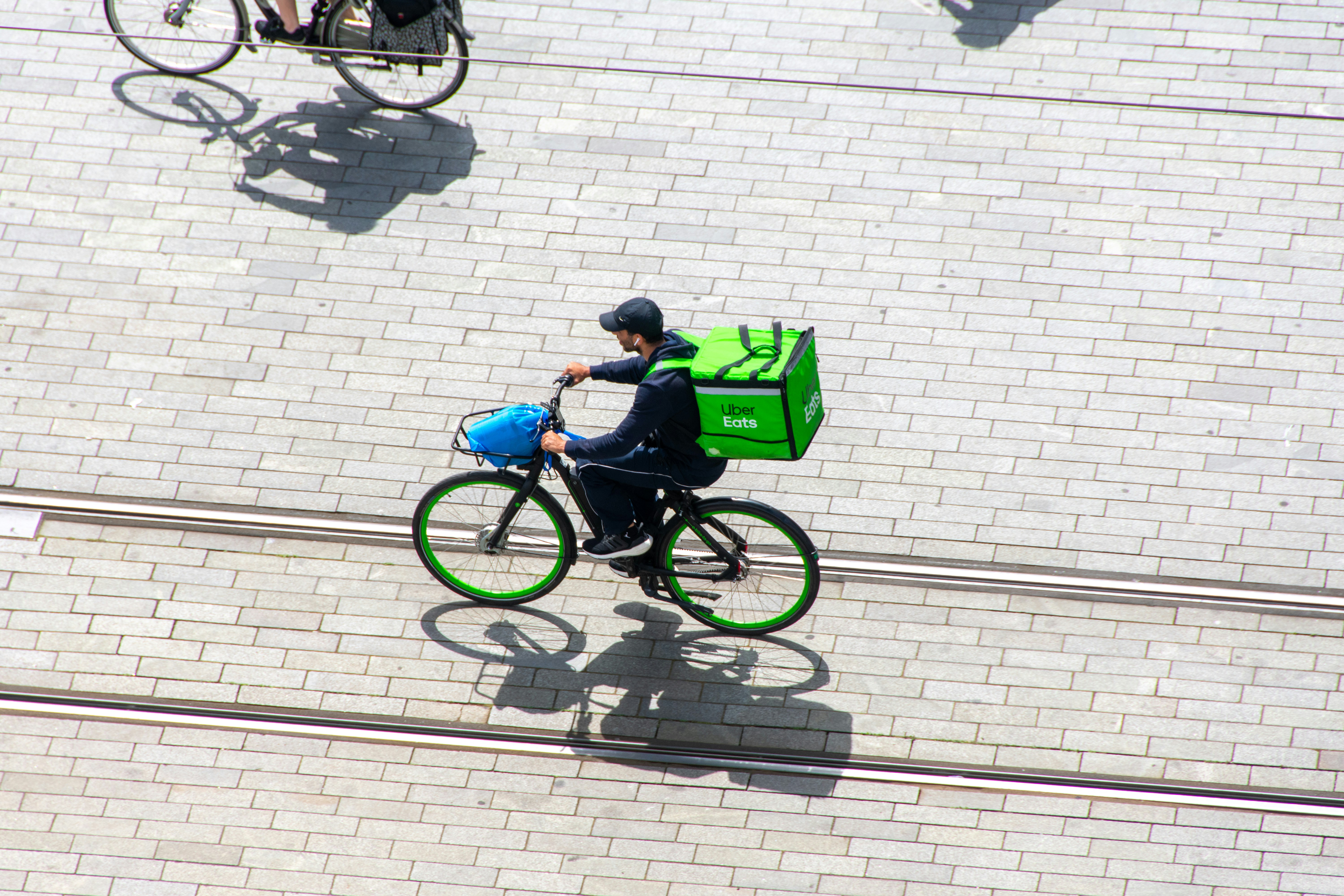
Photo by Pim de Boer
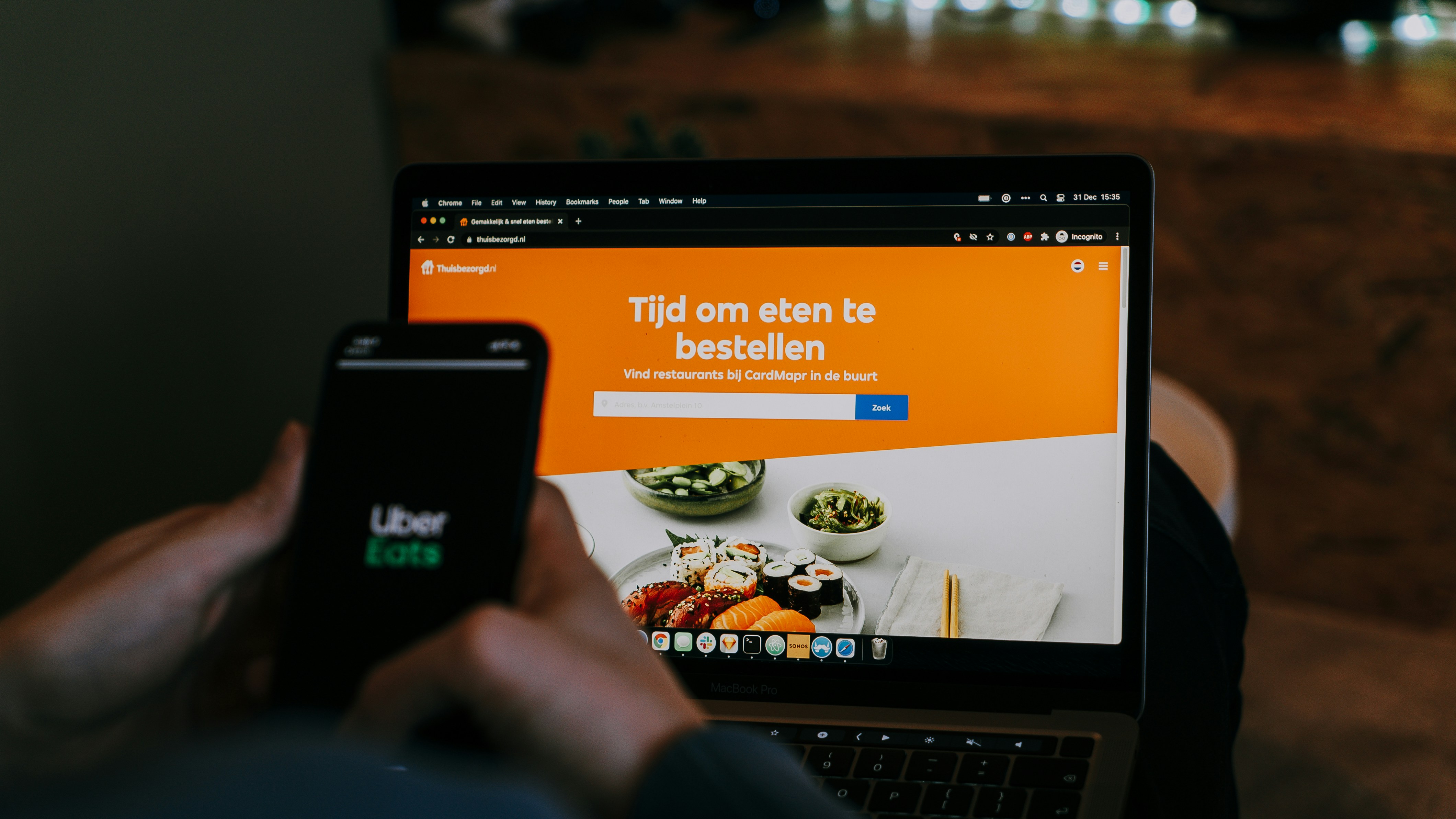
Photo by Pim de Boer
Seattle’s regulatory authorities have actively enforced independent contractor and minimum pay laws to protect gig workers' rights since their inception. These laws emerged as part of a wave of regulations following the COVID-19 pandemic, compelling app-based delivery aggregators to adjust their pay structures and business operations.
The laws in Seattle faced strong opposition from app-based delivery aggregators like DoorDash and Uber Eats. Seattle's ABWMP, in particular, encountered significant lobbying efforts from DoorDash. After the laws were implemented, both DoorDash and Uber Eats introduced new fees in the market, reflecting the challenges posed by the regulatory changes.
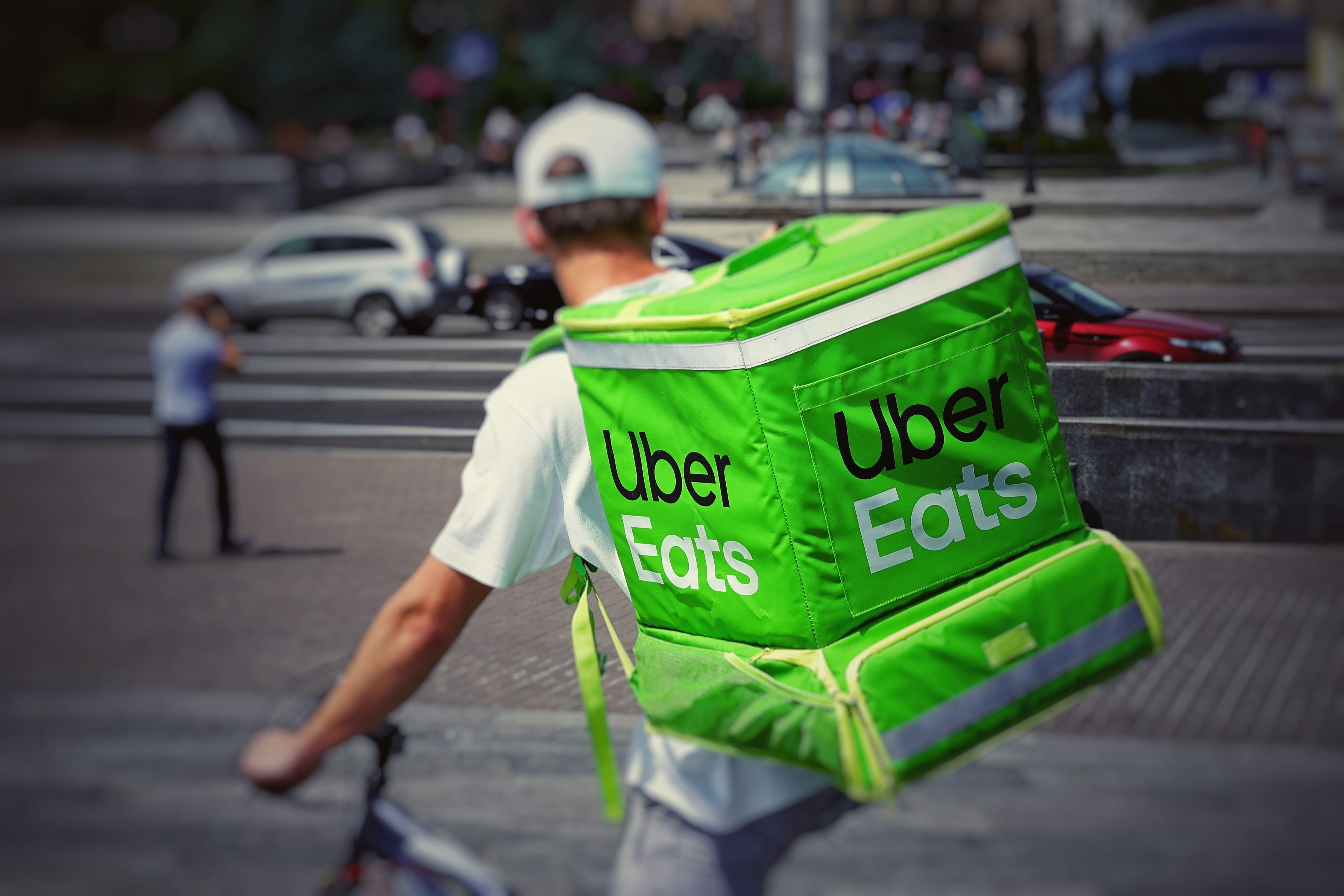
Photo by Pim de Boer
Seattle authorities specifically accused Uber Eats of misleading practices, including failing to inform workers about the accurate application of Boost Multipliers to their earnings. Moreover, the city alleged that Uber Eats sometimes paid workers less than the amounts indicated in pre-work offers, violating the ICP rule that mandates transparent pay rates before gig commencement.
In response to the settlement, Uber Eats expressed a commitment to enhancing transparency for couriers regarding their pay and earning opportunities. The company aims to provide clear and dependable information to workers, acknowledging the importance of fair compensation and reliable earnings in Seattle's highly regulated gig economy market.
Peter Kuel, the President of the Drivers Union, emphasized the significance of the settlement in upholding gig workers' rights. He highlighted the importance of regulatory changes in combatting systematic underpayment of gig workers. Kuel's statement underscores the crucial role of legislation and worker advocacy in ensuring fairness and just treatment in the gig economy sector.