AI Playbook for Restaurant Owners
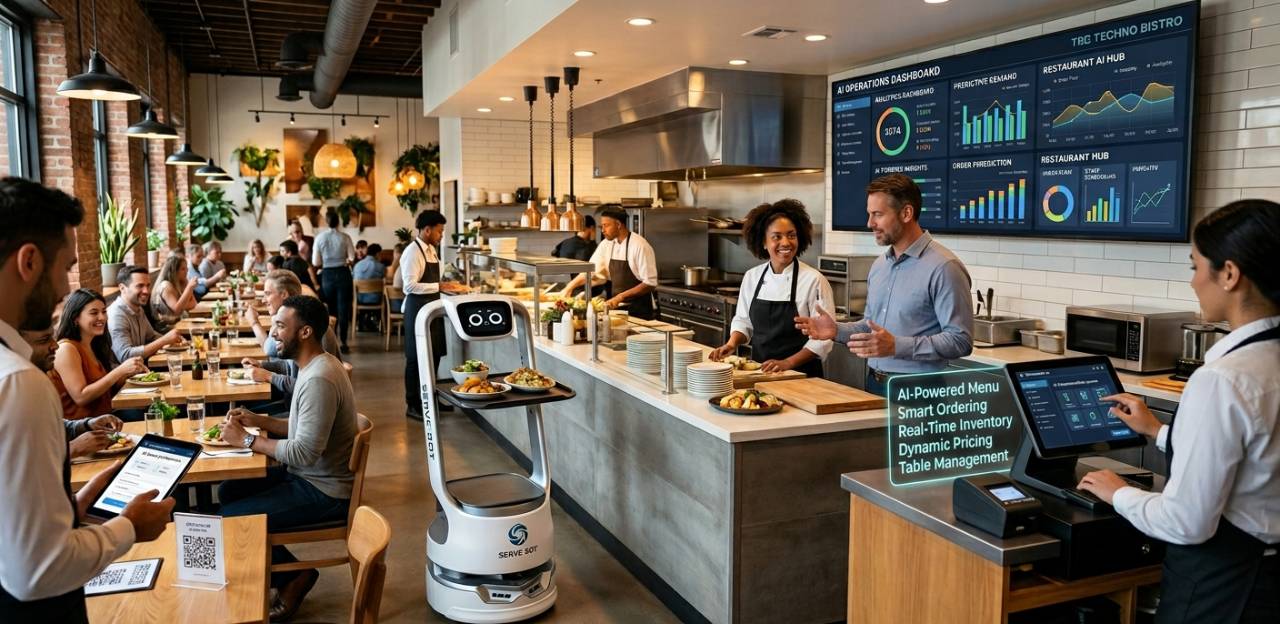
This AI playbook covers restaurant tools for voice ordering, staffing, compliance, menu pricing, inventory, marketing, ChatGPT prompts, and SEO.
tech
May 15, 2026
This AI playbook covers restaurant tools for voice ordering, staffing, compliance, menu pricing, inventory, marketing, ChatGPT prompts, and SEO.
May 15, 2026
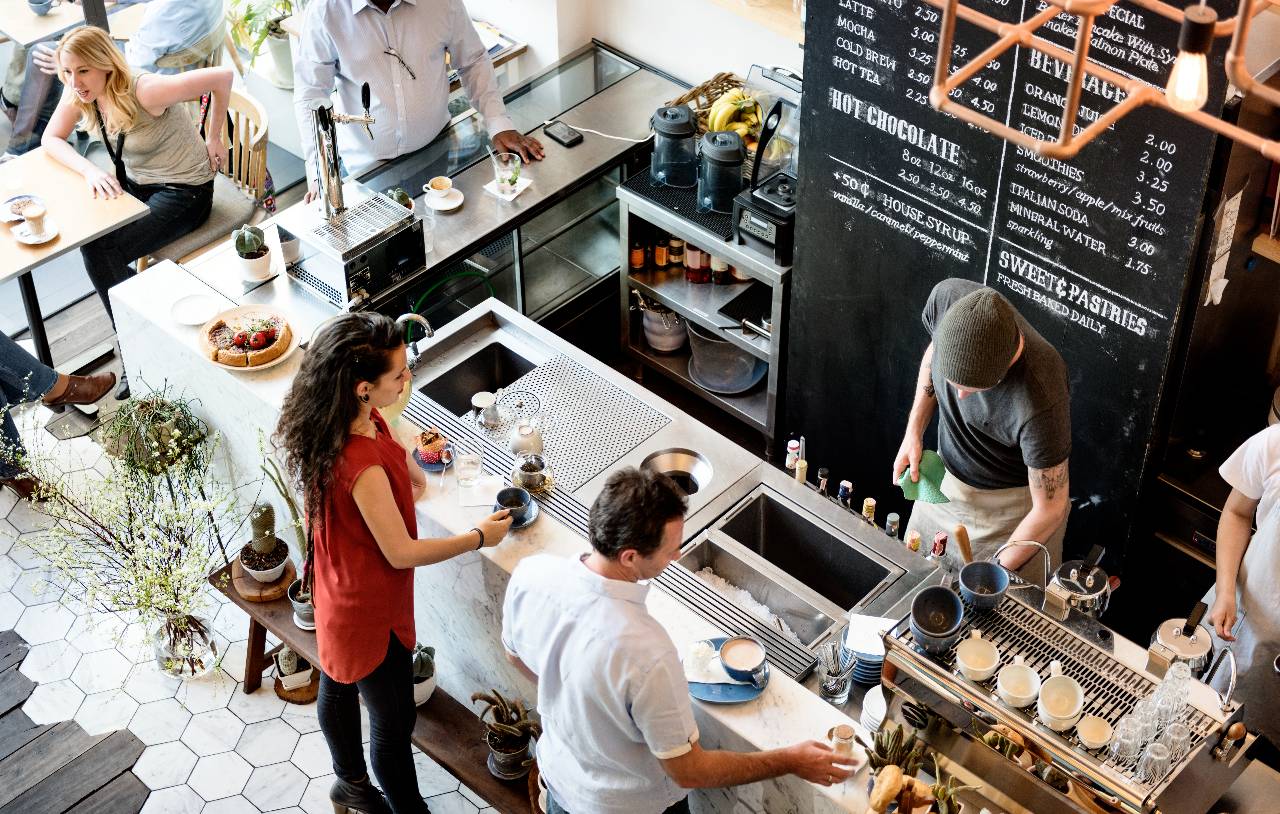
Opening a coffee shop in 2026 requires careful cost planning across rent, equipment, labor, technology, menu strategy, marketing, and sustainability.
May 15, 2026
Hardee’s giant Boddie-Noell inks 31-unit Scooter’s Coffee deal for NC and VA, leveraging drive-thru growth and local roots with rollout over 12–18 months.
May 15, 2026
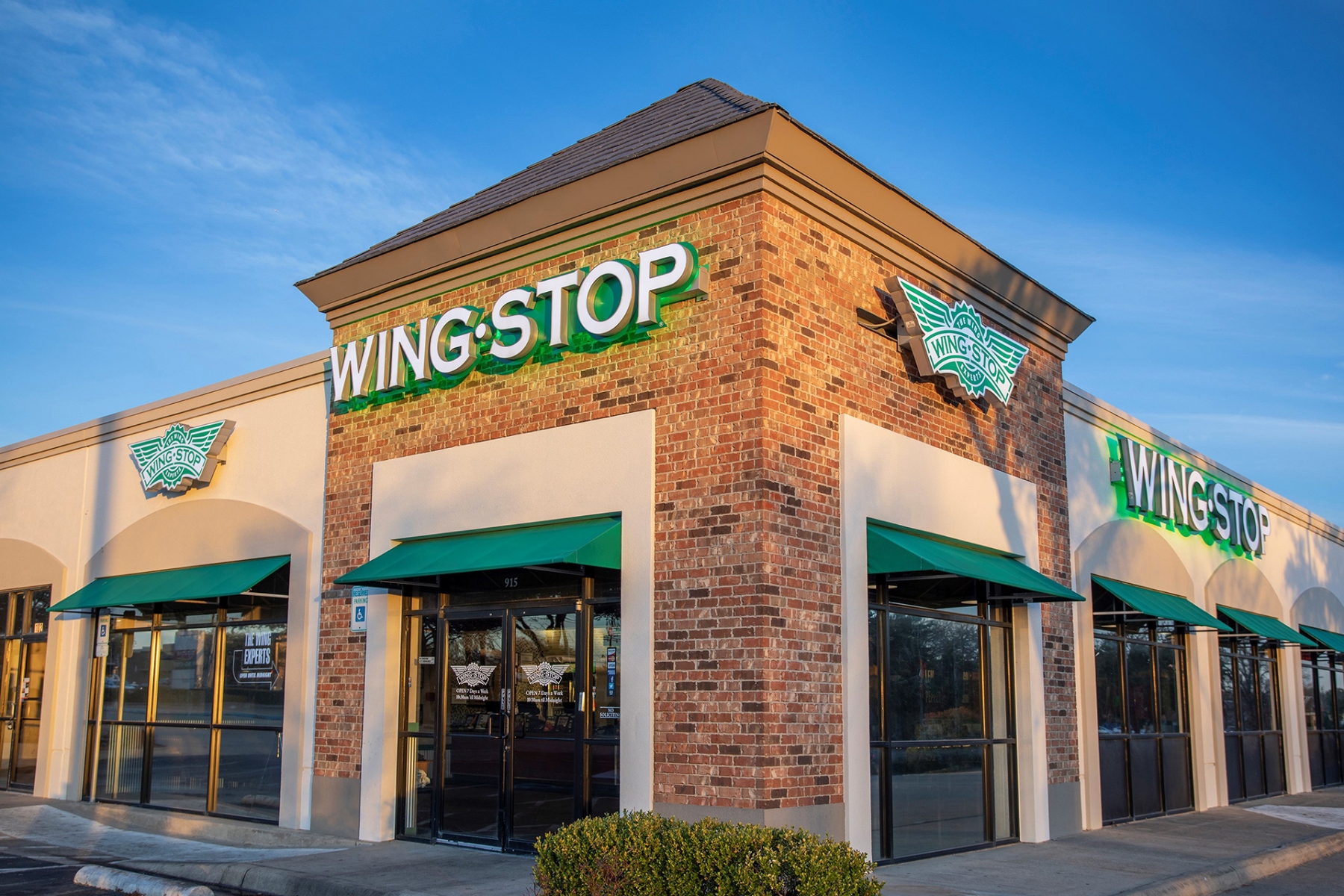
Wingstop turns match weeks into a multi-sensory festival, aligning bold pop-ups with World Cup energy to build brand affinity and measurable momentum.
May 15, 2026
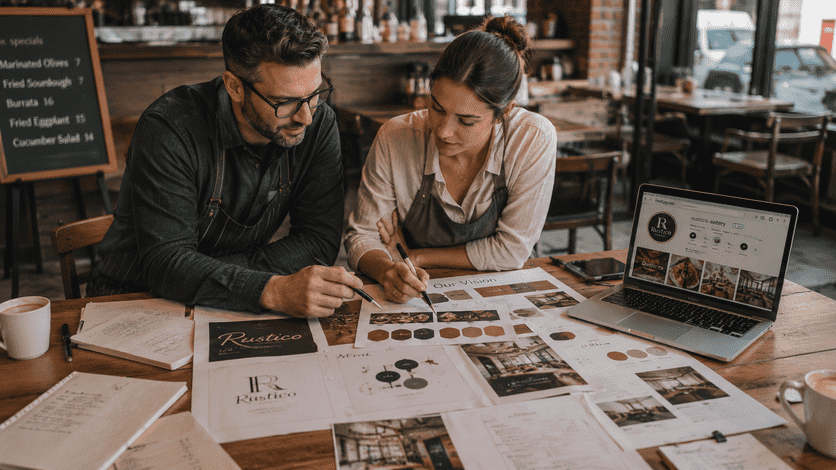
Learn how to develop a memorable restaurant brand identity that stands out in a crowded market, attracts loyal customers, and drives repeat business with actionable strategies and affordable tools.
May 15, 2026
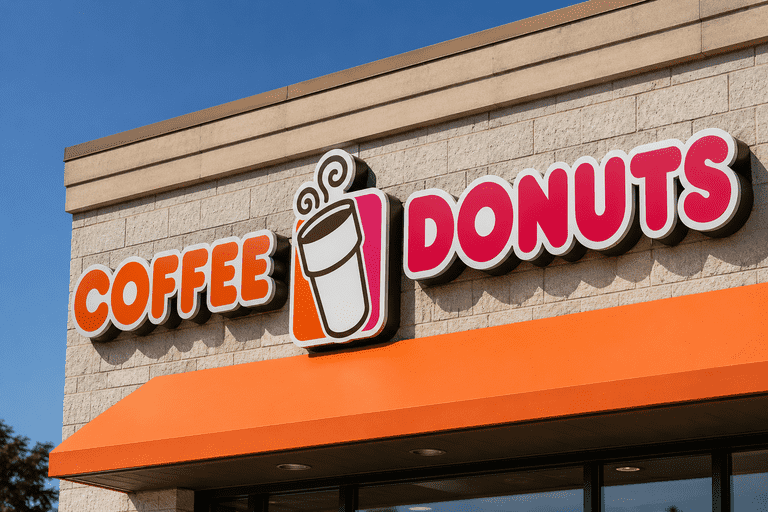
The parent company behind Dunkin', Buffalo Wild Wings, and Arby's has filed for an IPO a move that could reshape how Wall Street views the restaurant sector.
May 15, 2026
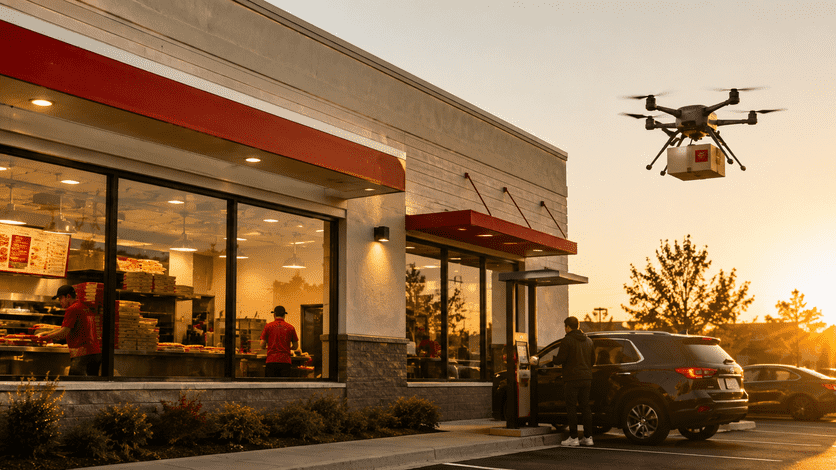
Papa Johns has teamed up with Alphabet's Wing for drone delivery of its new sandwich lineup in parts of Charlotte marking the first partnership of its kind between Wing and a national QSR brand.
May 15, 2026
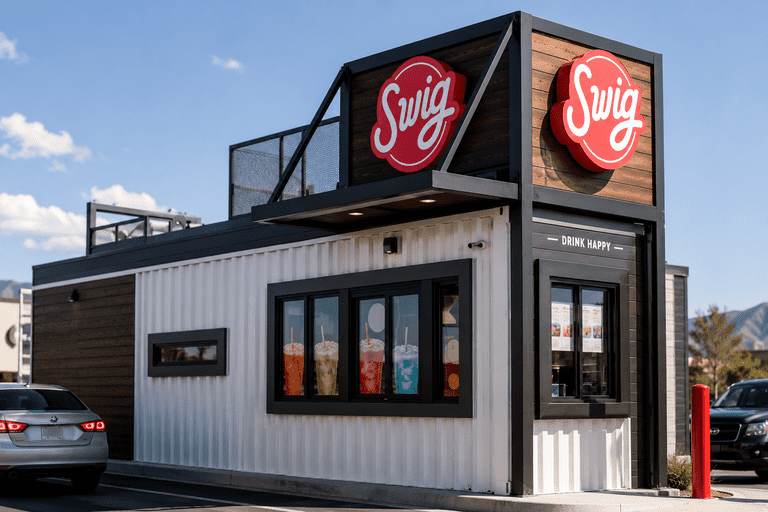
Dirty soda chain Swig is expanding into Colorado through a 10-unit franchise deal, riding a consumer beverage trend that's catching the attention of major QSR players nationwide.
May 15, 2026
A warm, expert-led look at McDonald’s Q1 results, menu makeover, and the refranchise question shaping its growth.
May 14, 2026
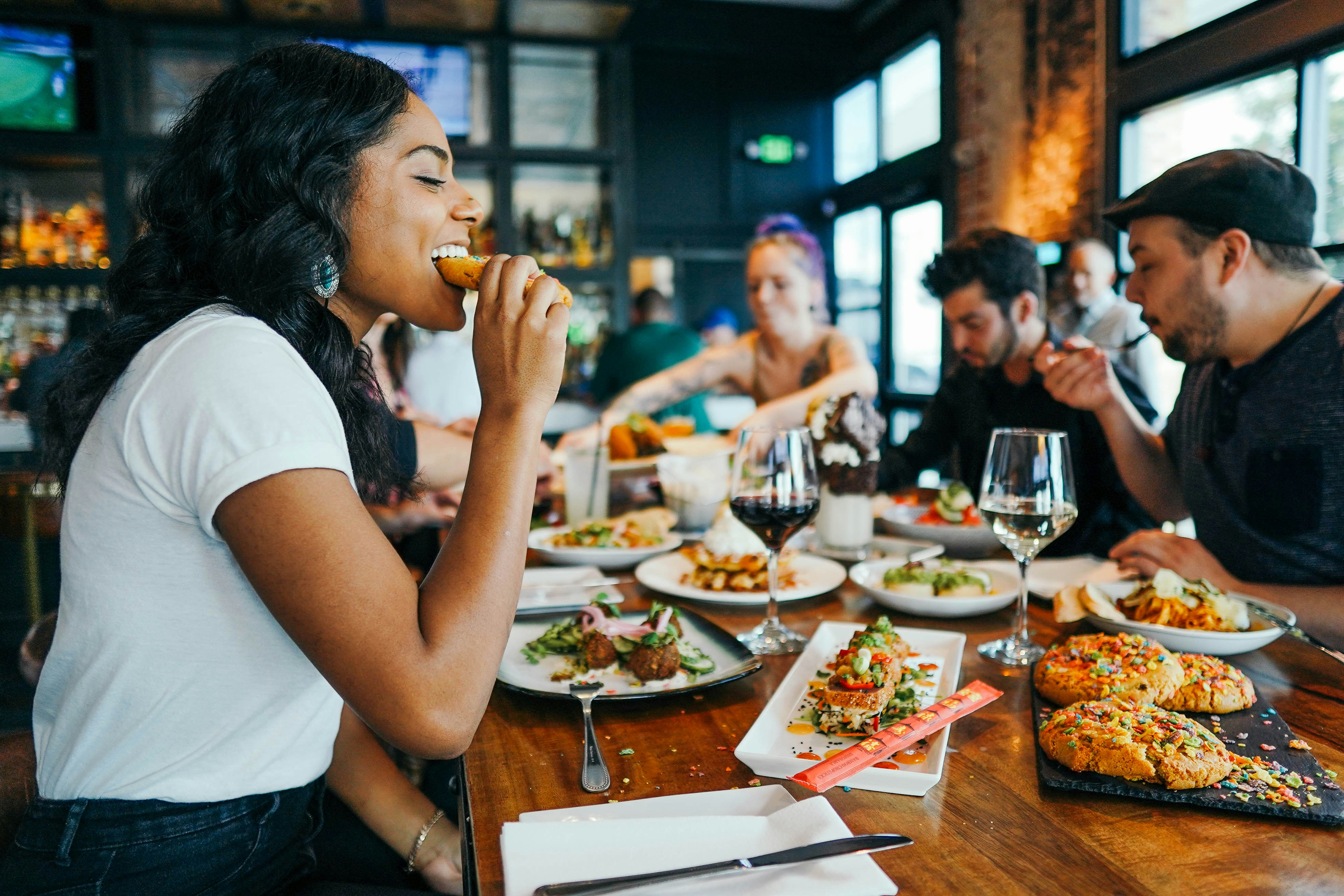
A reflective look at Habit Ranch, its immersive desert activation, and what it signals for brand loyalty and mindful, experiential dining.
May 14, 2026

Unlock Exclusive Access To Webinars, Events, And The Latest News For Free!
An expert overview of RBI’s Royal Reset, the Sizzle redesign, and the Carrols deal accelerating Burger King’s U.S. remodels amid post-pandemic headwinds.
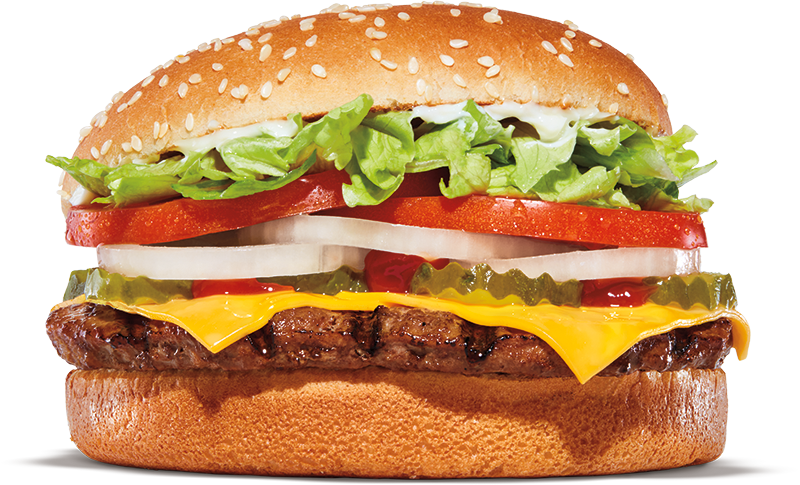
In the noisy arena of fast-service dining, Burger King is choosing a quieter, more purposeful course: a modernization program that begins where it can bend performance and guest delight. The Royal Reset, launched by RBI in 2022, targets strategic remodels that spark results rather than quick fixes. Historically, RBI has noted a roughly 12% uplift in annual sales from updated stores. Early Royal Reset data suggest results that edge beyond this benchmark as leadership focuses on high-potential sites and upfront ROI before broader rollouts. This is a carefully staged opening act in a wider modernization story, inviting a closer look at design, capital, and franchisee collaboration that shapes what guests taste.
At its core, the program targets high-return remodels with an emphasis on upfront ROI, not merely proximity to contract expirations. In early 2024, Burger King broadened the scope and unveiled the Sizzle store image, a bold design that signals a major shift in look and operations. The transition to the Sizzle format is described as a core driver of transformation for the U.S. brand, while RBI announced a large-scale capital plan to accelerate remodels and even acquire its largest U.S. franchisee to speed reimaging across that portfolio. The throughline is scale with purpose: turning bold design into measurable improvements in guest experience and profitability, even as the market remains volatile.
Across the agenda, the mechanics are clear but ambitious: remodels prioritized for upfront ROI, rapid deployment, and a tight feedback loop with franchisees. In 2024, RBI broadened objectives and rolled out the Sizzle concept as a defined image and operations platform. A large-scale capital plan was announced to accelerate remodels, including the acquisition of the company's largest U.S. franchisee to speed reimaging across that portfolio. The throughline is scale with purpose: turning bold design into measurable improvements in guest experience, traffic, and profitability even as the market remains uncertain.
Executives describe the push as a deliberate alignment of capital, timing, and franchisee collaboration. By emphasizing high-potential sites and faster deployment, the program seeks to strengthen unit economics without waiting for old contract cycles to finish. The result is a tighter cadence of remodeling paired with a clearer path to a refreshed guest experience. The story ahead is less about flash and more about durable gains: a disciplined rollout that can withstand a tepid macro environment while maintaining momentum for the brand.
Design sits at the heart of the transformation. The Sizzle concept has become a centerpiece of RBI’s refresh, supported by a dedicated design and innovation footprint and a 40,000-square-foot “Royal Innovation Center” that houses Sizzle prototypes and testing. Debut locations have already yielded early positive reactions from customers, suggesting a scalable path to broader adoption. This is more than a cosmetic overhaul; it’s a signal that the brand intends to reframe guest perceptions through a thoughtful, nourishing physical environment.
RBI frames the design refresh as a meaningful upgrade capable of transforming the brand’s footprint in the U.S. market. The combination of a design and innovation footprint and the testing center turns ideas into tangible in-store realities, guiding launches at debut sites and beyond.
A pivotal strategic move came in early 2024, when RBI announced the $1.0 billion acquisition of Carrols Restaurant Group, Burger King’s largest U.S. franchisee. The deal aims to speed remodels across Carrols’ extensive U.S. network and to refranchise many of these outlets over time. RBI indicated that it would update approximately 600 former Carrols Burger King sites by 2028, with the intention to refranchise most of these outlets eventually. The initialization of Royal Reset investments and Carrols’ integration are designed to deliver rapid scale in both modern image and operating performance.
In conjunction with this, RBI has disclosed expanded co-investment programs, including a later phase labeled “Royal Reset 2.0”, to fund additional remodels and modernization through 2028. This signals a deliberate push to broaden coverage while preserving a clear, ROI-first mindset. The move aligns image upgrades with operating performance, aiming for a cohesive lift across the portfolio.
The broader QSR landscape remains intensely competitive, with Burger King's performance judged against peers like McDonald’s and Jack in the Box. In the latest quarter, Burger King posted a decline in comparable sales but still outpaced the U.S. burger QSR segment overall; McDonald’s posted a 0.7% drop and Jack in the Box a 2.2% decline. Analysts have noted that remodel-driven sales uplifts can offer a critical edge as traffic remains tepid and franchisee stress persists. RBI’s remodel program is therefore viewed as one of the levers to stabilize brand momentum and support franchisees through a volatile period.
Yet uncertainties loom. The Carrols acquisition has faced a Delaware court challenge alleging potential overreach in the transaction, and RBI cautions that franchisees’ profitability and liquidity are key determinants of co-investment participation and remodel pace, with regulatory and macroeconomic factors adding further complexity to execution. The company has signaled ambitious timelines—refranchising substantial portions of the Carrols portfolio within a multi-year horizon—but execution risk remains if capital access or franchisee willingness to invest slows. Investors will be watching how remodel cadence, capital deployment, and franchisee economics align with longer-term profitability targets.