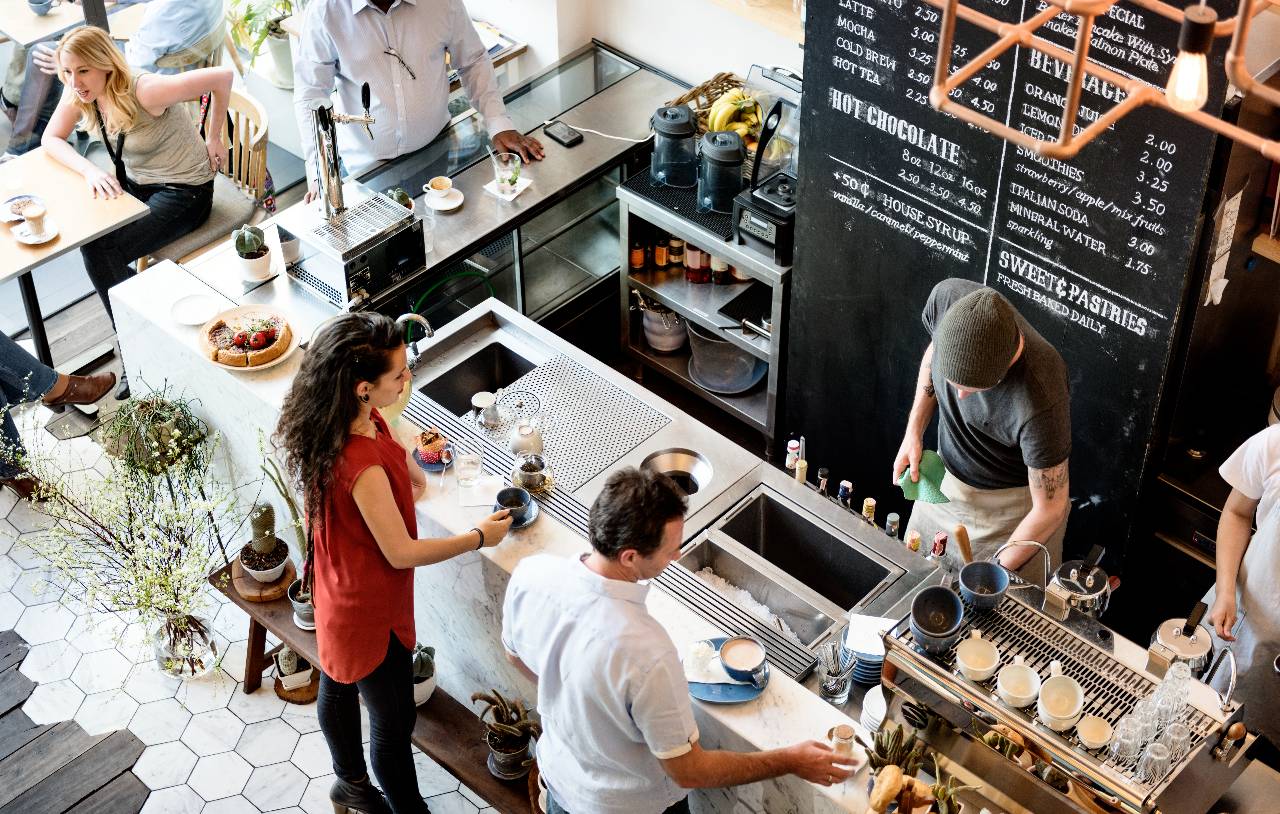
How Much Does It Cost to Open a Coffee Shop in 2026?
Opening a coffee shop in 2026 requires careful cost planning across rent, equipment, labor, technology, menu strategy, marketing, and sustainability.
operations
May 15, 2026
Opening a coffee shop in 2026 requires careful cost planning across rent, equipment, labor, technology, menu strategy, marketing, and sustainability.
May 15, 2026
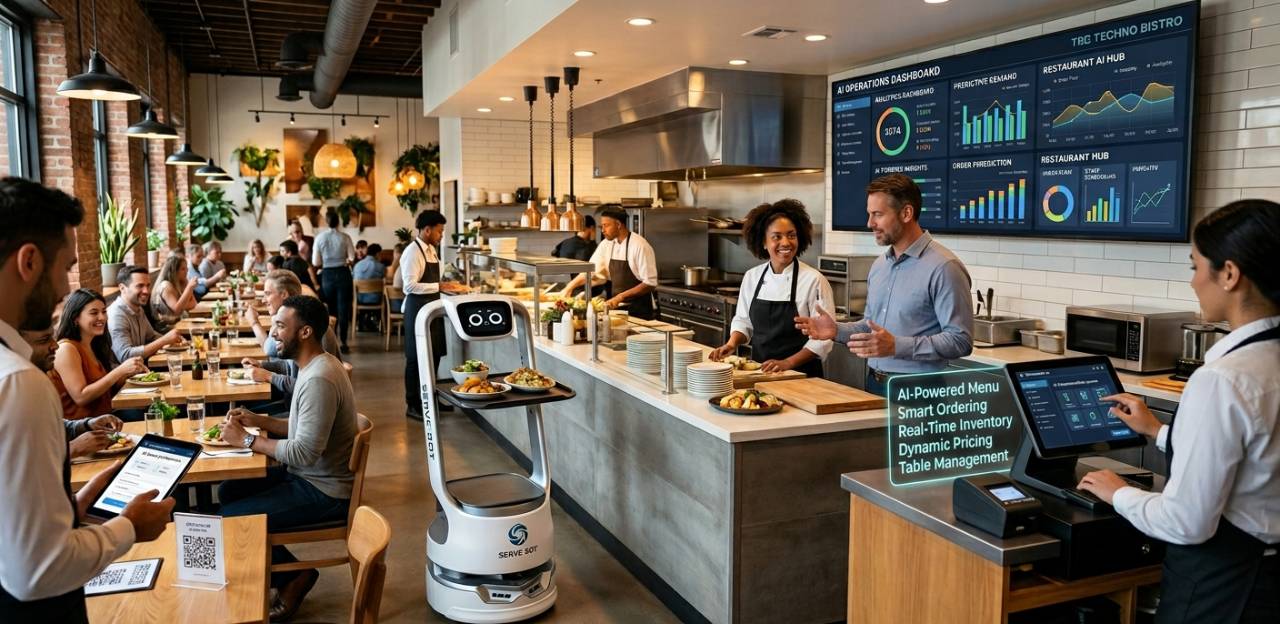
This AI playbook covers restaurant tools for voice ordering, staffing, compliance, menu pricing, inventory, marketing, ChatGPT prompts, and SEO.
May 15, 2026
Hardee’s giant Boddie-Noell inks 31-unit Scooter’s Coffee deal for NC and VA, leveraging drive-thru growth and local roots with rollout over 12–18 months.
May 15, 2026
Wingstop turns match weeks into a multi-sensory festival, aligning bold pop-ups with World Cup energy to build brand affinity and measurable momentum.
May 15, 2026
The parent company behind Dunkin', Buffalo Wild Wings, and Arby's has filed for an IPO a move that could reshape how Wall Street views the restaurant sector.
May 15, 2026

Learn how to develop a memorable restaurant brand identity that stands out in a crowded market, attracts loyal customers, and drives repeat business with actionable strategies and affordable tools.
May 15, 2026
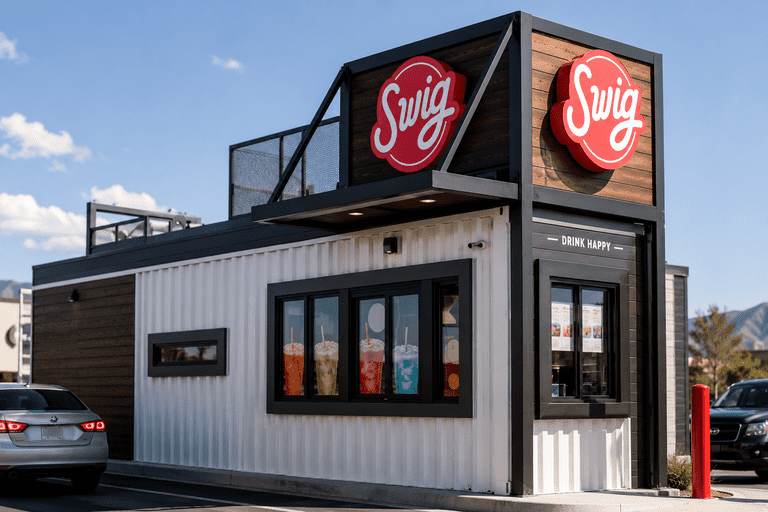
Dirty soda chain Swig is expanding into Colorado through a 10-unit franchise deal, riding a consumer beverage trend that's catching the attention of major QSR players nationwide.
May 15, 2026
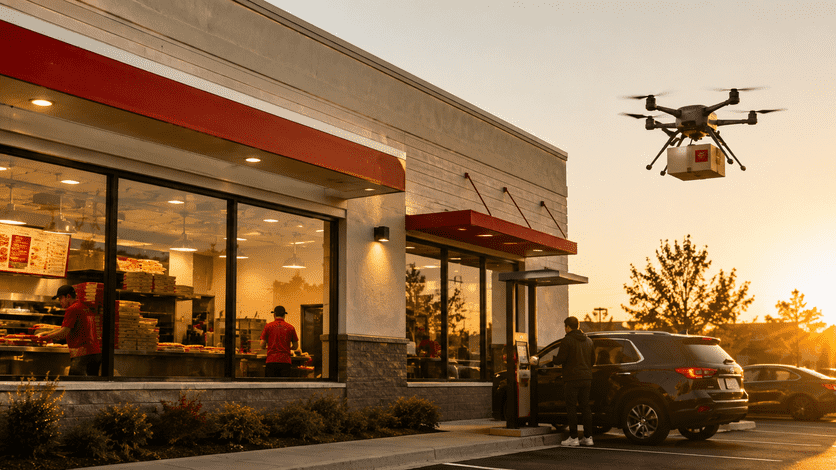
Papa Johns has teamed up with Alphabet's Wing for drone delivery of its new sandwich lineup in parts of Charlotte marking the first partnership of its kind between Wing and a national QSR brand.
May 15, 2026
A warm, expert-led look at McDonald’s Q1 results, menu makeover, and the refranchise question shaping its growth.
May 14, 2026
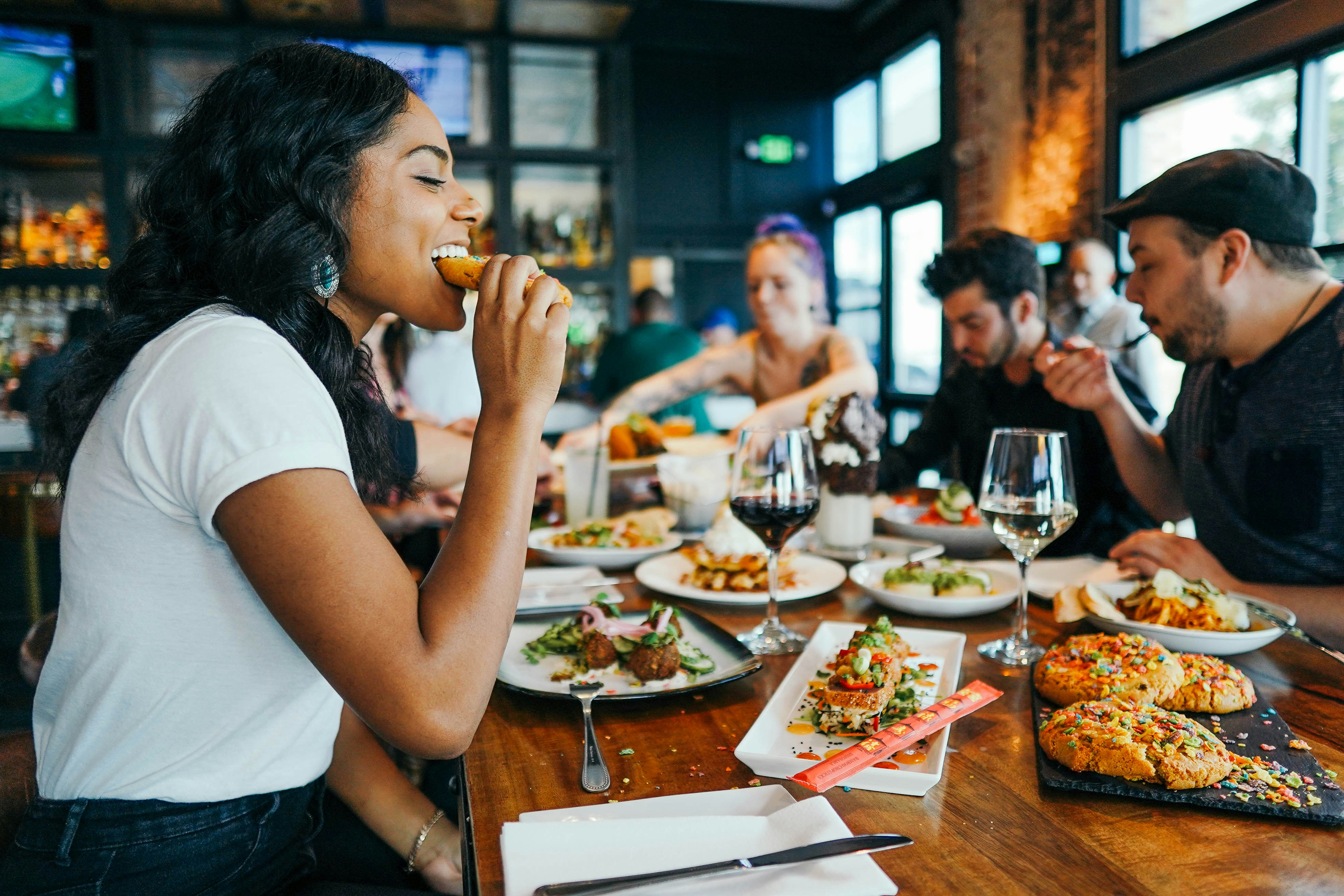
A reflective look at Habit Ranch, its immersive desert activation, and what it signals for brand loyalty and mindful, experiential dining.
May 14, 2026

Unlock Exclusive Access To Webinars, Events, And The Latest News For Free!
Rivals push lean formats, incentives, and partnerships to outpace Chipotle's rapid growth in fast-casual Mexican.
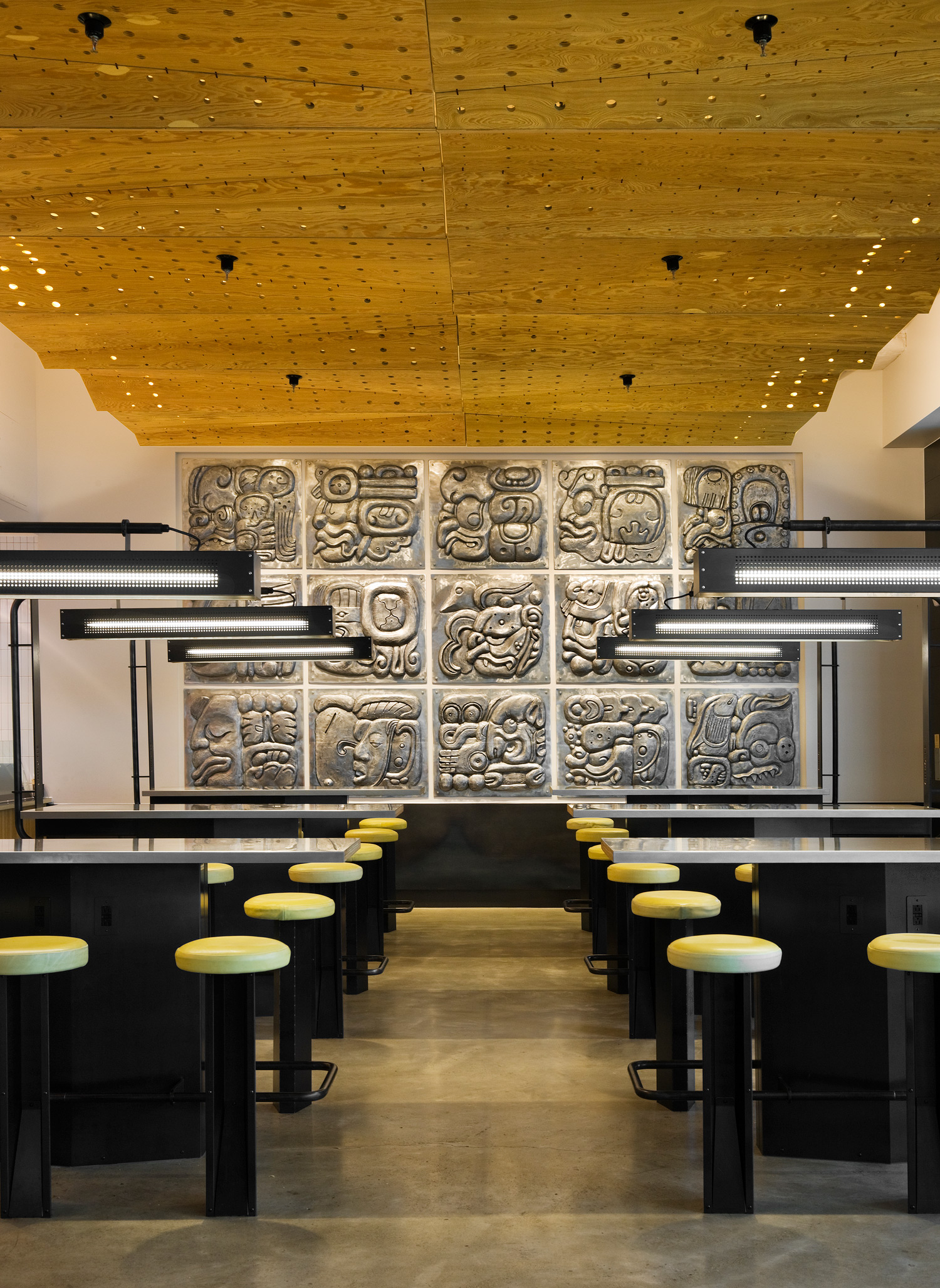
Chipotle Mexican Grill stands as the standard-bearer in fast-casual. Its footprint isn’t just big, it’s a tangible pressure point for rivals. As of June 30, 2024, the company operated 3,530 company-operated restaurants, with a trailing-12-month unit sales figure around $3.146 million per store. In the second quarter, it opened 52 new company locations, of which 46 included a Chipotlane—the drive-thru pickup lane that anchors the brand’s approach to speed and convenience. Revenue for the quarter hovered near $2.97 billion, buoyed by new openings and robust transaction growth. The broader context shows more than 3,500 restaurants in operation across the U.S., Canada, the U.K., France, Germany, and Kuwait. A June 26, 2024 stock split punctuated the expansion cadence.
Chipotlane lanes have become a strategic lever, not just for throughput but for creating urgency among guests to choose Chipotle for digital-first experiences. The scale and reach impose a ceiling for rivals and set a high bar for margins. The footprint spanning the U.S., Canada, the U.K., France, Germany, and Kuwait frames an ambition: scale quickly, but with disciplined risk management.
The implication is simple: scale buys time, but margin discipline wins. The next phase will be defined by how challengers translate unit economics into durable guest value across a broader footprint.
District Taco, a 17-unit brand anchored in Washington, D.C., pursues authentic Yucatecan flavors and distinctive offerings like breakfast tacos, now accounting for about 10% of sales. CEO Osiris Hoil frames growth as a long game, anticipating roughly 15 years to national reach, and has signed development agreements for at least 71 units with openings planned in Orlando and other markets. The model centers on smaller footprints and deep community ties, targeting suburban neighborhoods, colleges, and local organizations to build lasting connections.
Qdoba has leaned on incentives to accelerate development, offering a $100,000 cash incentive for franchisees that build new units by September 2026, with ambitions to net roughly 100 openings per year in the near term. Burritobar — the U.S. offshoot of Canada’s Barburrito — advocates a lean 1,000–1,500 square-foot footprint and a broader menu beyond traditional Mexican fast casual. Moe’s Southwest Grill, under GoTo Foods, remodels stores and streamlines operations to reverse unit declines while pursuing multi-unit growth in strategically chosen markets.
Operational focus and margin go hand in hand with growth. These brands stress cost discipline, targeted markets, and flexible formats that can adapt to local demand, while believing smaller formats can deliver speed and guest value without sacrificing economics.
Ab Igram, executive director of the Tariq Farid Franchise Institute at Babson College, highlights the strategic edge of aligning with experienced multi-unit operators to accelerate growth. He argues Chipotle has defined the market and rivals must locate exploitable weaknesses. Osiris Hoil cautions a measured expansion with an implied 15-year horizon to broad reach. Together, these voices sketch a landscape where expansion hinges on unit economics, site strategy, and dependable guest value.
Jeremy Vitaro, Qdoba’s chief development officer, underscores the ongoing importance of recruiting strong franchisees, timing market entries, and remodeling company-owned stores into smaller formats. The emphasis remains on balancing experienced operators with flexible locations to sustain margins while expanding the footprint.
Taken together, these voices map a high-stakes race where growth stays robust but is tethered to unit economics and the ability to deliver consistent guest value across a wider reach.
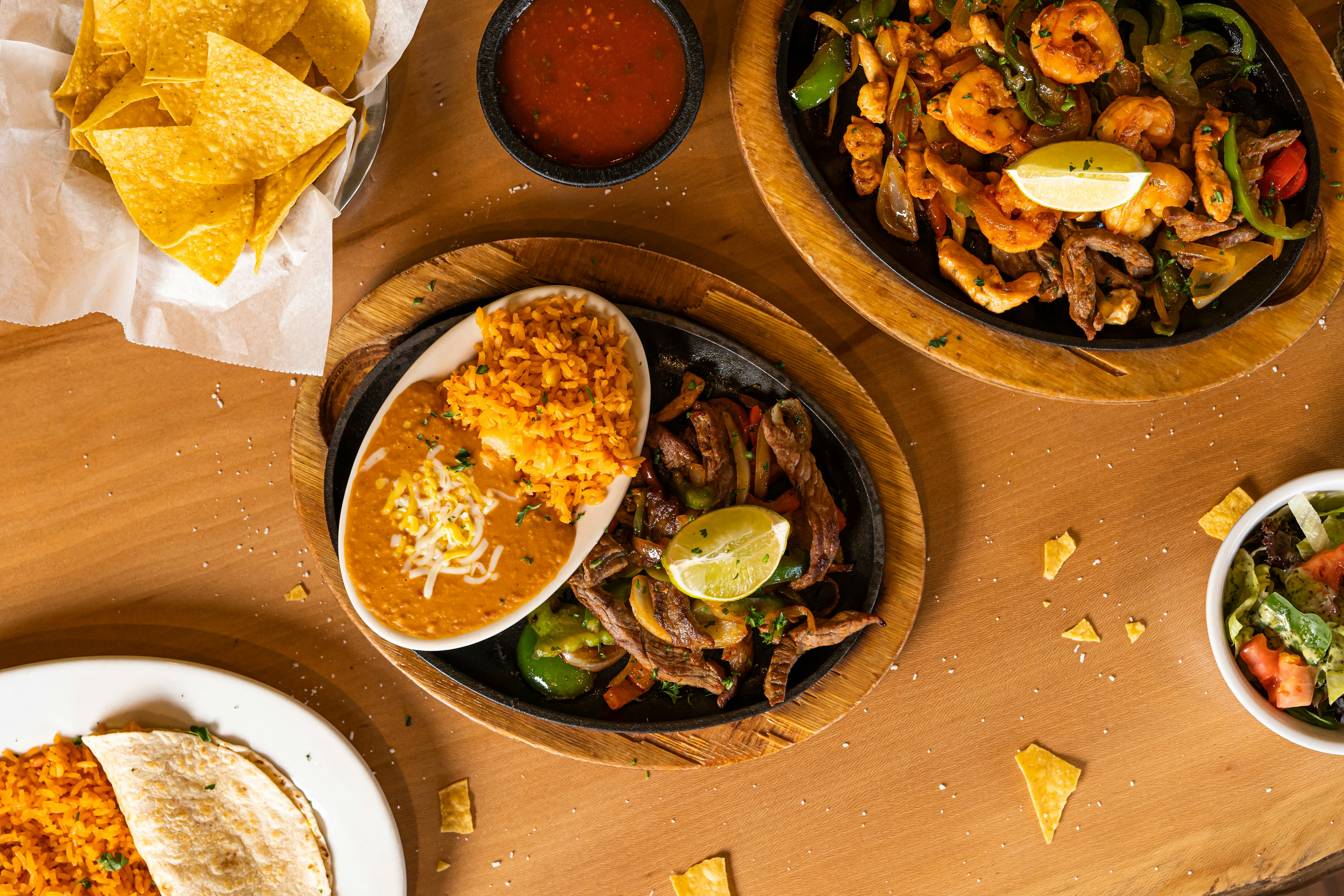
Rubio’s Coastal Grill filed for Chapter 11 in June 2024 to facilitate a sale, leading to the closure of 48 California locations while preserving core footprints in California, Arizona, and Nevada. Separately, Tijuana Flats filed Chapter 11 in April 2024 and was acquired by Flatheads LLC; the turnaround includes closures and renewed growth. These developments illustrate the fragility that can accompany rapid expansion in a highly competitive segment, even as others restructure to restore unit economics.
The broader dynamic in franchised restaurants shows pressure points across the system. The chapter filings are documented by PR Newswire and major outlets, underscoring the costs of scaling quickly in a competitive field.
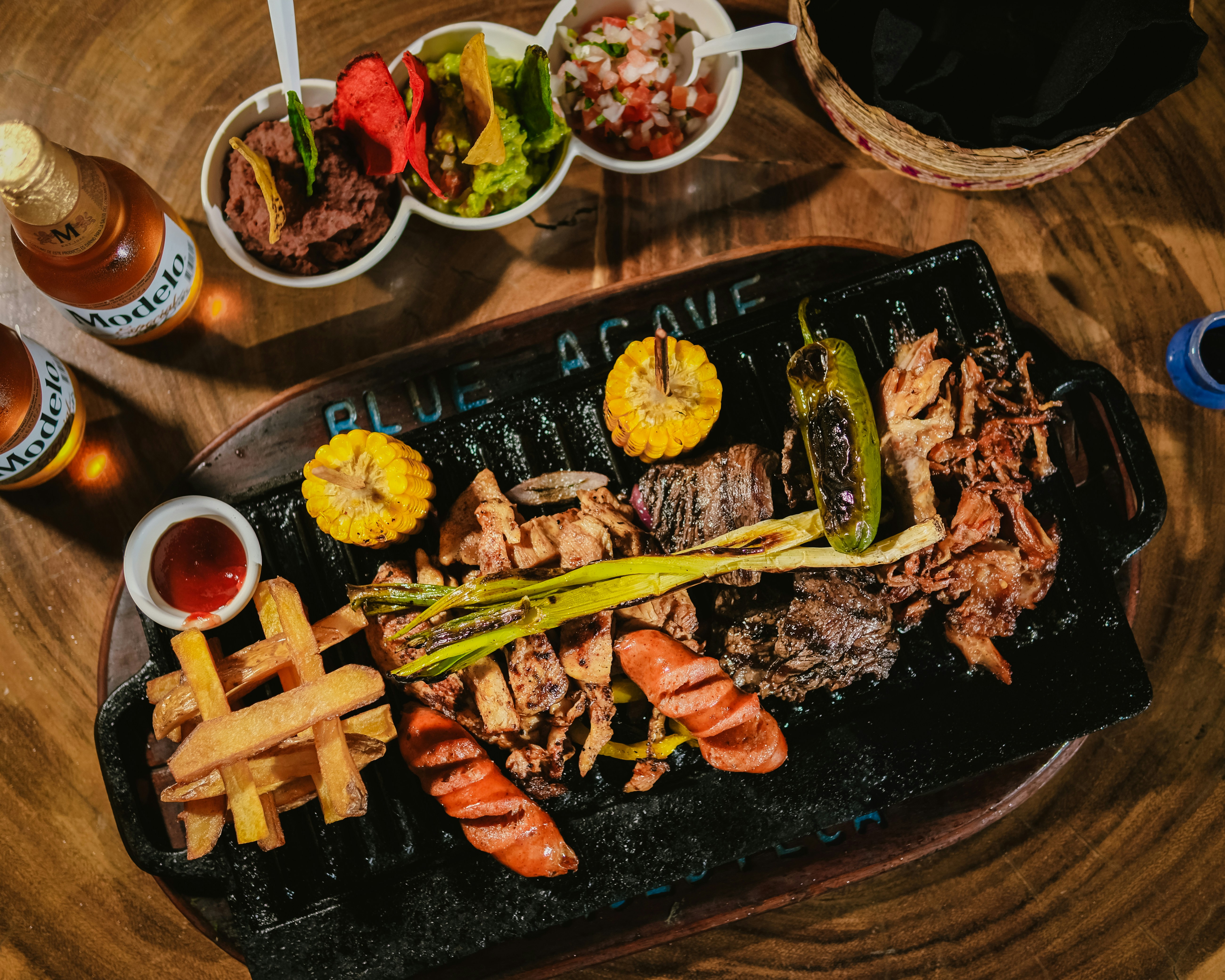
Industry signals point to a Mexican fast-casual landscape defined by divergent strategies. Some brands lean into authentic storytelling and community ties, others push smaller formats and tech-enabled operations. Chipotle’s scale remains a defining driver, while rivals pursue master franchising, co-branding, and real estate experimentation to keep pace.
Macro factors include inflation, labor dynamics, and evolving consumer expectations. The pace of openings and the mix of company-owned versus franchised units will likely shift as the market seeks durable margins and guest value.
The sector’s trajectory suggests a high ceiling for brands that pair disciplined site selection with a compelling local promise and scalable operations.