AI Playbook for Restaurant Owners
This AI playbook covers restaurant tools for voice ordering, staffing, compliance, menu pricing, inventory, marketing, ChatGPT prompts, and SEO.
tech
May 15, 2026
This AI playbook covers restaurant tools for voice ordering, staffing, compliance, menu pricing, inventory, marketing, ChatGPT prompts, and SEO.
May 15, 2026

Opening a coffee shop in 2026 requires careful cost planning across rent, equipment, labor, technology, menu strategy, marketing, and sustainability.
May 15, 2026

Hardee’s giant Boddie-Noell inks 31-unit Scooter’s Coffee deal for NC and VA, leveraging drive-thru growth and local roots with rollout over 12–18 months.
May 15, 2026

Wingstop turns match weeks into a multi-sensory festival, aligning bold pop-ups with World Cup energy to build brand affinity and measurable momentum.
May 15, 2026

Learn how to develop a memorable restaurant brand identity that stands out in a crowded market, attracts loyal customers, and drives repeat business with actionable strategies and affordable tools.
May 15, 2026

The parent company behind Dunkin', Buffalo Wild Wings, and Arby's has filed for an IPO a move that could reshape how Wall Street views the restaurant sector.
May 15, 2026

Papa Johns has teamed up with Alphabet's Wing for drone delivery of its new sandwich lineup in parts of Charlotte marking the first partnership of its kind between Wing and a national QSR brand.
May 15, 2026

Dirty soda chain Swig is expanding into Colorado through a 10-unit franchise deal, riding a consumer beverage trend that's catching the attention of major QSR players nationwide.
May 15, 2026

A warm, expert-led look at McDonald’s Q1 results, menu makeover, and the refranchise question shaping its growth.
May 14, 2026

A reflective look at Habit Ranch, its immersive desert activation, and what it signals for brand loyalty and mindful, experiential dining.
May 14, 2026

Unlock Exclusive Access To Webinars, Events, And The Latest News For Free!
Explore the recent increases in minimum wages across 21 states in the US and the implications of these changes for workers and businesses.

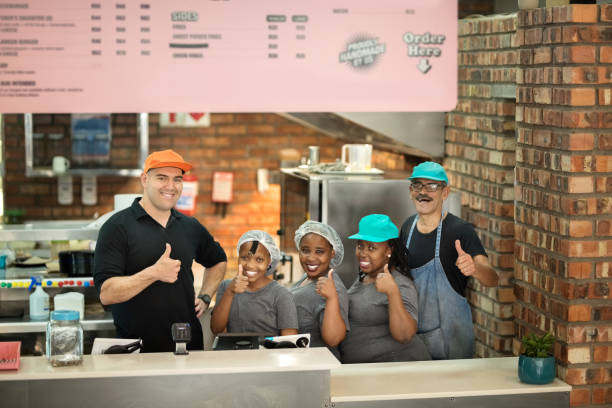
The beginning of the year witnessed a substantial wave of minimum wage hikes across various states, signaling a shift towards better compensation for low-wage workers. With 21 states implementing these increases as of January 1, the labor landscape in the US is experiencing significant changes. States such as Alaska, California, Colorado, and Washington took the lead in elevating their minimum wages to provide more sustainable earnings for their workforce.
The upsurge in minimum wages brings about crucial implications for both workers and businesses. For employees in low-paying jobs, these adjustments translate to improved income and better standards of living. On the other hand, businesses, especially small enterprises, may face challenges in adjusting to higher wage costs. However, proponents argue that higher wages can boost employee morale, productivity, and ultimately benefit businesses in the long term.
States like California have taken bold steps in enacting specific wage rates, such as the 'fast-food' wage of $20 an hour. The rejection of an $18 minimum wage increase by California voters underscores the complexities surrounding wage policies. Moreover, the approval of ballot measures in Missouri and Alaska reflects a growing public demand for fair wages. These state-level initiatives showcase the diverse approaches towards addressing income inequality and worker welfare.
Looking ahead, further increases in minimum wages are anticipated in 2025, indicating a continued trend towards higher wage standards. States and policymakers are under pressure to balance the need for equitable wages with economic sustainability. Additionally, the phased increments towards $15 or higher minimum wages in multiple states underline a gradual but determined effort to uplift low-income earners.
Apart from state-level changes, city and county minimum wage ordinances are also on the rise, highlighting a localized approach to addressing income disparities. The Inventory of U.S. city and county minimum wage ordinances by the University of California Berkeley Labor Center sheds light on the diversity of wage regulations at the local level. These nuanced approaches aim to cater to the unique economic dynamics of different regions.