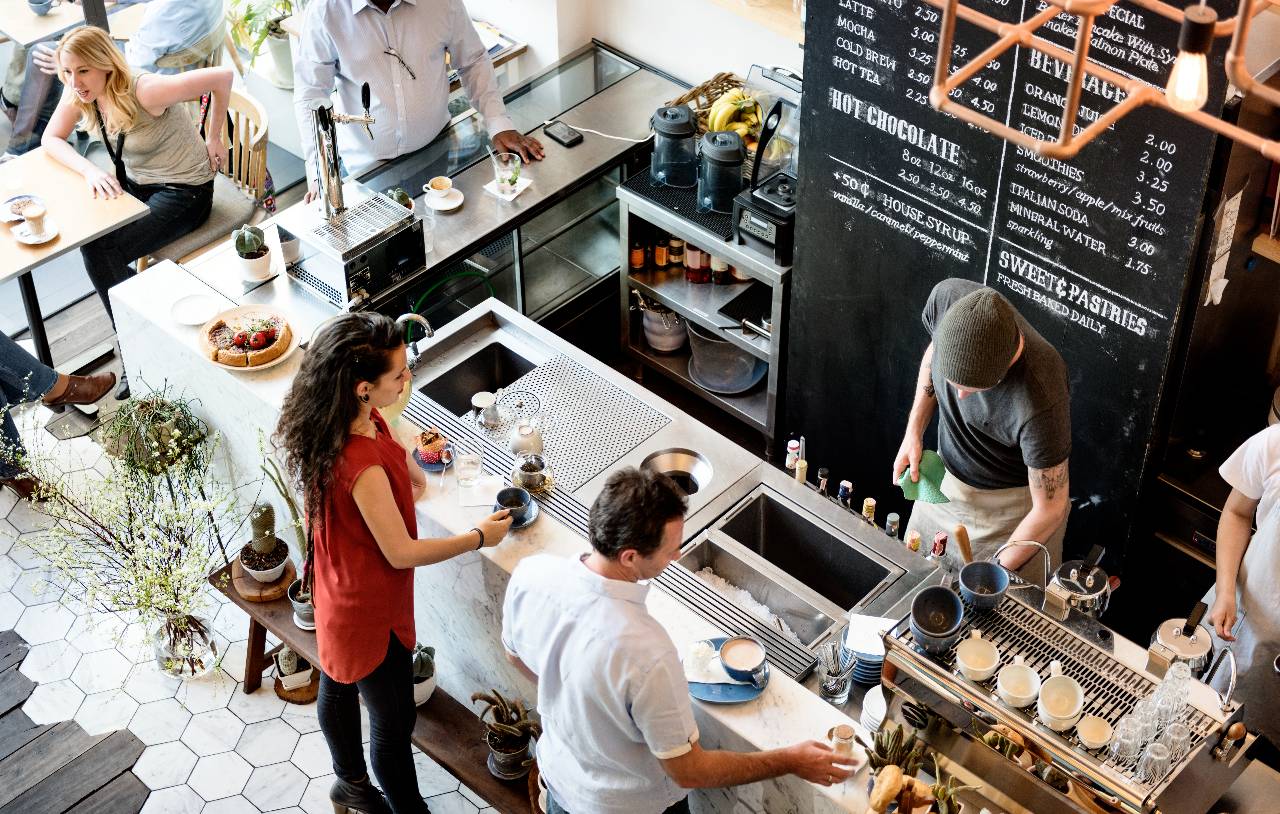
How Much Does It Cost to Open a Coffee Shop in 2026?
Opening a coffee shop in 2026 requires careful cost planning across rent, equipment, labor, technology, menu strategy, marketing, and sustainability.
operations
May 15, 2026
Opening a coffee shop in 2026 requires careful cost planning across rent, equipment, labor, technology, menu strategy, marketing, and sustainability.
May 15, 2026
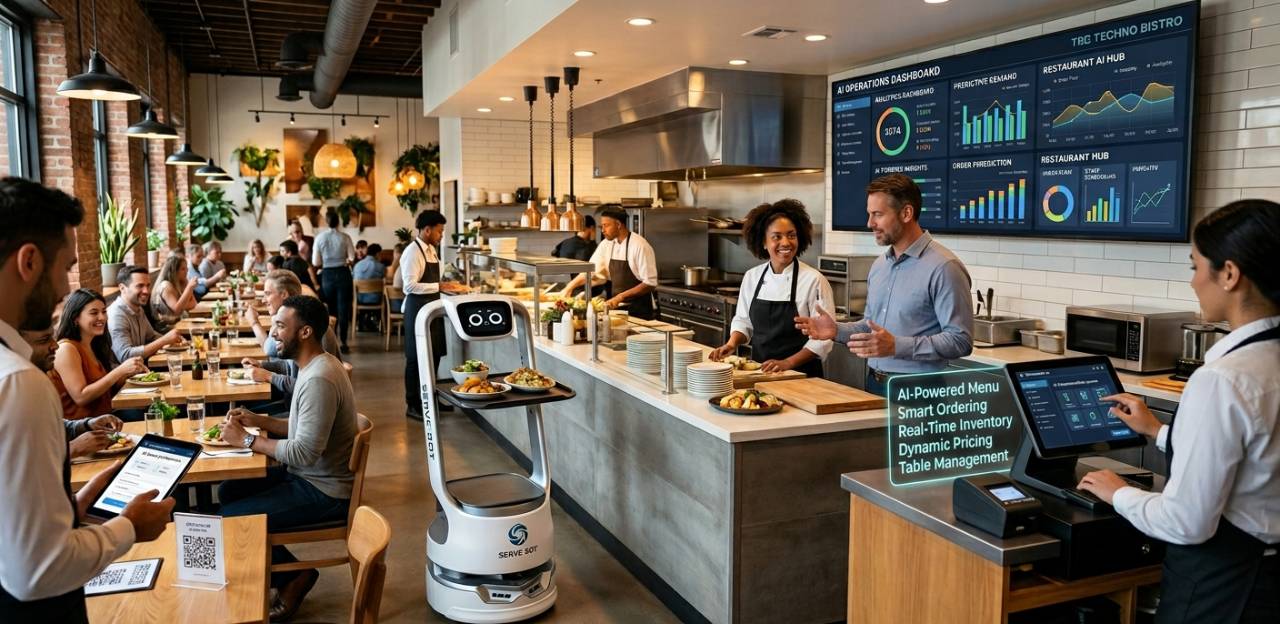
This AI playbook covers restaurant tools for voice ordering, staffing, compliance, menu pricing, inventory, marketing, ChatGPT prompts, and SEO.
May 15, 2026
Hardee’s giant Boddie-Noell inks 31-unit Scooter’s Coffee deal for NC and VA, leveraging drive-thru growth and local roots with rollout over 12–18 months.
May 15, 2026
Wingstop turns match weeks into a multi-sensory festival, aligning bold pop-ups with World Cup energy to build brand affinity and measurable momentum.
May 15, 2026
The parent company behind Dunkin', Buffalo Wild Wings, and Arby's has filed for an IPO a move that could reshape how Wall Street views the restaurant sector.
May 15, 2026

Learn how to develop a memorable restaurant brand identity that stands out in a crowded market, attracts loyal customers, and drives repeat business with actionable strategies and affordable tools.
May 15, 2026
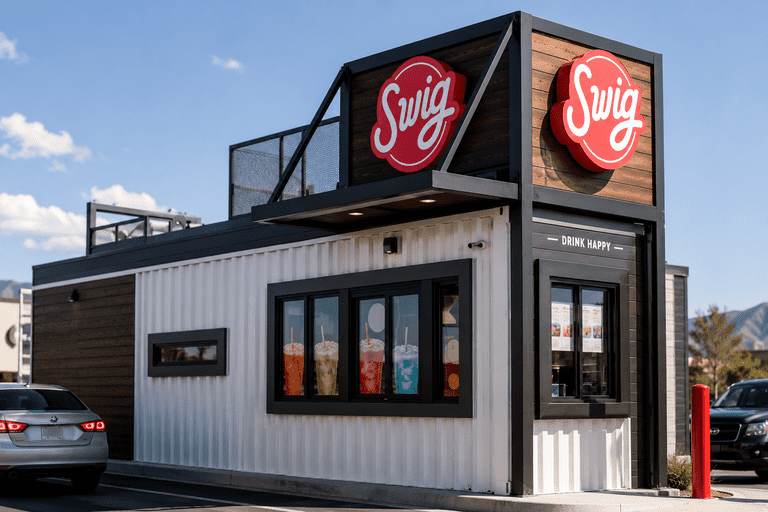
Dirty soda chain Swig is expanding into Colorado through a 10-unit franchise deal, riding a consumer beverage trend that's catching the attention of major QSR players nationwide.
May 15, 2026
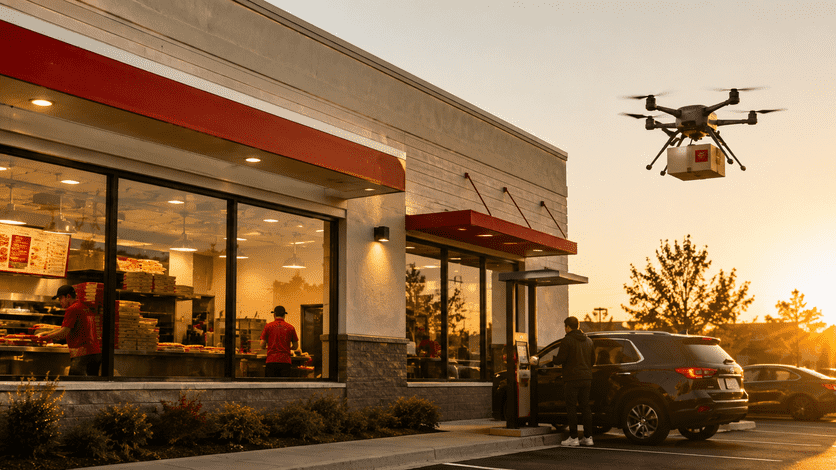
Papa Johns has teamed up with Alphabet's Wing for drone delivery of its new sandwich lineup in parts of Charlotte marking the first partnership of its kind between Wing and a national QSR brand.
May 15, 2026
A warm, expert-led look at McDonald’s Q1 results, menu makeover, and the refranchise question shaping its growth.
May 14, 2026
A reflective look at Habit Ranch, its immersive desert activation, and what it signals for brand loyalty and mindful, experiential dining.
May 14, 2026

Unlock Exclusive Access To Webinars, Events, And The Latest News For Free!
Explore how QSRs like Kystal are leveraging non-traditional locations to meet consumer demand, enhance efficiency, and expand franchising opportunities.

Photo by Krystal Wilson
Photo by Krystal Wilson
With the landscape of fast-food dining rapidly evolving, Quick-Service Restaurants (QSRs) like Kystal are strategically expanding their footprint through non-traditional avenues such as c-stores and travel plazas. This shift signifies a departure from conventional standalone restaurants to more versatile and convenient locations that cater to the dynamic lifestyles of today's consumers. By venturing into these alternative spaces, QSRs aim to capture a captive audience and introduce their brands to new customers.

Photo by Krystal Wilson
Consumer behavior is continuously changing, prompting establishments like Kystal to adapt and innovate. By offering fast and flexible dining spaces in high-traffic hubs like travel centers, QSRs can align better with the preferences of modern diners. The emphasis on efficiency and flexibility not only enhances the overall dining experience but also reflects a deep understanding of how consumers live and move in today's fast-paced world.
In an era where operational efficiency is key to success, Kystal is investing in innovative buildouts and operational strategies to streamline its processes. By optimizing operations, QSRs can reduce costs, improve service speed, and ensure consistency across locations. The focus on innovation not only benefits the business but also enhances the overall dining experience for customers.
For QSRs like Kystal, expanding through c-stores and travel plazas also opens up new franchising opportunities. By offering lower-cost franchising models and creating stronger unit economics, QSRs can attract more franchisees into their systems. This approach not only fuels growth but also allows for a more widespread presence, ultimately benefiting both the brand and aspiring entrepreneurs looking to enter the industry.