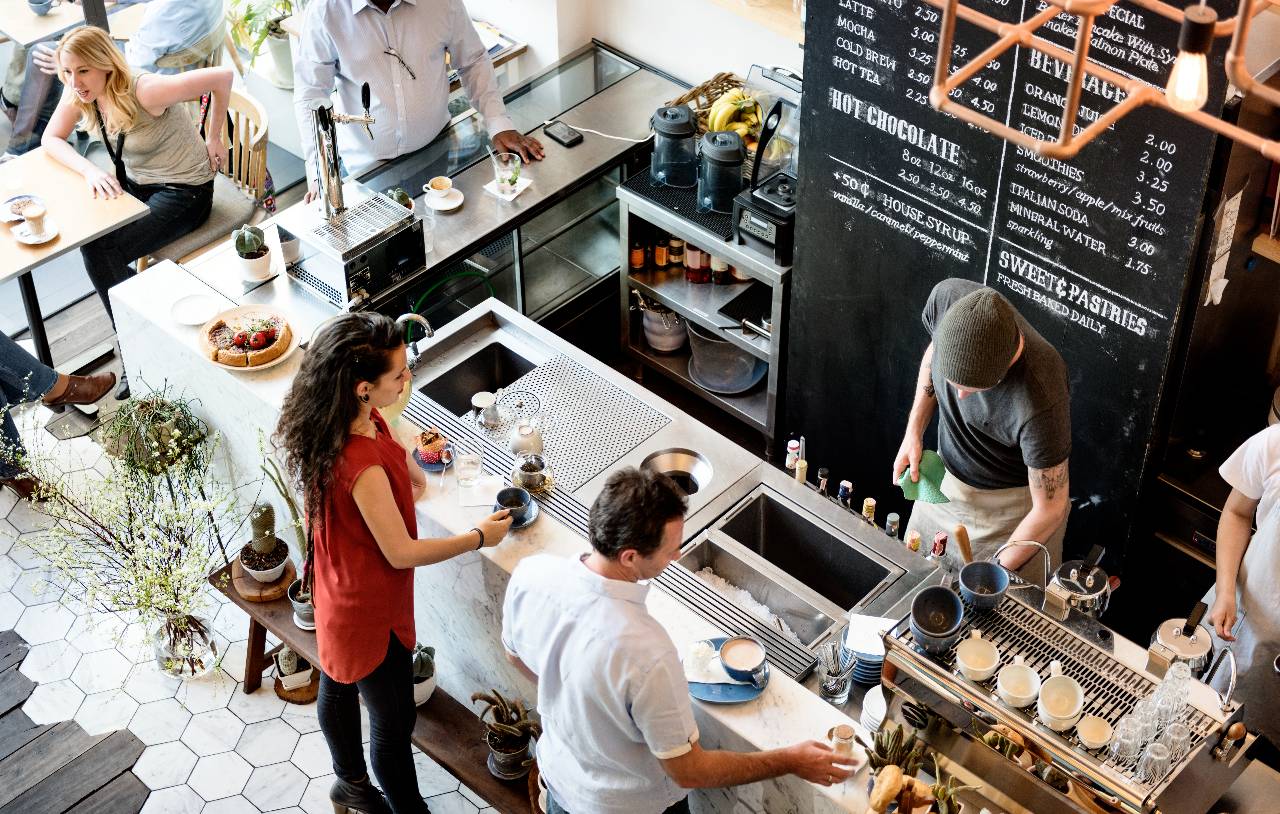
How Much Does It Cost to Open a Coffee Shop in 2026?
Opening a coffee shop in 2026 requires careful cost planning across rent, equipment, labor, technology, menu strategy, marketing, and sustainability.
operations
May 15, 2026
Opening a coffee shop in 2026 requires careful cost planning across rent, equipment, labor, technology, menu strategy, marketing, and sustainability.
May 15, 2026
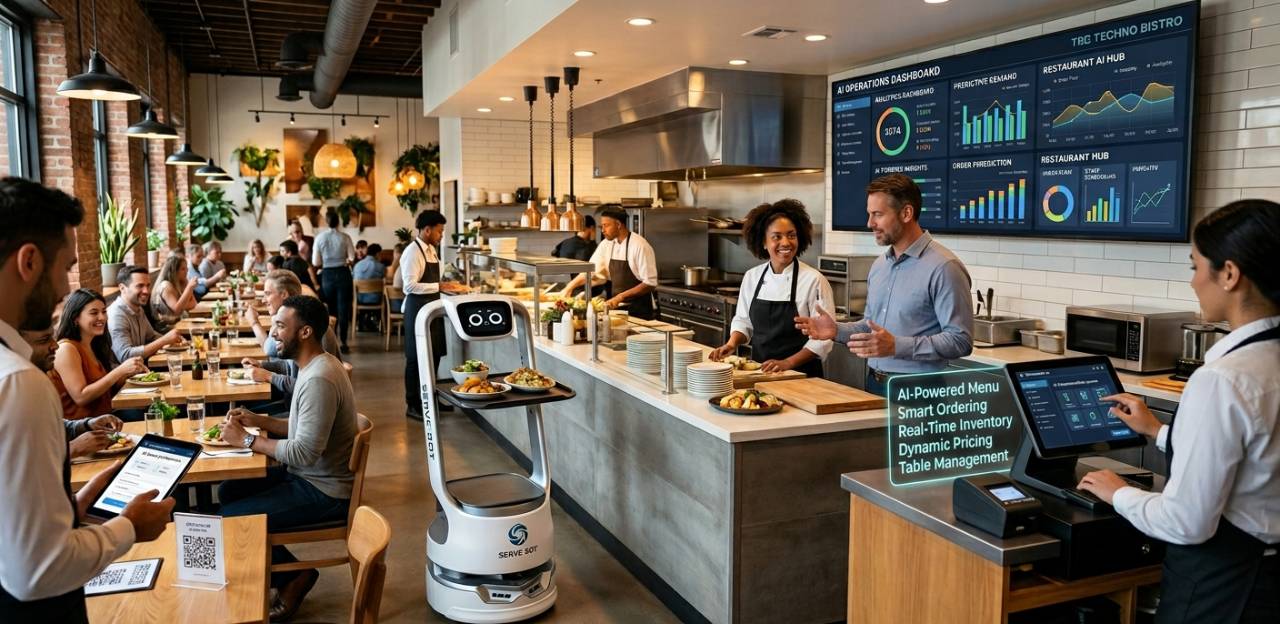
This AI playbook covers restaurant tools for voice ordering, staffing, compliance, menu pricing, inventory, marketing, ChatGPT prompts, and SEO.
May 15, 2026
Hardee’s giant Boddie-Noell inks 31-unit Scooter’s Coffee deal for NC and VA, leveraging drive-thru growth and local roots with rollout over 12–18 months.
May 15, 2026
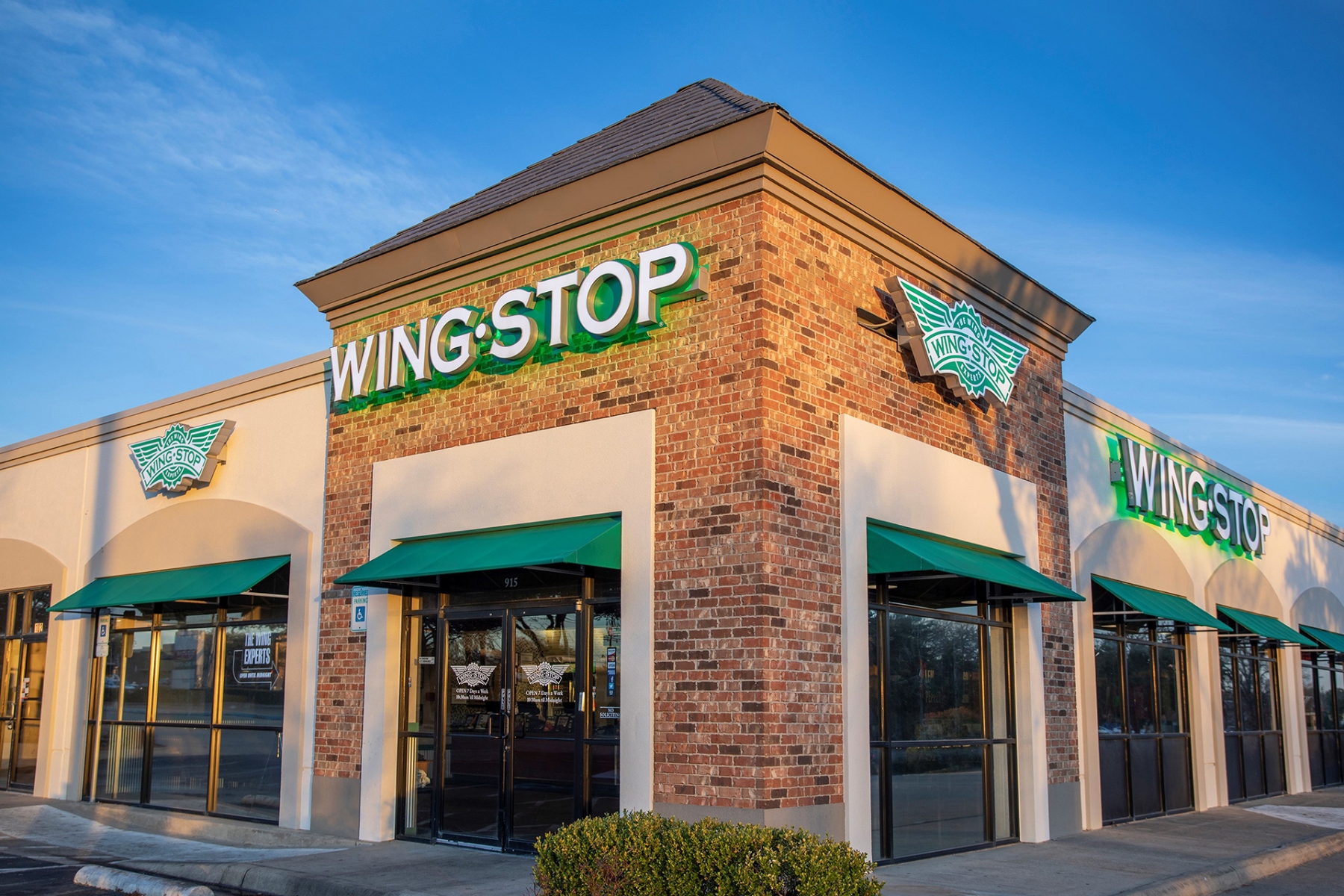
Wingstop turns match weeks into a multi-sensory festival, aligning bold pop-ups with World Cup energy to build brand affinity and measurable momentum.
May 15, 2026
The parent company behind Dunkin', Buffalo Wild Wings, and Arby's has filed for an IPO a move that could reshape how Wall Street views the restaurant sector.
May 15, 2026
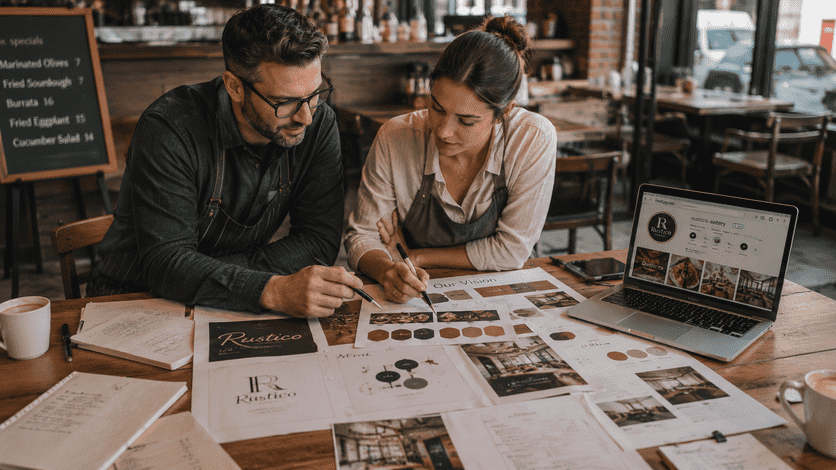
Learn how to develop a memorable restaurant brand identity that stands out in a crowded market, attracts loyal customers, and drives repeat business with actionable strategies and affordable tools.
May 15, 2026
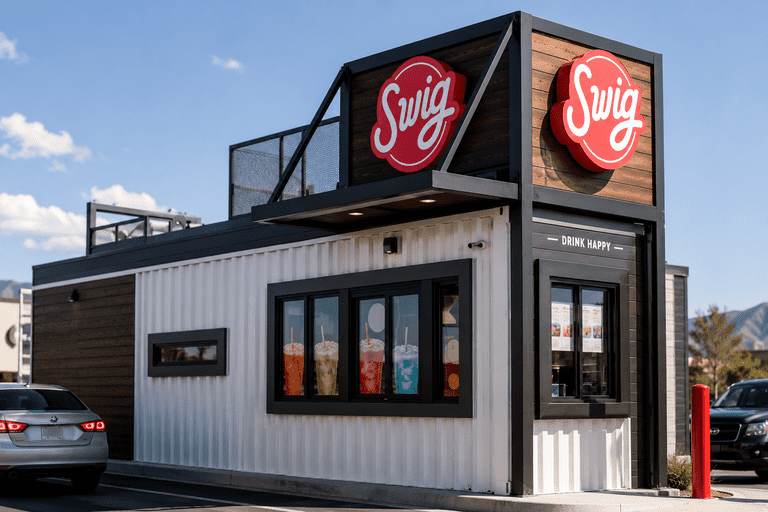
Dirty soda chain Swig is expanding into Colorado through a 10-unit franchise deal, riding a consumer beverage trend that's catching the attention of major QSR players nationwide.
May 15, 2026
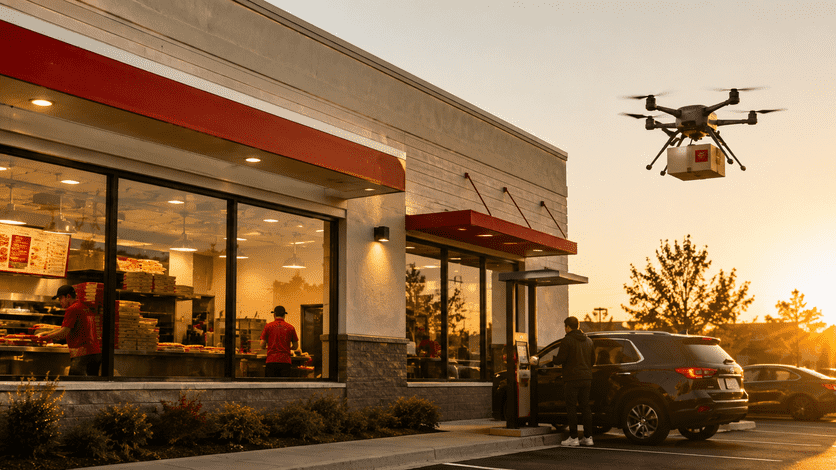
Papa Johns has teamed up with Alphabet's Wing for drone delivery of its new sandwich lineup in parts of Charlotte marking the first partnership of its kind between Wing and a national QSR brand.
May 15, 2026
A warm, expert-led look at McDonald’s Q1 results, menu makeover, and the refranchise question shaping its growth.
May 14, 2026
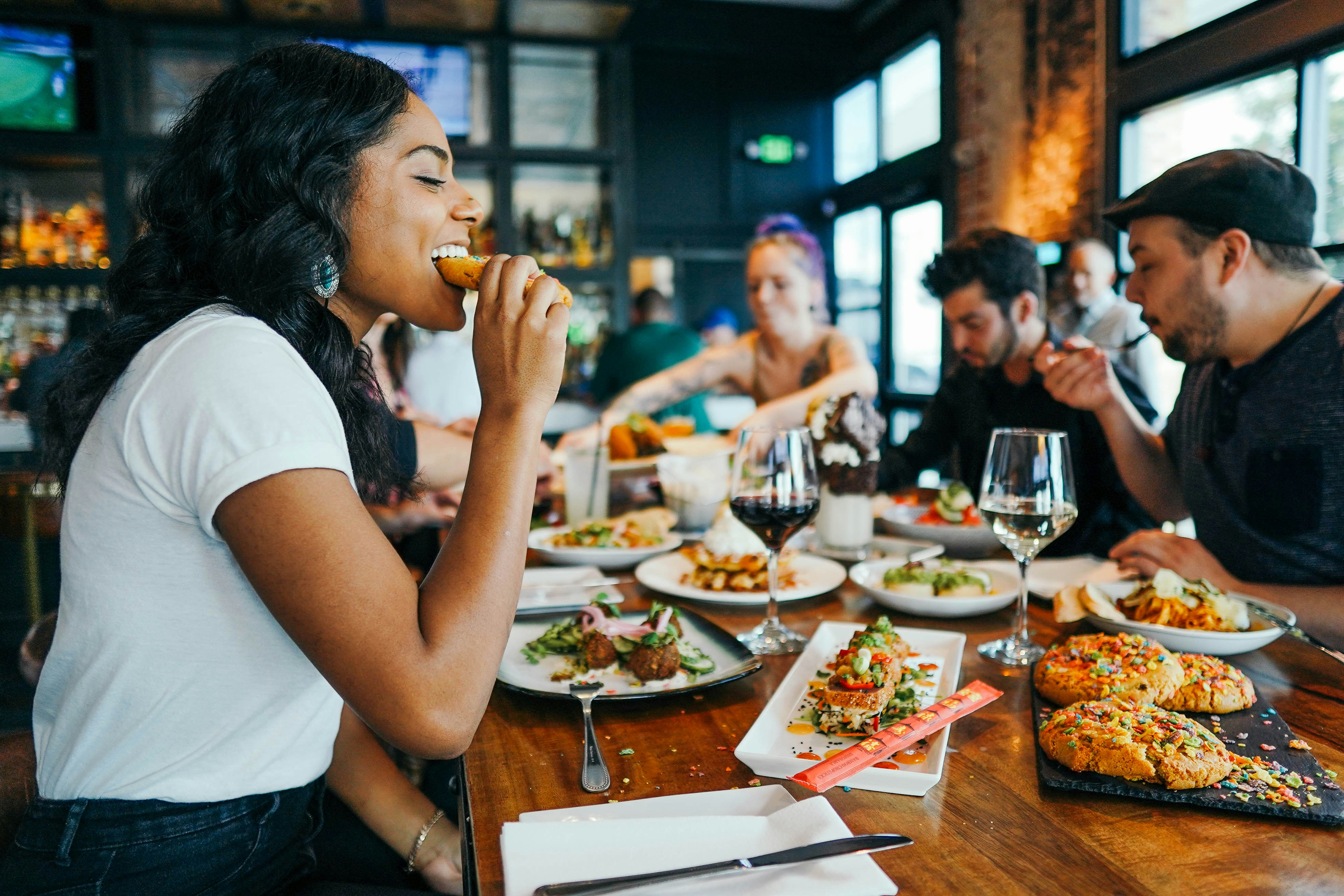
A reflective look at Habit Ranch, its immersive desert activation, and what it signals for brand loyalty and mindful, experiential dining.
May 14, 2026

Unlock Exclusive Access To Webinars, Events, And The Latest News For Free!
Explore how Potbelly's innovative approach to store design is reshaping franchise operations, boosting efficiency, and driving cost savings.
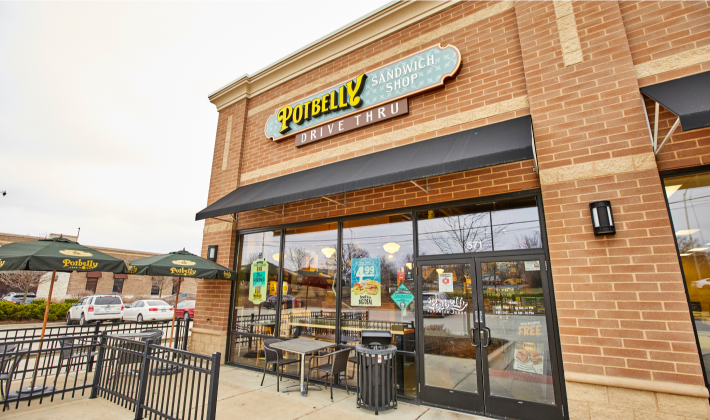
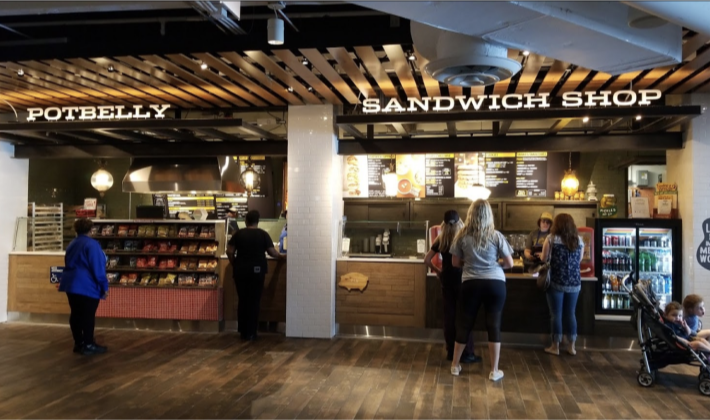
Potbelly's introduction of a smaller store design represents a significant shift in the franchise industry, aiming to combat inflation and enhance operational efficiency. With a reduced footprint of 1,800 square feet, this new prototype integrates cutting-edge features like a customized-drink station and strategically positioned pickup shelves. By streamlining the layout and optimizing space utilization, Potbelly is setting a new standard for operational effectiveness within its franchise network.
CEO Bob Wright's emphasis on cost-effective solutions underscores the importance of the new store design in mitigating inflationary pressures. The smaller footprint not only leads to lower construction expenses but also facilitates quicker build times, offering a competitive edge in a challenging market environment. With over 200 future shops projected to adopt this design, Potbelly is poised to achieve its ambitious goal of 2,000 units in the U.S., signaling accelerated growth and enhanced franchisee satisfaction.
The 'kit of parts' approach to the new prototype allows franchisees to adapt the design to various real estate settings, increasing flexibility and expanding market opportunities. By optimizing the layout and construction process, Potbelly is not only reducing occupancy costs but also empowering franchisees to make efficient and informed real estate decisions. This adaptability opens doors to new locations and market segments previously inaccessible to larger-format stores.
The incorporation of Potbelly Digital Kitchens and streamlined pickup processes in the new design underscores the company's commitment to enhancing customer experience. By centralizing digital order fulfillment and optimizing service flow, Potbelly is meeting the evolving needs of a tech-savvy consumer base. The consistent digital signage and ergonomic layout not only improve operational efficiency but also create a more seamless and personalized experience for patrons.
Potbelly's focus on sustainability, evidenced by in-house manufacturing and recycling initiatives, aligns with modern consumer preferences for eco-conscious brands. By prioritizing locally sourced materials and custom artwork, Potbelly maintains a unique brand identity while reducing environmental impact. The combination of handmade elements and neighborhood-specific artwork cultivates a sense of community and authenticity, setting Potbelly apart in a competitive market landscape.