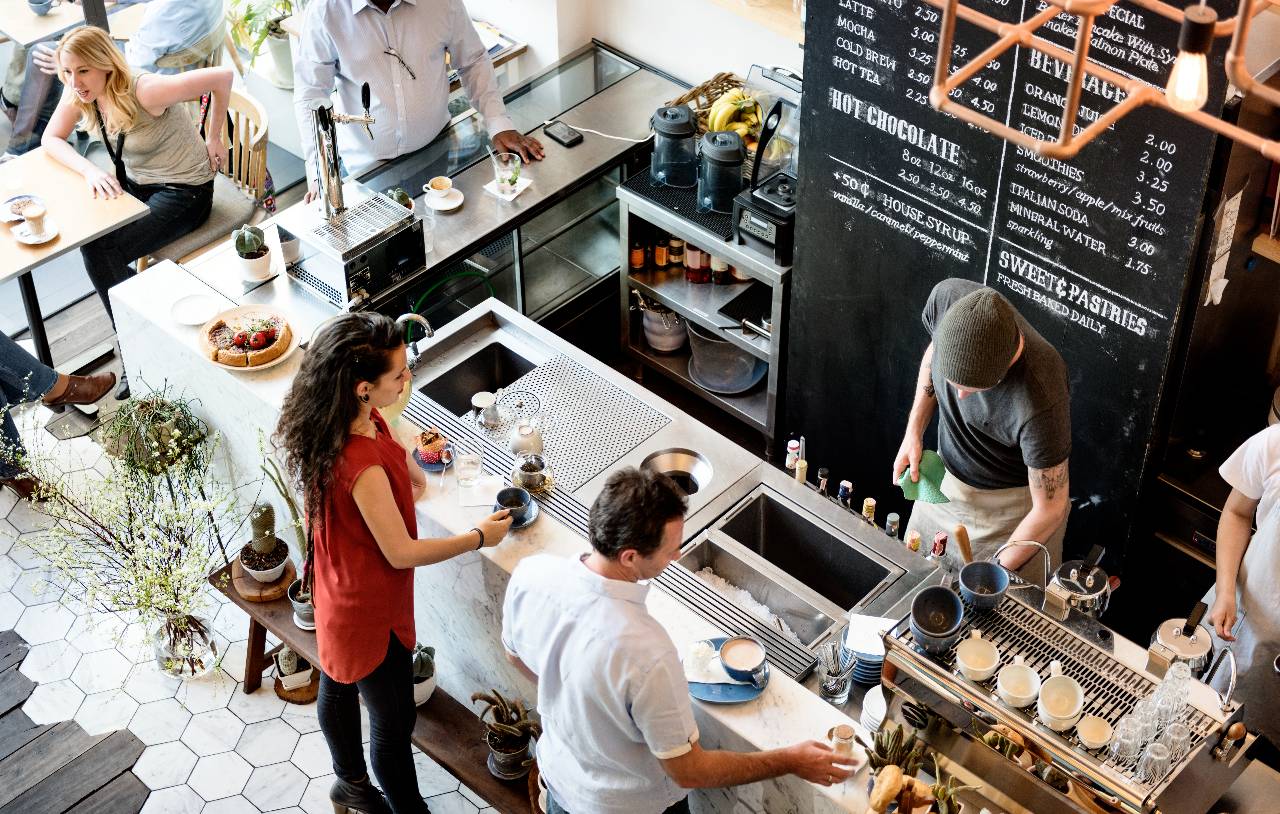
How Much Does It Cost to Open a Coffee Shop in 2026?
Opening a coffee shop in 2026 requires careful cost planning across rent, equipment, labor, technology, menu strategy, marketing, and sustainability.
operations
May 15, 2026
Opening a coffee shop in 2026 requires careful cost planning across rent, equipment, labor, technology, menu strategy, marketing, and sustainability.
May 15, 2026
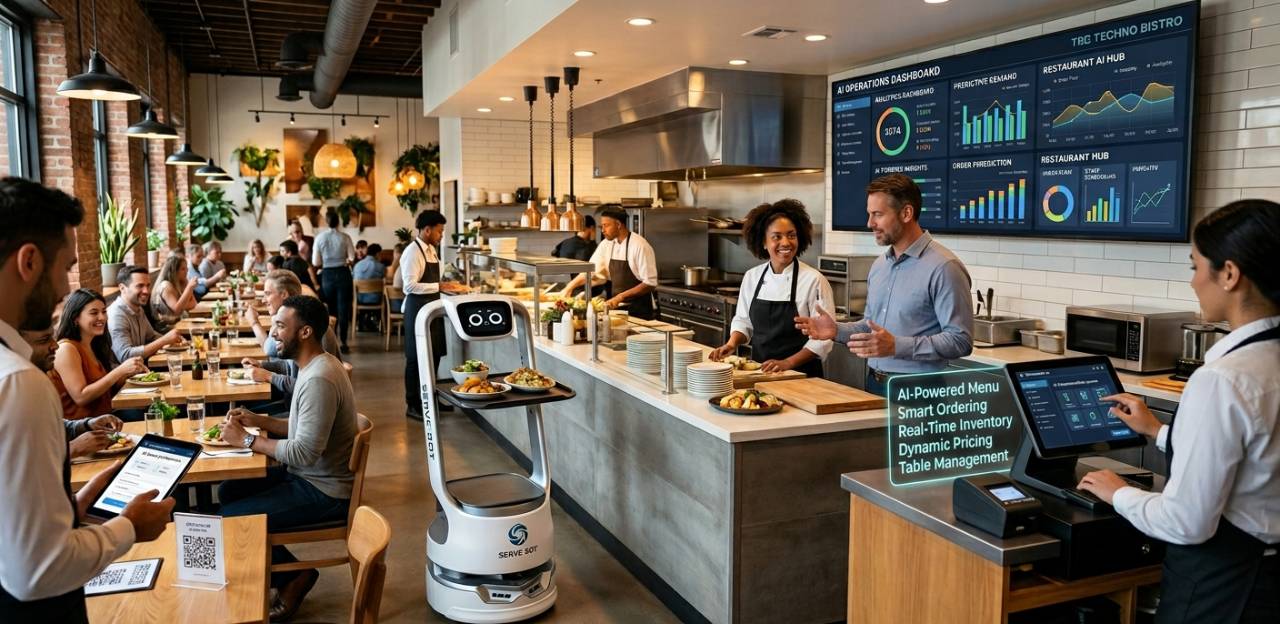
This AI playbook covers restaurant tools for voice ordering, staffing, compliance, menu pricing, inventory, marketing, ChatGPT prompts, and SEO.
May 15, 2026
Hardee’s giant Boddie-Noell inks 31-unit Scooter’s Coffee deal for NC and VA, leveraging drive-thru growth and local roots with rollout over 12–18 months.
May 15, 2026
Wingstop turns match weeks into a multi-sensory festival, aligning bold pop-ups with World Cup energy to build brand affinity and measurable momentum.
May 15, 2026
The parent company behind Dunkin', Buffalo Wild Wings, and Arby's has filed for an IPO a move that could reshape how Wall Street views the restaurant sector.
May 15, 2026
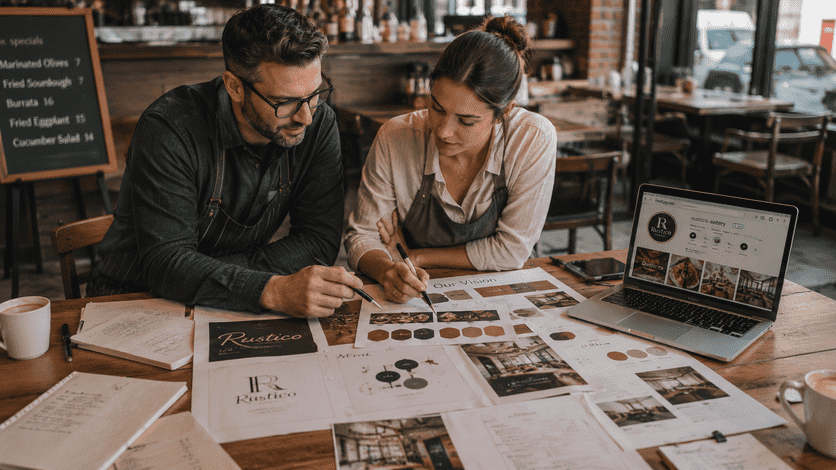
Learn how to develop a memorable restaurant brand identity that stands out in a crowded market, attracts loyal customers, and drives repeat business with actionable strategies and affordable tools.
May 15, 2026
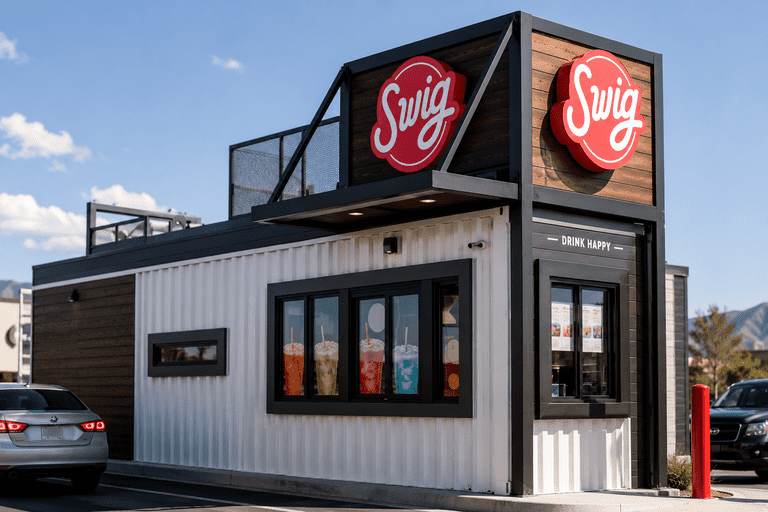
Dirty soda chain Swig is expanding into Colorado through a 10-unit franchise deal, riding a consumer beverage trend that's catching the attention of major QSR players nationwide.
May 15, 2026
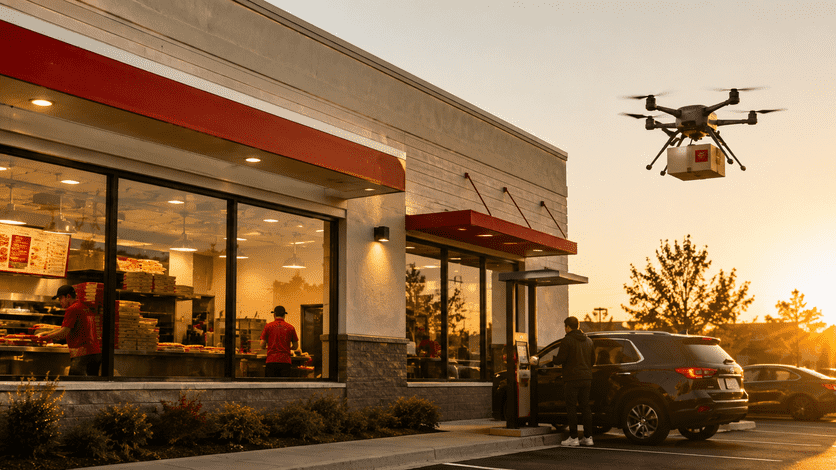
Papa Johns has teamed up with Alphabet's Wing for drone delivery of its new sandwich lineup in parts of Charlotte marking the first partnership of its kind between Wing and a national QSR brand.
May 15, 2026
A warm, expert-led look at McDonald’s Q1 results, menu makeover, and the refranchise question shaping its growth.
May 14, 2026
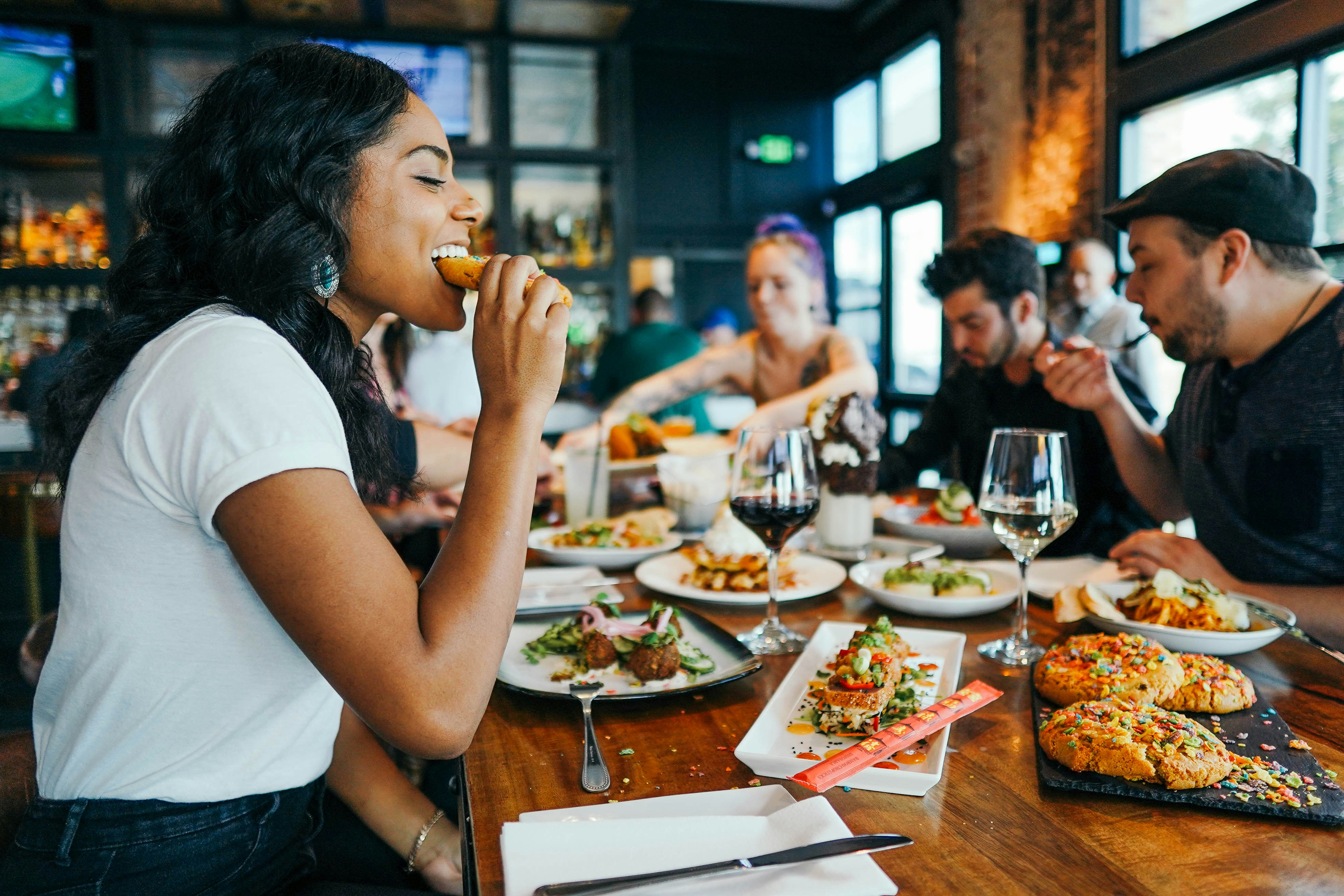
A reflective look at Habit Ranch, its immersive desert activation, and what it signals for brand loyalty and mindful, experiential dining.
May 14, 2026

Unlock Exclusive Access To Webinars, Events, And The Latest News For Free!
Discover how Taco Bell is leveraging fan creativity, mobile ordering, and rewards to enhance customer engagement and drive innovation in the fast food industry.
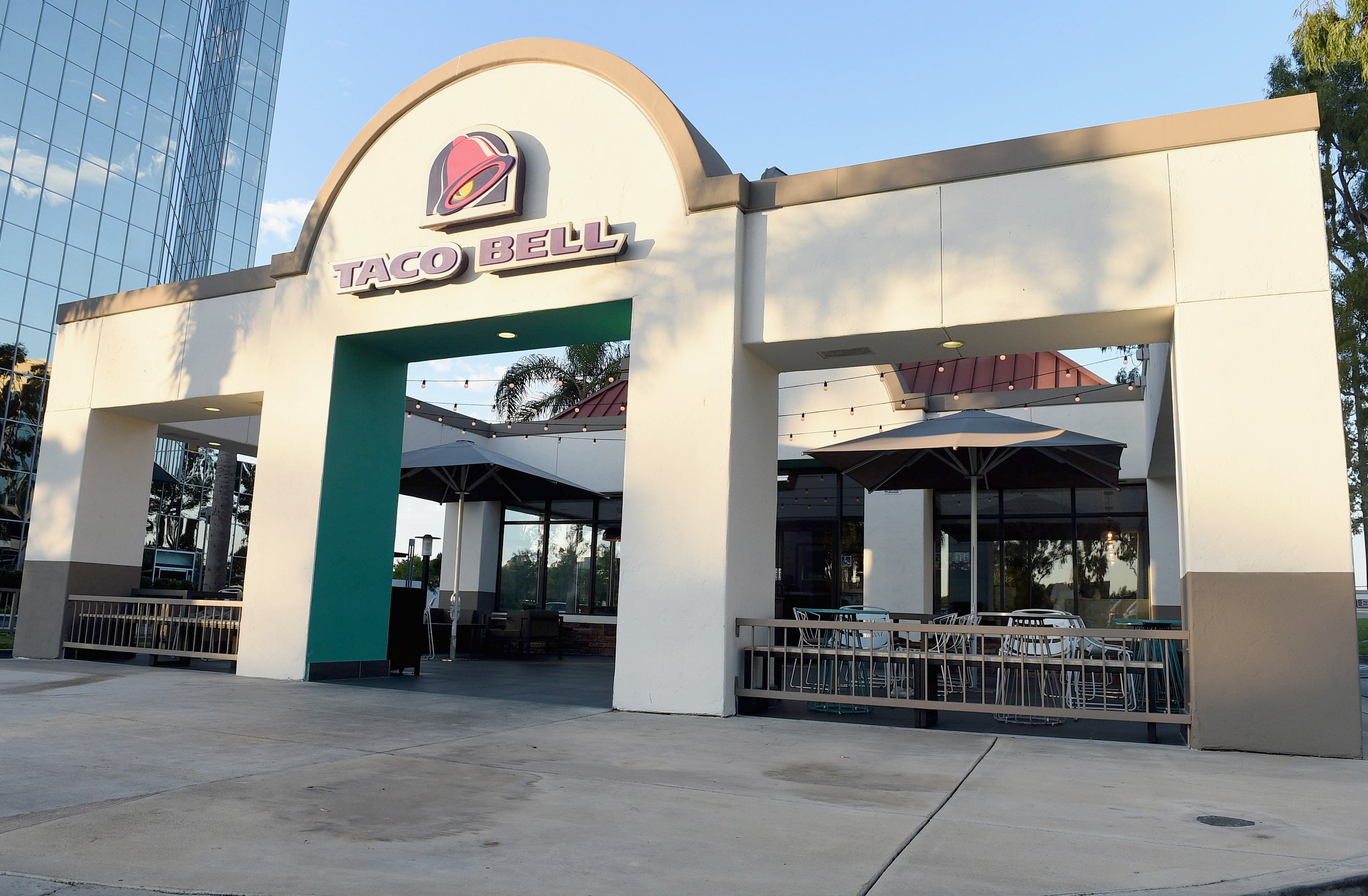
In today's fast-paced digital age, fast food chains like Taco Bell are recognizing the immense power of customer creativity. By tapping into the trend of 'hacks' and encouraging fans to get creative with their orders, Taco Bell is not only fostering a sense of community but also leveraging user-generated content to enhance brand engagement. Through initiatives like Fan Style, where custom creations are integrated with advertising and mobile ordering, Taco Bell is empowering customers to become co-creators of their dining experiences.
To incentivize and reward this culture of innovation, Taco Bell has introduced a unique system where creators of custom orders receive the monetary value of their creation in rewards. This not only adds a gamified element to the dining experience but also encourages customers to push the boundaries of traditional fast food offerings. Moreover, the opportunity for select custom items to feature on the national menu for a limited time further motivates customers to showcase their creativity and culinary flair.
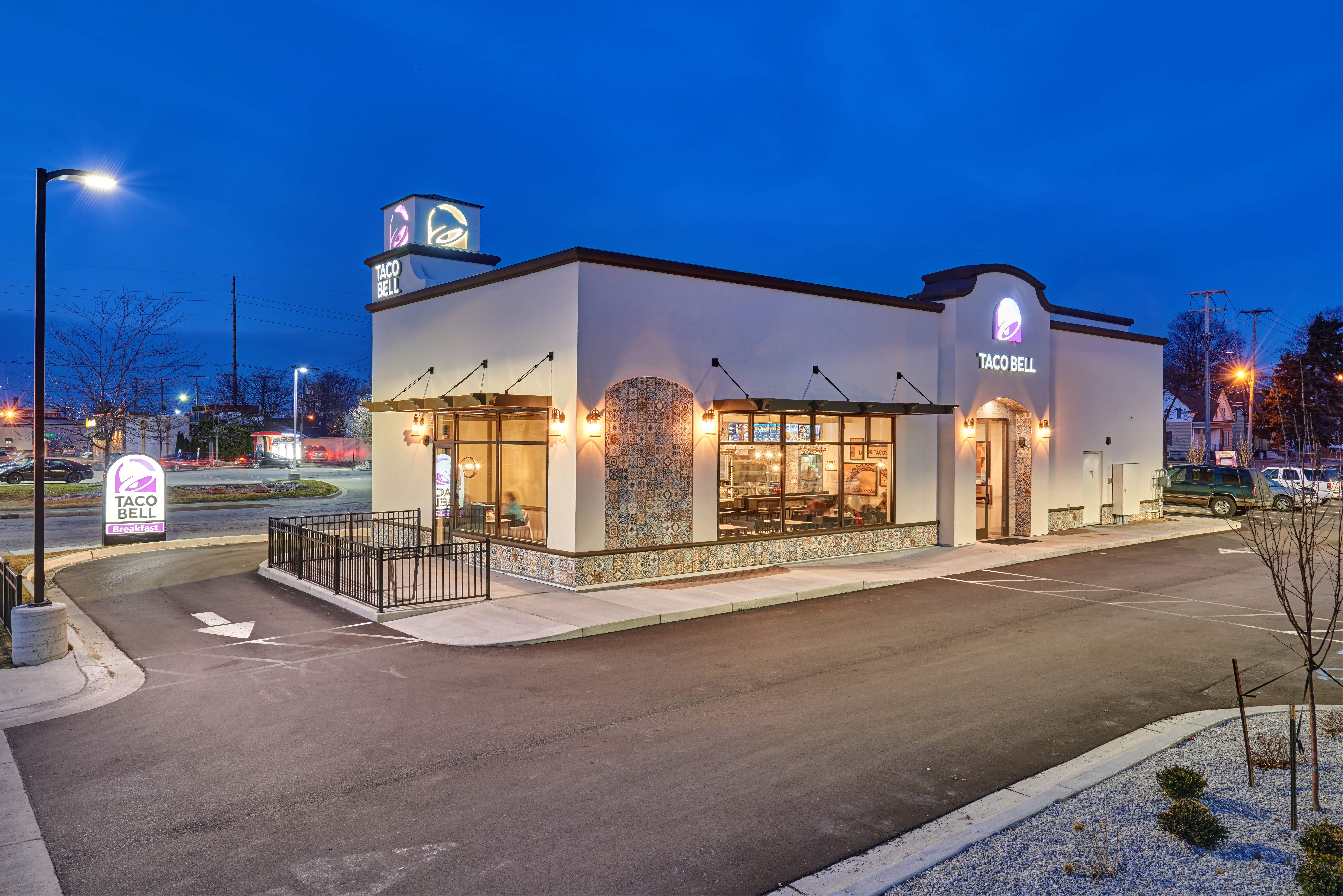
Mobile apps have revolutionized the way customers interact with fast food chains, providing unparalleled convenience and personalization. Taco Bell's emphasis on mobile ordering aligns with the broader industry trend, where quick-service restaurants (QSRs) are leveraging apps to streamline the ordering process, enhance loyalty programs, and capture valuable consumer data. By integrating user-generated content with mobile platforms, Taco Bell is not only enhancing accessibility but also fostering a digital ecosystem that encourages continuous customer engagement.
In an industry once known for standardization and speed, the shift towards customizability has become a key differentiator for fast food chains. Burger King's long-standing strategy of offering customization options has paved the way for other brands to follow suit. By allowing customers to tailor their orders to their preferences, fast food chains can create more personalized and memorable dining experiences, ultimately setting themselves apart in a crowded market.
The demand for personalized interactions is reshaping customer expectations across industries, including fast food. By empowering customers to create their own culinary masterpieces and have them recognized and rewarded, Taco Bell is not only driving immediate engagement but also fostering long-term brand loyalty. As consumers seek more meaningful connections with brands, the ability to customize and participate in the product development process can be a powerful tool for building lasting relationships and generating brand advocacy.
Yum! Brands' impressive revenue growth in the first quarter of 2025, driven in part by Taco Bell's accelerated digital momentum and advertising efforts, underscores the effectiveness of the chain's strategies. As in-store sales continue to thrive, Taco Bell's focus on digital innovation and customer engagement is paying dividends. By staying ahead of industry trends and capitalizing on the digital shift in consumer behavior, Taco Bell has positioned itself as a frontrunner in the fast food landscape.