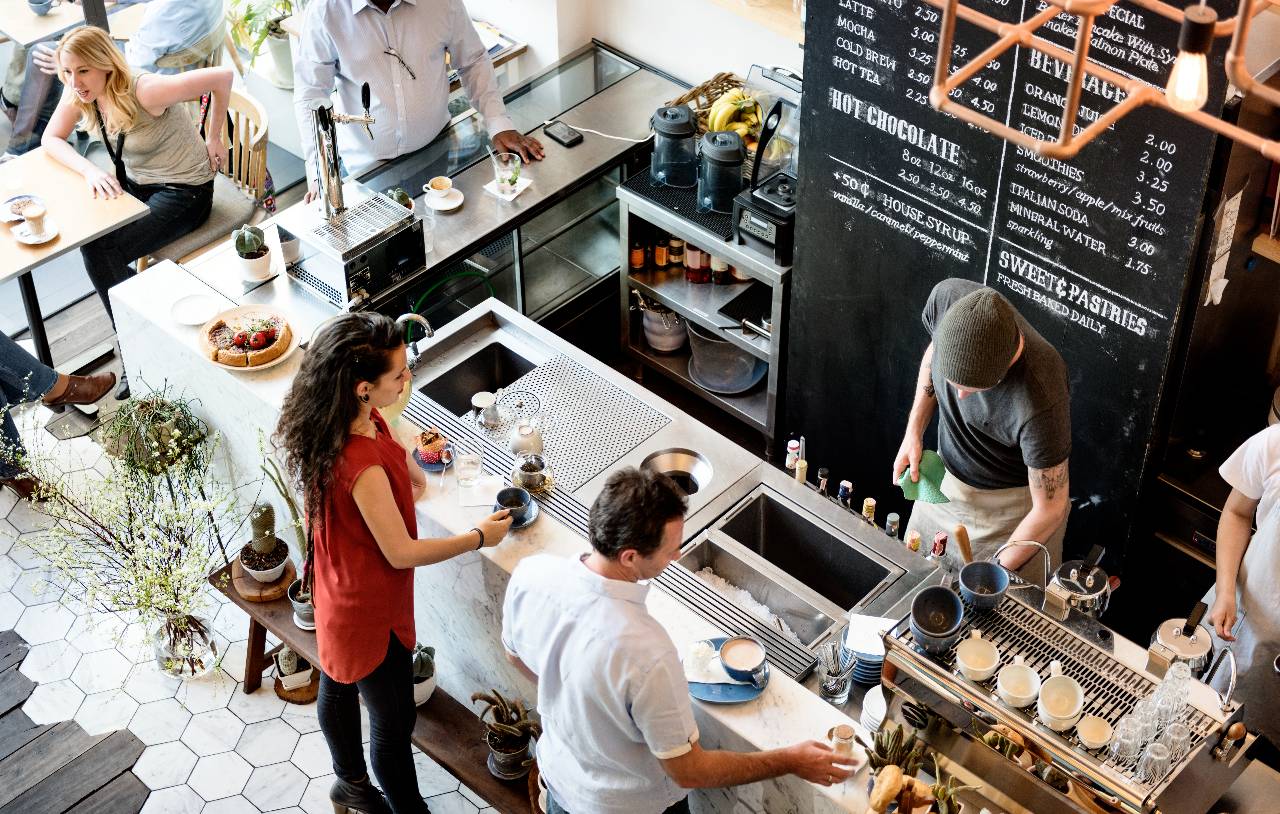
How Much Does It Cost to Open a Coffee Shop in 2026?
Opening a coffee shop in 2026 requires careful cost planning across rent, equipment, labor, technology, menu strategy, marketing, and sustainability.
operations
May 15, 2026
Opening a coffee shop in 2026 requires careful cost planning across rent, equipment, labor, technology, menu strategy, marketing, and sustainability.
May 15, 2026
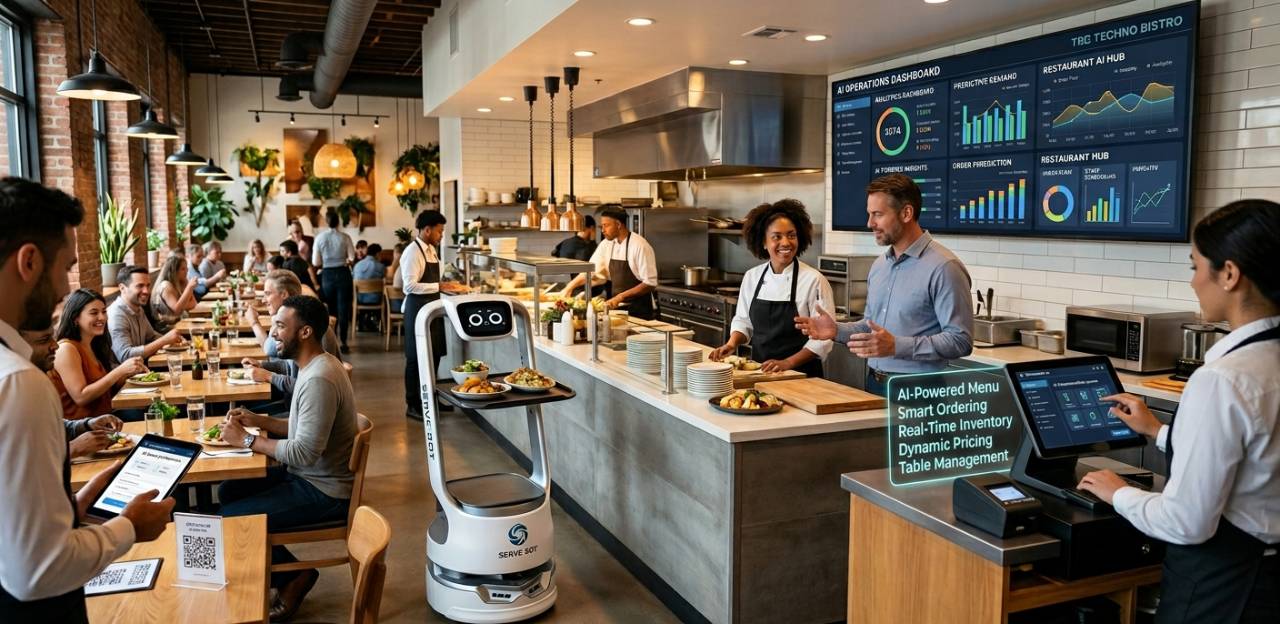
This AI playbook covers restaurant tools for voice ordering, staffing, compliance, menu pricing, inventory, marketing, ChatGPT prompts, and SEO.
May 15, 2026
Hardee’s giant Boddie-Noell inks 31-unit Scooter’s Coffee deal for NC and VA, leveraging drive-thru growth and local roots with rollout over 12–18 months.
May 15, 2026
Wingstop turns match weeks into a multi-sensory festival, aligning bold pop-ups with World Cup energy to build brand affinity and measurable momentum.
May 15, 2026
The parent company behind Dunkin', Buffalo Wild Wings, and Arby's has filed for an IPO a move that could reshape how Wall Street views the restaurant sector.
May 15, 2026

Learn how to develop a memorable restaurant brand identity that stands out in a crowded market, attracts loyal customers, and drives repeat business with actionable strategies and affordable tools.
May 15, 2026
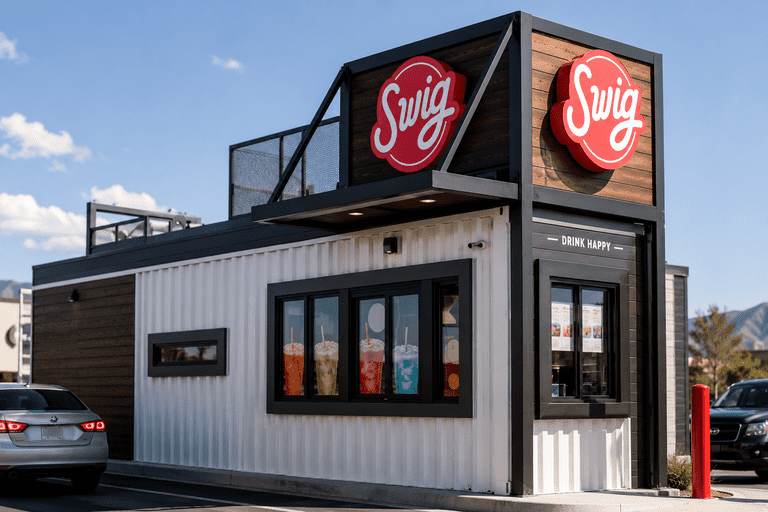
Dirty soda chain Swig is expanding into Colorado through a 10-unit franchise deal, riding a consumer beverage trend that's catching the attention of major QSR players nationwide.
May 15, 2026
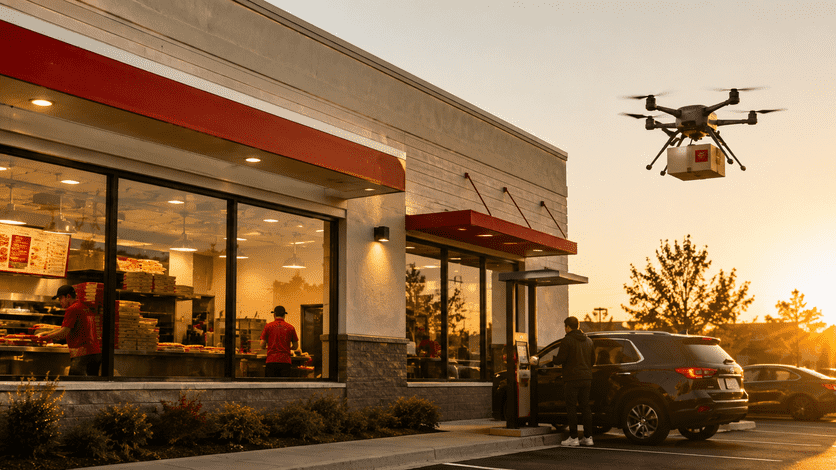
Papa Johns has teamed up with Alphabet's Wing for drone delivery of its new sandwich lineup in parts of Charlotte marking the first partnership of its kind between Wing and a national QSR brand.
May 15, 2026
A warm, expert-led look at McDonald’s Q1 results, menu makeover, and the refranchise question shaping its growth.
May 14, 2026
A reflective look at Habit Ranch, its immersive desert activation, and what it signals for brand loyalty and mindful, experiential dining.
May 14, 2026

Unlock Exclusive Access To Webinars, Events, And The Latest News For Free!
Explore how Starbucks plans to address its business challenges and enhance customer experience to drive growth in the future.
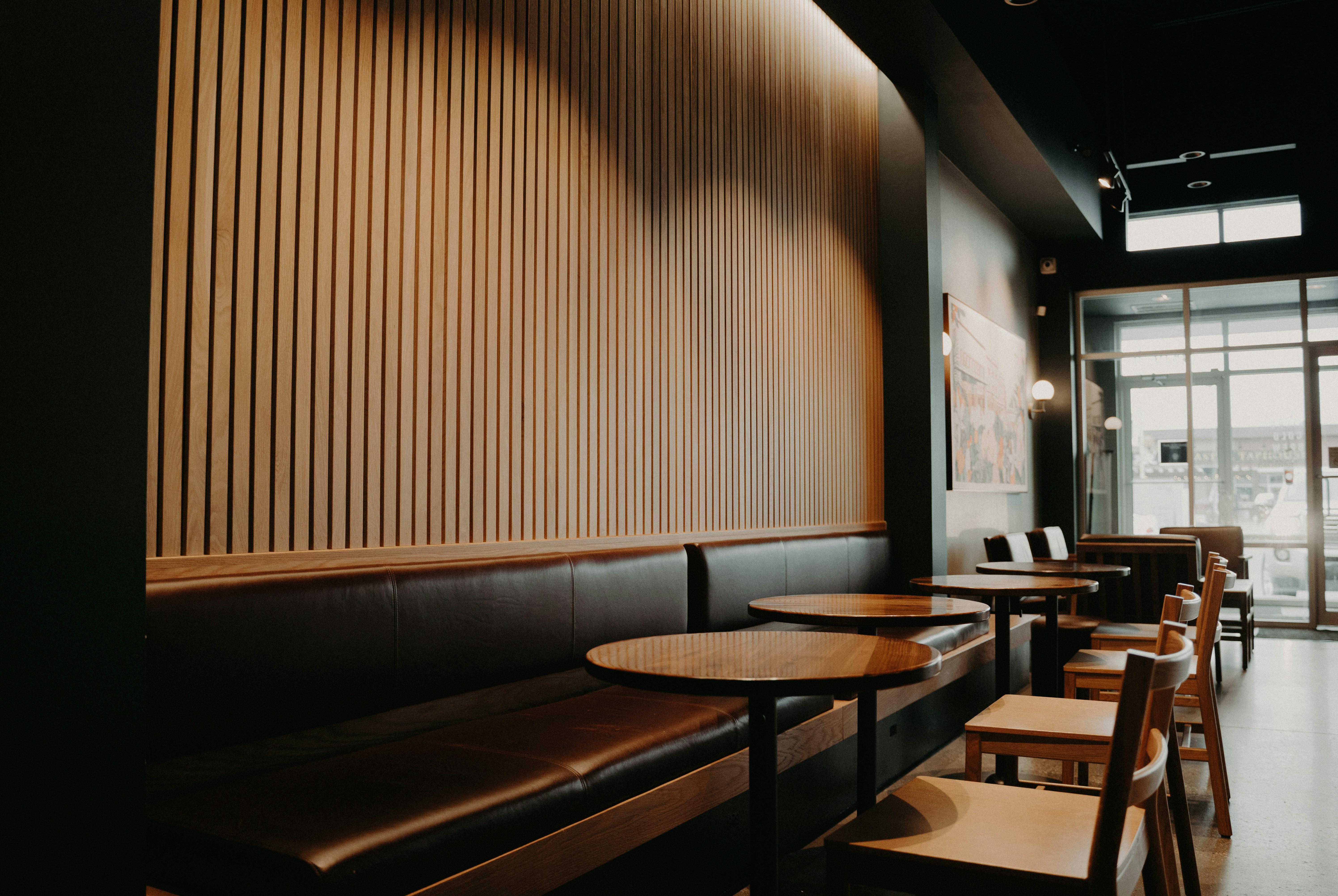
Photo by 99.films
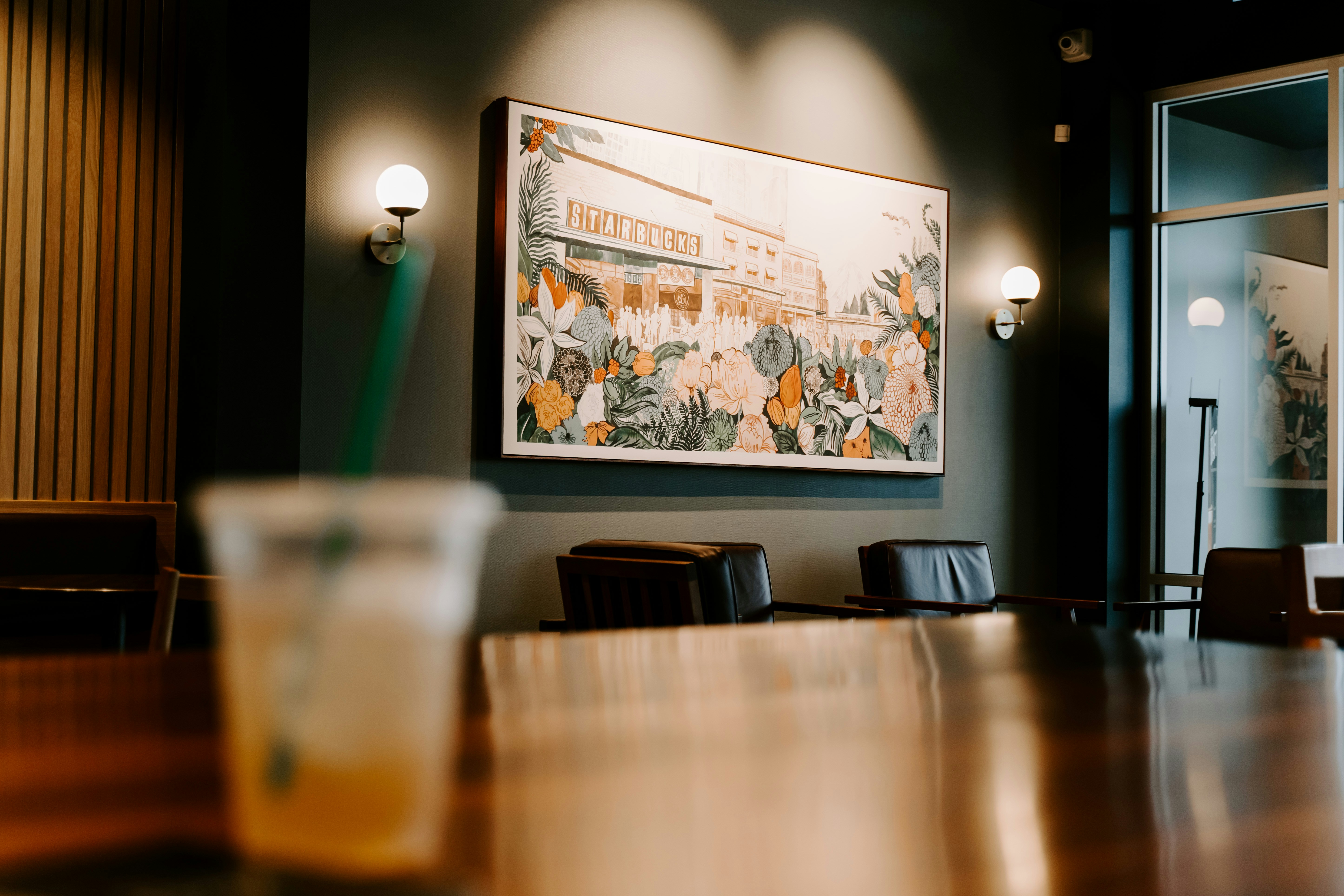
Photo by 99.films
With Starbucks facing business challenges and a decline in sales, new CEO Brian Niccol has outlined a strategic roadmap to revamp the company's approach and improve customer experience. Niccol emphasized five key areas of concentration to address the issues plaguing Starbucks and steer the brand back towards growth and profitability.
Niccol highlighted five critical areas for Starbucks' focus moving forward: coffee product development, addressing barista needs, enhancing customer experience during peak hours, emphasizing community engagement, and overhauling the brand architecture. These strategic pillars are aimed at reconnecting with customers, resolving operational challenges, and reigniting interest in the Starbucks brand.
Photo by 99.films
One of the key areas of focus for Starbucks is coffee product development. By introducing innovative and appealing beverage options, Starbucks aims to attract both new and existing customers. This strategy involves creating unique and exciting coffee-based products that resonate with consumer preferences and market trends.
Photo by 99.films
Starbucks recognizes the importance of its baristas in delivering a high-quality customer experience. By prioritizing barista training, support, and well-being, Starbucks aims to enhance service efficiency and customer satisfaction. Investing in barista development and creating a positive work environment can lead to improved customer interactions and operational excellence.
During peak hours, customer experience plays a crucial role in retaining business. Starbucks aims to streamline processes, reduce wait times, and ensure consistency in service quality during busy periods. By optimizing operations and staffing levels, Starbucks can better meet customer demands and enhance the overall in-store experience.
Community engagement is vital for building brand loyalty and creating a welcoming atmosphere in Starbucks stores. By fostering relationships with local communities, supporting social causes, and creating spaces for customers to connect, Starbucks can strengthen its brand presence and resonate with diverse consumer segments. This community-centric approach can enhance customer loyalty and drive repeat business.
Realigning the brand architecture is crucial for reinforcing Starbucks' identity and values. A brand overhaul can involve refining messaging, visual elements, store designs, and overall brand positioning to ensure consistency and relevance in the market. By modernizing and unifying the brand experience, Starbucks can enhance its appeal to customers and differentiate itself in a competitive industry.

Photo by 99.films
As Starbucks navigates a period of transition and implements strategic changes, the brand is poised to redefine its future trajectory. By focusing on coffee product innovation, barista empowerment, peak-hour efficiency, community engagement, and brand revitalization, Starbucks aims to regain customer trust, drive traffic, and fuel growth. Through these targeted initiatives, Starbucks is setting the stage for a revitalized customer experience and a reinvigorated brand identity.