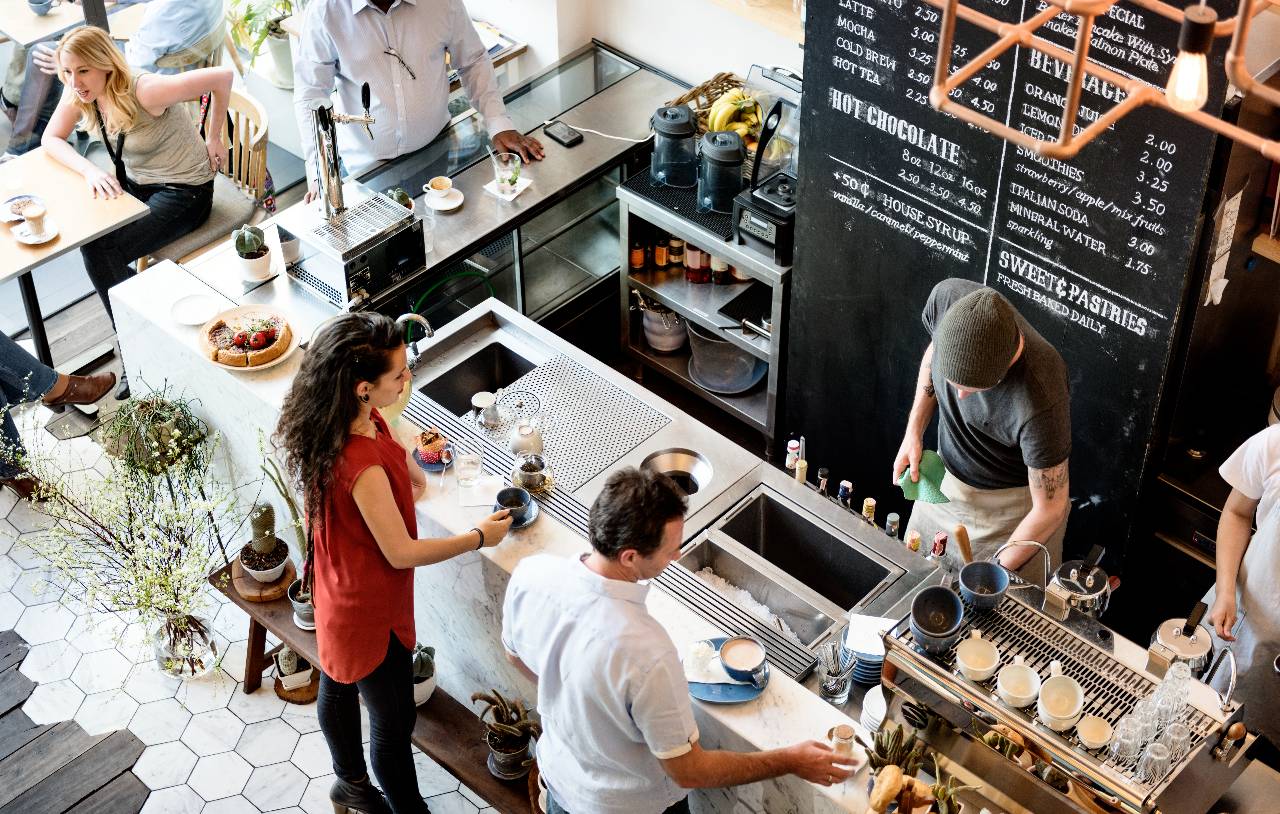
How Much Does It Cost to Open a Coffee Shop in 2026?
Opening a coffee shop in 2026 requires careful cost planning across rent, equipment, labor, technology, menu strategy, marketing, and sustainability.
operations
May 15, 2026
Opening a coffee shop in 2026 requires careful cost planning across rent, equipment, labor, technology, menu strategy, marketing, and sustainability.
May 15, 2026
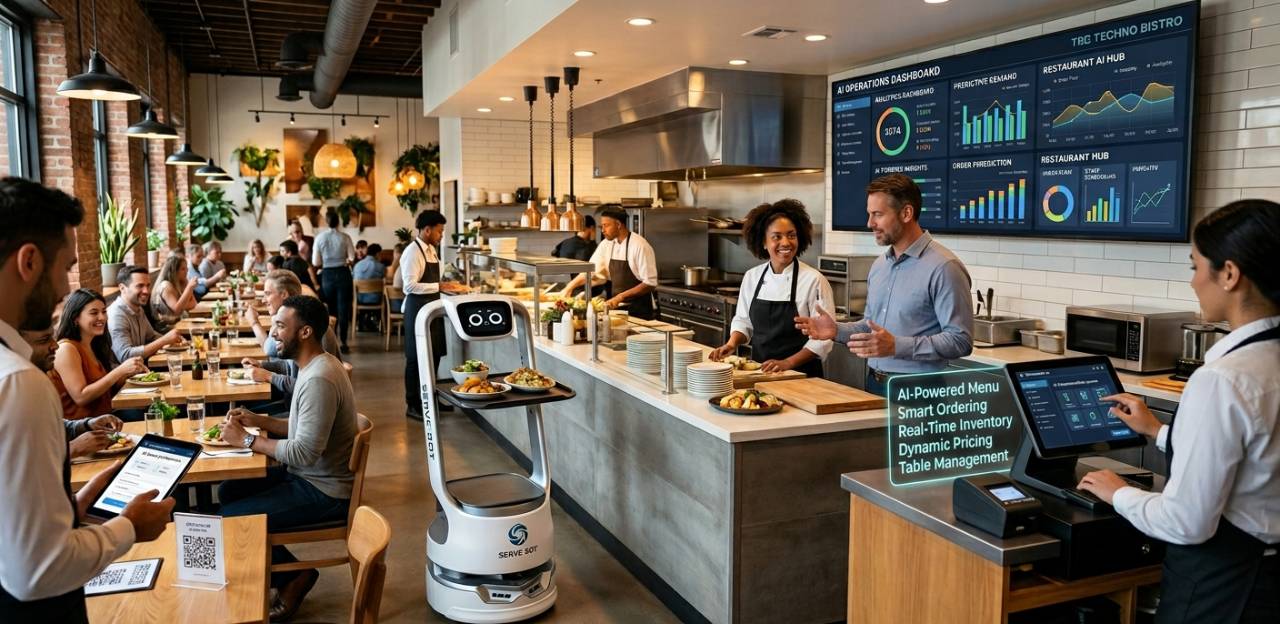
This AI playbook covers restaurant tools for voice ordering, staffing, compliance, menu pricing, inventory, marketing, ChatGPT prompts, and SEO.
May 15, 2026
Hardee’s giant Boddie-Noell inks 31-unit Scooter’s Coffee deal for NC and VA, leveraging drive-thru growth and local roots with rollout over 12–18 months.
May 15, 2026
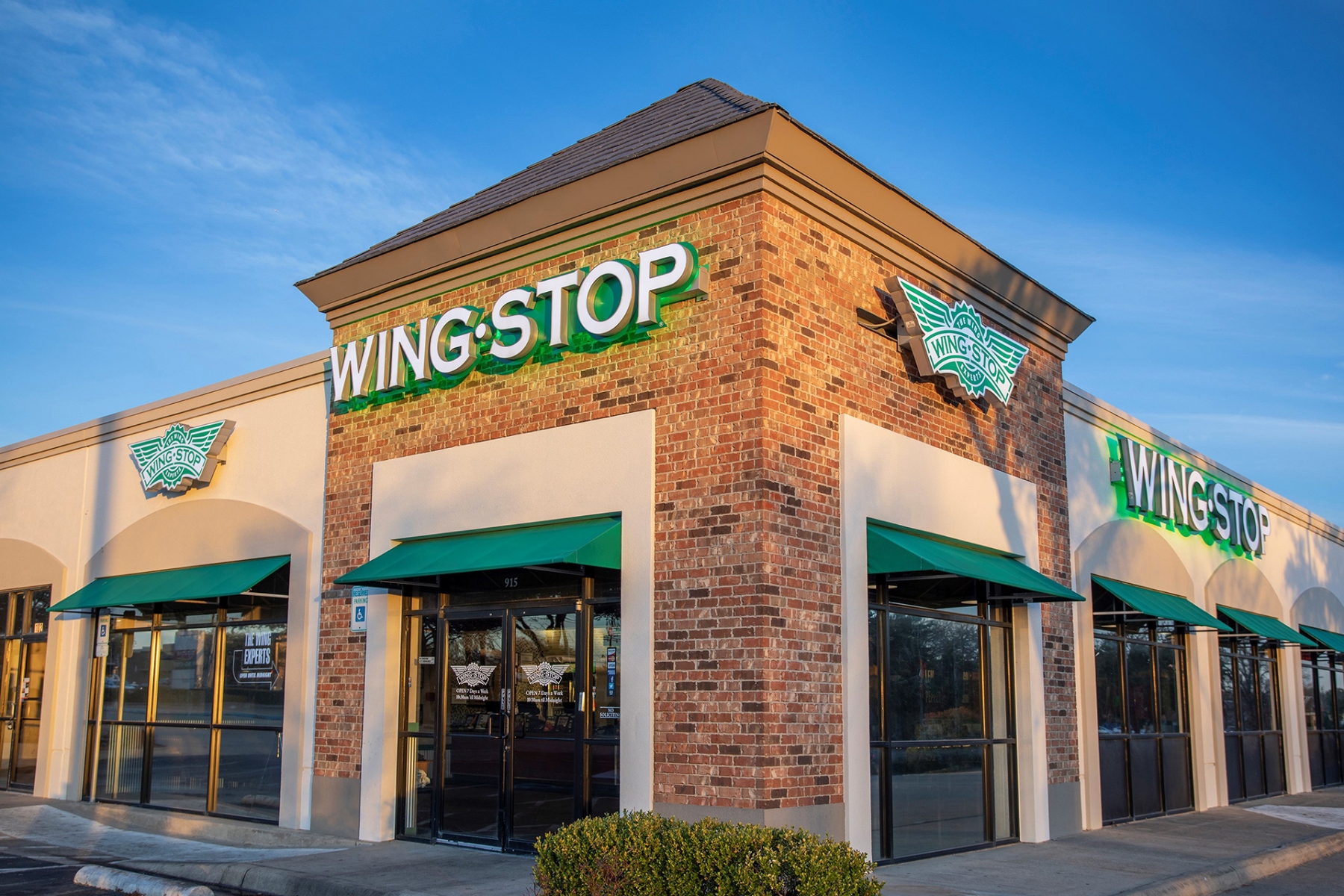
Wingstop turns match weeks into a multi-sensory festival, aligning bold pop-ups with World Cup energy to build brand affinity and measurable momentum.
May 15, 2026
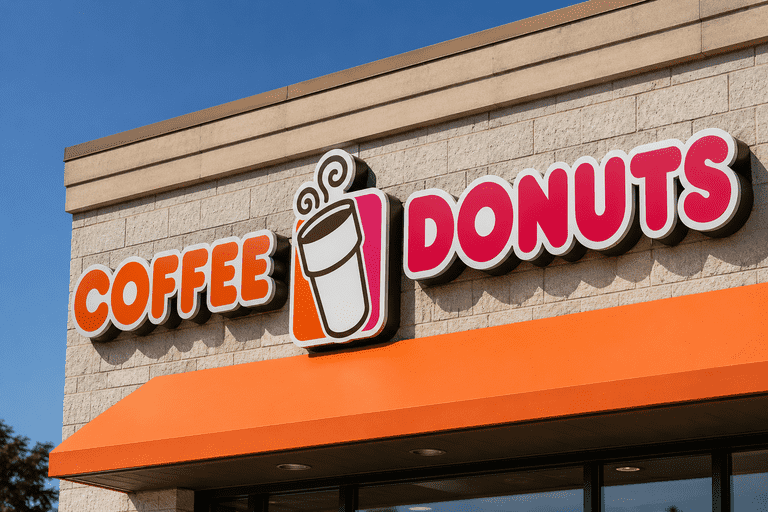
The parent company behind Dunkin', Buffalo Wild Wings, and Arby's has filed for an IPO a move that could reshape how Wall Street views the restaurant sector.
May 15, 2026
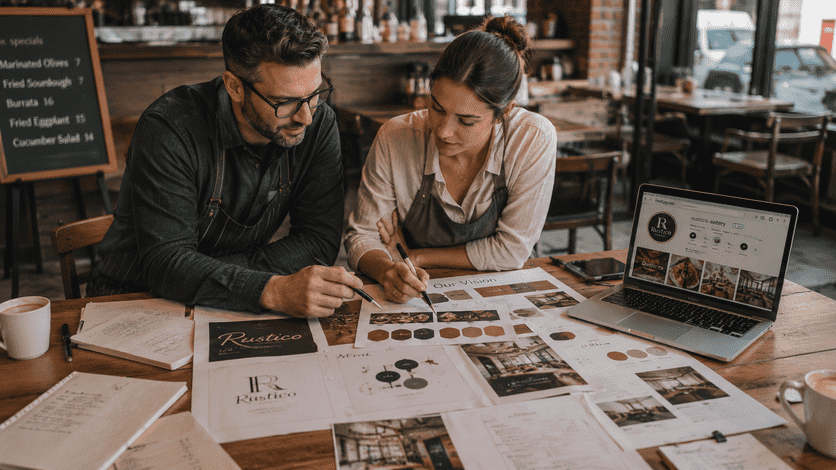
Learn how to develop a memorable restaurant brand identity that stands out in a crowded market, attracts loyal customers, and drives repeat business with actionable strategies and affordable tools.
May 15, 2026
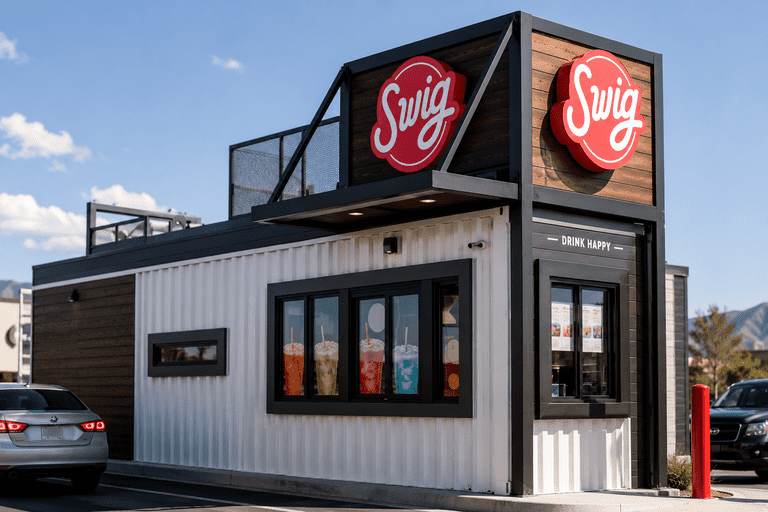
Dirty soda chain Swig is expanding into Colorado through a 10-unit franchise deal, riding a consumer beverage trend that's catching the attention of major QSR players nationwide.
May 15, 2026
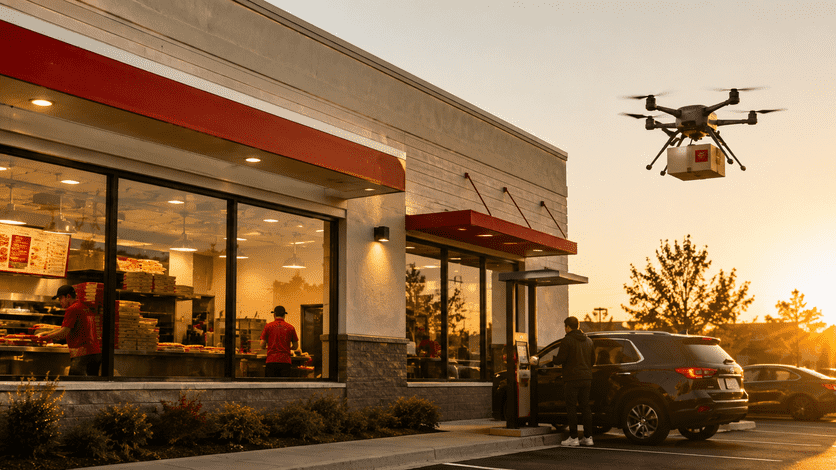
Papa Johns has teamed up with Alphabet's Wing for drone delivery of its new sandwich lineup in parts of Charlotte marking the first partnership of its kind between Wing and a national QSR brand.
May 15, 2026
A warm, expert-led look at McDonald’s Q1 results, menu makeover, and the refranchise question shaping its growth.
May 14, 2026
A reflective look at Habit Ranch, its immersive desert activation, and what it signals for brand loyalty and mindful, experiential dining.
May 14, 2026

Unlock Exclusive Access To Webinars, Events, And The Latest News For Free!
Explore how Bloomin' is restructuring its operations and sales strategies to overcome sales decline challenges and enhance guest experience.

Following a period of declining same-store sales across its brands, Bloomin' has embarked on a strategic journey to tackle these challenges head-on. With a focus on operational restructuring and enhancing guest experience, the company is determined to revitalize its sales performance and drive sustainable growth. The recent sales troubles have prompted Bloomin' to reevaluate its existing strategies and prioritize key areas for improvement before considering new unit expansion.
Recognizing the importance of guest experience, particularly at Outback, Bloomin' is prioritizing getting the fundamentals right before expanding its footprint. This strategic shift aligns with the company's commitment to ensuring that its core operations are optimized for success. By focusing on in-store changes to drive traffic, enhance guest intent to return, boost employee engagement, and improve profitability, Bloomin' aims to lay a solid foundation for future growth initiatives.
One of the significant operational changes introduced by Bloomin' is the emphasis on remodeling and maintaining its restaurant infrastructure. By investing in the repair and upkeep of its locations, the company aims to enhance the overall dining experience for guests. This shift from a growth-centric approach to a remodeling strategy highlights Bloomin's commitment to revitalizing its existing assets and reinforcing its brand image.
In addition to operational adjustments at the brand level, Bloomin' has implemented changes at the corporate level to streamline its structure and enhance operational efficiency. By reducing layers in the organizational hierarchy and empowering brand presidents, the company seeks to create a more agile and responsive organization. This decentralized approach allows individual brands to take ownership of key functions like marketing, training, culinary innovation, and franchisee relations, fostering a more focused and efficient decision-making process.
Bloomin's menu optimization strategy aims to enhance menu offerings by focusing on quality over quantity. By reducing the number of menu items by 10% to 20% across all brands, the company is aiming to streamline operations, improve consistency, and eliminate low-performing or labor-intensive dishes. This targeted approach not only enhances the guest dining experience but also contributes to operational efficiency and profitability.

Transitioning from its previous promotional tactics, Bloomin' is pivoting towards a more value-centric marketing approach. By emphasizing strong value messaging and consistent pricing strategies, the company aims to resonate with customers seeking quality dining experiences at competitive prices. This strategic shift aligns with the success of competitors like Chili's, showcasing the potential impact of value-driven marketing on sales performance and customer loyalty.