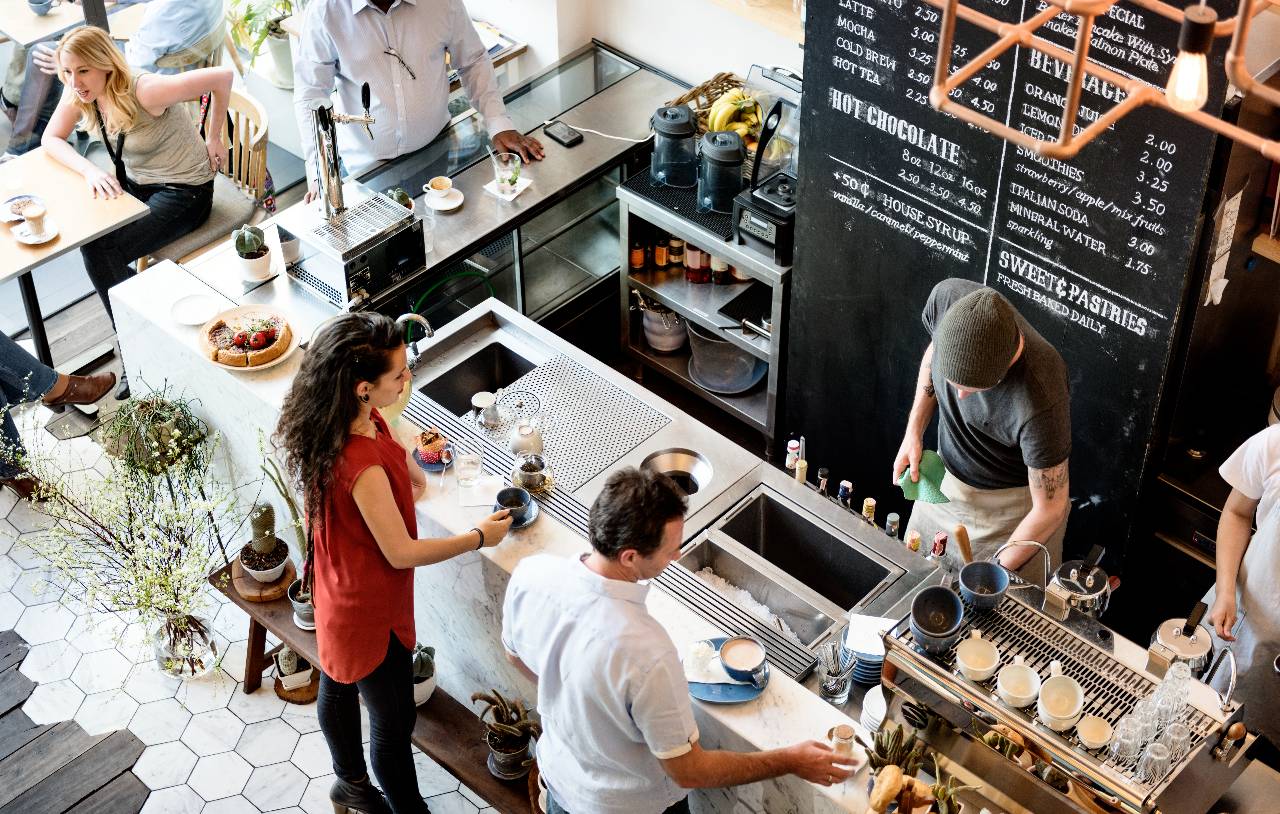
How Much Does It Cost to Open a Coffee Shop in 2026?
Opening a coffee shop in 2026 requires careful cost planning across rent, equipment, labor, technology, menu strategy, marketing, and sustainability.
operations
May 15, 2026
Opening a coffee shop in 2026 requires careful cost planning across rent, equipment, labor, technology, menu strategy, marketing, and sustainability.
May 15, 2026
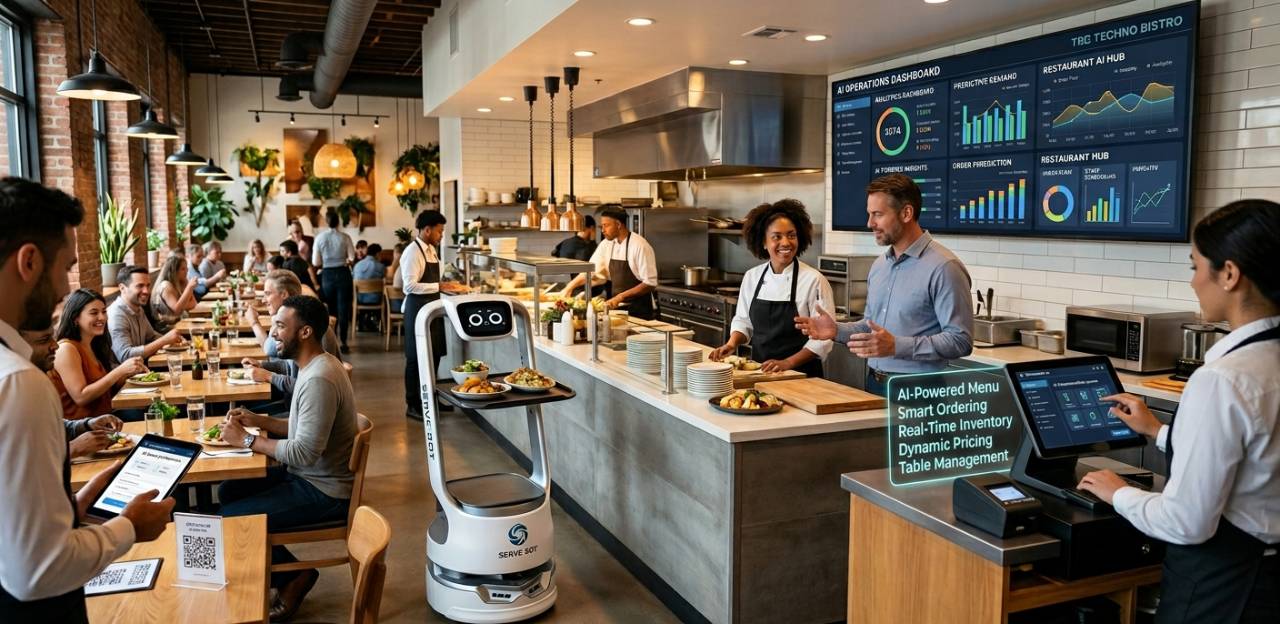
This AI playbook covers restaurant tools for voice ordering, staffing, compliance, menu pricing, inventory, marketing, ChatGPT prompts, and SEO.
May 15, 2026

Hardee’s giant Boddie-Noell inks 31-unit Scooter’s Coffee deal for NC and VA, leveraging drive-thru growth and local roots with rollout over 12–18 months.
May 15, 2026
Wingstop turns match weeks into a multi-sensory festival, aligning bold pop-ups with World Cup energy to build brand affinity and measurable momentum.
May 15, 2026
The parent company behind Dunkin', Buffalo Wild Wings, and Arby's has filed for an IPO a move that could reshape how Wall Street views the restaurant sector.
May 15, 2026

Learn how to develop a memorable restaurant brand identity that stands out in a crowded market, attracts loyal customers, and drives repeat business with actionable strategies and affordable tools.
May 15, 2026
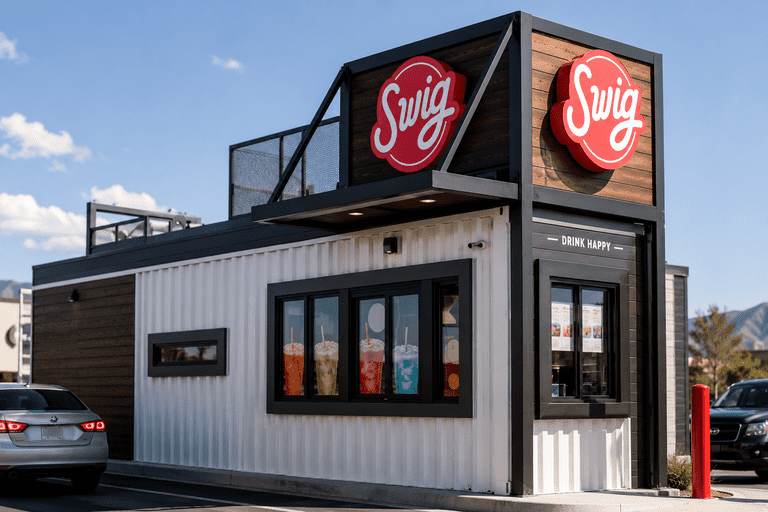
Dirty soda chain Swig is expanding into Colorado through a 10-unit franchise deal, riding a consumer beverage trend that's catching the attention of major QSR players nationwide.
May 15, 2026
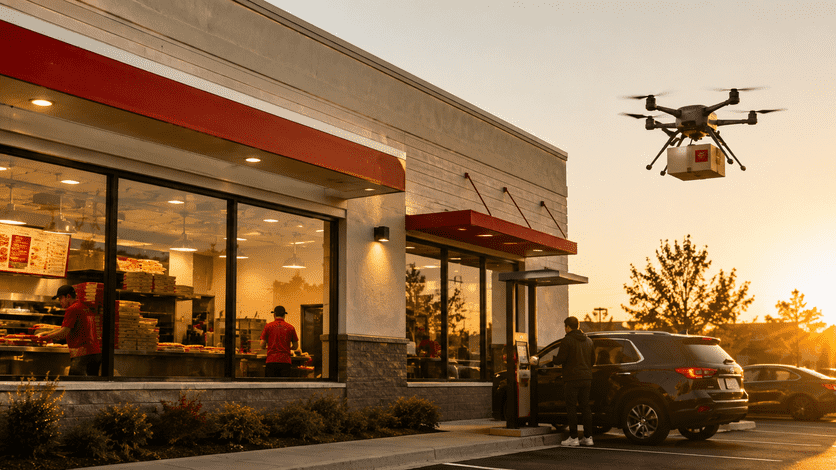
Papa Johns has teamed up with Alphabet's Wing for drone delivery of its new sandwich lineup in parts of Charlotte marking the first partnership of its kind between Wing and a national QSR brand.
May 15, 2026
A warm, expert-led look at McDonald’s Q1 results, menu makeover, and the refranchise question shaping its growth.
May 14, 2026
A reflective look at Habit Ranch, its immersive desert activation, and what it signals for brand loyalty and mindful, experiential dining.
May 14, 2026

Unlock Exclusive Access To Webinars, Events, And The Latest News For Free!
New packaging mandates, mega-merger risks, and labor changes create complexity for restaurants navigating compliance and sourcing.

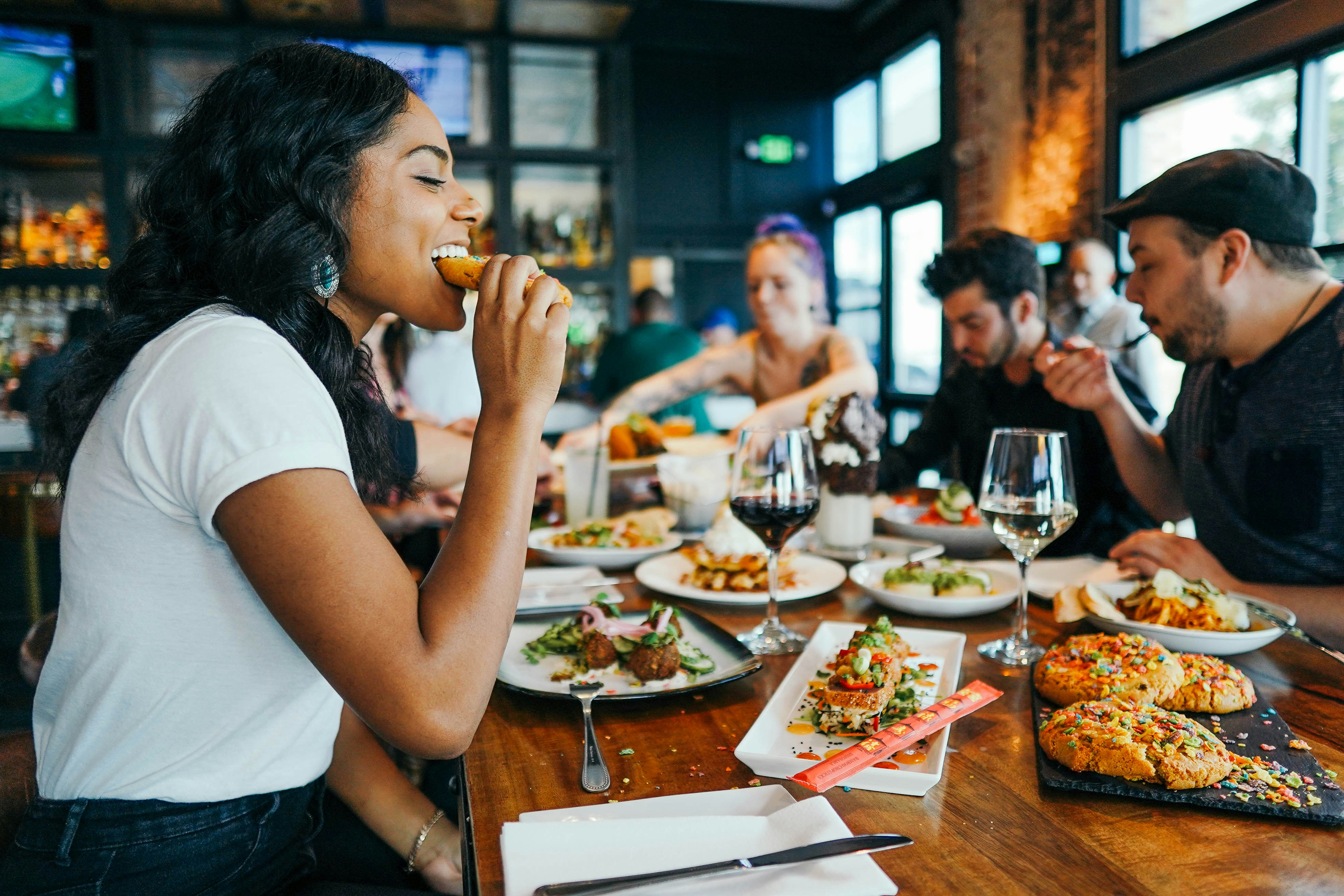
Photo by Toa Heftiba
For restaurants, this is no ordinary season of disruption. Packaging rules, industry consolidation, and labor demands are aligning in a way that poses hard questions about resilience, sustainability, and sourcing. The pressure is felt in every corner of the kitchen and boardroom alike:
What does it mean to nourish a community when the rules keep changing? Can thoughtful sourcing anchor a menu if distribution channels consolidate? And how will a single labor ruling ripple through everything from scheduling to pay?
This moment calls for balanced, mindful decision-making—where the stakes are economic, environmental, and deeply personal.
New legal proposals could make restaurants responsible for packaging waste costs, straining already-tight margins and logistical systems. Simultaneously, the proposed Sysco acquisition of Restaurant Depot for $29.1 billion fans fears of sourcing vulnerability and loss of purchasing leverage. Layered on top, landmark labor rulings are signaling that worker organization—long a back-burner issue for hospitality—may soon shape the sector’s ground rules.
Restaurants must respond to a regulatory and operational landscape that is evolving rapidly and with far-reaching consequences.
Rethinking materials and mindful waste management has always been at the heart of sustainable dining. Now, Extended Producer Responsibility (EPR) legislation could mandate restaurants not only source better, but also pay for what comes next. The core principle: shift the burden for packaging recycling and disposal away from governments and onto the businesses that use the packaging.
The legislative language—such as Maryland’s Senate Bill 901—makes clear that the foodservice industry faces unique questions. How will cost-sharing work for restaurant-scale waste, and how can operators comply amid undefined requirements? The uncertainty looms as restaurants await both regulatory clarity and a clearer understanding of their financial exposure.
Unlike large-scale manufacturers, restaurants interface with local waste streams in ways that require careful calibration. With mandates still being drafted, owners must prepare for a reality where their ingredient and packaging choices could have real cost and compliance implications—potentially reshaping everything from to-go containers to supply contracts.
Ingredient quality, menu diversity, and cost control all stem from sourcing options. That’s why the proposed $29.1 billion Sysco-Restaurant Depot merger lands with such force. Sysco claims it will run Restaurant Depot autonomously, touting efficiency synergies rather than aggressive consolidation. Yet, independent restaurateurs are concerned: could the main alternative for wholesale supplies be squeezed out, giving Sysco unprecedented pricing power?
Industry voices are not mincing words. The Independent Restaurant Coalition urges the FTC to act, noting that Restaurant Depot often stands as the 'one meaningful wholesale alternative' for many operators.
The parallels to tech-industry consolidation are striking—one restaurateur describes Sysco’s playbook as 'the Amazon playbook,' raising the same specter of central control over critical supply chains. The regulatory path could demand divestitures or behavioral remedies, but some risk remains: a single route to market can never deliver the balanced, nourishing competition that keeps product quality, pricing, and innovation robust.

Regulatory scrutiny is nothing new for the broad-line distributors who anchor food systems nationwide, but the potential scale of the Sysco-Restaurant Depot deal poses new questions about food supply security and competitive fairness. The Federal Trade Commission (FTC) is already investigating, issuing a Second Request for extensive data on how the merger could affect restaurants’ choices and prices.
History shows that food industry mega-deals can founder under intense regulatory pressure. Sysco’s own 2015 attempt to acquire US Foods was blocked, and the FTC’s Food Supply Chain Security Task Force is now treating this as a landmark test case.
If the deal is approved, it may be subject to extensive conditions or delayed into 2026 or beyond. While some analysts forecast approval, they also spotlight the dramatic increase in debt leverage—expected to reach 4.5 times EBITDA—raising the stakes for financial resilience as well.
The endgame is far from set. Whether regulators demand structural changes or let the deal proceed as proposed, the impact will echo through independent dining for years.
Labor relations in hospitality have always been nuanced—guided by tradition, economics, and community ties. Yet the April 2026 NLRB ruling compelling Amazon to recognize the ALU-Teamsters union at its Staten Island facility plants a new flag in the service sector landscape. For the first time, Amazon is legally bound to negotiate with a union, a shift that could embolden foodservice and hospitality workers eyeing their own organizing campaigns.
The Board’s precedent resists pushback, reinforcing longstanding labor rights and signaling that union recognition and bargaining mandates have fresh momentum. While direct impacts on restaurants depend on future organizing success, operators would be wise to model proactive relationships—rooted in transparency and respect—before any external campaign arrives.
Balanced employment practices may become a quiet differentiator, shaping cultures as much as costs.
Forward-thinking restaurants have always met challenge with curiosity and care—from menu design to waste management. The current wave of industry change calls for a return to such fundamentals, refined with new data and sharper risk assessments. What should operators focus on as uncertainty persists?
- Monitor Legislation: Stay active in understanding EPR mandates as cost structures and compliance details emerge.
- Model Packaging Impacts: Run scenario analyses for how new waste rules could reshape takeout programs and supplier selection.
- Assess Supplier Risk: Consider the impact of consolidation and keep communication lines open with distributors.
- Prepare Labor Strategies: Invest time in proactive, transparent labor practices before external demands escalate.
Resilience now requires not just operational rigor but a truly thoughtful commitment to balanced, long-term stewardship—for people, product, and the planet.