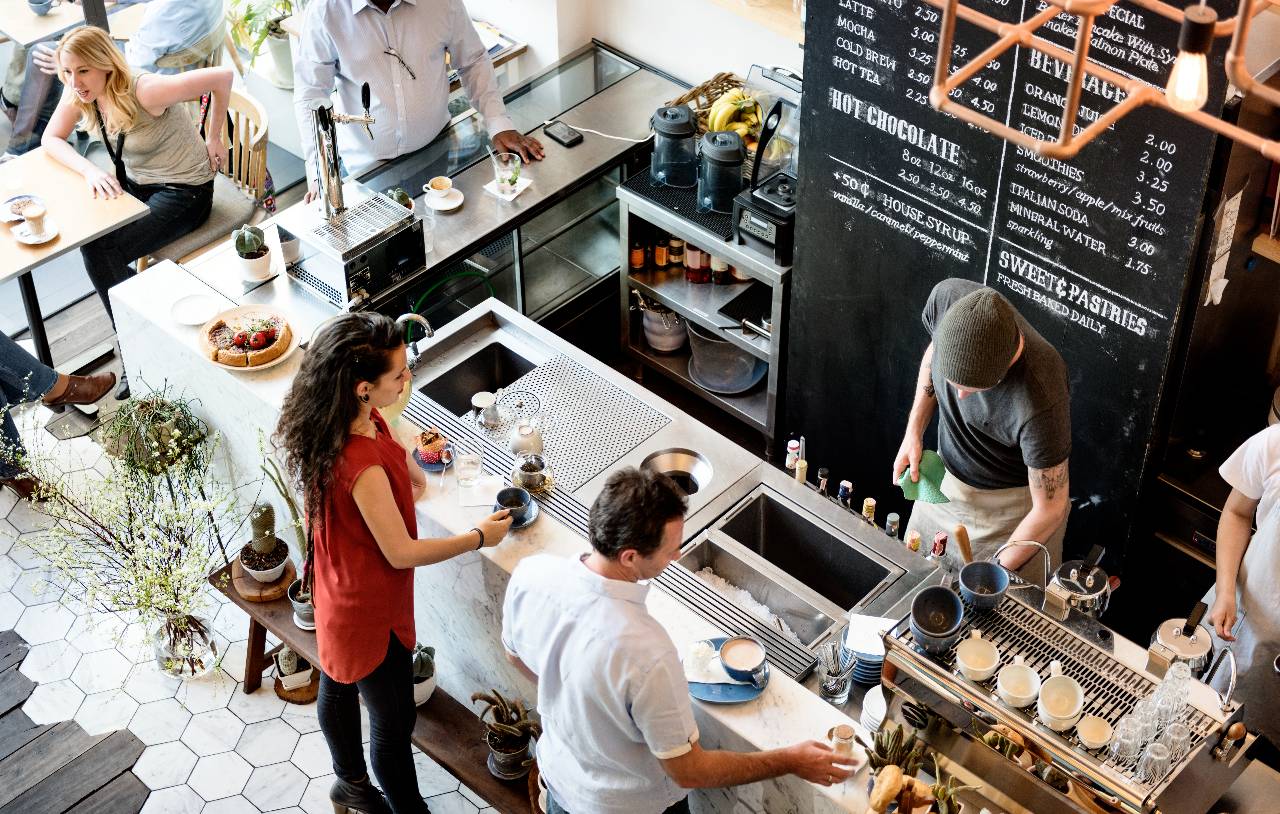
How Much Does It Cost to Open a Coffee Shop in 2026?
Opening a coffee shop in 2026 requires careful cost planning across rent, equipment, labor, technology, menu strategy, marketing, and sustainability.
operations
May 15, 2026
Opening a coffee shop in 2026 requires careful cost planning across rent, equipment, labor, technology, menu strategy, marketing, and sustainability.
May 15, 2026
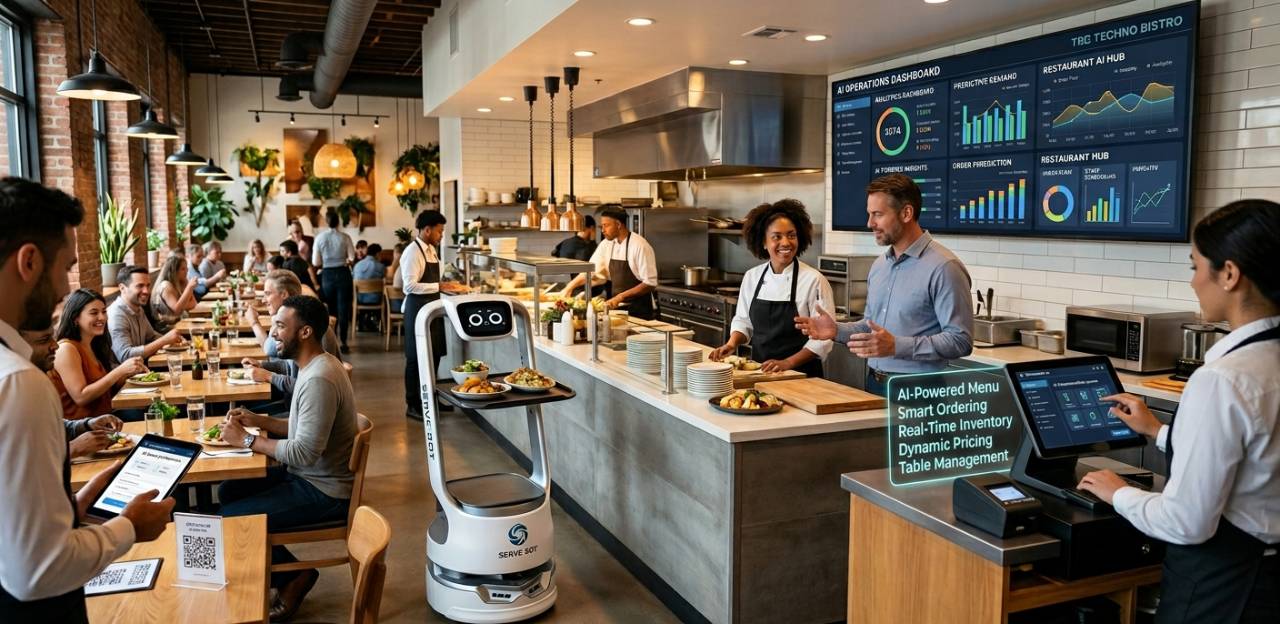
This AI playbook covers restaurant tools for voice ordering, staffing, compliance, menu pricing, inventory, marketing, ChatGPT prompts, and SEO.
May 15, 2026
Hardee’s giant Boddie-Noell inks 31-unit Scooter’s Coffee deal for NC and VA, leveraging drive-thru growth and local roots with rollout over 12–18 months.
May 15, 2026
Wingstop turns match weeks into a multi-sensory festival, aligning bold pop-ups with World Cup energy to build brand affinity and measurable momentum.
May 15, 2026
The parent company behind Dunkin', Buffalo Wild Wings, and Arby's has filed for an IPO a move that could reshape how Wall Street views the restaurant sector.
May 15, 2026

Learn how to develop a memorable restaurant brand identity that stands out in a crowded market, attracts loyal customers, and drives repeat business with actionable strategies and affordable tools.
May 15, 2026
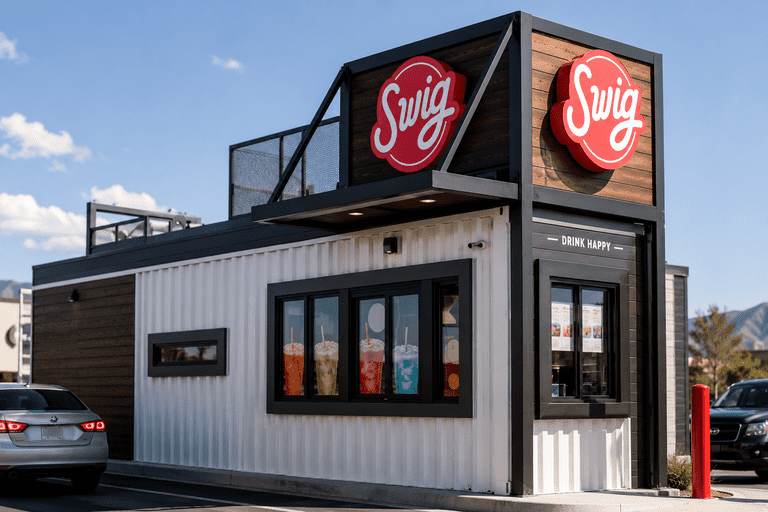
Dirty soda chain Swig is expanding into Colorado through a 10-unit franchise deal, riding a consumer beverage trend that's catching the attention of major QSR players nationwide.
May 15, 2026
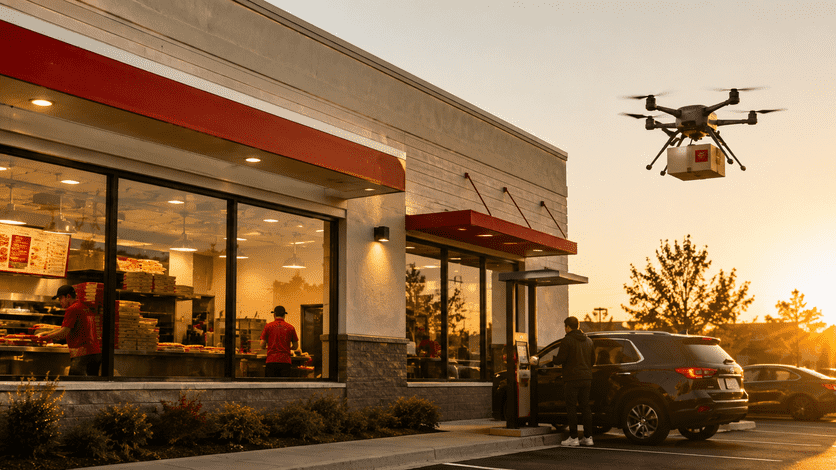
Papa Johns has teamed up with Alphabet's Wing for drone delivery of its new sandwich lineup in parts of Charlotte marking the first partnership of its kind between Wing and a national QSR brand.
May 15, 2026
A warm, expert-led look at McDonald’s Q1 results, menu makeover, and the refranchise question shaping its growth.
May 14, 2026
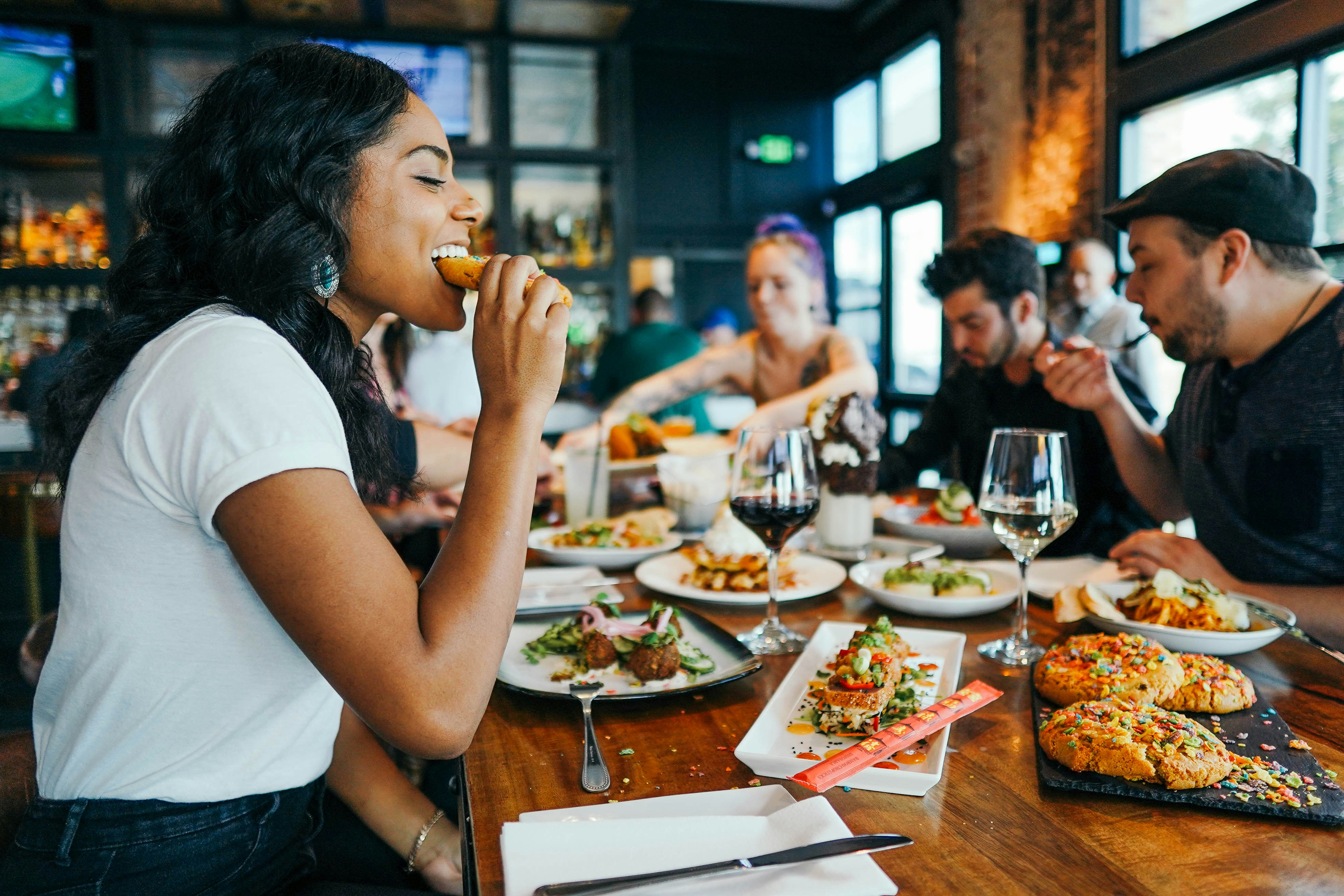
A reflective look at Habit Ranch, its immersive desert activation, and what it signals for brand loyalty and mindful, experiential dining.
May 14, 2026

Unlock Exclusive Access To Webinars, Events, And The Latest News For Free!
Discover six innovative approaches to give your menu mainstays a makeover and maximize the craveability of familiar dishes. Learn why adding a twist to the classics attracts consumers.
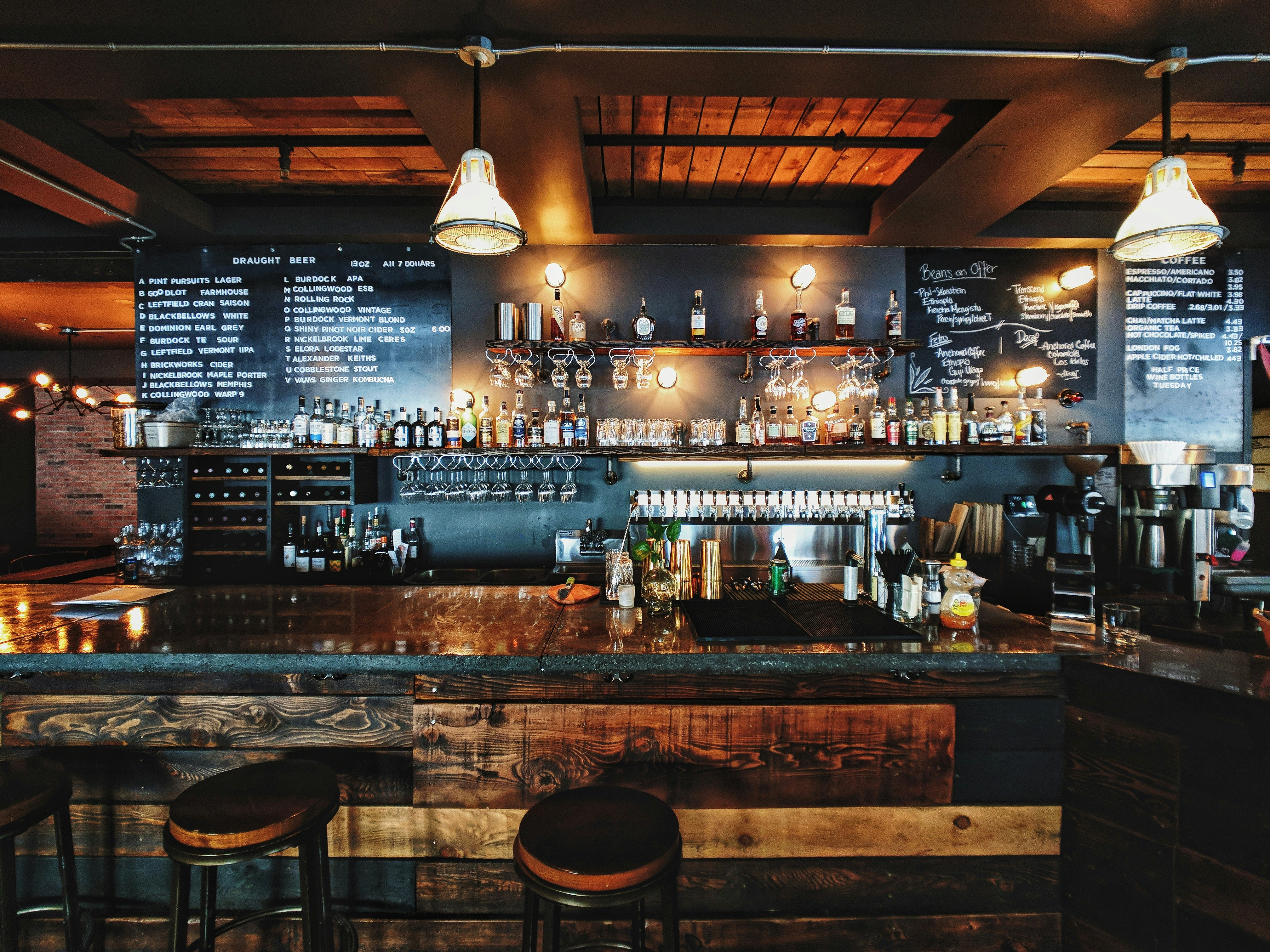
Photo by Patrick Tomasso
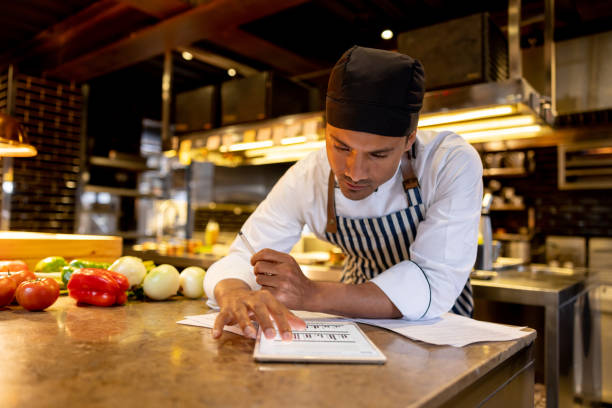
Photo by Patrick Tomasso
In the highly competitive food industry, menu innovation plays a crucial role in captivating customers and boosting sales. By reinventing menu staples, restaurants can set themselves apart from competitors, attract new patrons, and retain existing customers. Consumers are constantly seeking new experiences and flavors, making it essential for food establishments to adapt and evolve their offerings to meet changing preferences.

Photo by Patrick Tomasso
Technomic, a renowned research firm, has identified six key innovation approaches that can help restaurants give their core menu offerings a refreshing update. These approaches include ingredient transformation, fusion of global cuisines, reimagining comfort foods, healthier variations, interactive dining experiences, and customizable options. By implementing these strategies, restaurants can breathe new life into traditional dishes and cater to a diverse range of tastes and dietary preferences.
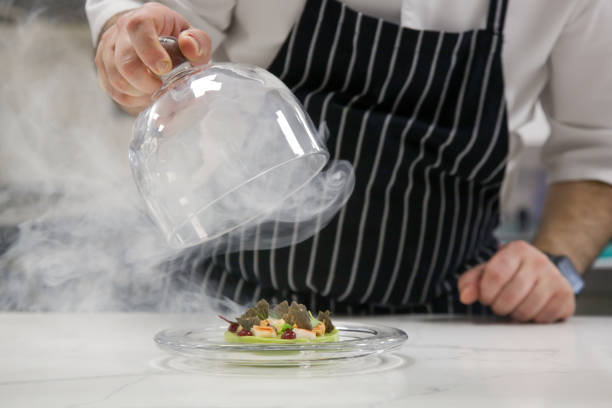
Photo by Patrick Tomasso
Adding a twist to classic dishes not only resonates with nostalgia but also intrigues consumers with unexpected flavor combinations or modern presentations. By infusing a familiar favorite with a unique ingredient or culinary technique, restaurants can create a sense of anticipation and excitement among diners. This approach not only enhances the dining experience but also encourages repeat visits as customers seek to explore new interpretations of familiar dishes.
To maximize the craveability of familiar dishes, restaurants can focus on factors such as visual appeal, flavor balance, textural contrast, and aroma. These elements contribute to creating a multisensory dining experience that entices customers and leaves a lasting impression. By paying attention to presentation, portion sizes, and menu descriptions, establishments can effectively communicate the craveable aspects of their dishes and drive customer interest and satisfaction.
One notable example of successful menu reinvention is the transformation of a classic burger into a gourmet slider with unique toppings and artisanal buns. By reimagining a familiar item in a fresh and innovative way, the restaurant was able to cater to upscale clientele looking for a modern twist on a traditional favorite. This creative approach not only elevated the restaurant's brand image but also increased customer loyalty and word-of-mouth recommendations.
According to industry experts like John Ochana and Hans Tubon from Technomic, menu innovation is a strategic tool for driving traffic and revenue in the competitive foodservice landscape. By continuously evolving and reinventing menu staples, restaurants can stay relevant, attract a wider customer base, and differentiate themselves in a saturated market. The dynamic nature of consumer preferences requires food establishments to be agile and creative in their menu development to meet and exceed customer expectations.