How Much Does It Cost to Open a Coffee Shop in 2026?
Opening a coffee shop in 2026 requires careful cost planning across rent, equipment, labor, technology, menu strategy, marketing, and sustainability.
operations
May 15, 2026
Opening a coffee shop in 2026 requires careful cost planning across rent, equipment, labor, technology, menu strategy, marketing, and sustainability.
May 15, 2026

This AI playbook covers restaurant tools for voice ordering, staffing, compliance, menu pricing, inventory, marketing, ChatGPT prompts, and SEO.
May 15, 2026

Hardee’s giant Boddie-Noell inks 31-unit Scooter’s Coffee deal for NC and VA, leveraging drive-thru growth and local roots with rollout over 12–18 months.
May 15, 2026

Wingstop turns match weeks into a multi-sensory festival, aligning bold pop-ups with World Cup energy to build brand affinity and measurable momentum.
May 15, 2026

The parent company behind Dunkin', Buffalo Wild Wings, and Arby's has filed for an IPO a move that could reshape how Wall Street views the restaurant sector.
May 15, 2026

Learn how to develop a memorable restaurant brand identity that stands out in a crowded market, attracts loyal customers, and drives repeat business with actionable strategies and affordable tools.
May 15, 2026

Dirty soda chain Swig is expanding into Colorado through a 10-unit franchise deal, riding a consumer beverage trend that's catching the attention of major QSR players nationwide.
May 15, 2026

Papa Johns has teamed up with Alphabet's Wing for drone delivery of its new sandwich lineup in parts of Charlotte marking the first partnership of its kind between Wing and a national QSR brand.
May 15, 2026

A warm, expert-led look at McDonald’s Q1 results, menu makeover, and the refranchise question shaping its growth.
May 14, 2026

A reflective look at Habit Ranch, its immersive desert activation, and what it signals for brand loyalty and mindful, experiential dining.
May 14, 2026

Unlock Exclusive Access To Webinars, Events, And The Latest News For Free!
A close look at Red Lobster's menu refresh, leadership changes, and marketing push as the chain seeks to rebound across 545 restaurants.
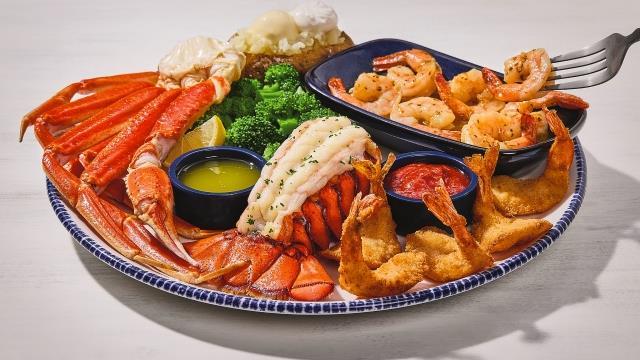
From the moment Red Lobster began steering its ship after Chapter 11, the conversation has centered on balance: culinary ambition braided with dependable favorites. The revival touches all corners of the brand—545 restaurants, a refreshed menu, and a visible marketing engine—yet the underlying aim is consistency in guest experience. The dining room now reads as carefully composed: familiar flavors alongside new plates that invite curiosity without losing crowd-pleasing appeal. In this moment, the story isn’t simply about new recipes; it’s about a mindful approach to dining that respects appetite and budget, and that balance leads the way forward.
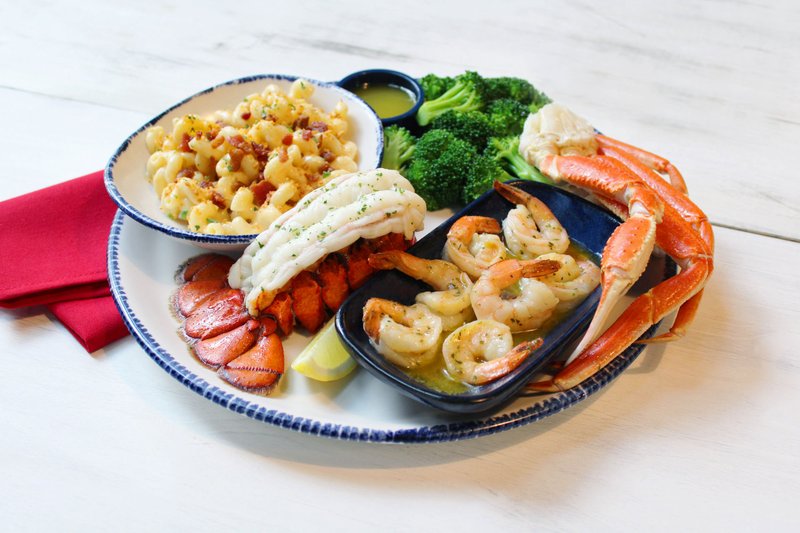
Key pillars of the revival include a broad menu revamp that preserves crowd favorites while inviting culinary curiosity. The Lobster Pappardelle Pasta clocks in at 30.99, featuring Maine lobster, langostino, tomatoes, and asparagus in a garlic sauce over pappardelle. Bacon Wrapped Sea Scallops are offered at 14.99 for four or 19.49 for six, with Lemon Basil Mahi topped by tomatoes and basil beside a bright lemon sauce. Simply Prepared Mahi appears with two sides at 24.99 and 22.99, and Parmesan-Crusted Chicken delivers a lemon-herb finish with two sides for 17.99. New sides include roasted asparagus at 5.49 and the return of hush puppies at 3.49, while a Lobster Bisque remains a solid 6.49 for a cup or 8.49 for a bowl. Popcorn shrimp reappears in kids meals and a family platter at 33.99, complemented by the Shrimp Your Way option and the Create Your Own Ultimate Feast at about 41.99.
Beyond the stove, Red Lobster is reshaping its public voice. The formal marketing revamp arrives with a leadership refresh and a holiday-season push designed to reintroduce the brand as a reliable seafood destination. Nichole Robillard was named chief marketing officer in late May, carrying a season-long message that highlights new menu highlights, fan favorites, and holiday-inspired sips, with Cheddar Bay Biscuits foregrounded as a cornerstone of the dining experience. A television spot features gospel icon Pastor Shirley Caesar, promoting the Lobster and Shrimp lineup alongside the playful line crab, bacon, shrimp for the takin. The aim is credible outreach that resonates during a peak shopping season.
Under Fortress-backed ownership, the leadership refresh signals a cohesive brand strategy. Robillard’s appointment is paired with a broader reorganization, aligning marketing with the refreshed menu to rebuild trust and offer a clear value proposition. The campaign emphasizes a durable guest experience—anticipation around biscuits, freshness in seafood options, and consistent execution. This alignment of leadership, capital, and marketing is designed to make the brand feel dependable again as the holiday season arrives, inviting both longtime fans and curious newcomers to reengage with the dining room experience.
Red Lobster’s revival is inseparable from a change at the top. Damola Adamolekun stepped into the CEO role after RL Investor Holdings, the Fortress-backed group, completed its acquisition and restructuring. Coverage through 2025 frames his tenure as central to a disciplined, value-conscious growth plan aimed at restoring customer trust. The leadership shift, paired with a refreshed governance structure, signals more than a new face; it signals cultural renewal across the 545-store network toward reliable execution and sustainable expansion.
As analyses mount through 2025 and 2026, the narrative ties leadership to capital flow, menu experimentation, and a measured pace of growth. This governance framework is meant to support culinary creativity while strengthening cost discipline, ensuring that guests can count on a dependable, nourishing dining experience as the brand moves from distress to a more intentional expansion path.
The arc moved from a May 2024 bankruptcy filing to a September 2024 exit, with Fortress-backed lenders positioned as the controlling group after a court-approved plan. The arrangement pledged new funding and operational investments to support the refreshed menu and the marketing engine, while stores continued to operate through restructuring. The exit signaled a transition from distress to a growth-oriented platform, signaling long-term stability beyond Chapter 11 and a commitment to capitalizing the refreshed strategy.
In parallel, industry coverage notes that the company would continue operating during restructuring, with the exit enabling a more sustainable growth trajectory. The push to invest in the menu and in a stronger marketing engine is positioned as foundational—an assurance that the brand can reengage diners while tightening cost structures and governance under Fortress-backed ownership.
Red Lobster’s turnaround sits within a broader dynamic of the casual-dining segment, where concessions, promotions, and pricing strategies drive traffic even as cost pressures persist. Major industry coverage highlighted ongoing competition, evolving promo tactics, and the emphasis on brand credibility and guest experience to re-engage diners. Analysts and trade outlets framed the brand’s repositioning as part of a wider recovery narrative, with leadership, capital, and menu innovation acting as decisive levers in a crowded market.
The period also invites a careful eye on execution: store-level performance, franchise alignment, and guest response to Shrimp Your Way will shape the pace and shape of the comeback. Industry observers stress that a credible narrative, disciplined investments, and a consistent guest experience are essential to translating strategic moves into real, sustained traffic across 545 locations.
If the refreshed menu, strengthened marketing, and leadership deliver the anticipated lift, Red Lobster could recapture part of its former patron base while attracting new diners with more varied options and value-oriented price points. Reports of renewed investment and a focus on guest experience support a cautiously optimistic outlook for a brand seeking to restore trust and competitive standing in a crowded market. Industry observers have noted that a combination of menu creativity, disciplined cost management, and a clear narrative around leadership and ownership will be essential as the chain aims to sustain momentum into 2026 and beyond.
The coming quarters will reveal how quickly the updated menu translates into sustained traffic and how store-level execution aligns with the strategic vision. If the pattern holds, Red Lobster stands to offer a more balanced, nourishing dining experience—one that blends culinary creativity with reliability, and a narrative of steady stewardship that diners can trust as they plan meals around celebrations and everyday moments alike.