How Much Does It Cost to Open a Coffee Shop in 2026?
Opening a coffee shop in 2026 requires careful cost planning across rent, equipment, labor, technology, menu strategy, marketing, and sustainability.
operations
May 15, 2026
Opening a coffee shop in 2026 requires careful cost planning across rent, equipment, labor, technology, menu strategy, marketing, and sustainability.
May 15, 2026

This AI playbook covers restaurant tools for voice ordering, staffing, compliance, menu pricing, inventory, marketing, ChatGPT prompts, and SEO.
May 15, 2026

Hardee’s giant Boddie-Noell inks 31-unit Scooter’s Coffee deal for NC and VA, leveraging drive-thru growth and local roots with rollout over 12–18 months.
May 15, 2026

Wingstop turns match weeks into a multi-sensory festival, aligning bold pop-ups with World Cup energy to build brand affinity and measurable momentum.
May 15, 2026

The parent company behind Dunkin', Buffalo Wild Wings, and Arby's has filed for an IPO a move that could reshape how Wall Street views the restaurant sector.
May 15, 2026

Learn how to develop a memorable restaurant brand identity that stands out in a crowded market, attracts loyal customers, and drives repeat business with actionable strategies and affordable tools.
May 15, 2026

Dirty soda chain Swig is expanding into Colorado through a 10-unit franchise deal, riding a consumer beverage trend that's catching the attention of major QSR players nationwide.
May 15, 2026

Papa Johns has teamed up with Alphabet's Wing for drone delivery of its new sandwich lineup in parts of Charlotte marking the first partnership of its kind between Wing and a national QSR brand.
May 15, 2026

A warm, expert-led look at McDonald’s Q1 results, menu makeover, and the refranchise question shaping its growth.
May 14, 2026

A reflective look at Habit Ranch, its immersive desert activation, and what it signals for brand loyalty and mindful, experiential dining.
May 14, 2026

Unlock Exclusive Access To Webinars, Events, And The Latest News For Free!
Quiznos accelerates growth by co-locating with Pump & Pantry in Nebraska, leveraging REGO’s dual-brand strategy and modular Qube units to expand in convenience retail.
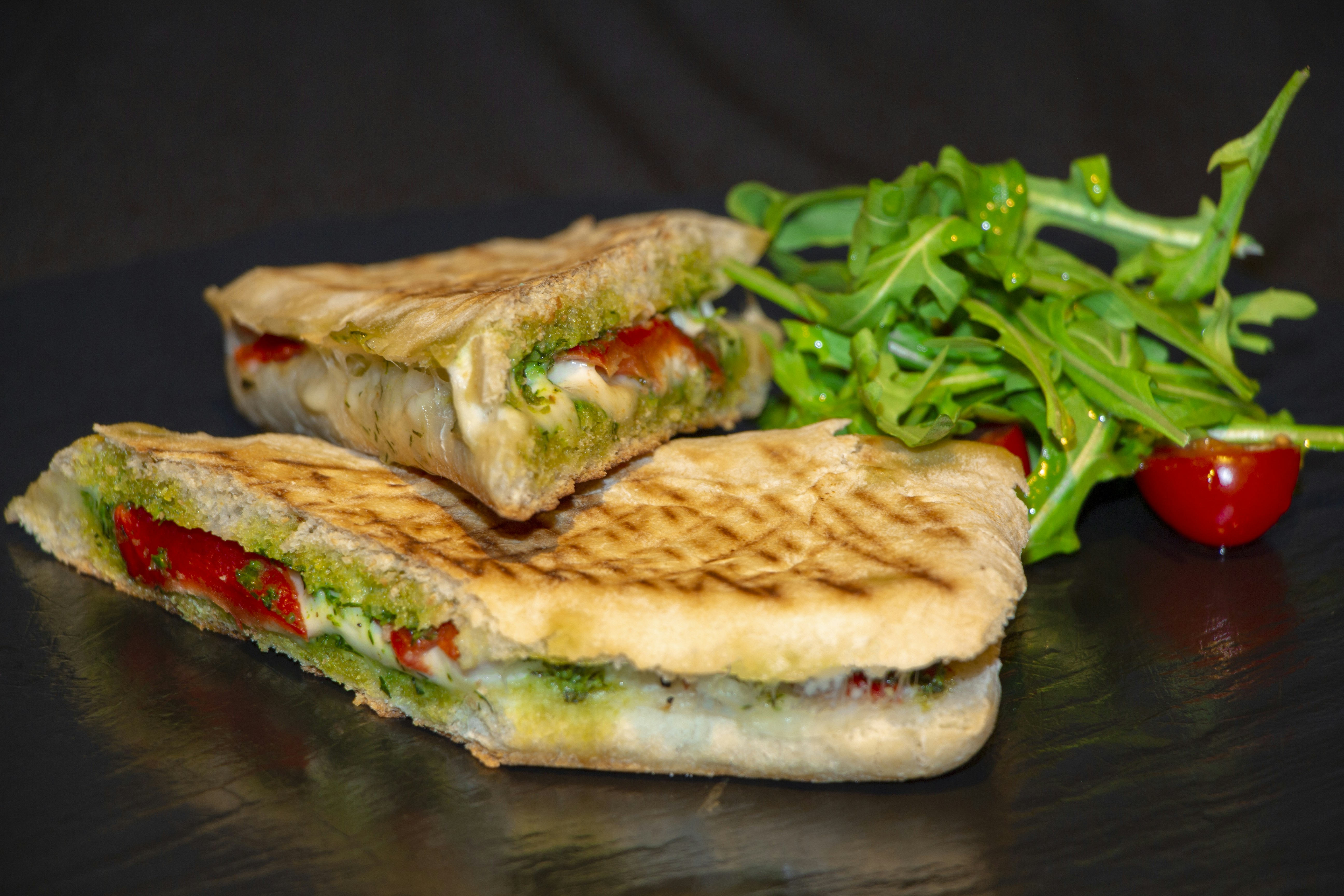
Photo by jack shingai
From peak to pivot, Quiznos has recalibrated its growth engine by embedding its toasted subs inside convenience stores, a move that blends the familiarity of a classic brand with the constant foot traffic of a c-store network. The decision isn’t merely about location; it’s a statement about how a brand can coexist with travelers’ daily routines and busy families alike. In Nebraska, the Pump & Pantry deployments have become a case study in meeting customers where they already are—along the path of daily life rather than at the edge of a strip mall. This approach signals a broader industry shift toward convenience-led expansion and thoughtful collaboration with partners who share a sense of pace and purpose.
California-style speed meets Nebraska traffic in a model that leans on high-traffic daily needs. Across Pump & Pantry’s network, the co-located Quiznos benefits from dense locations where customers already stop for essentials, coffee, or a quick bite. The placement isn’t accidental: it’s a choreography of timing and convenience that aligns with how people move through their day. The result is a balanced, nourishing option that fits into a thoughtful, sustainability-minded approach to dining on the go, without compromising on flavor or service.
A central mechanic of Quiznos’ revival is its collaboration with c-store operators to embed the brand in high-traffic daily-need environments. The Florida development deal with Sunshine Gasoline Distributors marked a notable step in pursuing dual-brand formats that pair Quiznos with Taco Del Mar in a single site, expanding both reach and operational efficiency. The move fits into a broader trend of dual-brand pilots under REGO Restaurant Group’s umbrella, designed to maximize synergies across convenience networks. “Tim Casey, CEO of REGO Restaurant Group, framed the strategy as a way to bring two tested concepts to local fans in a format optimized for walk-up and drive-thru traffic.”
The objective isn’t merely expansion for expansion’s sake. It’s about creating a sustainable cadence of new locations that respect capital discipline and offer operators a path to faster site activation. The Florida deal and other pilots illustrate how co-branding can unlock shared supply chains, faster kitchens, and a streamlined customer experience. In this light, the partnership is less about novelty and more about a practical, scalable approach to rebuilding scale in a market that rewards speed and consistency.
Leadership at REGO has signaled a new era of growth for Quiznos and its sister brands. In 2023–2024, the group pursued development deals aimed at expanding unit count and accelerating speed-to-market, including a test of combined Quiznos and Taco Del Mar operations at a Sunshine site in Florida. The shift toward modular, lower-cost build formats and accelerated expansion is a recurring theme, as newer executives guide the brand’s comeback. The strategic tilt toward c-store partnerships reflects a clear intent to rebuild scale while controlling capital expenditure, a balanced approach that aligns with a thoughtful, nourishing dining mission.
This leadership cadence also signals a broader operational philosophy: speed must harmonize with cost discipline. The Qube concept—modular, drive-thru-ready units—appears as a potential accelerant, offering a way to bring reliable Quiznos service to new sites with fewer hurdles. While the path remains contingent on financing, supply-chain timing, and permits, the overarching message is clear: growth in the convenience channel is achievable through smart design, steady partnerships, and a commitment to consistent brand experience across sites.
Nebraska lays out a concrete growth path: six new Quiznos locations to open within Pump & Pantry stores across the state between 2024 and 2026, in addition to the four locations already operating there. This pushes total near-term growth to ten Quiznos units co-located in Pump & Pantry outlets. The rollout is a deliberate test bed to prove the model in a high-footfall market before replicating it more broadly, signaling a patient but purposeful scale plan that prioritizes unit economics and customer accessibility.
The plan’s cadence—six new locations in the next couple of years plus the existing four—frames a long-term commitment to convenience-driven growth. Charlie Bosselman has underscored this approach as a sustainable strategy rather than a one-off push. The Nebraska deployment aims to validate the co-branding model in a densely trafficked environment, while also laying the groundwork for broader replication if the economics stay favorable and the customer experience remains consistently strong.
Quiznos’ c-store push sits within a wider wave of quick-service and convenience-retail collaborations. Other brands are extending partnerships with travel stops and c-store networks, such as Rusty Taco’s expansion with Good 2 Go Eats into seven more locations in the system, and Naf Naf Middle Eastern Grill’s continued expansion with Love’s Travel Stops, including recent Barstow openings and ongoing growth in Love’s network. These moves illustrate a broader shift toward co-located, multi-brand formats that blend speed, variety, and accessibility for travelers and daily commuters.
The industry context paints a picture of convergence: recognizable brands meeting customers where they live and travel. This collaboration-oriented dynamic reflects a trend toward broader store formats that deliver choice alongside speed, inviting a more balanced, nourishing dining experience even in quick-service moments. In this light, the Quiznos-Nebraska story isn’t just a single roll-out—it’s a signal about how modern quick-service brands may compete in an era defined by convenience-driven expectations and careful capital stewardship.
While the trajectory looks positive, the path forward isn’t guaranteed. Industry reports highlight that the nine additional locations promised by year-end 2025 and the broader ten-location milestone through 2026 depend on site availability, lease terms, and franchisee economics—factors that can shift with market conditions. Observers note that REGO’s Qube concept—modular, drive-thru-ready units—may accelerate development, but execution remains contingent on financing, supply-chain timing, and municipal permitting. Ongoing leadership updates and new pilot formats will be critical to understanding whether momentum can be sustained beyond Nebraska.
In this moment, the industry is watching how the partnership model adapts to changing cost structures and consumer expectations. The outcome will say as much about brand footprint strategy as it does about operational discipline. For operators and diners alike, the lesson is clear: growth today hinges on blending brands, lowering unit costs, and anchoring expansion in high-traffic, everyday spaces—spaces like Pump & Pantry that make a balanced, nourishing choice feel effortless.