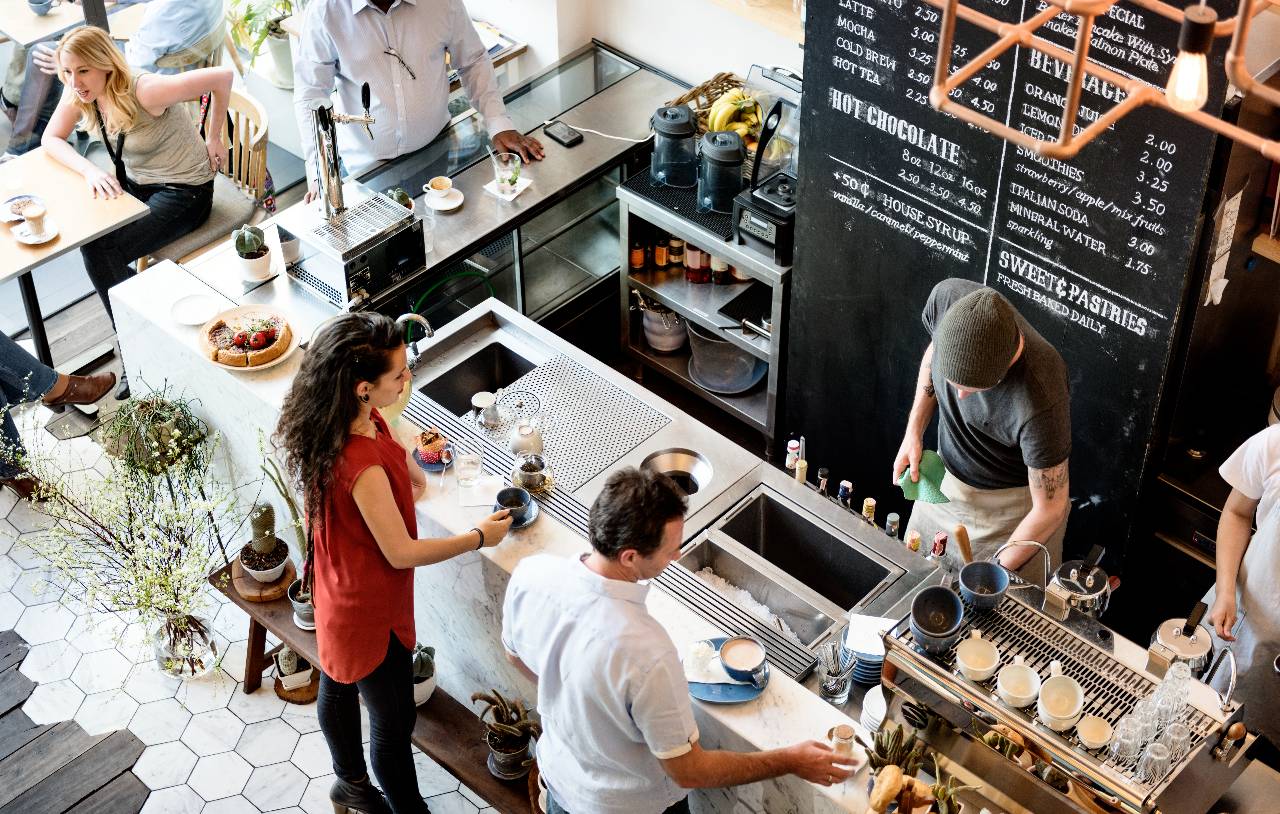
How Much Does It Cost to Open a Coffee Shop in 2026?
Opening a coffee shop in 2026 requires careful cost planning across rent, equipment, labor, technology, menu strategy, marketing, and sustainability.
operations
May 15, 2026
Opening a coffee shop in 2026 requires careful cost planning across rent, equipment, labor, technology, menu strategy, marketing, and sustainability.
May 15, 2026
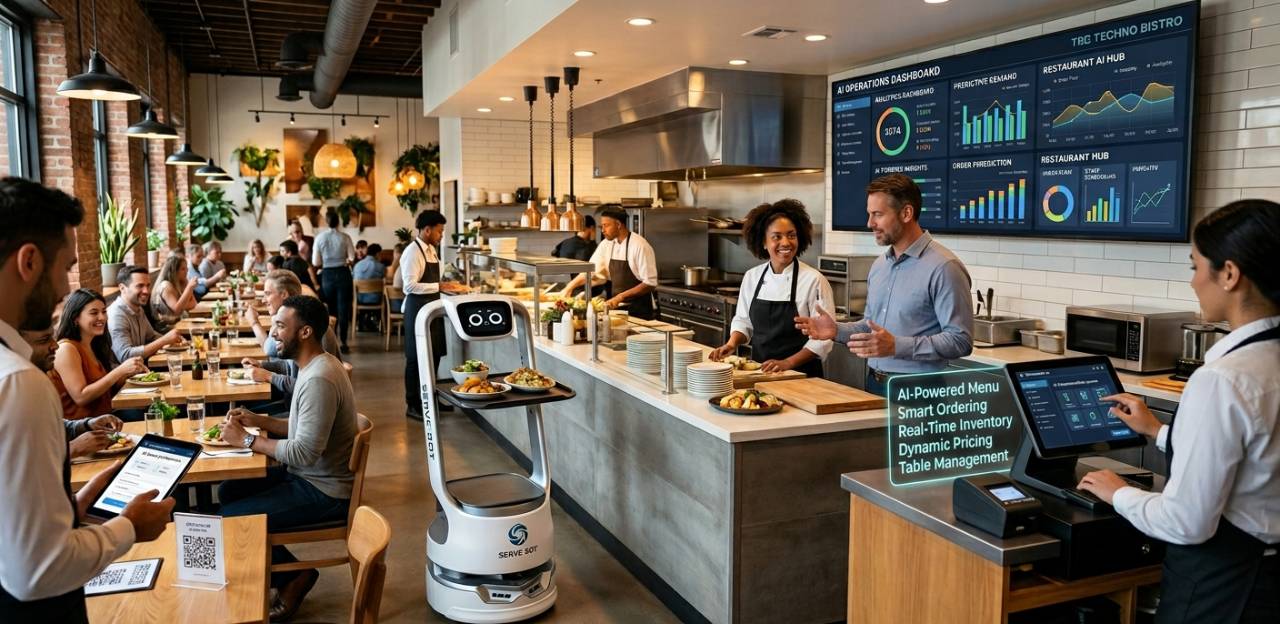
This AI playbook covers restaurant tools for voice ordering, staffing, compliance, menu pricing, inventory, marketing, ChatGPT prompts, and SEO.
May 15, 2026
Hardee’s giant Boddie-Noell inks 31-unit Scooter’s Coffee deal for NC and VA, leveraging drive-thru growth and local roots with rollout over 12–18 months.
May 15, 2026
Wingstop turns match weeks into a multi-sensory festival, aligning bold pop-ups with World Cup energy to build brand affinity and measurable momentum.
May 15, 2026
The parent company behind Dunkin', Buffalo Wild Wings, and Arby's has filed for an IPO a move that could reshape how Wall Street views the restaurant sector.
May 15, 2026

Learn how to develop a memorable restaurant brand identity that stands out in a crowded market, attracts loyal customers, and drives repeat business with actionable strategies and affordable tools.
May 15, 2026
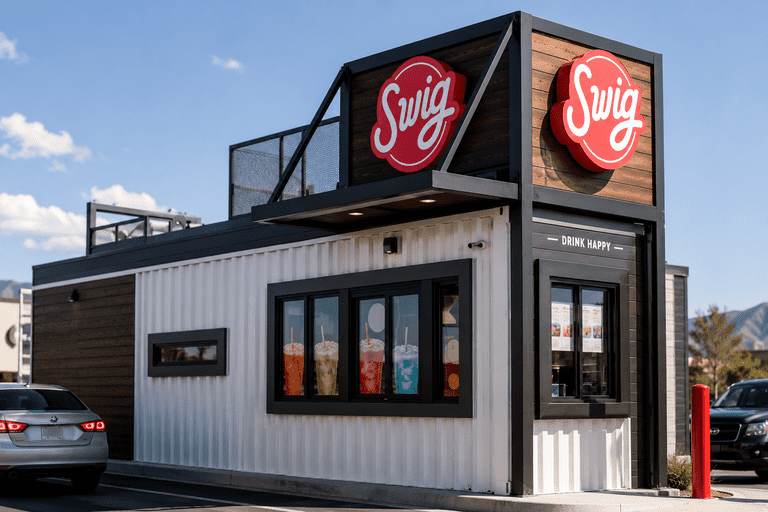
Dirty soda chain Swig is expanding into Colorado through a 10-unit franchise deal, riding a consumer beverage trend that's catching the attention of major QSR players nationwide.
May 15, 2026
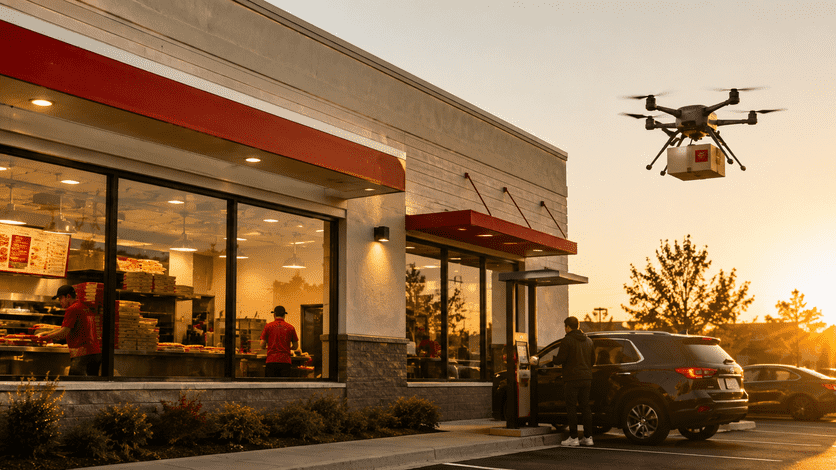
Papa Johns has teamed up with Alphabet's Wing for drone delivery of its new sandwich lineup in parts of Charlotte marking the first partnership of its kind between Wing and a national QSR brand.
May 15, 2026
A warm, expert-led look at McDonald’s Q1 results, menu makeover, and the refranchise question shaping its growth.
May 14, 2026
A reflective look at Habit Ranch, its immersive desert activation, and what it signals for brand loyalty and mindful, experiential dining.
May 14, 2026

Unlock Exclusive Access To Webinars, Events, And The Latest News For Free!
Potbelly unveils value-driven meals and smaller footprints to weather spending slumps, balancing margins with growth.
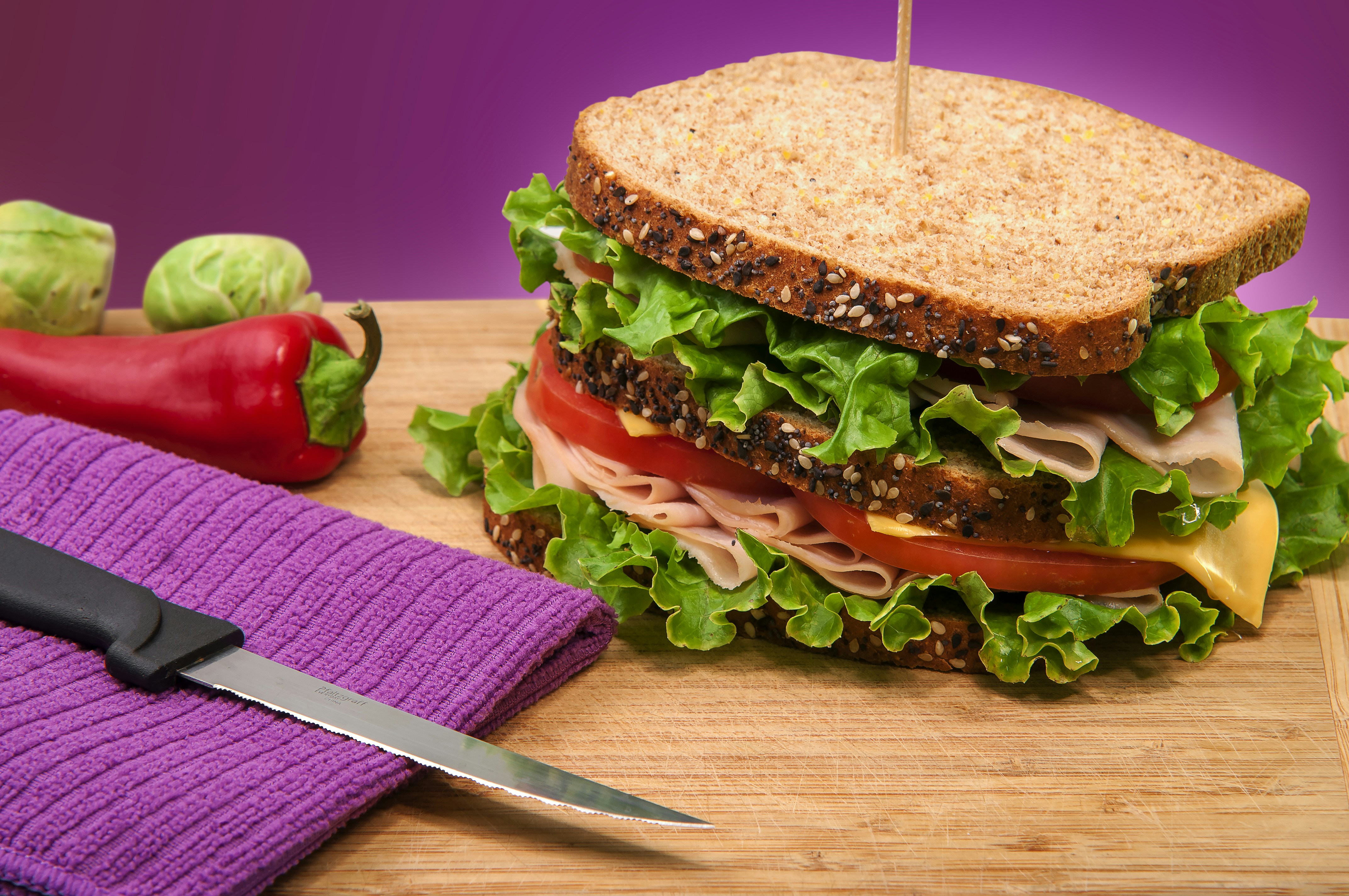
Photo by Allen Rad
In the heart of neighborhood dining, Potbelly is testing a gentler tempo: everyday value braided with a sense of home. The mood around a booth on a bustling corner often hints at something larger than a quick bite — a ritual of warmth, a moment to pause. This is the story of a brand listening to the room, inviting guests to linger a beat longer, and letting the numbers follow the tune. This approach is as carefully crafted as a favorite pastry, designed to keep the brand in rotation during leaner seasons while safeguarding margins. It’s a soft opening of a larger plan, a recipe for steady, human-paced growth.
What follows is a closer look at how Potbelly tests, measures, and expands its value play. A value-focused trial yielded a clear path: people appreciated predictability in price and in what came with the meal. The company then rolled out the $7.99 Skinny Turkey Combo across the system in late July, with the analogous ham- and chicken-skinny options kept in rotation. The idea was simple yet powerful: give budget-conscious guests a reason to choose Potbelly while guarding margins. The response from leadership was cautiously confident, with the CEO describing the combo as a “clear winner,” and signaling momentum for broader adoption.
Why now sits on a quiet, practical desk: persistent economic uncertainty has nudged diners toward predictable price points and value. The trend isn’t to chase every discount but to anchor visits with a perception of fairness and consistency. Industry voices describe value-led menus as a shield against shrinking foot traffic, while still letting the brand stay true to its identity. The mood around the dining room is shifting toward spending that feels intentional, with value as a gatekeeper for who stays in the rotation.
What this signals to guests and operators alike is a philosophy: price certainty can coexist with a menu that still rewards flavor and personality. Value perception becomes a driver of traffic for loyal customers and casual visitors, a way to keep visits steady as inflation keeps wallets mindful. Industry commentary notes that fast-casual chains increasingly lean into value-led menus to protect margins while preserving the cadence of everyday visits.
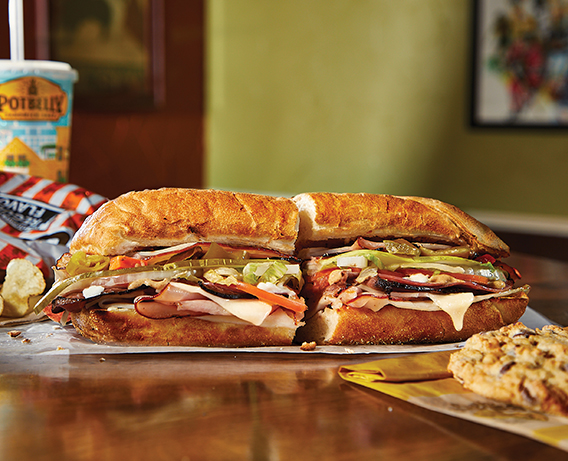
The Skinny Combo mechanics are a study in deliberate simplicity. The $7.99 Skinny Turkey Combo (with ham- or chicken-skinny options) pairs a lean sandwich with chips and a drink. It began as a value-focused trial and was scaled across the system by late July, signaling confidence that a single strong value offer can drive incremental volume without eroding margins. This approach sits beside existing value-forward configurations, weaving a broader meal-deal ecosystem that invites price-sensitive guests while staying faithful to Potbelly’s core identity. It’s a measured menu-engineering move, balancing price, value, and profitability.
How it’s designed to work across the brand is not mere luck: the plan anchors on a straightforward, scalable model where one strong value offer can pull incremental traffic without forcing a wholesale price war. The choice of lean proteins paired with chips and a drink keeps complexity down, stock costs controlled, and the guest experience steady. The result is a clear, repeatable blueprint that can travel with the brand as it tests new locations and formats.
Prototype signals point toward efficiency and speed without sacrificing hospitality. Potbelly is testing an 1,800-square-foot prototype designed to deliver the full brand experience with leaner real estate. The leadership team has been clear: “We know that the brand can deliver everything we’re looking to deliver at 1,800 square feet.” Franchise expansion plans target openings later this year at similarly compact scales, with some franchises planned at 1,600 square feet, underscoring a pragmatic approach to real estate that could yield cost savings and faster deployment.
Franchise flexibility remains central: franchisees can downsize or expand based on local demand, a nimble strategy for different markets. The footprint conversation also aligns with a larger aim — to manage occupancy costs, capital needs, and growth cadence while preserving Potbelly’s signature feel. It’s a quiet revolution in real estate joined to a value-led menu.
Financial signals and timeline show a mixed picture that Potbelly is navigating with care. In Q2, net income rose to $34.7 million, or $1.13 per share, up from $2.2 million or seven cents per share a year earlier. Yet total revenue slipped to $119.7 million from $126.6 million last year. Same-store sales rose slightly, by 0.4%, reflecting stability at established locations. The message is one of profitability and margin protection as the macro backdrop remains unsettled.
The takeaway is nuance: rising profits amid a revenue dip suggest disciplined cost controls, efficiency gains, and strategic menu engineering are at work. Analysts and investors will watch how this blend translates into sustained traffic and margin expansion as the year unfolds, with an eye on how value offerings and scaled formats support long-term growth.
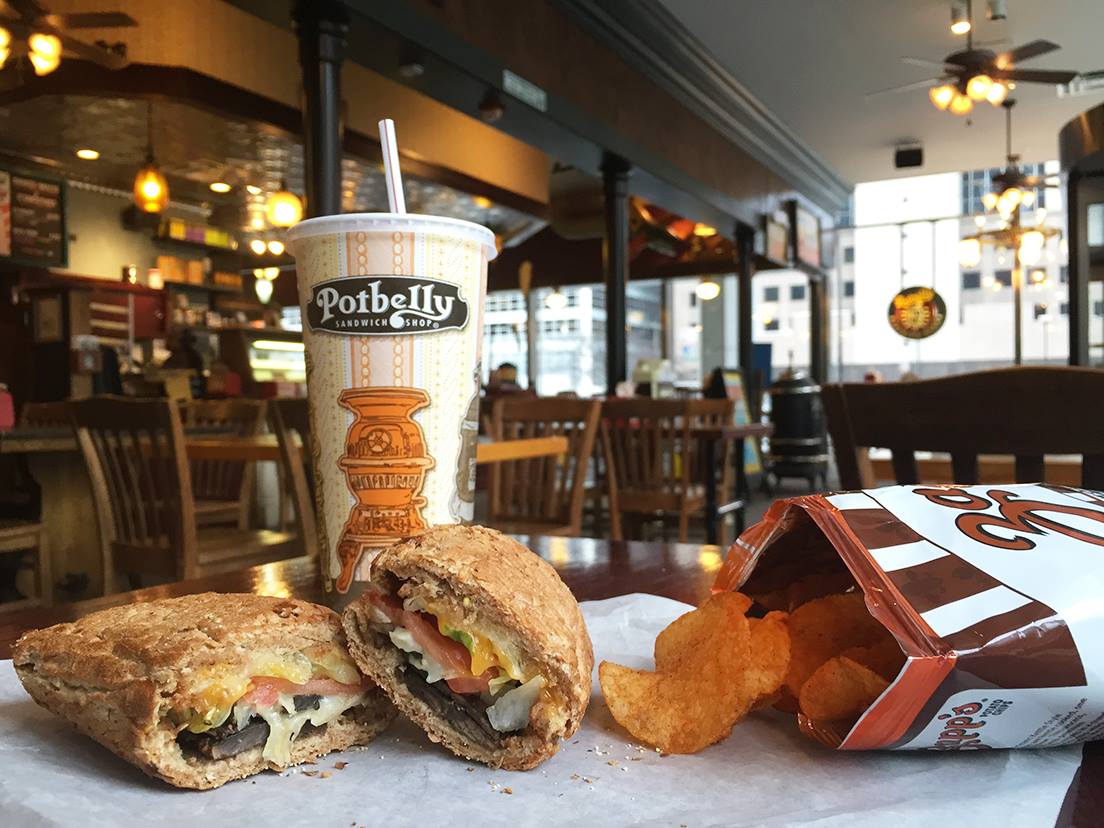
Scale, franchise flexibility, and reach describe Potbelly’s portfolio today: more than 425 shops in the United States, with over 80 franchised. The real estate flexibility — ranging toward an 1,800-square-foot prototype and 1,600-square-foot franchise formats — showcases a pragmatic, cost-conscious ramp to growth. This footprint strategy is entwined with a broader aim: align unit economics with a consumer appetite for value, efficiency, and scalable expansion.
Industry context and related moves sit within a broader trend toward value-driven menus and modular footprints as operators weather inflationary pressure. The sector is increasingly using value deals, loyalty incentives, and scalable formats to sustain traffic. The resulting playbook — menu engineering, loyalty programs, and adaptable store formats — speaks to a calm, confident path through market headwinds, without sacrificing long-term growth.